




Here’s a look at a ‘day in the life’ of a Colorado search and rescue volunteer
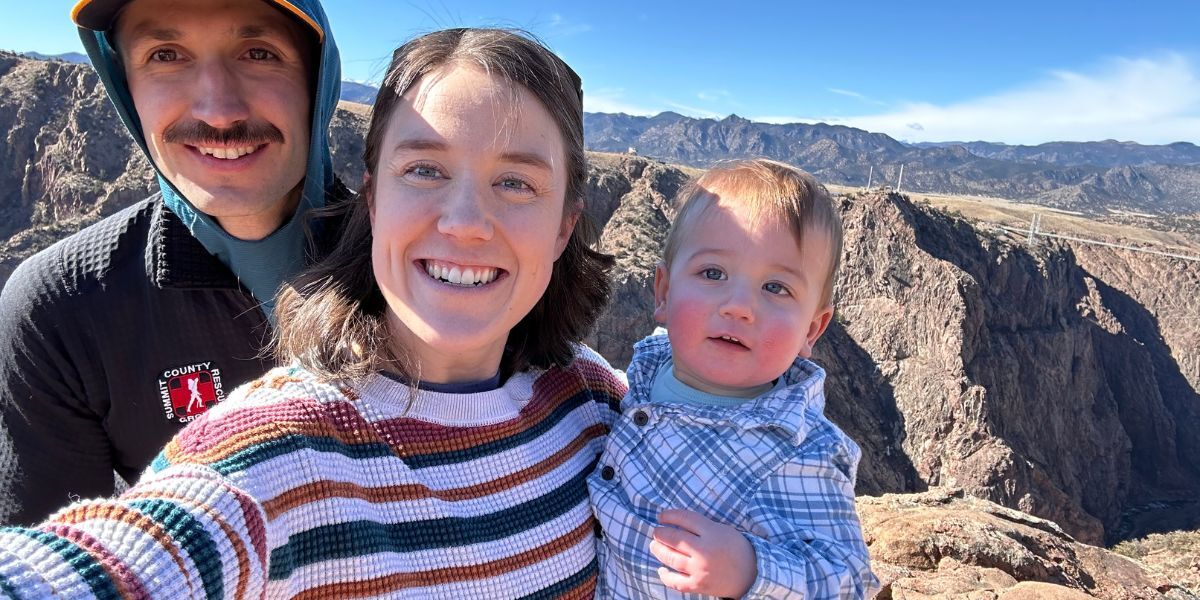
The text alert can pop up at any minute, notifying search and rescue members of a missing hiker, injured climber, or overdue backcountry skier. Answering that alert is part of their daily lives, and it can come at any time, in the middle of dinner, during a snowstorm, or even while they’re laying in bed in the middle of the night.
Kyle Griffin, a field rescuer with Summit County Rescue Group, says that the way to find the energy to continue to answer those calls is in the rewarding feeling of helping someone during their worst moments.
According to Griffin, when someone needs help in the backcountry, whether they’re lost, injured, or have become separated from their hiking partners, they typically connect with 911 through their satellite communications device or cell phone. The dispatcher will then determine the nature of the emergency and direct it the right way, whether that’s to the police, fire department, or search and rescue.
If the emergency calls for search and rescue, the dispatcher will reach out to the group’s on-call mission coordinator. The mission coordinator will then call the subject back to determine more information, asking basic questions about the nature of the emergency, like whether they are lost, hurt, or have become separated from the rest of their party.
The response could be as small as the mission coordinator working with the person on the phone to help them get back on the trail and to the parking lot, or it could include many more rescuers. For bigger responses, the mission coordinator will put out a call to the team. Members’ phones will ping with an Active Alert including basic details of the mission, including where they should show up and what they should bring.
Once they get the call to respond, members have a certain window of time, which could be anywhere from five minutes to an hour, to prepare for the mission. They’ll pack up the equipment they need, which can include their own personal gear and other team equipment like a litter (similar to a hospital gurney with a wheel under it) and advanced medical equipment. Then, they head out to help whoever is in need.
According to Griffin, Summit County Rescue Group responds to over 200 calls for assistance each year. That includes about 60 to 100 “all calls,” which require a bigger team response. Personally, Griffin goes on about one call a week, sometimes less. Calls increase during the busy season in summer.
Griffin says that the job can impact you emotionally and physically, especially with overnight rescues and multi-day searches.
“Sometimes you don’t realize how exhausted you might be and you teeter on the edge of burnout and we really have pushed in the last few years within out team to try to recognize those signs of exhaustion and prevent the burnout and keep people able to respond and able to contribute in the way that they really want to,” Griffin said.
The Summit County Rescue Group offers its volunteers multiple ways to care for their mental health. The team has access to an app that helps manage burnout. Building Hope provides team members with 12 free individualized mental health therapy sessions, and the group also has the opportunity to participate in group EMDR-style therapy sessions focusing on distressing or complex incidents that have stuck with them to help process them.
But when asked what the most rewarding part of being a search and rescue volunteer is, Griffin responded with a question of his own: “Can you have any better feeling than when you have helped someone on the very worst day of their lives?”
“You’ve helped them get out of a horrible situation that they were in, and potentially saved their life,” Griffin continued. “There’s no reward that I have found in any form of work that can beat the feeling that you get by helping another human being in that way, and that’s what I find to be most rewarding about doing this work.”
In fact, one of Griffin’s favorite stories is when he was the first person on scene to help someone who was stuck postholing and had lost one of their snowshoes. The subject’s family had called for them when they became worried. Griffin helped the person change out their wet gloves and socks, and made sure they had enough layers, food, and water. When they reached the parking lot, their spouse was there to pick them up. Their spouse was so grateful that they learned everyone who was involved in the rescue’s name, shook their hand, and personally thanked them.
“That was a very powerful experience for me and it still gives me the energy to go out when a call goes out at midnight and I’m laying in bed, and no one wants to get up after midnight, especially when it’s cold, and it’s wet, and it’s dark,” Griffin said. “But it’s that kind of connectedness with another human and how much you are helping them in their lives that drives me to get out of bed late at night and answer the call.”
Another story of Griffin’s similarly highlights the special connection between people who go through a difficult situation in the backcountry together.
Griffin had responded to an incident on the Tenmile Traverse for someone who had fallen and broken their leg. He was lifted into the field by a Flight For Life helicopter with three other teammates and a paramedic. At the scene, about ten other bystanders had stopped to help the injured hiker.
The injured subject was airlifted out by the Colorado National Guard, and the five rescuers (including Griffin) and other individuals left the field together.
“What’s notable about that to me is that at the beginning of the day none of us knew each other, especially these ten people that arrived on scene,” Griffin said. “These were just other people that were hiking through on the trail and found someone in distress and wanted to help. And now after this incident, I have kept in touch with a few of those people and they keep in touch with one another. And they have helped one another through the process of healing and working through getting back out there, because sometimes there’s some apprehensions in taking on challenges like that again, and it’s been very cool to see that group continue to support one another when at the start of the day that changed their lives frankly, none of them knew each other. That’s kind of special, that’s kind of powerful.”
When asked what training and requirements are needed to become a search and rescue volunteer, Griffin said that a common misconception is that you must be an EMT, mountain guide, have a high level of experience, or even work in the field daily. However, according to Griffin, it depends more on who you are as a person.
“Do you prioritize the team above one individual person?” Griffin said. “Do you have a personality that seeks to help others? Do you have the stamina to be able to really at times suffer through a very cold night on a ridgeline with someone and still be motivated to do that again the next weekend? So the requirement is a matter of who you are rather than what skills you have.”
That being said, Summit County Rescue Group conducts between 50 and 60 regular trainings each year to keep their skills sharp. The organization typically meets on Wednesdays for weekly trainings where they work on things like mission reviews, medical trainings, avalanche response, K9 trainings, rope rescue, motorized rescue trainings, and more. Each training depends on the current conditions, time of year, what they need to prepare for for the next season, and skills they consistently need to maintain, like providing medical care.
To those considering becoming a search and rescue member, Griffin says to “pursue it to whatever degree you wish.” He also said that there are plenty of avenues in search and rescue, including training with dogs, searching off of ATVs, or even doing rescues in rivers or frozen lakes.
For search and rescue members, the long and late nights, variable terrain, and unpredictable calls all come down to the goal of helping people make it home safely.
STAY INFORMED: Get free Colorado news with our daily newsletter (Click here)
Get OutThere
Signup today for free and be the first to get notified on new updates.
PREV
PREVIOUS
Stunning double-waterfall found in narrow slot canyon in Colorado
If you’re headed to the Great Sand Dunes National Park, you’ll pass a sign on the right side of the approaching road that indicates a trailhead for Zapata Falls is near. A detour overlooked by many visitors, a rocky 3-mile uphill drive will take you to a short trail that leads to one of the […]
Orphaned bobcat released back into wild after going through rehab
An orphaned bobcat was released back into the wild on Wednesday after spending the past year in rehab. According to an X post from Colorado Parks and Wildlife (CPW), officers released the orphaned kitten into the wild in the San Luis Valley after it was taken to CPW’s Frisco Creek Wildlife Rehabilitation Center last year. […]