




After killing 18 last year, first 2026 case of West Nile virus pops up in Colorado
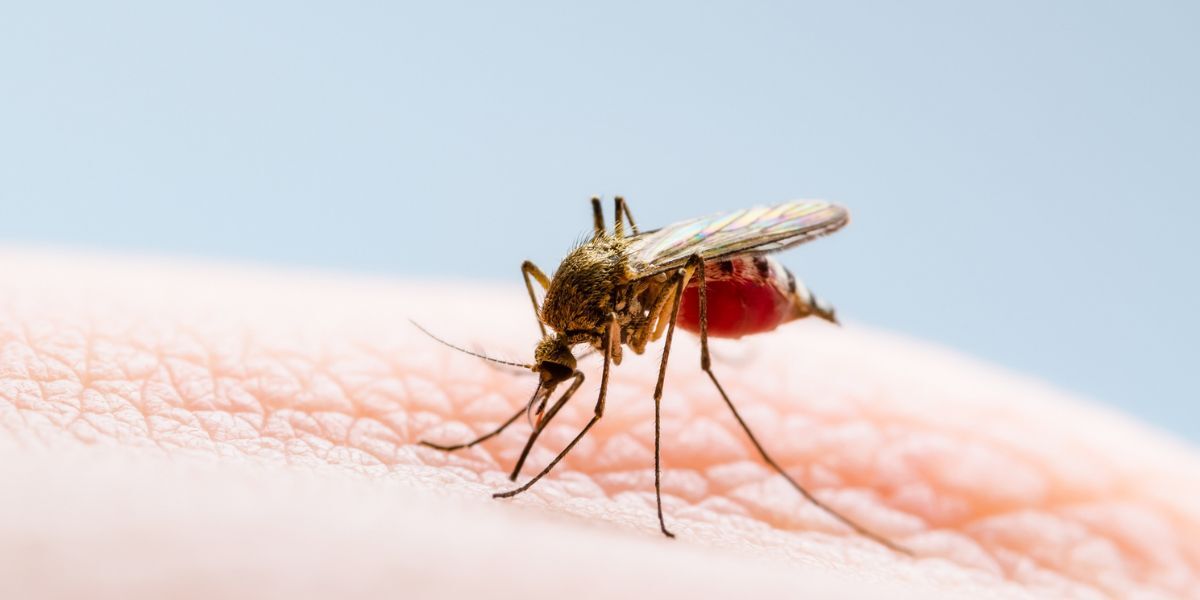
While West Nile Virus tends to get overlooked by many Coloradans due to a general lack of mosquitoes in the Centennial State compared to elsewhere in the country, it’s a very serious risk and it kills an average of about 10 to 11 people in Colorado each year. In 2025, it killed 18 Coloradans with the Centennial State being described as the hardest hit state that year.
With that said, the first human case of West Nile Virus in Colorado in 2026 has officially been recorded. It was detected in Jefferson County and while the case has not yet resulted in a death, it did result in neurologic symptoms and hospitalization.
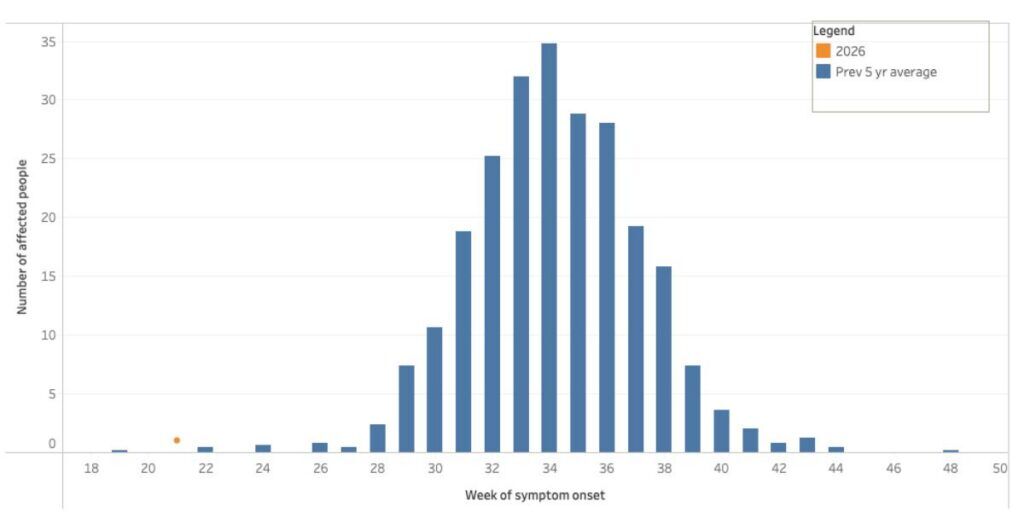
Based on data from the Colorado Department of Public Health and Environment (CDPHE), it’s still pretty early as far as the typical West Nile Virus season goes. While cases can pop up in May and June, July, August, and September tend to be when the most cases are recorded.
While 18 people died due to West Nile Virus in Colorado last year and the norm is about 10 to 11, the deadliest year brought a much higher number of deaths – 66 in 2003. More recently, 51 people died due to the virus in 2023.
Death is obviously the most serious potential outcome of West Nile Virus, but it’s also worth noting that of the 286 people that were found to be affected by the disease in 2025, 154 were hospitalized (54%) and 143 ended up with neurologic symptoms (50%). A death rate of six percent is scary in itself, but it’s important to remember that these other symptoms can have a lasting impact on an individual’s life, too.
In 2025, northern Colorado counties of Larimer, Boulder, Weld, and Adams combined accounted for 152 of the 286 total cases (about 53%). This falls in line with historical data as these four counties have accounted for about half of all known cases since 2003 – 3,505 of 7,075 cases, or about 49.5 percent.
Spread via the bite of an infected mosquito, most cases of West Nile virus go unnoticed as symptoms don’t tend to rise to a level that’s severe enough for an individual to seek formal medical care, thus no official test for the virus occurs. Inevitably, however, a percentage of people who contract West Nile Virus will get sick, and some of those people may risk death.
Colorado’s typical West Nile Virus ‘season’ is May through October and it tends to peak around August.
When it comes to protecting oneself from West Nile Virus, preventing mosquito bites is key. The CDPHE recommends using insect repellents (see their list of essential ingredients here) and limiting time outside when mosquitos are most active (dusk and dawn). Protective clothing and limiting skin exposure can also help, as can working to ‘mosquito-proof’ your home by removing items that may collect standing water and by installing or repairing screens on doors and windows.
As far as the symptoms of West Nile virus go, these tend to appear about two to 14 days after a bite. Fever and a headache can progress into a stiff neck, disorientation, tremors, and coma, with more severe cases resulting in brain infections like meningitis or encephalitis. Permanent brain damage and death can occur. It’s also worth noting that most deaths involve people 50 years of age or older. Unfortunately, there’s no treatment or vaccine available for the disease.
Read more about mosquito safety and the West Nile virus in Colorado here.
Editor’s Note: West Nile virus is most commonly spread to humans by bites from infected mosquitos. In an extremely small number of cases, it has also spread through blood transfusions, organ transplants, and from a mother to a baby during pregnancy or at time of birth.
STAY INFORMED: Get free Colorado news with our daily newsletter (Click here)
Get OutThere
Signup today for free and be the first to get notified on new updates.
PREV
PREVIOUS

Strong winds knock 13 people into frigid Colorado reservoir, prompting rescue effort
According to South Metro Fire Rescue, their team responded to a mass water rescue in Douglas County on June 2 that involved 13 individuals. The situation unfolded at Rueter-Hess Reservoir, which spans approximately 1,170 surface acres just off of I-25 in the area of Parker. It has a maximum depth that’s close to 200 feet. […]
Get 79% off standard costs with 'early bird' pricing of A-Basin summer pass
Summer activities are about to kick off at Arapahoe Basin Ski Area, and the Summit County, Colorado resort is offering ‘early bird pricing’ pricing for its summer pass that delivers a value of $1,000 for just $209. The pass includes entry into the Summer Beer Fest and Oktoberfest, one full-day Via Ferrata tour, an Aerial […]