




This species could disappear from Colorado – but wildlife officials are working hard to save it
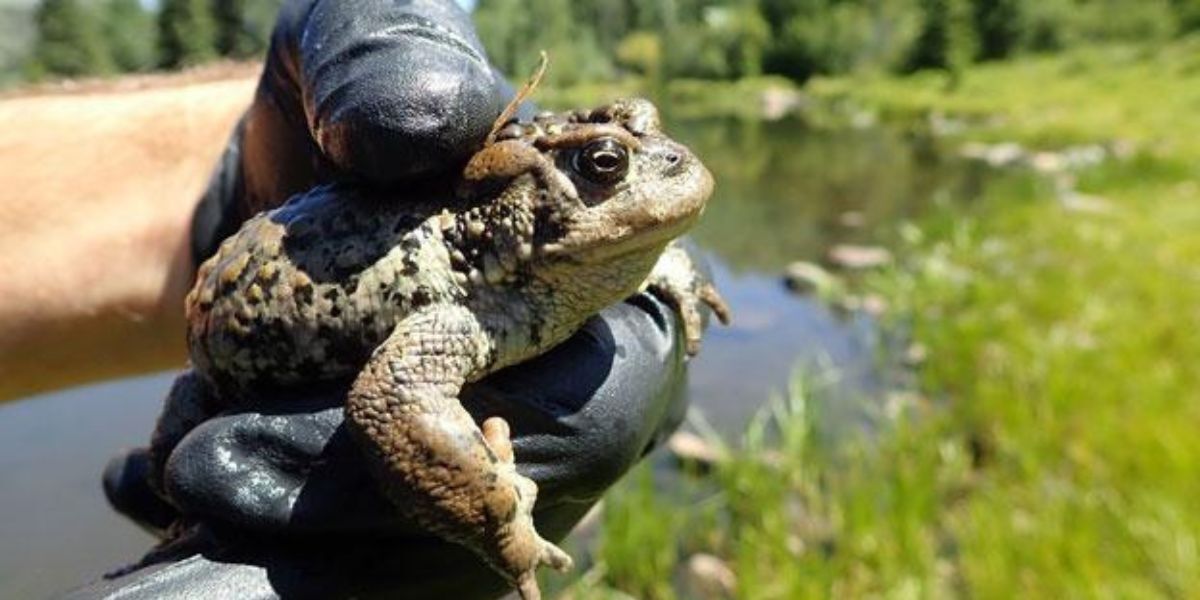
How much do 3,500 tadpoles in water-filled backpacks weigh? A cumulative total of about 350 pounds, said Colorado Parks and Wildlife, after conducting a mission that will help to save Colorado’s boreal toad species.
Colorado Parks and Wildlife personnel along with staff of the Denver Zoo Conservation Alliance hiked miles into the backcountry to release that many tadpoles of the endangered species into alpine ponds found in wetlands near Leadville in recent days. While the boreal toad is the only native alpine toad species in the Southern Rocky Mountains, local populations have been decimated in recent decades due to chytrid fungus, resulting in their classification as a Tier 1 Species of Greatest Conservation Need in the state’s wildlife action plan.
A Colorado Parks and Wildlife plan related to the conservation of the species involves several necessary steps, the most crucial of which is translocating and reintroducing tadpoles into suitable habitats. The project that took place in recent days near Leadville has been meticulously planned for two years, finally coming to fruition. Months of surveying ponds in the area led to a selection of a few key spots that offered the highest-quality breeding habitat, also capable of supporting self-sustaining boreal toad populations.
State resources have been dedicated to boreal toad research for more than 30 years, including work to reintroduce the species to historically occupied habitats, findings ways to mitigate the chytrid fungus, improving breeding success at Colorado Parks and Wildlife facilities, and identifying and monitoring individual toads.
“This fieldwork is challenging and requires our biologists to hike miles uphill to alpine habitats with over 10 pounds of water containing over 100 tadpoles on their backs,” said CPW Director Laura Clellan. “I continue to be amazed by our staff and our partners who are dedicated to protecting our amphibian species for future generations. This release marks an attempt to repatriate boreal toads to habitat that they historically occupied, in other words, habitat that has proven success in sustaining boreal toad populations.”
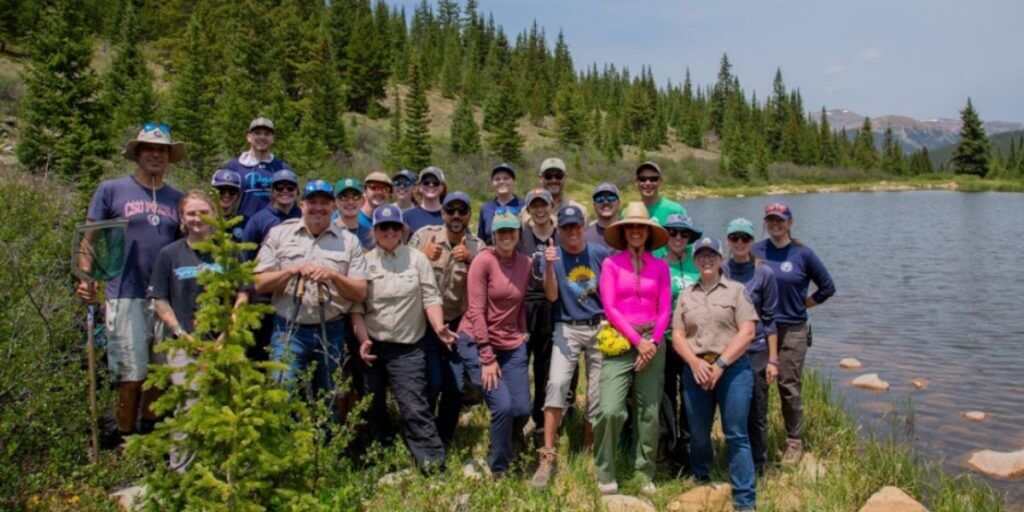
Following the stocking of the ponds, the wildlife agency’s native aquatic species biologists and technicians will continue to monitor the area through late August with stocking plans set to continue for five more years.
“This successful release effort was the result of a tremendous amount of hard work and planning by our Animal Care and Field Conservation teams, and our partners at Colorado Parks and Wildlife,” said Cristal Torres DeHerrera, President and CEO of Denver Zoo Conservation Alliance. “Our shared love of Colorado’s native wildlife and wild places is what made this achievement possible, and it’s a strong example of field conservation work rooted in science, community and action. We’re committed to continuing this effort with CPW for many years to come and doing our part to make sure this important species remains part of Colorado’s ecosystem for future generations.”
The effort to reintroduce the boreal toad in Colorado represents a continued effort to bolster and protect the biodiversity of local ecosystems.
“This work takes a village of people who care about recovering this sensitive species,” said CPW Native Aquatic Species Biologist Alex Jouney. “Boreal toads could disappear in Colorado without all the proactive work our teams do every year. We’re very grateful for our continued partnership with the wildlife professionals from Denver Zoo Conservation Alliance, and the Bureau of Land Management — without the cooperative work that we share and complete together, the mission would not be possible.”
Boreal toads were once common in habitats of about 7,000 feet to 12,000 feet in the Southern Rocky Mountains, but the past two decades have been incredibly rough on the species. Since Colorado Parks and Wildlife got involved with saving the local population, more than 133,000 tadpoles, toadlets, and adult toads have been raised and transported to historic habitats.
Learn more about the boreal toad here.
STAY INFORMED: Get free Colorado news with our daily newsletter (Click here)
Get OutThere
Signup today for free and be the first to get notified on new updates.
PREV
PREVIOUS
22-year-old dead after getting swept over 594-foot waterfall
Tragedy unfolded at Yosemite National Park in recent days when a man took a fatal plunge over a 594-foot waterfall. While the incident occurred in California, it provides a harrowing example of how serious the risks of moving water are, which applies in Colorado, too. According to a report from SFGATE, 22-year-old Josue Baires Alfaro […]

It's only June, but this Colorado state park is already ending its boating season
A second report of the day related to outdoor recreation impacts amid dry conditions in Colorado – and likely not the last that will be published in weeks to come. According to Colorado Parks and Wildlife, extremely low reservoir levels at Boyd Lake State Park have prompted officials to end boating season early. Boat ramps […]