




Bear spray banned at California’s national parks – Colorado takes opposite approach
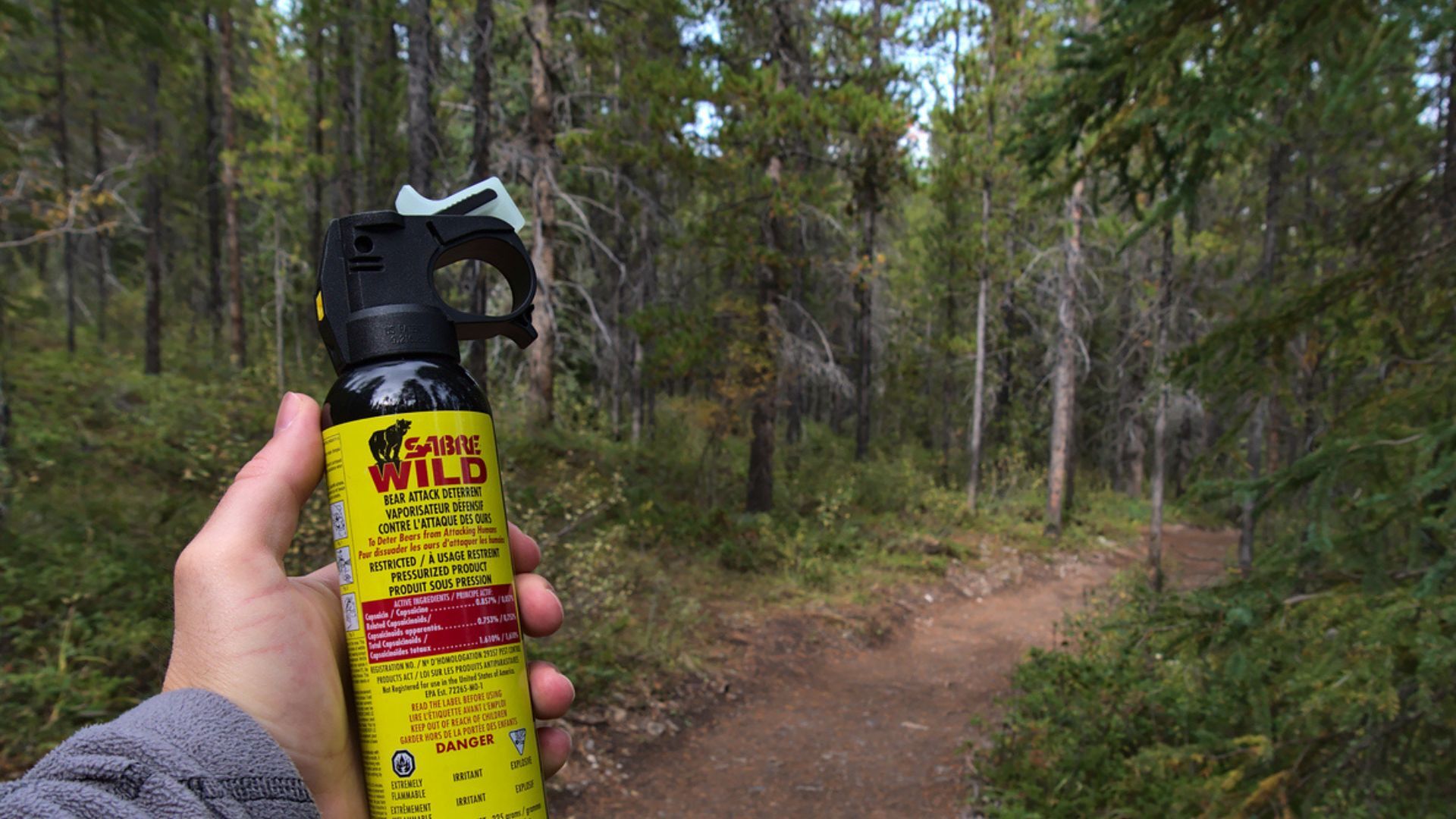
Over the past few weeks, the prohibition of bear spray and pepper spray at some national parks has made headlines. This isn’t something new, but as the topic has gotten some recent viral attention, it’s a rule that’s left some outdoor recreators scratching their heads. After all, bear spray is the most effective way for the average person to thwart a charging bear, and it’s also a deterrent that means no loss of life. On top of that, many people tend to carry pepper spray in remote areas as a means of non-lethal self-defense against whatever threat may come their way.
The national parks where bear spray and pepper spray are banned include all of those found in California – Yosemite, Redwood, Lassen Volcanic, Sequoia, Kings Canyon, Death Valley, Pinnacles, Joshua Tree, and Channel Islands. The reasoning behind the ban stems from how these parks classify bear spray and pepper spray as weapons, with weapons illegal to possess in the aforementioned spaces, including but not limited to BB guns, pellet and paint guns, slingshots, and any compressed gas irritant devices.
Note: While Federal law requires National Park Service locations to permit the carriage of firearms when in compliance with federal and state laws, California law seems to prohibit both the open carry of firearms in ‘prohibited areas,’ which includes its national parks, as well as the concealed carry of firearms within parks.
Providing more insight into the ban, National Park Explorer chatted with a park ranger about the situation. Per that report, it was decided that bear spray isn’t locally needed as California is only home to black bears, not grizzlies, with black bears often deterred by loud yelling. Instead of using bear spray, it’s recommended that people instead simply give bears space and try not to get between a mother and her cubs, also ensuring that they’re storing food in a bear-safe way to avoid drawing bears into an area where people are present. In general, it seems like misuse concerns related to bear spray and pepper spray outweigh those related to aggressive bears.
Colorado – a state that’s also home to only black bears, not grizzlies – takes a much different approach, with the use of bear spray encouraged on the Rocky Mountain National Park website. Other national parks in Colorado have similar policies, with the use of bear spray recommended when an aggressive animal is encountered.
As anyone interested in outdoor recreation likely knows, black bears can be aggressive – which is why California ban’s of bear spray in its national parks probably feels a little odd to those who have been around bears before. As recent as late-June, a bear attack shut down a popular trail near Golden, Colorado, and it’s not like California is immune to aggressive members of this species – a black bear attacked a teen through the window of a home in Crestline, California in June and earlier that month, a black bear left a couple with significant injuries in an attack that occurred near Yosemite National Park (in that case, a man had to use a hatchet to fight the animal off).
It is true that there has only been one fatal bear attack that’s been documented in California state history, taking place in 2023. That said, a report that can be found on the California State Portal website shows that 101 non-fatal attacks occurred between May of 1986 and August of 2015 – between three and four per year on average.
For those not exploring California’s national parks, having bear spray when in bear country is encouraged when legal. After all, using an EPA-approved bear spray product is cited on the National Park Service’s own website as an important thing to carry while in the backcountry as something that’s designed to stop a charging bear. They’ve even got an instructional video on how to use it properly.
Are bear attacks rare in the United States Yes, quite rare, but they do occur. Either way, it’s important for traveling Coloradans to be aware of the rules in California in order to avoid a court appearance and some hefty consequences that may come with that. Those in California’s national parks will need to find another means of staying safe – hope for good luck and use an air horn, perhaps?
STAY INFORMED: Get free Colorado news with our daily newsletter (Click here)
Get OutThere
Signup today for free and be the first to get notified on new updates.
PREV
PREVIOUS
Worst tier of drought expands in part of state at risk of large wildfires
It’s been another dry week in much of Colorado, bringing some good news and some bad news. Week-over-week, the state’s Drought Severity and Coverage Index (DSCI) score remained the same – 325, but don’t let that fool you into thinking drought didn’t get worse in some aspects. While the portion of the state that’s experiencing […]
Shocking image makes it easy to see why boat ramp was closed at popular Colorado reservoir
Shocking images from the U.S. Forest Service show the reality of what a dry year looks like at a popular reservoir in Colorado’s Summit County. According to the U.S. Forest Service – White River National Forest, the boat ramp at Green Mountain Reservoir is officially closed for the 2026 season for the sake of public […]