




Be warned – jumping into that mountain lake might kill you
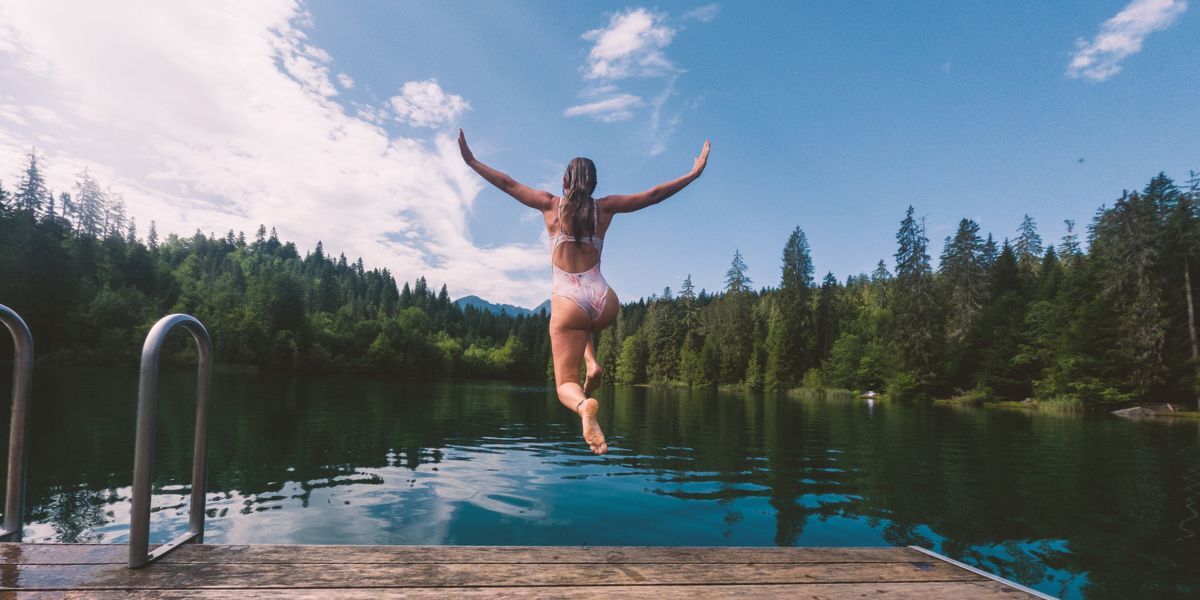
After a long summer hike in the mountains, few things can seem more rewarding than plunging into a pristine alpine lake. Believe it or not, plunging into that alpine lake might be the riskiest thing you do all day and it could even result in your death.
While people tend to view flowing waters as more of a drowning risk, still water can be just as deadly in Colorado due to something called cold water shock.
This type of shock occurs when the body is immersed in – you guessed it – cold water, though it doesn’t actually have to be that cold… more on that in a bit. The cold water can trigger sudden hyperventilation, heart and blood pressure issues, and even cognitive impairment. While this is happening, your body can also suffer from physical incapacitation, as arms and legs may lose their mobility, thus becoming unable to keep the body above water. All of this can take place within the first three minutes of being in cold water or less.
Another big concern that comes with entering cold water is hypothermia. Cold water immersion can cause the body’s core temperature to plummet and once it drops below 95 degrees, hypothermia sets in, as well as further physical and cognitive impairment.
A key misconception when it comes to the dangers of cold water is that the water must be extremely cold for negative effects to occur – that’s far from the case. According to the National Weather Service, cold water shock can be just as severe in water temperatures ranging from 50 to 60 degrees as it is in water that’s 35 degrees. Some symptoms can even be triggered in water as warm as 77 degrees.
To put that in perspective, the July 17 water temperature at Lake Pueblo, located at 4,900 feet of elevation, was estimated at 71 degrees. On the same date, Dillon Reservoir, at 9,017 feet of elevation, was estimated at just 63 degrees – both bodies of water are cold enough to result in symptoms of cold water shock. It’s easy to imagine how cold a snowmelt-filled high elevation alpine lake may be – even amid warmer summer temperatures, still very capable of resulting in cold water shock and likely below that 77 degree threshold.
Another key misconception is that good swimmers and athletic people are less susceptible to cold water shock. This is also not the case, as athletic people tend to have less body fat, with fat being something that can serve as insulation. It is possible for people to reduce their reaction to cold water, though this is done by conditioning the body over long periods of time.
Aside from staying out of cold water, wearing a life jacket is the best way to prevent cold water shock that results in death. That being said, while a life jacket may prevent drowning, it doesn’t prevent heart concerns that come with a rapid rise in heart rate and blood pressure or hypothermia. Someone might not drown, but they could still have a fatal heart attack.
In other words, think twice before diving in. Putting yourself at risk of cold water shock can also put would-be rescuers at risk, as bystanders may decide to enter the water to save you and suffer the same consequences. While heroic, this act can turn one drowning death into two.
RELATED: This article discusses what should be done when someone is drowning in a remote area. One key recommendation is that those untrained in technical water rescue avoid entering the water. The mantra included in the article is “Reach, throw, row, don’t go” when it comes to first response in most cases.
It’s also important to keep cold water shock in mind while participating in activities where you might not be planning to get wet, but will be around water. This is one reason why it’s important to always wear a life jacket while paddleboarding, kayaking, and boating. Sudden gusts of winds aren’t uncommon on Colorado’s lakes, and these winds regularly flip people off of their water vessels unexpectedly.
Colorado provides many great opportunities for water-recreation, but it’s important to partake in these activities in a safe manner. Always wear a life-jacket and only swim in open water in areas designated for the sport.
Read more about the risks of cold water here.
STAY INFORMED: Get free Colorado news with our daily newsletter (Click here)
Get OutThere
Signup today for free and be the first to get notified on new updates.
PREV
PREVIOUS
Hiker gets stuck overnight on 14,163-foot Colorado peak after splitting with partner
A hiker had to stick it out alone overnight on one of Colorado’s more technical fourteener climbs after getting stuck in steep terrain. According to a report from Mountain Rescue Aspen, a satellite text message about an overdue hiker in the Maroon Bells-Snowmass Wilderness was received at about 7:39 p.m. on July 16. The reporting […]
Visiting Alamosa: Nearby waterfalls, dunes, and more in the middle of a massive alpine valley
Known as the “Gateway to the Great Sand Dunes,” Alamosa serves as the commercial hub for the San Luis Valley of Colorado. Although it’s seemingly in the middle of nowhere, Alamosa features plenty of unique natural attractions and a rich history. History: Alamosa’s first inhabitants were the Clovis and Folsom, Native American cultures that hunted […]