




New wolf pups in Colorado could be first step toward lethal management tactics
Jeff Davis, the Director of Colorado Parks and Wildlife, recently penned a letter to the Middle Park Stockgrowers Board addressing concerns related to wolf depredation and a recent request by local ranchers for approval of lethal deterrents – in other words, permission to kill wolves – two specific animals – that are preying on livestock.
Ultimately, Davis informed the board that the decision was made to not use lethal force on the animals or to allow others to do so, though part of his reason behind that decision is sure to be of interest to those following Colorado’s wolf reintroduction effort.
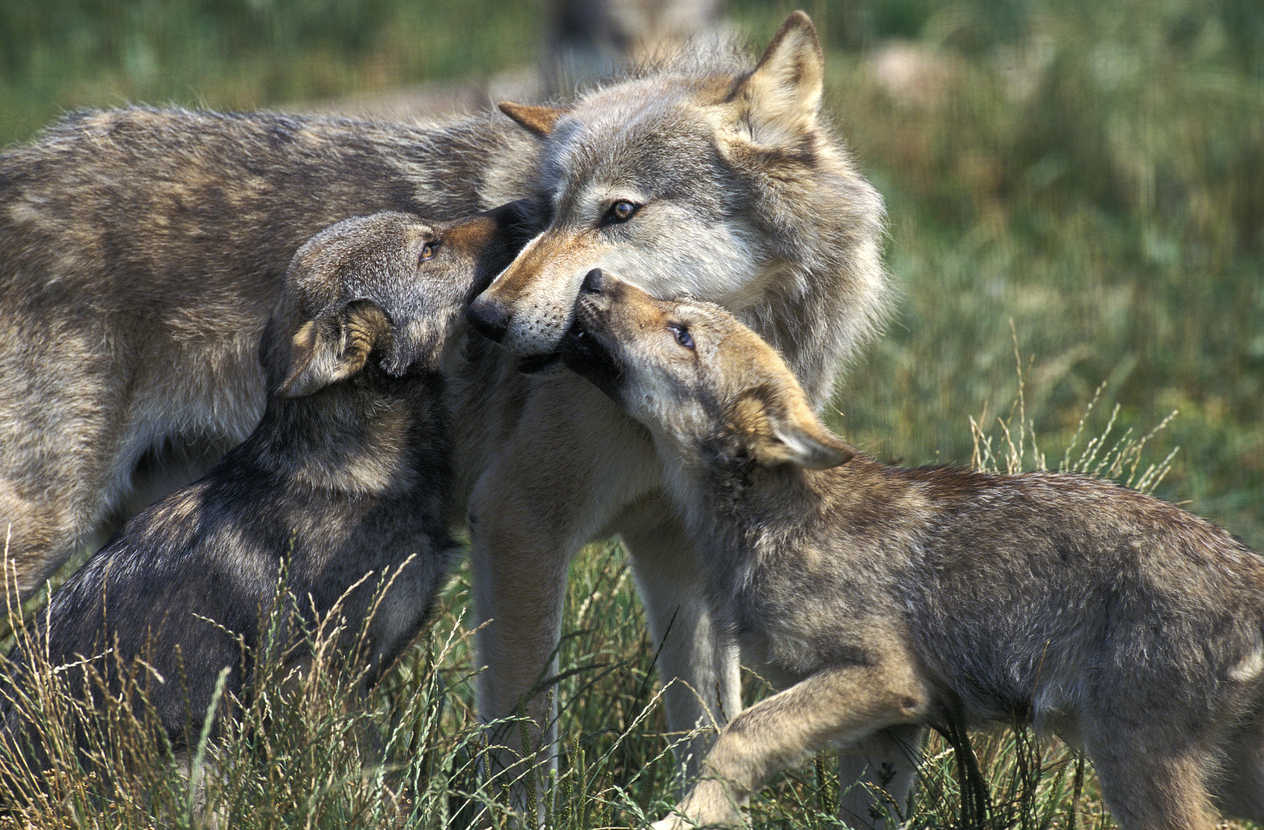
According to Davis, one of the two males believed to be involved in the depredation may be denning – breeding – with a female wolf that’s nearby. Per expert opinion, denning is evidenced by how the female’s collar briefly stopped uploading GPS data – likely because she was in a den – before again sending information, showing that she’s keeping a very localized position. This lapse in data also aligns with the expected timing of wolf reproduction, likely pointing to the first den having been established by Colorado’s reintroduced wolves.
As stated by Davis, “removing the male breeder at this point would be irresponsible management and potentially cause the den to fail, possibly resulting in the death of the presumed pups.”
Wildlife officials are still working to confirm the den.
Davis also addressed concerns that some of the reintroduced wolves came from Oregon packs known for livestock depredation, stating that while those packs were historically known for chronic depredation, the packs were not involved in depredation in months leading up to the capture effort, in part due to management action conducted in Oregon.
Davis noted that Colorado Parks and Wildlife is aware of the complications posed by the wolf reintroduction, also reminding the public that conducting an effective reintroduction is part of the department’s legal duty, as decided by the state’s voters.
The most recent data shows eight livestock have been involved in depredation incidents since wolf reintroduction, all having taken place in April.
Colorado Parks and Wildlife has yet to define ‘chronic depredation’ in a quantitative manner, which has prevented lethal force against wolves by ranchers impacted by livestock kills. According to Davis, lethal removals may be more common as the wolf population grows to a point where it’s moreso self-sustaining. Protecting breeding pairs would likely play a big role in reaching that point.
Recent developments regarding a breeding pair and potential wolf pups will likely spark mixed emotions among those opposed to the reintroduction effort. While a breeding pair would mean more wolves that could potentially prey on livestock, it could also be a first step toward the wolf population reaching numbers past a threshold where Colorado Parks and Wildlife may consider lethal management tactics.
Additional decisions related to lethal tactics to prevent depredation will likely be made in months to come.
STAY INFORMED: Get free Colorado news with our daily newsletter (Click here)
Get OutThere
Signup today for free and be the first to get notified on new updates.
PREV
PREVIOUS
Nuggets-Lakers Game 5 recap
Vinny Benedetto and Tyler King recap the Nuggets’ Game 5 win over the Los Angeles Lakers at Ball Arena on Monday night.

Three Colorado companies up for 'best hot air balloon ride' award
Hot air balloons offer a unique and exciting perspective as their woven wicker baskets float across the sky, offering bird’s eye views – and given the great views in Colorado, there are some excellent options when it comes to hot air ballooning. Voting is underway for USA Today’s best hot air balloon ride award. Three […]