




Study reveals top reason people get lost on the trail
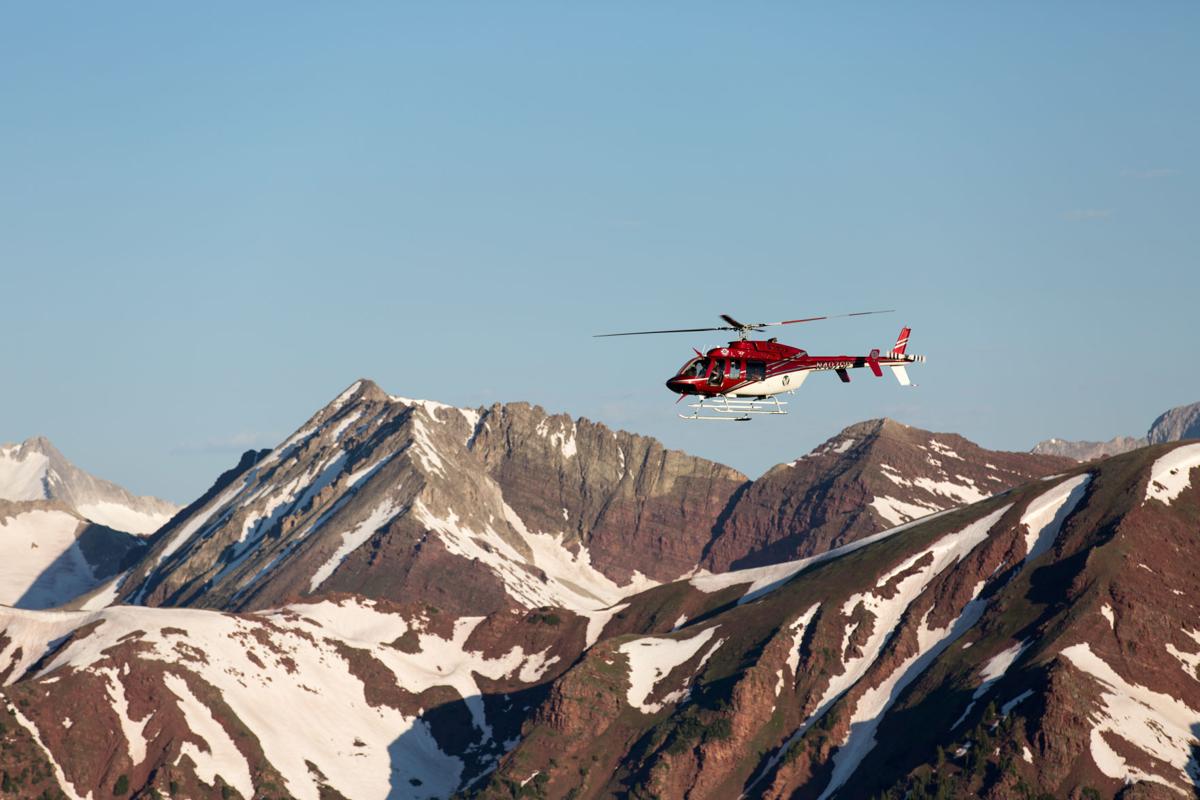
A study published on SmokyMountains.com took a look at 100 recent reports from around the country of people getting lost on the trail with the goal of pinning down what causes these instances to occur.
What they found from their sample was that 41% of the time someone got lost on the trail, it was due to “wandering off trail.” This is often a major risk when hiking in Colorado, with remote and rocky trails sometimes requiring a bit of route finding. Once the trail is left behind, it can be quite difficult to get back to it.
The second most common reason for getting lost was bad weather (17%), another major risk that many hikers in Colorado regularly face. Always be aware of the forecast and know that this is subject to change. Afternoon storms are very common in Colorado and pose an even greater threat to those above treeline. It’s no surprise that lightning strikes in Colorado are so common.
Other reasons that people got lost included falling off trail (16%), getting separated from the group (8%), injury (7%), darkness (6%), and loss or failure of equipment (5%).
If you become lost in Colorado, remember that exposure is often your greatest threat. A lot of people tend to assume that they immediately need to find food and water, but you can go several days without that. Exposure can kill you in three hours or less in some conditions. The only concern more pressing than managing exposure would be an immediate health concern, such as throat blockage or excessive bleeding.
It’s also worth mentioning that in the aforementioned 100 cases, 65% of people kept moving once they realized they were lost. This is bad practice, as this often contributes to getting more lost and farther away from the trail search and rescue teams are likely scouring. Consider that of those same 100 cases, only 23% of lost parties were able to find their way out. This means that of the 65% of the people that kept moving, roughly 65% failed to self-rescue. As mentioned in this study, one of the only times it makes sense to even consider “self-rescuing” is if no one knows where you’re at. In that case, the smarter move is often to navigate to an open area visible to aircraft or high ground where you might find cell signal.
Prior to embarking on any outdoor recreation adventure, take precautions beforehand to ensure that you’re managing risk. Let people know where you’re going, and if possible, avoid hiking alone. Here’s a list of 13 tips for staying safe in the backcountry. Read it, it could save your life.
Get OutThere
Signup today for free and be the first to get notified on new updates.
PREV
PREVIOUS
Colorado gets dismal rankings in national highway analysis
Facebook Twitter WhatsApp SMS Email Print Copy article link Save Facebook Twitter WhatsApp SMS Email Print Copy article link Save Colorado’s roadways are up against a lot – sweltering summer heat, relentless traffic, flooding, temperature swings, etcetera. To anyone that’s spent time traveling around the state, it’s probably met with no shock that these roads […]

When fall colors are expected to peak in Colorado in 2019
Facebook Twitter WhatsApp SMS Email Print Copy article link Save Facebook Twitter WhatsApp SMS Email Print Copy article link Save The aspens will soon paint the mountains in a breathtaking display of color. Each year, these slender white-barked trees show off a spectrum ranging from buttery yellow, champagne gold, amber orange, and blazing red – […]