




A land of legends caught between past, present and future | Colorful Colorado
LA VETA • It is said that John Francisco laid eyes on the land where he would see a town rise and uttered a now-famous line: “This is paradise enough for me.”
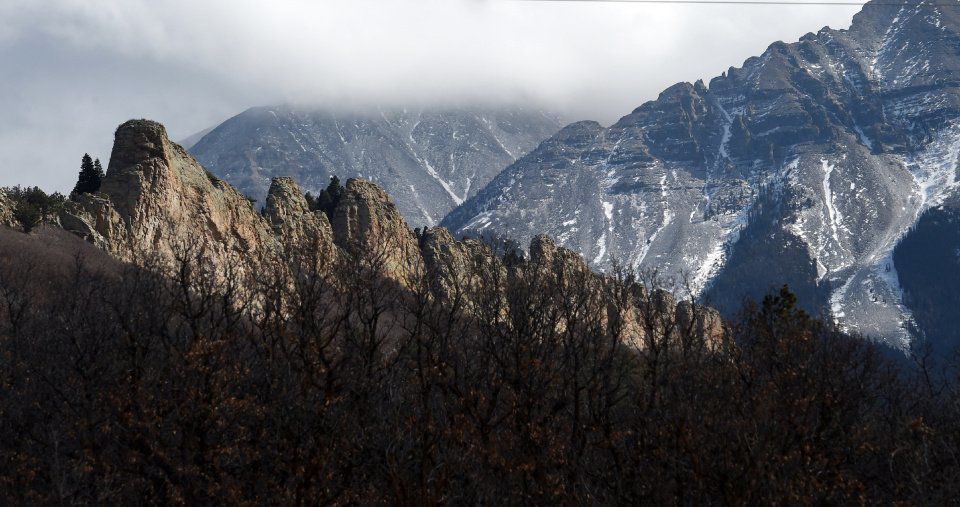
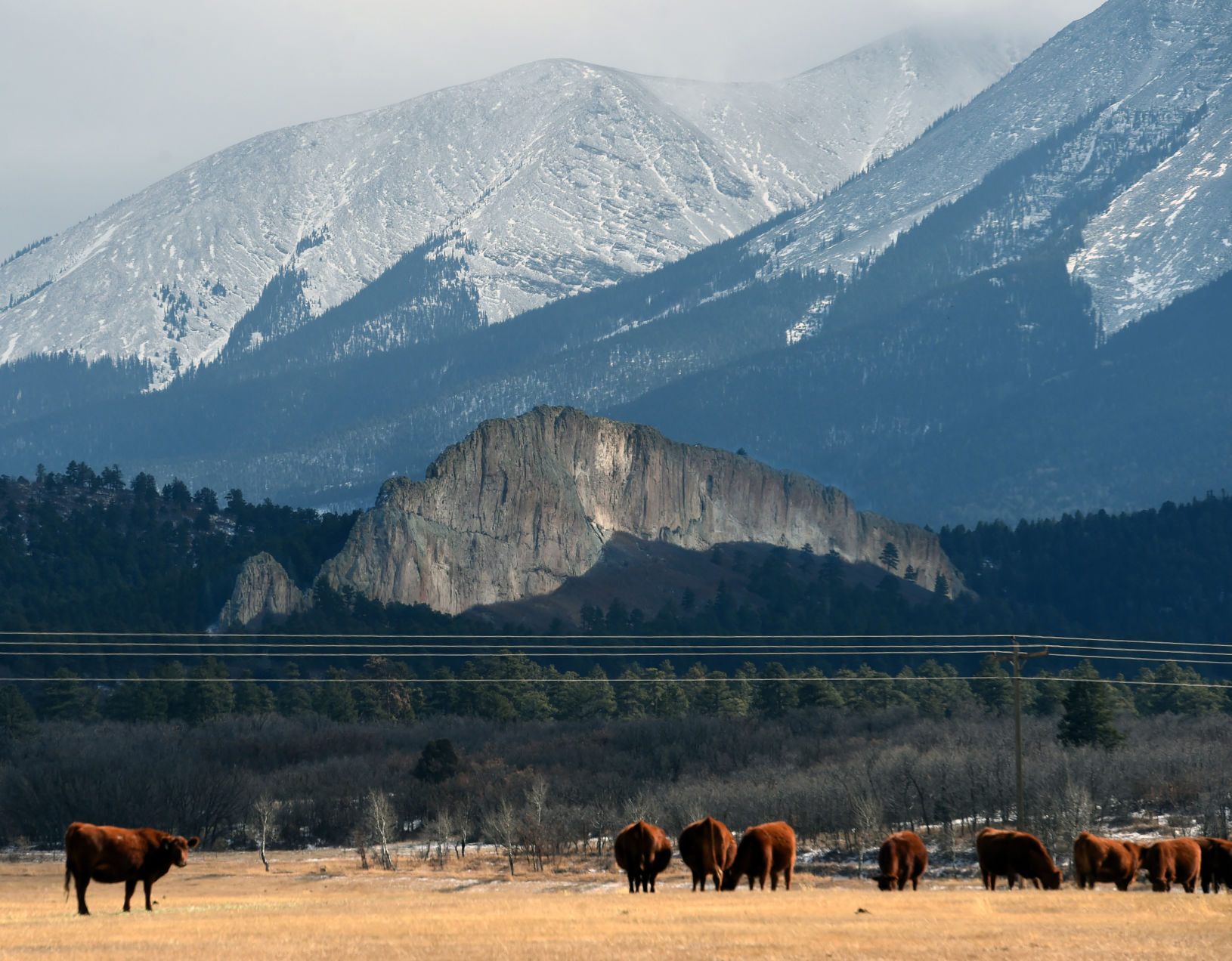
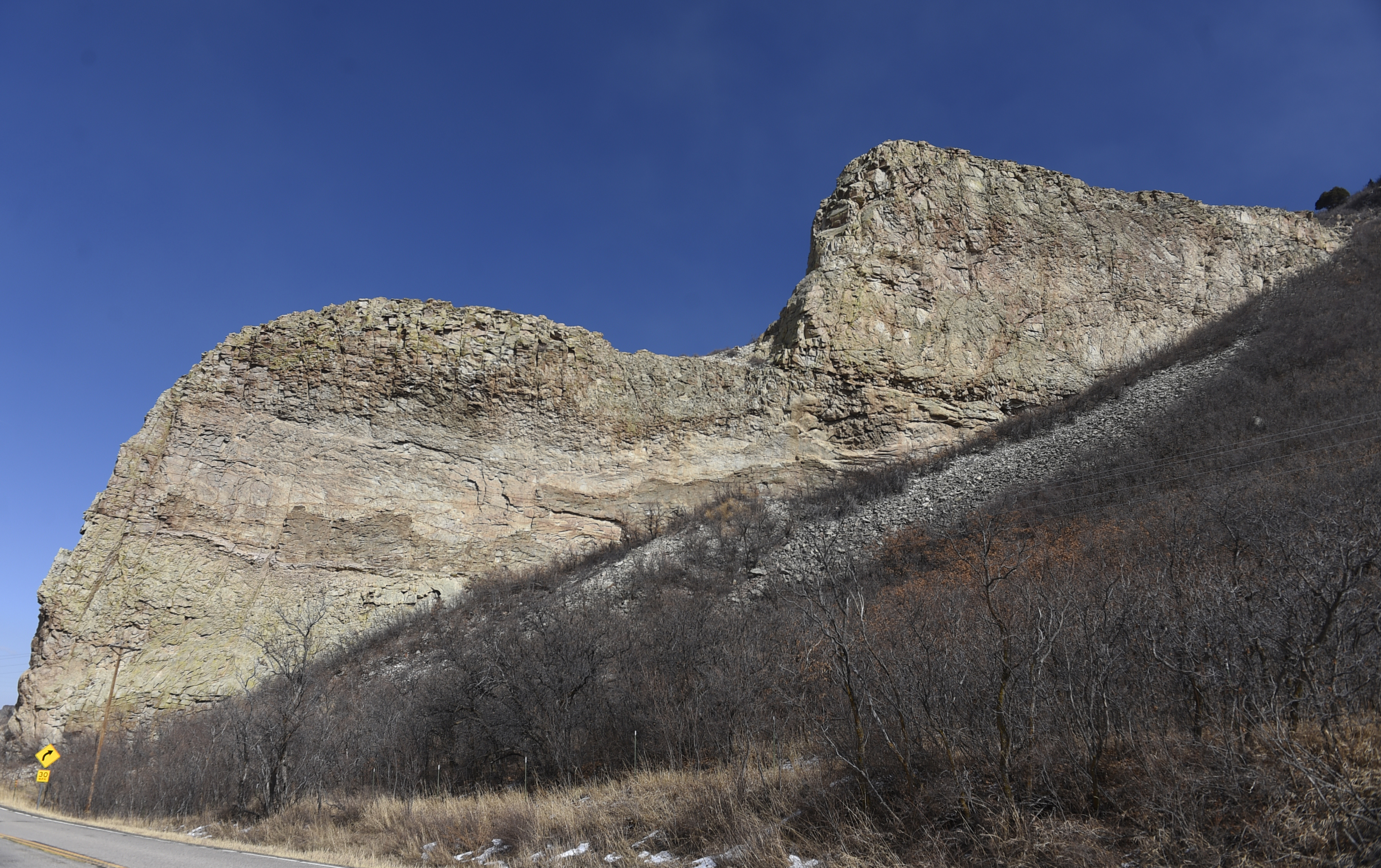
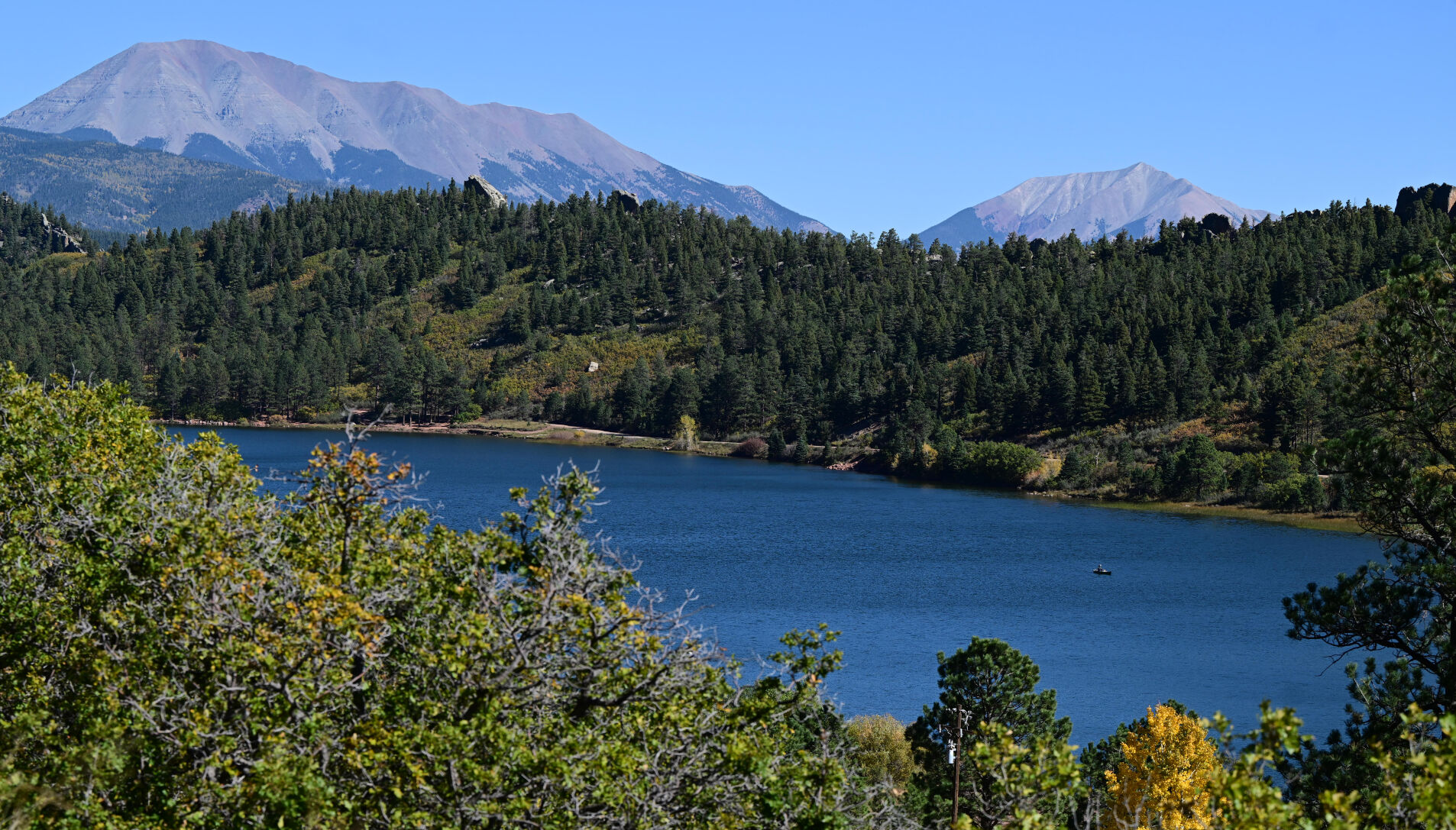
Francisco looked out to the Spanish Peaks, the twins soaring above 12,000 feet, and to the lacework below: rocks like standing giants and dragon spines, radial dikes that would foretell legends of today.
Francisco built a fort here in 1862. In those days of Mexican territory and encroaching America driving out tribes, the base would be a supply center and waystation.
Now Francisco Fort is a museum. Anne Stattelman is the staffer inside, a relative newcomer to La Veta who finds herself diving deep into the stories of Colorado’s most storied land on the edge of the San Luis Valley.
“Rich and multifaceted are words that come to mind,” Stattelman says, contemplating how to characterize all she’s learned.
She’s quiet in thought here between some of the oldest walls in town.
“You think things are one way, and they are not,” she says.
The Cuchara Valley, about 110 miles southwest of Colorado Springs, offers a contemplation of Colorado past and present. Of “racially exclusive notions of politics, economics and family,” as historian David Beyreis wrote of Manifest Destiny in “Blood in the Borderland,” chronicling William Bent, another pioneer behind another central fort. And of notions defining our civilization now: growth, disparity and nostalgia, or some sense of it — whatever ideas make us think of home and hold fast to it.
First, the present.
The everlasting view, paradise enough still.
“The quietness and the beauty,” says a longtime resident up the road from La Veta.
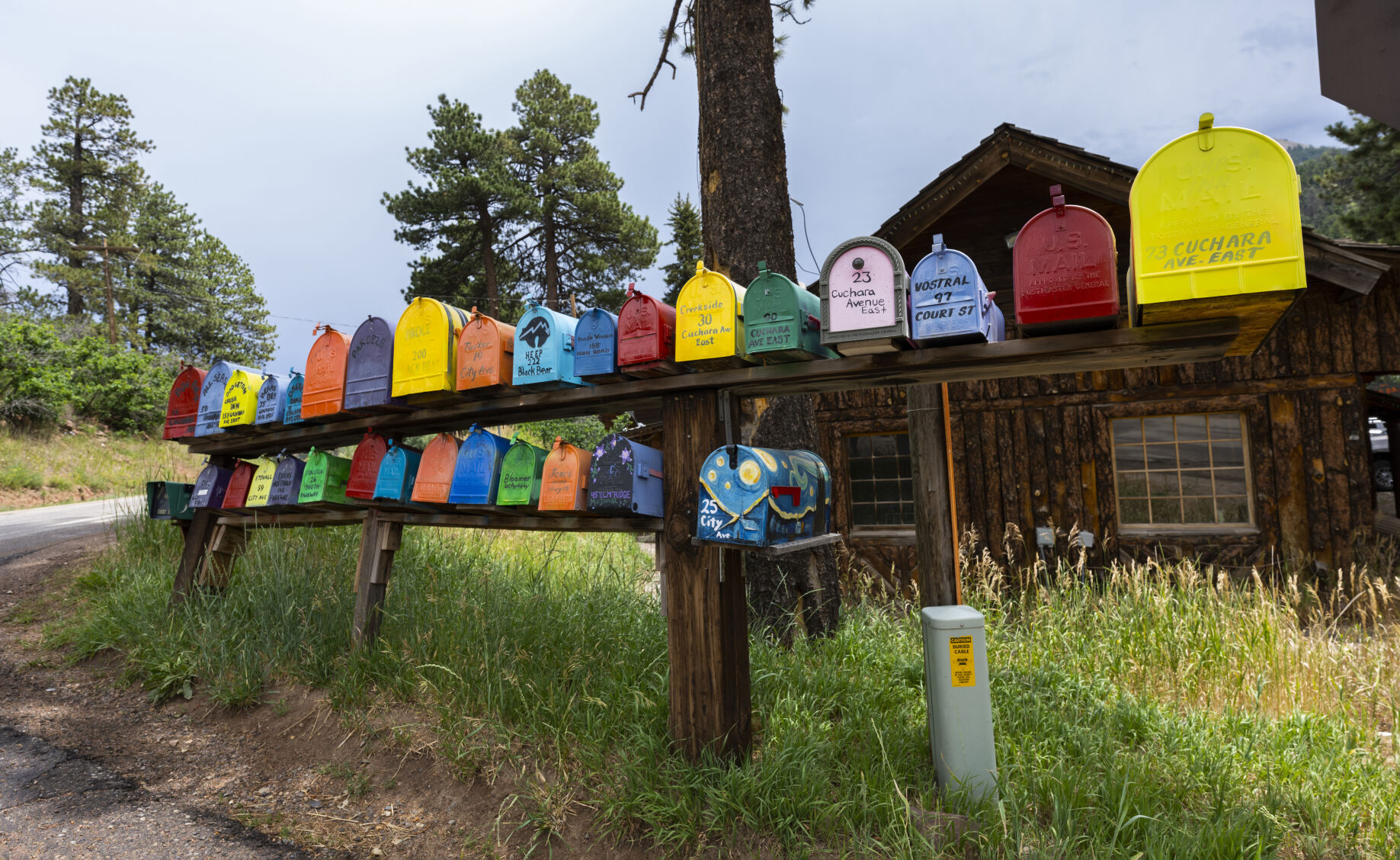
That’s what has kept Melissa Fassiotto in Cuchara, where her family first came in the 1920s. A lot of families like hers, from Kansas, settled in cabins here during that time. Many others came from Texas and Oklahoma.
And so they come today, their license plates appearing to outnumber ones from Colorado in the summertime. They’ve seen little change around Cuchara, where a river runs through the forest and butterflies and hummingbirds dance in grassy meadows.
Though, not long ago, another restaurant opened next to the staple Fassiotto owns, the Dog Bar and Grill. The new place came with a curious name: Cuchara Yacht Club.
On the contrary, “There’s nothing fancy that goes on here,” Fassiotto says. “It’s more of that quiet, sit on the deck, go fishing and go hunting kind of place.”
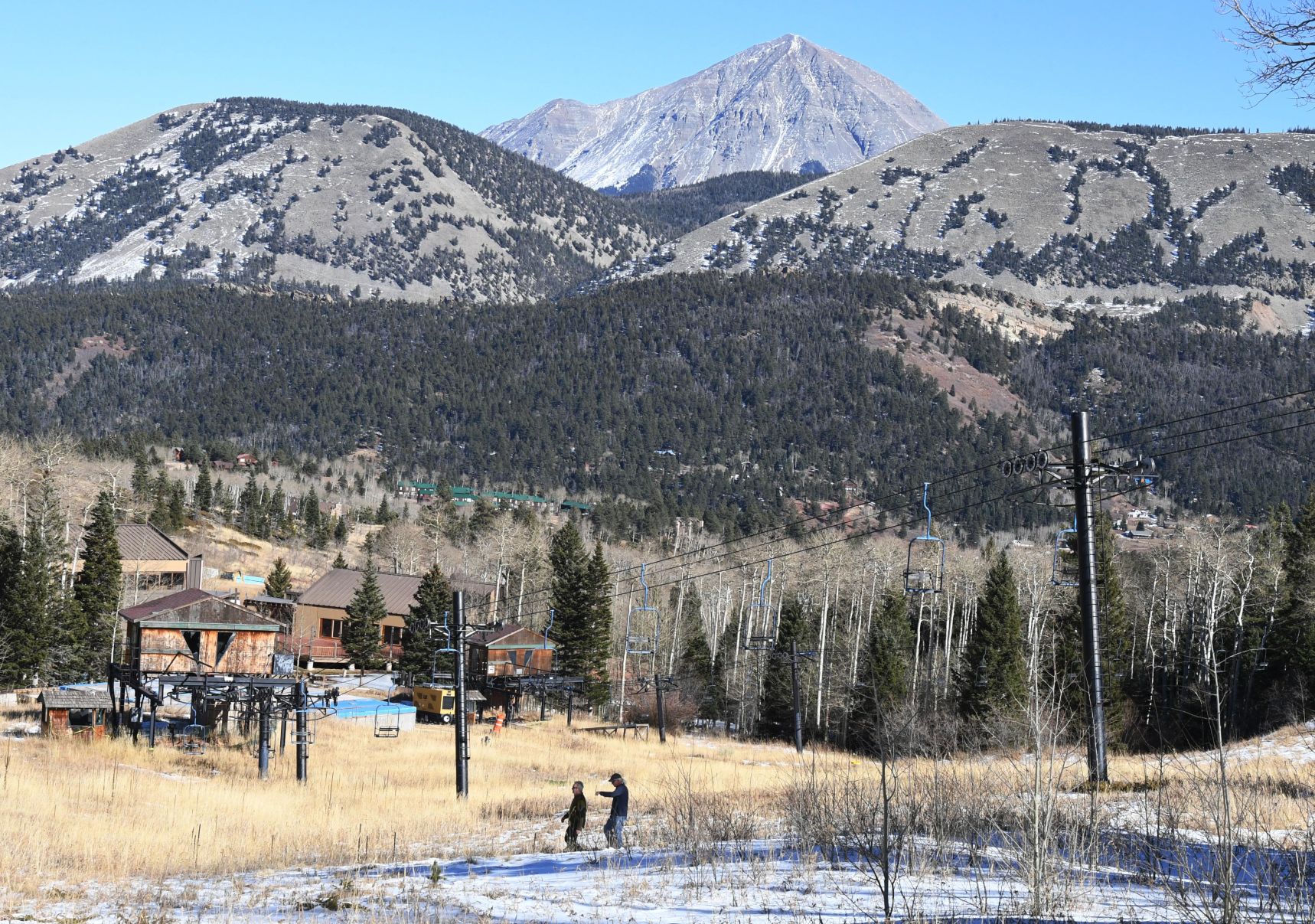
Nothing fancy, insist people trying to revive the ski area nearby.
The yearslong development at Cuchara Mountain Park, like so many developments in Huerfano County, has been slow and hotly debated. Emotions range from excitement to skepticism and anger.
The ski area started in 1981, swapped hands several times and died in 2000. Operators left behind a trail of hurt and broken promises — investments of money, land and water gone to waste.
Why dredge up the past? many ask.
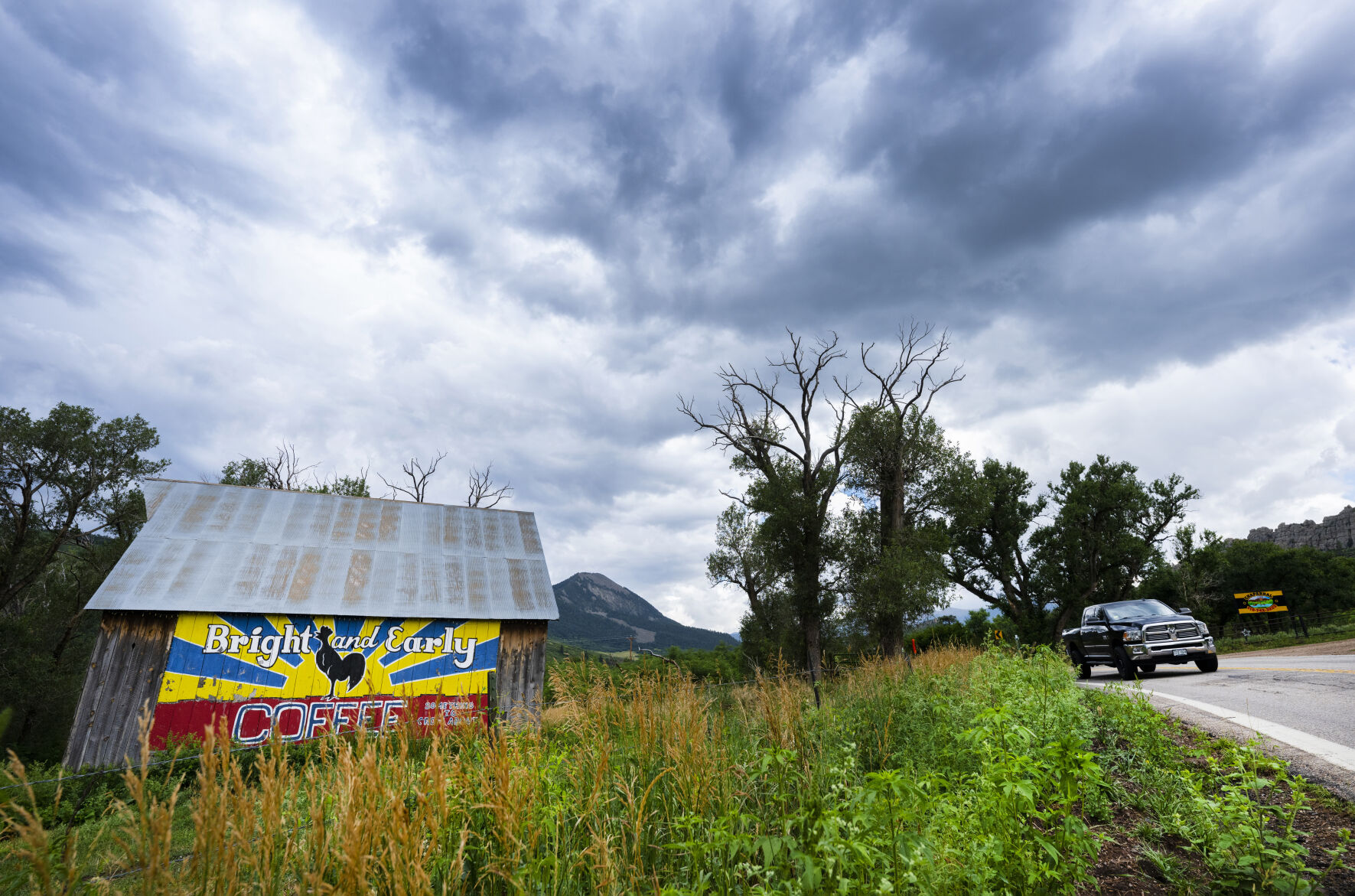
But local nonprofit organizers continue to voice their vision for something much different, something much smaller in scope and geared toward community. Dave Steffan, for one, is a fan.
He’s been in the valley all his life — long enough to know the need for jobs and economic drivers and excursions for area youth. Closer to the old family ranch in La Veta, Steffan has watched another development welcome and unwelcome depending on who you ask: the revival of the golf course.
“The key is responsible and moderate development,” Steffan says. “We don’t want people to come in here and try to be the next thing. Something like Aspen or whatever, and people get rolled under the bus.”
People are priced out less than 20 miles away.
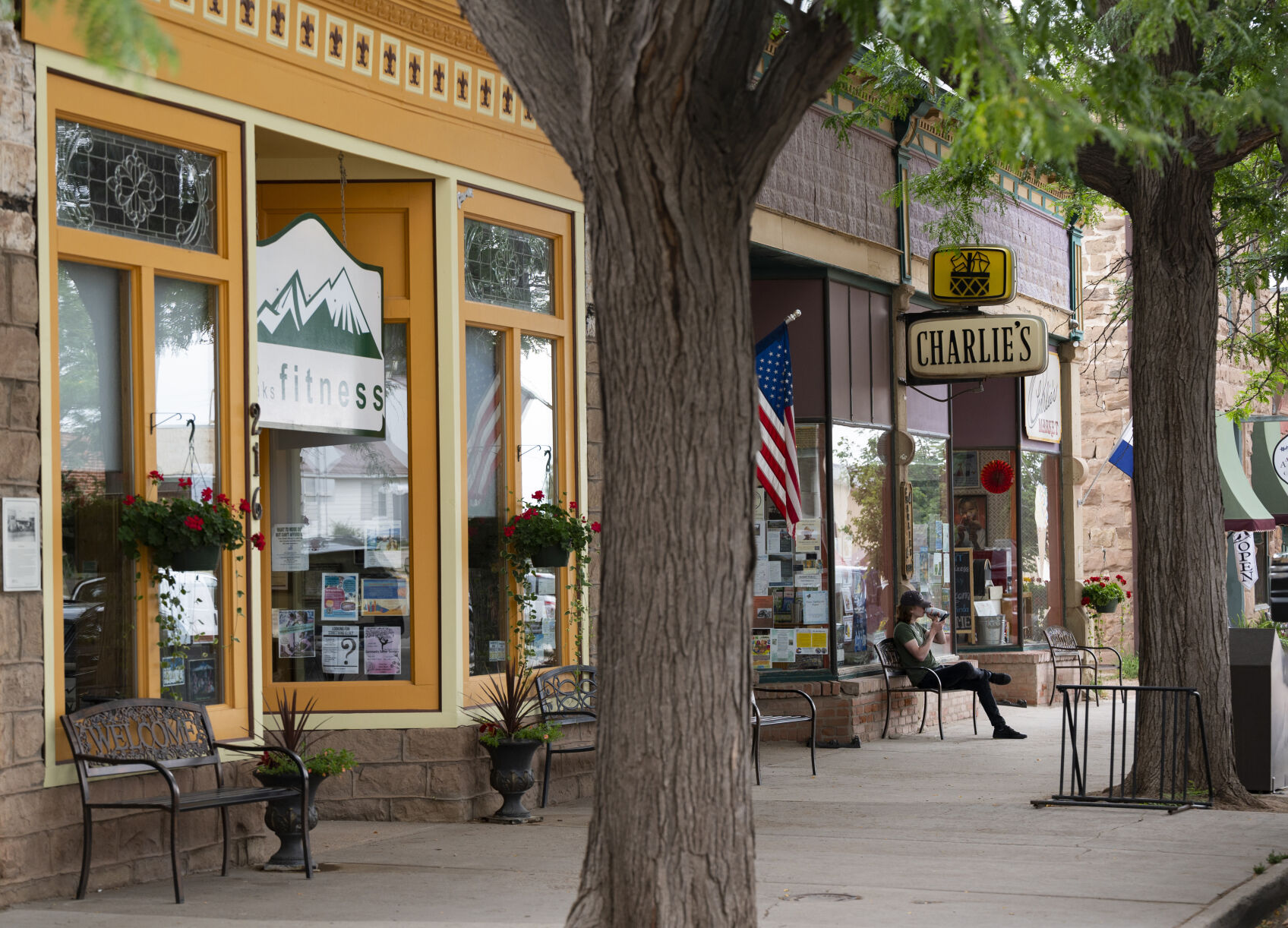
Up U.S. 160 from Walsenburg, the county seat, La Veta and Cuchara can feel like a world away. With its vacant and boarded-up storefronts, it can seem Walsenburg fits the name of the county — Huérfano, Spanish for “orphan.”
The Spanish Peaks create “this beautiful little basin here,” Steffan says, that “makes it feel like you’re in a big hug from the mountains.” And, yes, seemingly far away from the poverty and addiction that has plagued Walsenburg since the coal bust.
The geography underscores a deep divide.
“The joke is, How do you get a house to quadruple in value? You move it 1,000 feet up,” Steffan says. “A house that’s $100,000 in Walsenburg will be $300,000 in La Veta and will be half a million or more in Cuchara.”
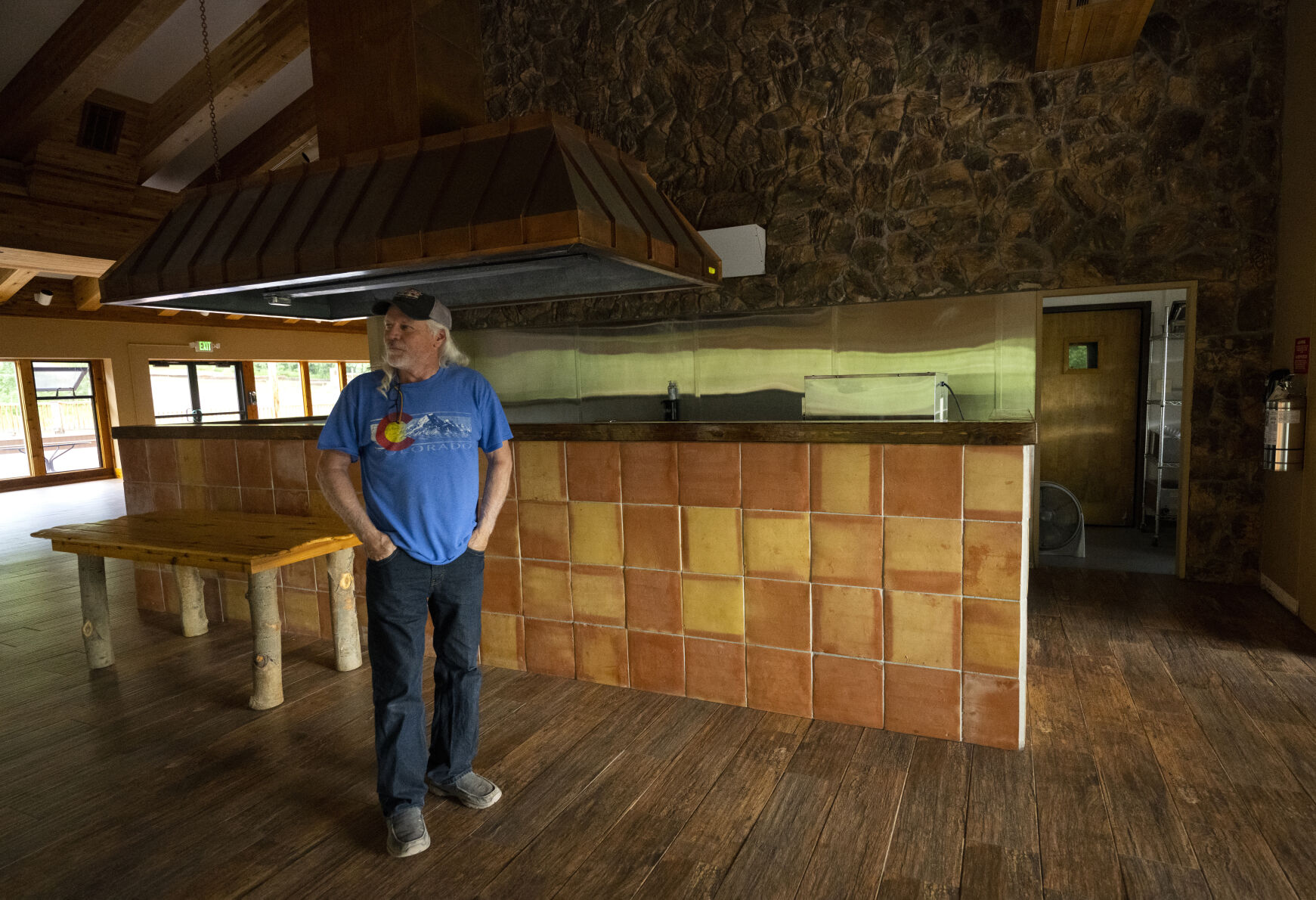
Can marketing the mountains lift up the community abroad? Chris Smith has been part of the Cuchara Mountain Park team that likes to think so.
Smith oversees the ski area’s renovated lodge. He’s been busy booking weddings and special events. He’s seen the reactions from unsuspecting visitors, awe-struck amid the beauty.
“They can’t believe it,” he says. “They never knew this was here in this part of the state.”
It confirms how Smith and fellow residents feel about their home. “We feel like hidden Colorado,” he says.
Which explains the fervor around attractions, says Bob Kennemer. He’s been involved with regional tourism for close to 40 years, including initiatives that saw the Highway of Legends become recognized in 2021 as a National Scenic Byway.
Spanning the high country between La Veta and Trinidad, the highway is a showcase of the geology that, from Kennemer’s understanding, was once thought worthy of federal protection.
“I like to say we’re lucky we live in an area that’s national park quality without a national park or monument designation,” Kennemer says.
The highway, too, is a showcase of the region’s tall tales. You can download an audio tour and hear all about the Devil’s Stairsteps, about gods residing in the rocks, about warring giants and crying chiefs forming a lake.
It has been said Huajatolla is an Indigenous term for the Spanish Peaks meaning “breasts of the Earth.” The linguistic validity has been questioned as much as any other legend. Stories have been traced to an early white settler who some say had a penchant for peyote.
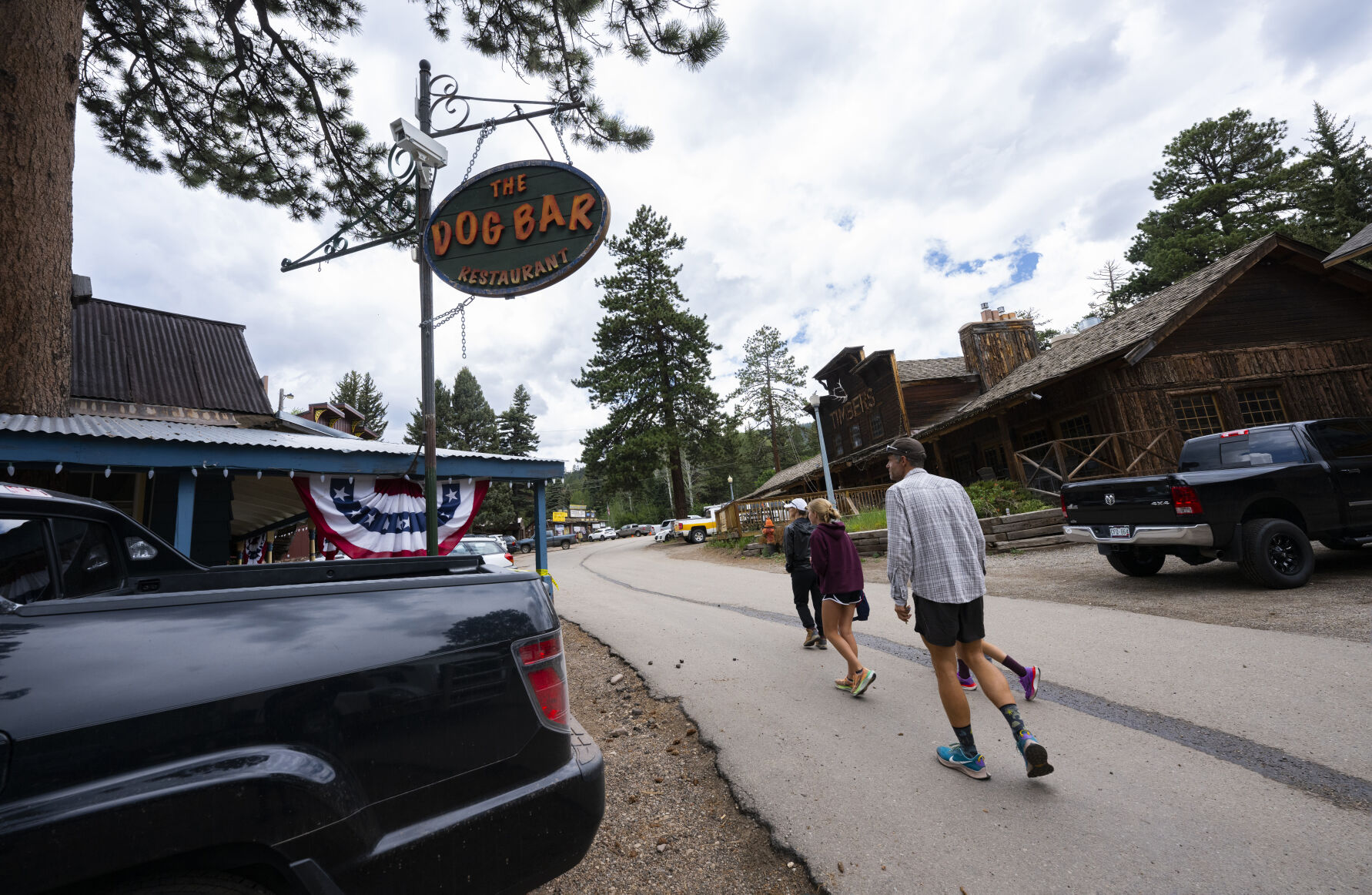
Separating fact from fiction has been the task of La Veta’s de facto historian. Nancy Christofferson, 78, has been around most of her life.
“The town is not really easy to research,” she prefaces in a book, “La Veta: The First 40 Years.”
The book was the result of newspaper accounts, records and Christofferson’s conversations over the decades with born-and-raised locals whose relatives were early settlers. The earliest would’ve known La Veta as one reporter found it in 1876: “the liveliest camp in Colorado today.”
Gen. William Jackson Palmer’s Denver and Rio Grande Railroad arrived that year ahead of the coal boom. The railroad marked La Veta’s next-most important arrival, by Christofferson’s telling. The first, of course, was John Francisco, who claimed the honorary title of colonel as he built his fort.
“I can’t imagine. Just out in the middle of the field,” says Steffan, a former history teacher. “Then 14 years later a town grows up around you, and the railroad comes right to your front yard.”
That reporter in 1876 found the fort boss to “wear his honors with becoming modesty.” Francisco would be remembered as “a courtly old Southern gentleman” in his obituary.
Christofferson chuckles at the rosy remembrance. “He was indeed Southern,” she says.
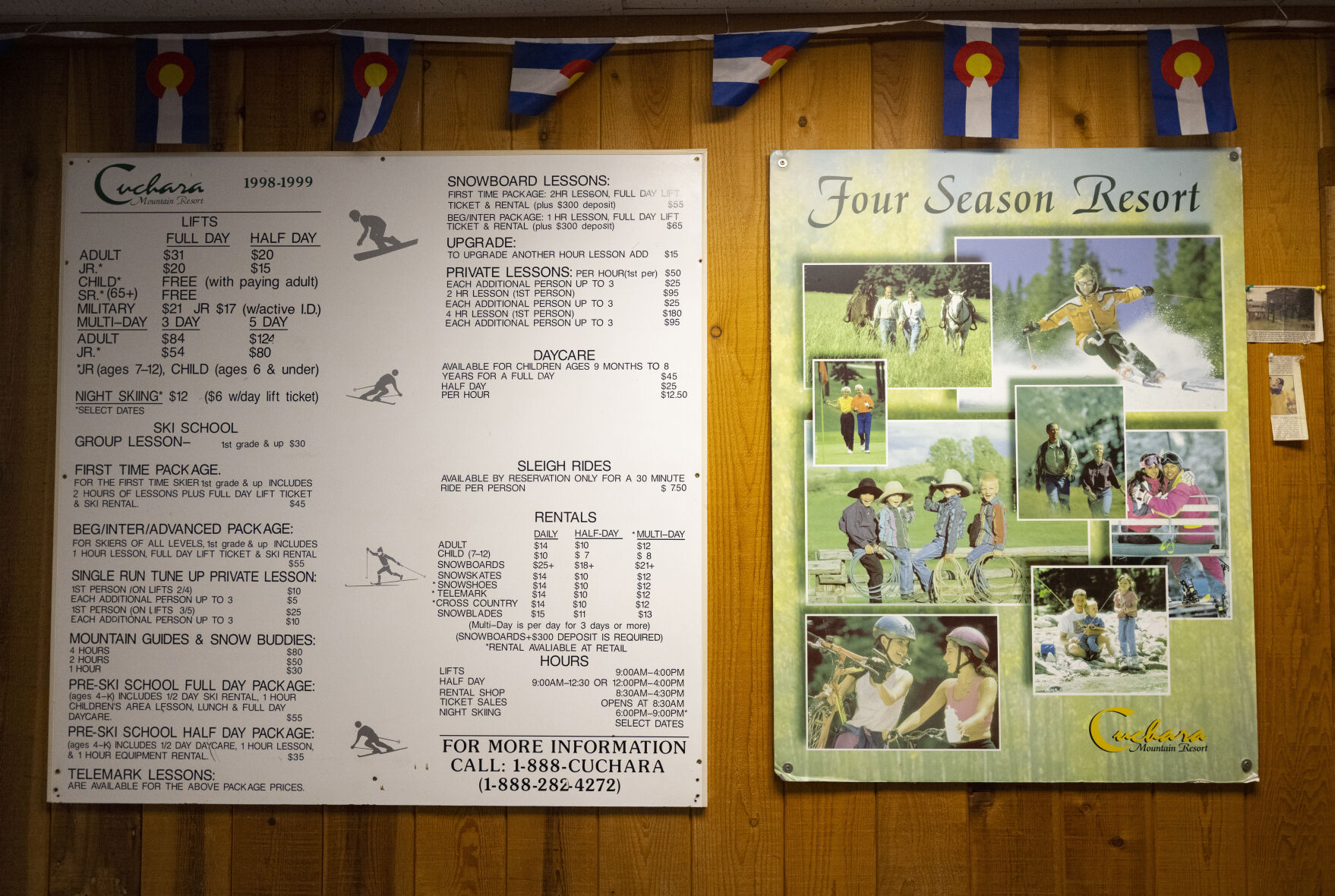
He was born in Virginia, a man of the Confederacy like men of the “Georgia colony” that Christofferson has noted for helping shape La Veta. She thinks Francisco was less than chivalrous, judging from what she researched and learned while working at the museum.
Beyond two referenced in his will, “there must have been a lot more children, judging from the descendants who have visited,” Christofferson once wrote. “They are Black and white, English and Spanish speakers, from near and far.”
Or maybe that’s another story told.
“That sounds like hearsay to me,” Steffan cautions.
He knows his land of legends to be a diverse land: Steffan’s great-great grandfather came from Germany in 1870, while others from Italy, Slovenia and Asia came for the mines as well, joining and clashing with Hispanic people who long herded sheep. (La Veta is Spanish for “the vein,” which historians suspect referred to a vein of yaso, a material early people used for adobe.)
Kennemer, who also worked in the museum, has gathered La Veta was no place for people of color to be for decades. But he found a progressive side when he moved here in the 1980s: a hippie commune preaching peace and love in the idyllic countryside.
“Peace, love, rock ‘n’ roll, that’s all still evident in our area I would say,” Kennemer says.
Christofferson would say otherwise.
Asked what’s changed in her 50 years here, she gives one word: “Greed.” A certain enterprise has her flustered.
At one time, “you won’t believe it, we had one real estate agent,” she recalls. “Now I couldn’t tell you how many we have. Everything’s for sale.”
Call her old and grumpy. Call it Hidden Colorado, but she doesn’t expect it to be that for long.
Maybe more will come for the ski area. Maybe more will come to golf. Maybe more will come and others will be pushed out.
Whatever the changes, no matter her frustrations, Christofferson doesn’t plan on leaving anytime soon.
“Every morning I get up, the first thing I do is open the curtain and look at the West Spanish Peak,” she says.
She recalls a familiar phrase: “It’s paradise enough for me.”





Get OutThere
Signup today for free and be the first to get notified on new updates.
PREV
PREVIOUS

Man accused in Boulder King Soopers shooting won't undergo another competence evaluation
A Boulder judge said the man accused for the 2021 King Soopers massacre will not undergo another medical evaluation for his mental fitness to stand trial. Instead, the court will hold a hearing intended for the judge to decide if the defendant is competent to move forward in his case. The next court date, called […]

Food stamps: Texas SNAP payments for September worth up to $1,691 begin in three days
The Supplemental Nutrition Assistance Program in Texas will begin its September payments worth up to $1,691 in three days. SNAP payment amounts in Texas depend on the household size of recipients — single households receive $281, and eight-member households receive $1,691, according to the Texas Health and Human Services Commission website. Families larger than eight […]