







Public defender: Boulder firebomber’s federal case in possible jeopardy if family is deported
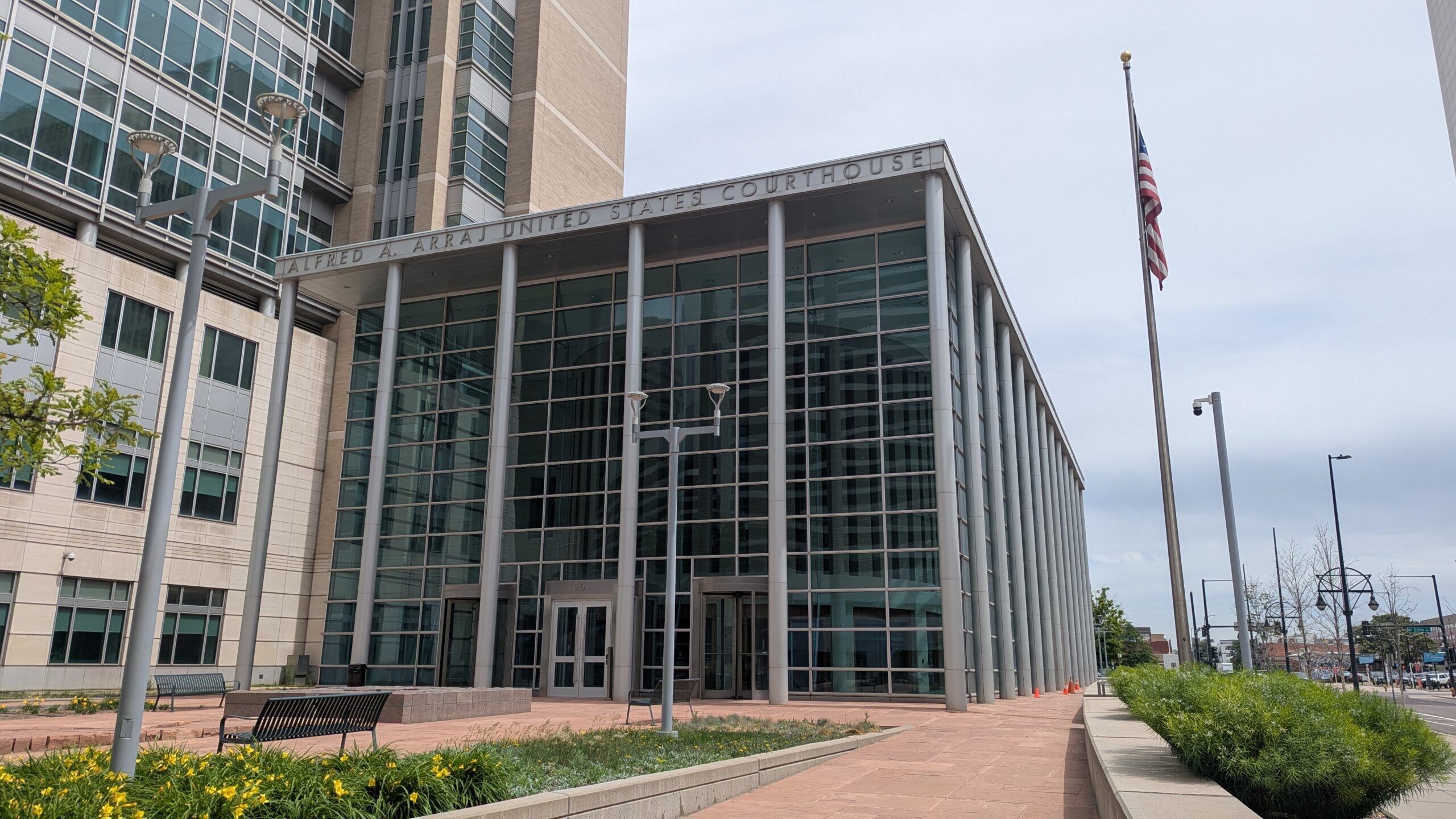
DENVER — As one side of the federal government pushes for the deportation of the El Gamal family, its judicial branch is raising concerns of how that could impact the Boulder firebomber’s federal hate crime case.
Attorneys on both sides of Mohamed Soliman’s federal case gathered at the Alfred A. Arraj U.S. Courthouse on Friday to continue their conversation over the possibility of a death penalty for the defendant and what ripple effects could come from the deportation of his now reportedly estranged Colorado Springs-area family.

Assistant Federal Public Defender David Kraut argued before the court that the family could lend in the defense of Soliman, and their deportation would complicate the matter.
Soliman, an Egyptian national, was arrested shortly after the June 1, 2025, attack against Jewish demonstrators at Pearl Street Mall in Boulder. The 46-year-old was sentenced to 2,128 years in state prison for killing a woman and injuring 29 others. Soliman pleaded guilty to the crimes and asked for the death penalty in his federal case.
According to Kraut, the deportation of the El Gamals could lead to constitutional-rights violations of Soliman because they could be called upon to testify for a possible trial.
The complication derives from what happens after a hypothetical deportation.
Judge John Kane said the court has no idea what country the family could be deported to, and it could be one that doesn’t recognize U.S. jurisdiction and wouldn’t allow the family to come back for trial, which will likely happen if the prosecution pursues the death penalty.
Because of this, Kane asked the prosecution and defense to work together to prevent Soliman’s Fifth, Sixth and Eighth Amendment rights from being violated.
There are many outcomes that could come from any potential rights violations. These include a mistrial, a dismissal of charges or an overturning of any conviction, according to the Cornell Law School.
Melissa Hindman, a prosecutor with the U.S. Attorney’s Office, told the court Friday that their office could not guarantee the family’s stay in the country for the sake of the federal case.
Court documents show that the federal office asked Immigration and Customs Enforcement to hold off on deporting the family until Kane decides how impactful the action would be, but the agency replied that they would make no guarantees.
Kane called the looming deportation case a “sleeping elephant” and said he would not tolerate the executive branch interfering with judicial functions. He said he would consider issuing an order preventing the family’s deportation if ICE takes them back into custody.
“We’re closer to chaos in our system than we’ve ever been before, and I’m trying to avoid that,” Kane said.
Hindman said virtual testimony could be a possible substitute, but Kane raised concerns over technological issues and whether such testimony is a proper way to pursue justice.
Before the defense considers the virtual alternative, Kraut said they need to have a chance to view more evidence through discovery. But that takes time, and the family’s deportation case puts them on a deadline.
According to Hindman, attorneys in the family’s case told her the El Gamals wouldn’t be removed for at least 30 days from Friday due to a back-and-forth exchange of motions between the two parties.
After that, there are many unknowns ahead of the possible trial for Soliman, which federal records show is slated for December but could be delayed if more motions are filed.
The family could appeal any removal order, which would take up more time, or they could be deported, which ICE has already attempted.
The Department of Homeland Security first detained the El Gamals in the days after the attack in Boulder, when they were sent to a ICE facility in Dilley, Texas. That night, the Trump administration posted on social media about six one-way tickets for “Mohamed’s Wife and Five Kids. Final Boarding Call Coming Soon.”
Ever since, the family, which moved to the country on B-2 visas in 2022, then filed for asylum after they expired, has been in a legal battle with the government to prevent their removal.
There’s also still a chance for a plea deal, which would resolve the dilemma.
In August, Soliman offered to plead guilty in his federal case and accept a sentence of life in prison, but the government has not decided whether to accept the plea because the death penalty is also being considered, according to a motion filed in the federal case. He faces 12 federal hate crime counts.
Kane gave both sides a month to finalize their positions before they reconvene in court on June 29, when the judge is expected to rule on the merits of the potential rights violations and if the death penalty could be applied in the case.