







Rockies pitchers deal with mental challenges of Tommy John surgery rehab
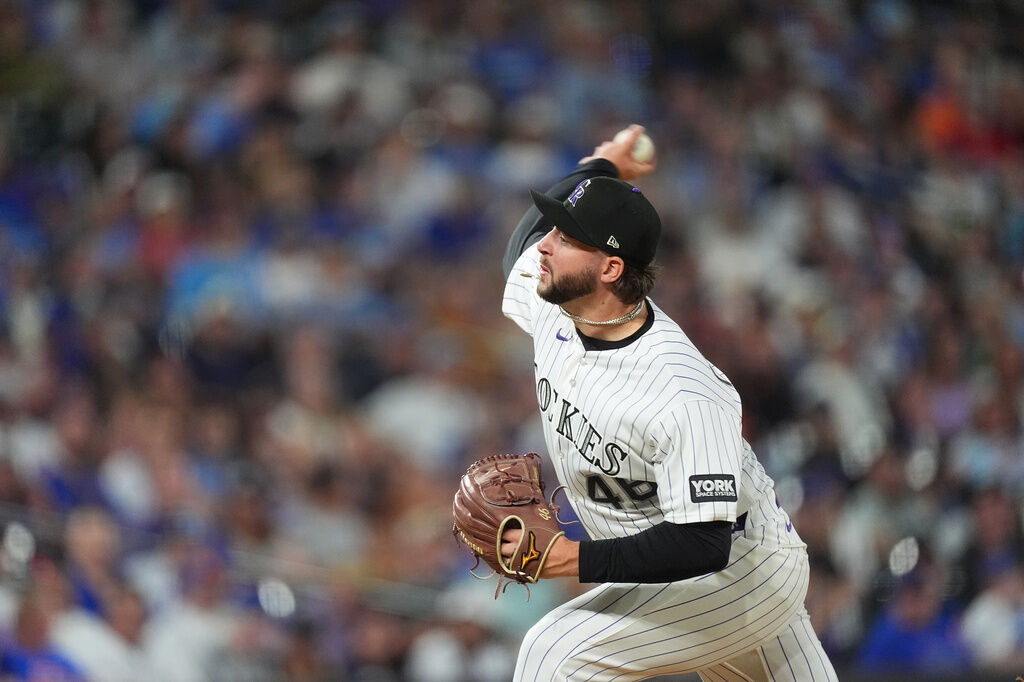
Rockies pitcher Jeff Criswell was hoping not to hear the three words that every pitcher dreads.
It was late in spring training in 2025 when Criswell said he began to deal with “super bad forearm tightness.” Fairly healthy until that point in his career, Criswell went through all of the tests and imaging needed to see what was happening in his right elbow.
“Some guys deal with flexor problems and I was thinking maybe that was going to be me because the problem was right in that area,” Criswell recalled. “I thought maybe worst-case scenario I would have a flexor strain and I would be back in a couple of weeks.”
The test results, however, took the worst-case scenario to a whole new level. To pitch again, Criswell would have to have his ulnar collateral ligament (UCL) repaired. In common terms, Tommy John surgery was in his future.
As described on the Johns Hopkins website, “UCL reconstruction is a surgery commonly used to repair a torn ulnar collateral ligament inside the elbow by replacing it with a tendon from elsewhere in the body. The goal of the surgery is to stabilize the elbow, reduce or eliminate pain and restore stability and range of motion. This procedure was introduced and first performed by Frank Jobe, M.D., on baseball pitcher Tommy John in 1974 — hence the colloquial name Tommy John surgery.”
Having Tommy John surgery is an immediate stoppage in any pitcher’s short-term plans. It’s an invasive procedure that keeps pitchers from returning to game action for roughly 18 months. Pitchers who have gone through the process admit it can be up to two years before they feel completely normal again.
In the career life span of an MLB player, that time frame can seem like an eternity. However, pitchers don’t go through the procedure alone. A support system of current and former players is there to help any pitcher who faces the surgery. According to the American Medical Association, since the first Tommy John procedure in 1974, more than 1,000 professional pitchers have undergone the surgery. It’s also estimated that 25% to 35% of all active pitchers have had the procedure at some point in their careers.
“This is long and tough enough as it is. There’s a personal side of it, a mental side of it and we’re very aware of life, because it’s not easy,” said Rockies Major League rehab coordinator and assistant athletic trainer Scott Murayama. “It is a grind, and when they get the surgery, they know they’re going to be rehabbing this for two years. We say, yeah, you can get back in games in a year or 18 months, but everyone’s recovery isn’t the same. It is the better part of two years before they really show up, and they go, “I can just be a pitcher now.’”
It’s the rehab away from the spotlight that can be the most grueling and taxing for any MLB pitcher. It’s time often spent away from teammates with the training staff checking in to make sure the work is being done.
“It’s hard to understand. I don’t necessarily understand it,” Rockies manager Warren Schaeffer admitted. “What you go through when you get hurt like that and go through Tommy John surgery, you’re by yourself a lot. You’re rehabbing where people aren’t playing baseball. You’re away from all of your friends. It’s a really tough go.”
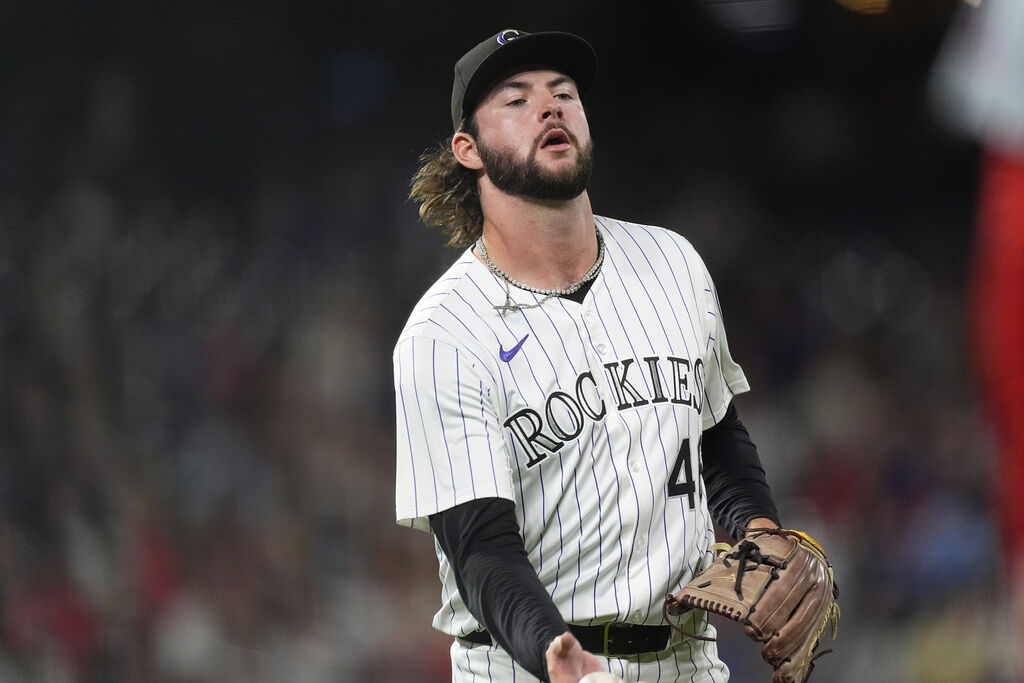
While it may be tough, there is a level of trust involved on both sides during this time that everyone is working toward the same goal. There’s also an understanding that milestones must be met along the way if the pitcher is ever going to return to form.
“There are a bunch of different personalities. Some you have to push and motivate, some you have to hold the reins back and some are like, “OK, just tell me what to do,’” Murayama said. “From our side, the biggest thing is making a connection with them, if not personally, professionally and just have trust.
“So we have daily communication. They express how they’re feeling and their thoughts, and we express ours and, just like everything else in baseball, every day it can be an adjustment. That’s where that connection helps, because we understand you don’t have to like it, but you have to think it’s best and you have to think this is the right thing for you long term. That’s what we’re looking at.”
Criswell, who is currently pitching at Triple-A Albuquerque, said his way of attacking rehab was simple.
“What can I do today? That’s the big question I asked myself,” Criswell said. “It’s pretty scripted out for the first 12 to 15 months.”
Criswell said the first eight weeks are spent in a brace with getting full range of motion back becoming the first hurdle to overcome. Upper body lifting can start in month five or six, followed by light catch.
“It gives you something to work toward,” Criswell said. “For me, that was really good. I wanted to have my stuff planned out. It’s rewarding to see things moving forward and knowing you’re in the process.”
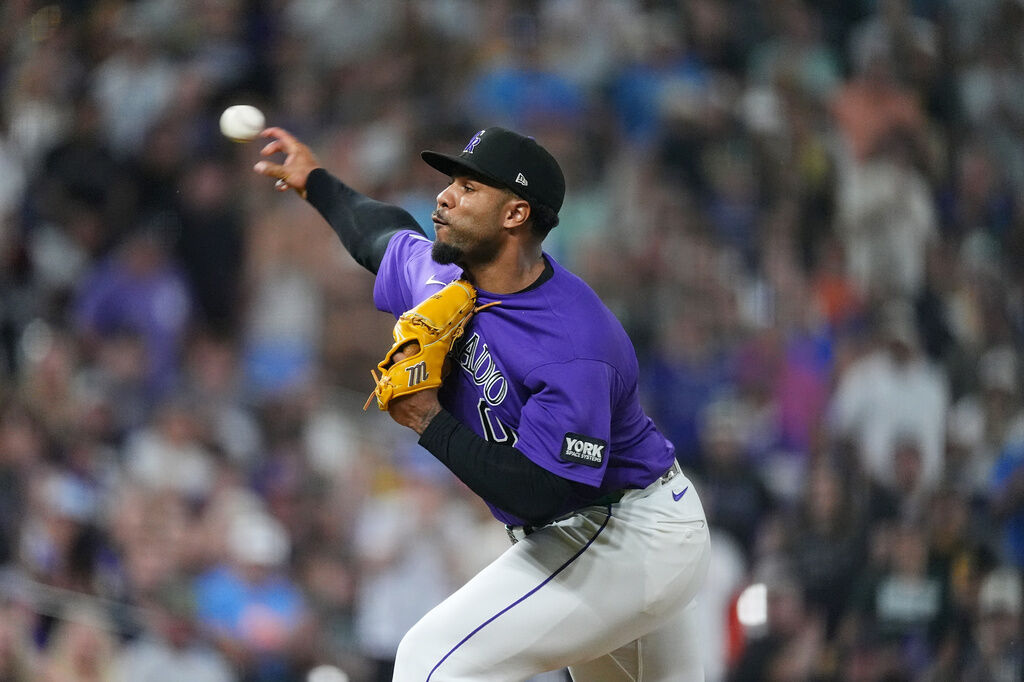
Fellow Rockies reliever Jaden Hill underwent Tommy John surgery in April 2021, just months before Colorado selected him with the 44th pick in that year’s MLB draft. After impressing at LSU and Baseball America calling him a potential top-five pick before the surgery, having Tommy John meant he was heading into his professional career with a question mark.
“The uncertainty of it was tough for me mentally,” Hill admits. “I had my friends and my family, and my support system was a key for me during that time.
“Once I was drafted, I rehabbed and met a lot of great guys who were older than me. We were all kind of in the same spot, so we were able to bounce ideas off each other and that really helped me the most.”
Hill and Criswell have returned from their surgeries and both say they don’t think about what might happen when they step onto the mound. They also say they will be there for support when Rockies pitcher Chase Dollander undergoes his surgery.
“The thing about the surgery is that each guy’s experience is different,” Criswell said. “Some guys deal with different things that others will never go through. That’s why it’s good to have a support system to let you know, ‘Yeah, I’ve felt that before and it’s OK.’”
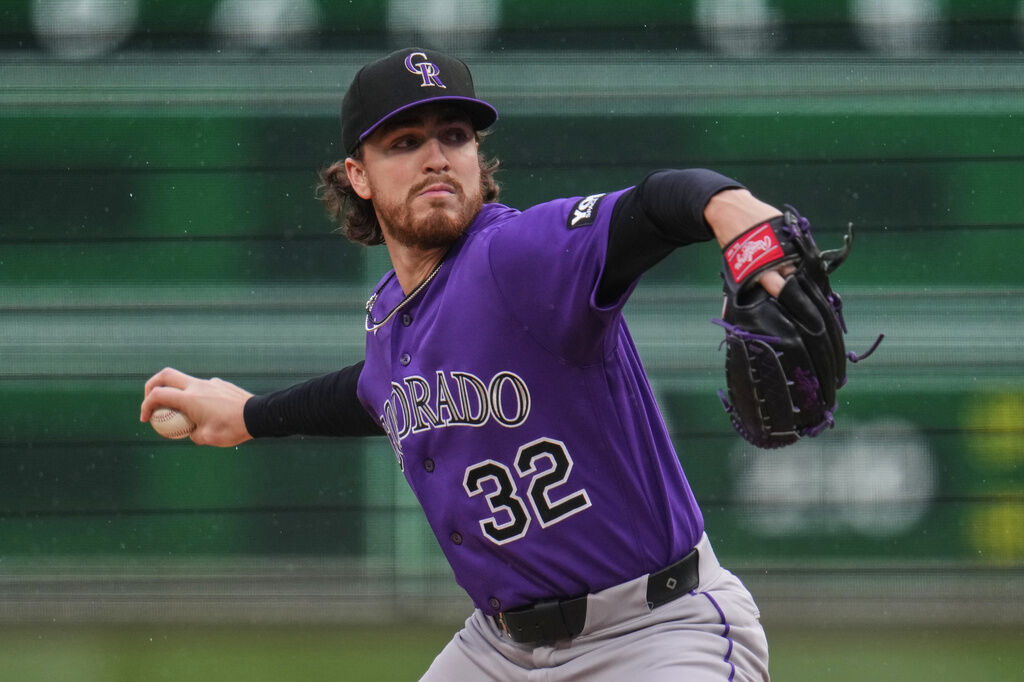
Pirates 8, Rockies 6
What happened: After falling behind 8-1 after seven innings, Colorado rallied with five runs in the final two frames to keep the game close. However, serving as the tying run in the bottom of the ninth, Willi Castro grounded into a double play to end the game and secure the only win of the three-game series for Pittsburgh.
On the mound: Michael Lorenzen held the Pirates scoreless for the first three frames, but Pittsburgh’s offense found its rhythm over the next four innings against him and Rockies reliever Juan Mejia. The right-handed reliever gave up four runs over 1 2/3 innings, marking the second time in June a team has touched him for four runs during his appearance.
At the plate: TJ Rumfield hit his 12th home run of the season in the eighth inning, a three-run shot off Pittsburgh’s Dennis Santana. The rookie has blasted five home runs over his last 11 games since June 10 and finished the series against the Pirates going 4-for-10 at the plate, with two of those hits being long balls.
What’s next: Colorado opens a three-game home series against the Boston Red Sox on Monday night by sending Ryan Feltner (2-2, 5.05 ERA) to the mound. Boston will counter with Jake Bennett (1-3, 4.79 ERA).