







Tag: Justice Richard Gabriel
-
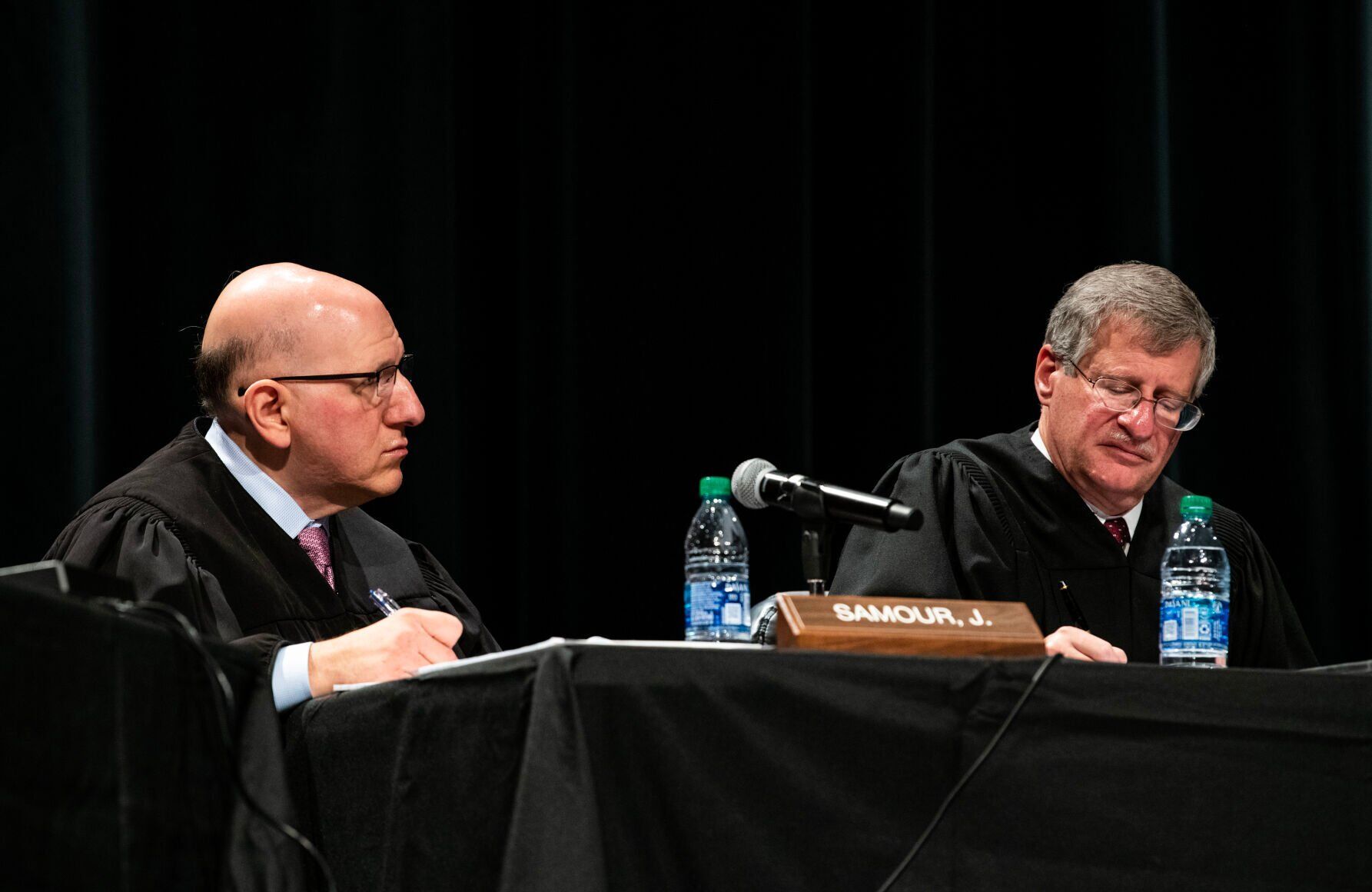
Colorado justices concerned about retrying defendant after jury signaled acquittal
Some members of the Colorado Supreme Court appeared uncomfortable on Tuesday with allowing a criminal defendant to stand trial a second time after a Larimer County jury signaled it was deadlocked on some counts but had found him not guilty of the more serious charges. Omar Alexander Mena stood trial last summer for three counts…
-
Appeals judge asks Colorado Supreme Court to once again clarify magistrate rules
A member of Colorado’s second-highest court urged the state Supreme Court last week to revise confusing language in the rules governing magistrates, less than two weeks after an attempted cleanup of the rules took effect. Magistrates are judicial employees who are not judges but who handle aspects of cases in the trial courts. Litigants may consent…
-
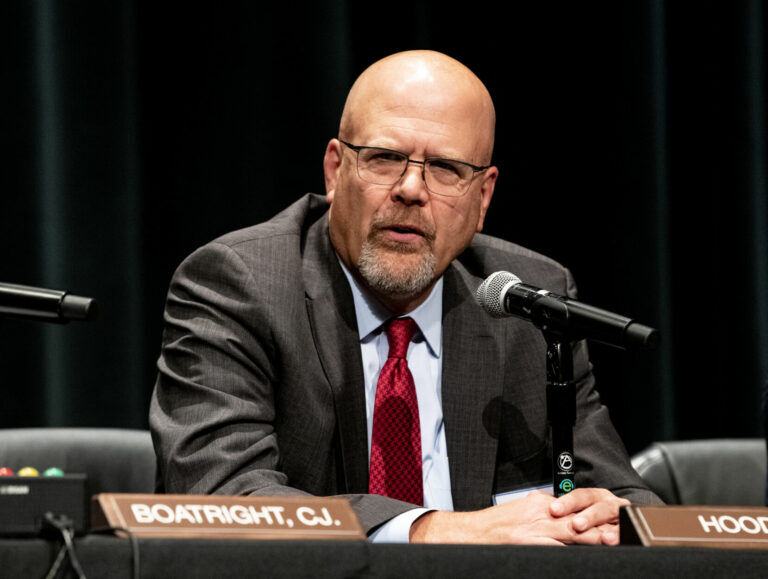
Colorado justices clarify procedure for defendants to access DNA analyst’s criminal file
The Colorado Supreme Court ruled on Monday that trial judges may order Jefferson County prosecutors to disclose information related to the criminal prosecution of a DNA analyst accused of misconduct, but defendants seeking those files cannot rely on the order alone to gain access. Yvonne “Missy” Woods is a former Colorado Bureau of Investigation DNA…
-

Justice Melissa Hart to step down from Colorado Supreme Court
Justice Melissa Hart will step down from the Colorado Supreme Court effective Jan. 5, the Judicial Department announced unexpectedly on Friday. Hart has been on an unexplained and unusual leave of absence from the court since Oct. 28. She told Colorado Politics in November that the leave was for “family and personal health reasons” but provided no…
-

Colorado justices splinter over approach to sentencing review
Members of the Colorado Supreme Court were divided on Monday about whether vehicular homicide stemming from intoxicated driving is “grave and serious” in every possible scenario, with two justices suggesting the court reconfigure its approach for determining the proportionality of criminal sentences. The Eighth Amendment’s prohibition on cruel and unusual punishment means sentences cannot be…
-
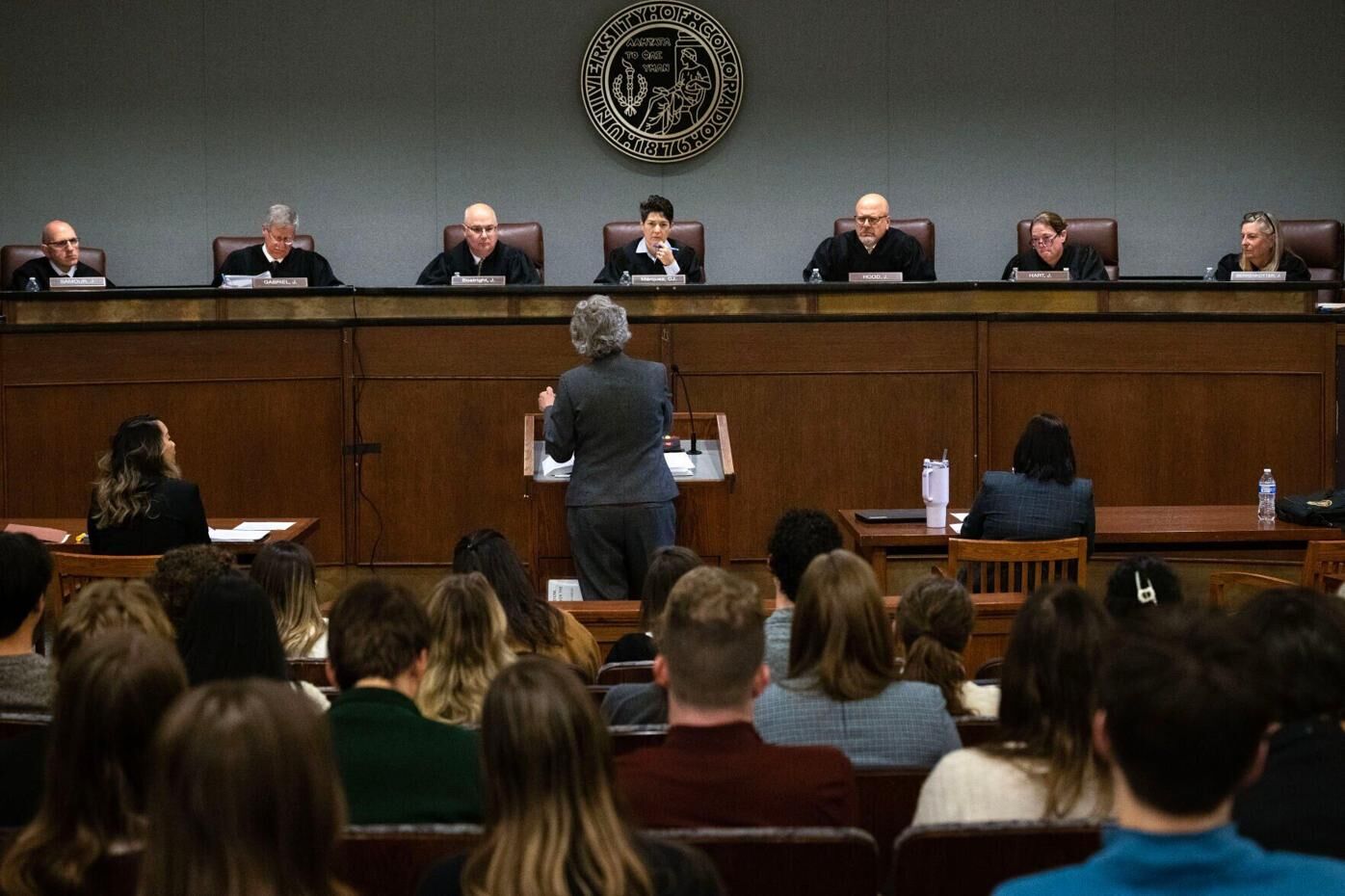
Colorado Supreme Court to examine whether corporations can be liable for ‘felonious killing’
The Colorado Supreme Court recently announced that it will determine whether corporations can be liable for a “felonious killing,” meaning there is no limit to the damages they might pay for pain and suffering after causing a wrongful death. At least three of the court’s seven members must agree to take a case on appeal.…
-
Colorado justices ponder scope of law curbing insurers’ ability to allege failure to cooperate
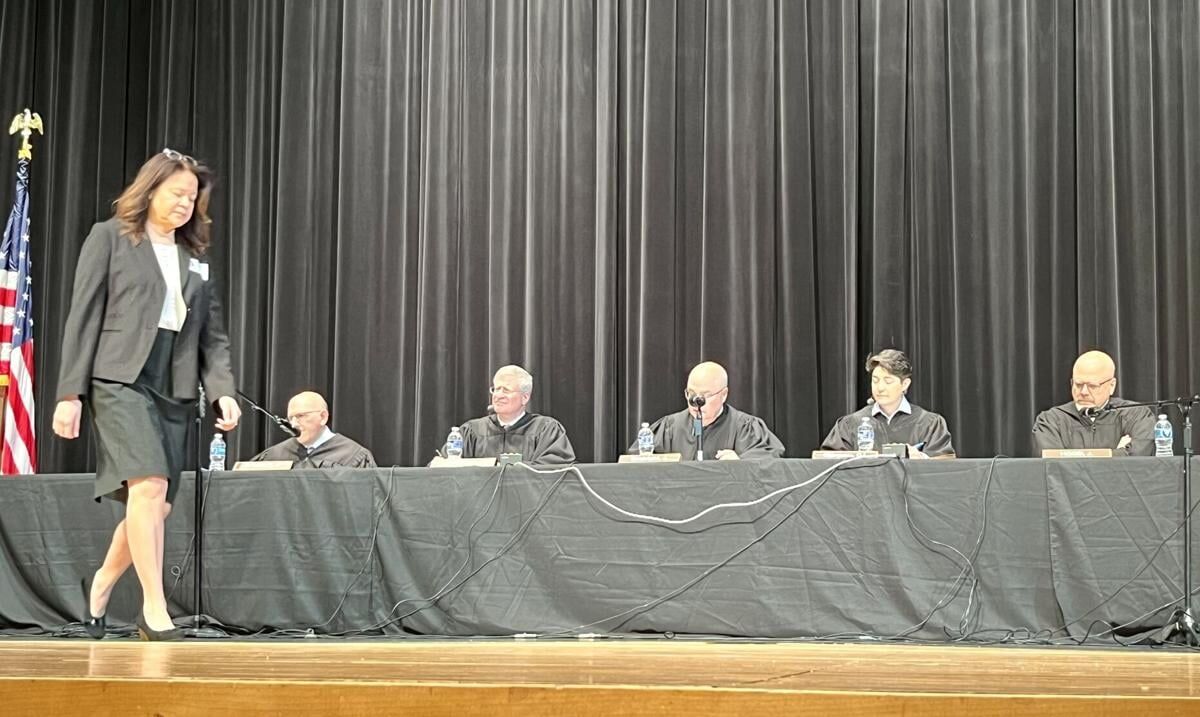
Members of the Colorado Supreme Court pondered a question last week that could have sweeping ramifications for those making insurance claims: When the legislature required insurance companies to take certain steps before accusing policyholders of failing to cooperate in an investigation, do those protections apply to every request an insurer might make? Leading up to…
-
Colorado justices receptive to allowing lawyers to ‘borrow’ allegations from elsewhere
Members of the Colorado Supreme Court seemed open on Tuesday to the idea that plaintiffs’ lawyers can use allegations made elsewhere to bolster their own clients’ claims, so long as the attorney first performs some degree of investigation into the “borrowed” assertions. Under Colorado’s rules for civil cases, attorneys must attest that the complaints they…
-
Colorado justices skeptical that Colorado Springs is immune to crash caused by faulty signal
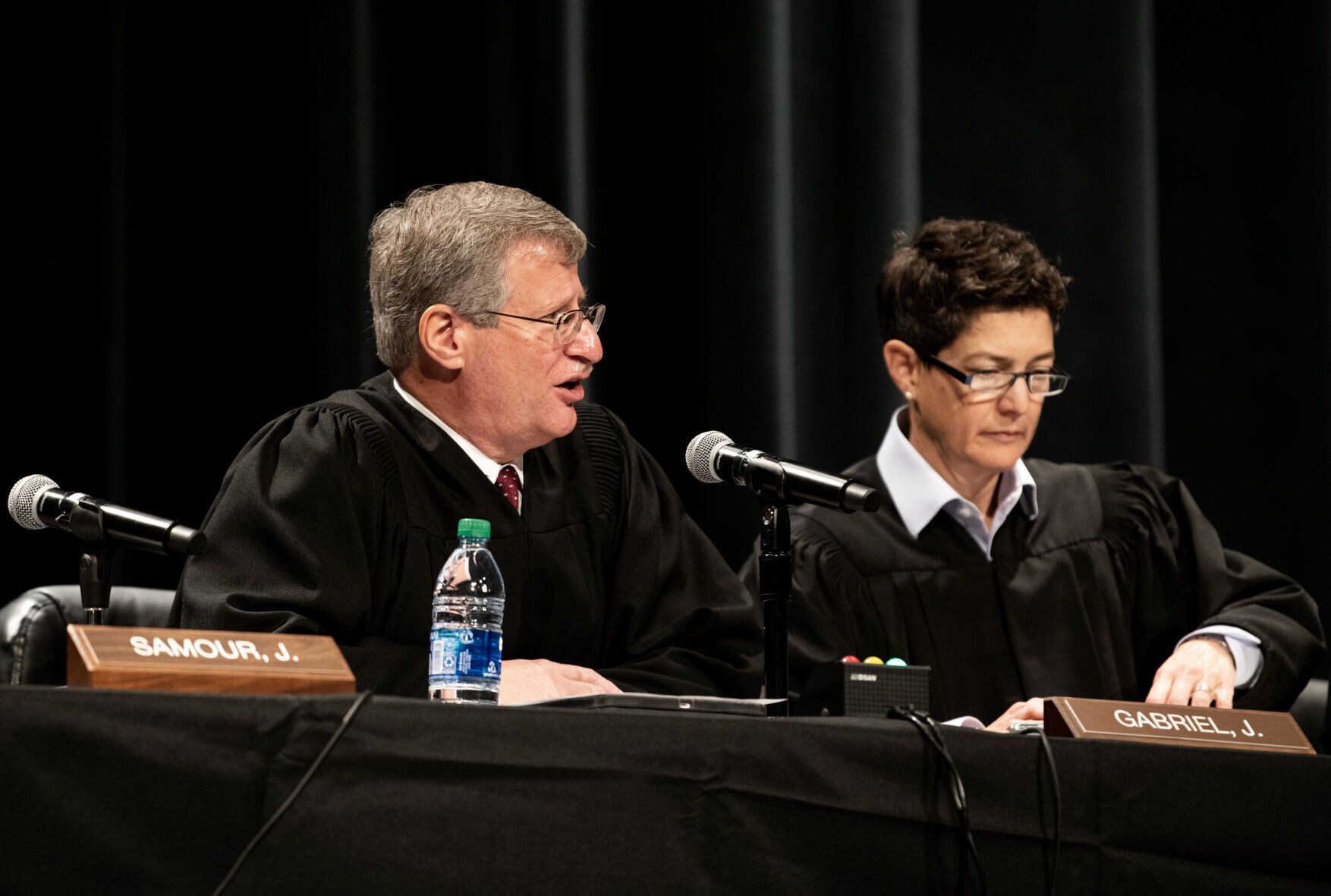
Members of the Colorado Supreme Court seemed doubtful on Wednesday that the city of Colorado Springs cannot be sued over a collision that occurred as a result of traffic lights that were functioning normally in one direction, but were inoperative in the perpendicular direction. Construction was occurring at the intersection of South Tejon Street and…
-
Colorado justices address conflict between anti-SLAPP law, state constitution
Colorado lawmakers in 2019 created a mechanism to quickly dispose of lawsuits over conduct that implicates a person’s First Amendment rights, specifically the rights to free speech and to petition the government. Known as the “anti-SLAPP” law, which stands for “strategic lawsuits against public participation,” the legislature provided that when a judge rules on a motion…