







The Denver Gazette’s municipal water provider map
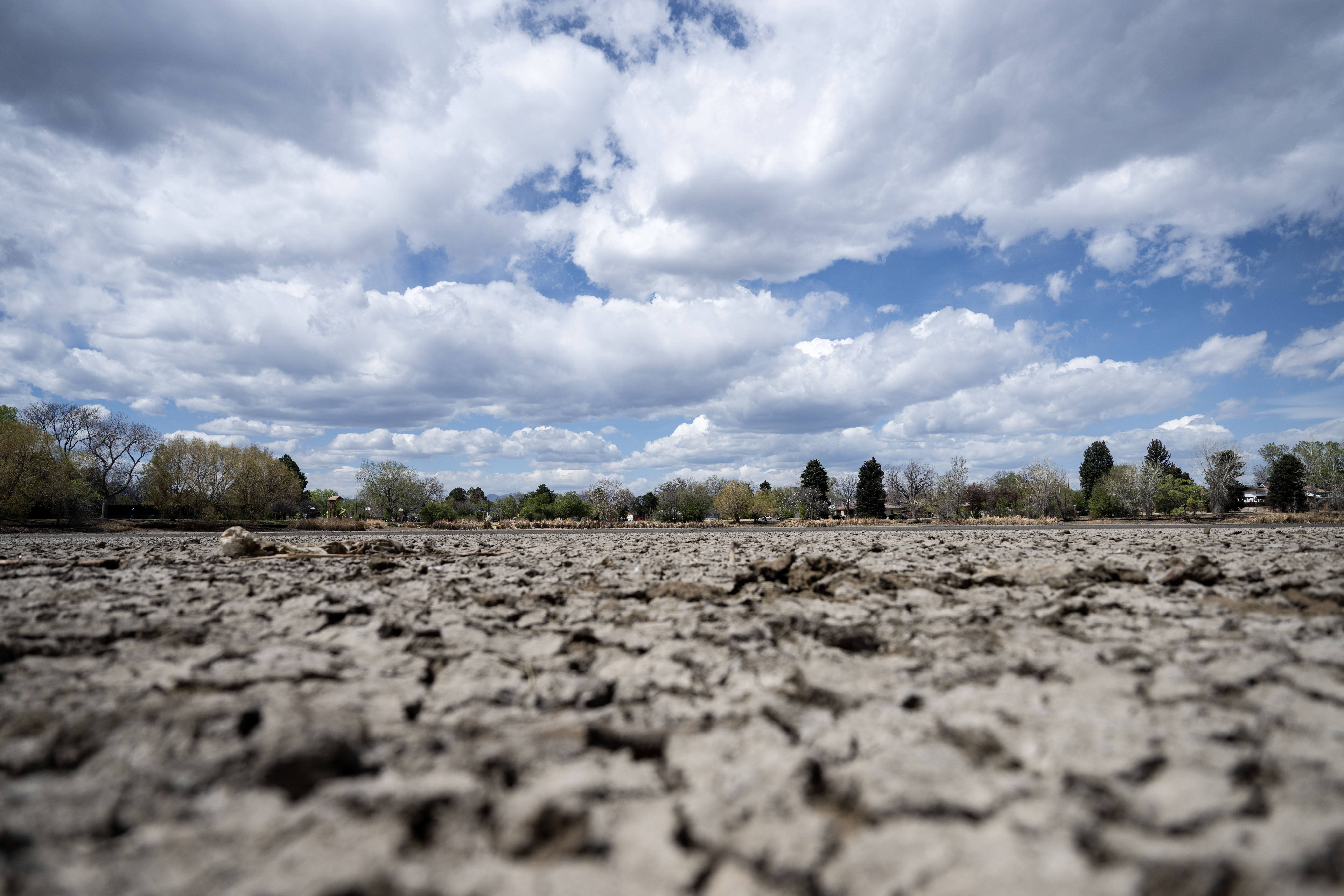
Colorado just experienced one of the worst winters in recent memory. Historically low snowpack has contributed to a more limited surface water supply throughout the Front Range than usual, prompting several metro Denver water providers to implement significant drought restrictions.
In conjunction with its 2026 drought coverage, the Denver Gazette created an interactive map to show where Denver-area water providers source their water from — and how much those waterbodies have been impacted by the lack of snowfall and overall precipitation through the first half of the year.
To filter through the different municipalities, click or tap the list of water providers on the left side of the screen. To explore any of the sources in greater detail, zoom in and click or tap the highlighted water structure.
The Denver Gazette’s ongoing coverage of the drought can be found at this link.
This resource was last updated on June 18. Further updates are expected.
Data sourcing and methodology
The interactive map above was created through the combination of several public datasets, including state water rights data from Colorado’s Decision Support Systems (CDSS) as well as waterbody and flowline polygons from the U.S. Geological Survey’s National Hydrography Dataset (NHD).
Additionally, the municipal water authorities featured on the map provided the Denver Gazette with information about their public water sources, including the names and/or unique identifiers of specific water structures.
Utilizing both the geographic and legal information contained within the dataset, the CDSS was used to bridge the gap between the location-based NHD polygons and the water structure IDs provided by each municipality.
Only surface water rights are illustrated on this map, as underground wells and aquifers are less susceptible to seasonal shifts in precipitation. Many municipalities had additional rights to subterranean water sources that are not depicted on the graphic above, and some of the surface water rights attributed to a given municipal provider on the map are seldom, if ever, used.
All information within the map is used with the courtesy of Esri, the U.S. Geological Survey, the state of Colorado and all included municipalities and counties.
Editor’s Note: Claude AI was used for research and instruction throughout the work on this project. It never directly accessed the source data, nor did it create any of the visualizations.