







Trump’s wise pick for the 10th Circuit | Jimmy Sengenberger
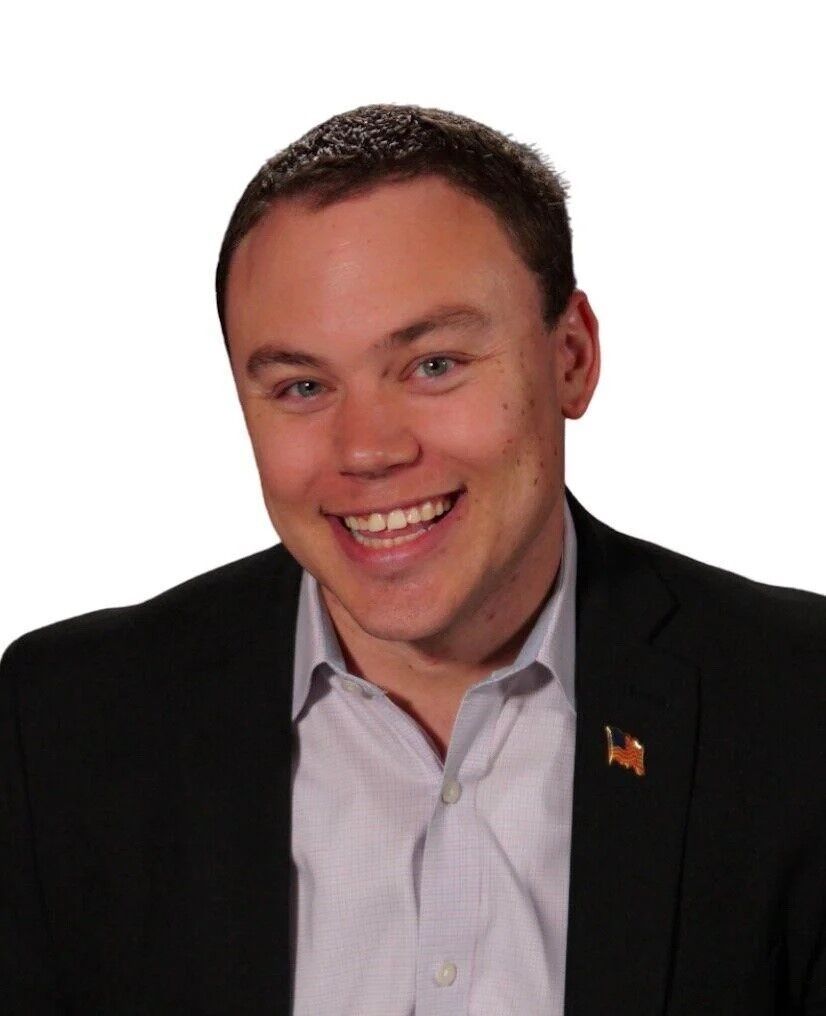
On April 28, I wrote this of Chief Judge Daniel Domenico of the U.S. District Court for Colorado: “As President Trump considers filling a Colorado-based vacancy on the U.S. 10th Circuit Court of Appeals — or perhaps even a future Supreme Court vacancy — he should look to Dan Domenico.”
Two weeks later, on May 12, President Donald Trump did just that, formally nominating the Colorado native for the opening on the 10th Circuit.
Surely my words put Domenico over the top, right? I jest, but truthfully, President Trump made the wisest choice.

If confirmed by the Senate, Domenico would replace Chief Judge Tim Tymkovich, who is moving to semi-retired status.
Domenico clerked for Tymkovich after law school and later replaced him on Colorado’s district court when Tymkovich was elevated to the 10th Circuit.
When originally appointed, Domenico was Colorado’s youngest-ever solicitor general — overseeing all major state litigation and advising the governor and state agencies. He was the longest serving in that role, serving nine years under three governors: Owens, Ritter and Hickenlooper.
“He served regardless of party with competence and zeal, and that’s what the Colorado legal community would tell anyone who wishes to listen,” former U.S. Sen. Cory Gardner said from the Senate floor, backing Domenico’s first nomination. “We need experienced practitioners who are respected by their peers and who will faithfully apply the law regardless of the politics or place in life.”
Domenico’s extensive record since he joined the bench in 2019 demonstrates exactly that.
In 2023, Domenico blocked the state from enforcing a ban on “abortion reversal” treatment passed in Senate Bill 23-190. His ruling was narrowly tailored, focused on Bella Health and Wellness, a Catholic clinic in Denver and Englewood.
Domenico acknowledged the science surrounding progesterone was disputed, but didn’t try to resolve it. He stayed within his role and simply concluded SB 190 likely wouldn’t survive the scrutiny applied to laws affecting religious institutions.
The legislative history showed lawmakers knew the bill would impact religious clinics, and the absence of broader progesterone regulations undercut the state’s case.
Colorado declined to appeal and settled with the clinics for $6.1 million in January — an extraordinary vindication of Domenico’s ruling.
Domenico also blocked Colorado from “expelling, punishing, withholding funds from, or otherwise disciplining” Darren Patterson Christian Academy, whose policies appeared to violate Colorado’s universal pre-K program’s non-discrimination mandates.
Colorado insisted that the school hadn’t suffered any injury and that the state had no reason to investigate it. Domenico was unpersuaded.
“Even though they’ve told you multiple times, ‘We discriminate in ways that are protected by the requirements?’” he asked.
“The ultimate question here is whether Plaintiff faces a credible threat of enforcement,” Domenico wrote in his decision, concluding it would. “It can continue implementing its policies, as it has, but with the specter of enforcement, perhaps even immediate termination of the agreement, looming each day.”
Domenico cited the free speech case of 303 Creative v. Elenis nine times — one of three U.S. Supreme Court cases Colorado has lost in recent years. Like the preschool case, the plaintiff hadn’t faced consequences for alleged anti-discrimination practices, yet she won in the nation’s highest court.
These cases reflect a deliberative and methodical judge grounded in constitutional principles on religious liberty and free expression — unwilling to let government use seemingly neutral laws to target religious institutions. And his rulings have proven durable enough that Colorado would rather pay $6.1 million than challenge them in higher courts.
Then, in 2025, Denver Public Schools sued to block the Trump administration’s immigration enforcement policy near schools.
DPS argued an ICE raid at a nearby apartment complex proved schools were no longer “protected areas.” They sought to create nationwide sanctuary zones around schools.
But Domenico found that even DPS’ own example didn’t demonstrate the Trump policy would have violated Biden-era guidelines. Their requested nationwide injunction amounted to asking a trial court to rewrite federal enforcement for the entire country.
“I know everybody’s switched sides on nationwide injunctions in the last few weeks, but I’m trying to be consistent,” Domenico said, adding: “I do think that the public interest would be harmed by a federal court seeking to overturn immigration policy in this way, in this case.”
Again, DPS did not appeal.
Then, two months later, the U.S. Supreme Court vindicated Domenico’s reasoning when it invalidated all “universal” injunctions blocking federal policy nationwide.
Domenico has recently taken heat for being the only judge in Colorado’s federal district court to uphold the Trump administration’s interpretation of its authority to detain illegal immigrants during removal proceedings. Federal courts have been flooded with habeas corpus petitions demanding their release simply because they’re here and “seeking admission.”
“The fact that district courts have reached inconsistent outcomes in these cases is unfortunate,” Domenico conceded in one such decision, acknowledging his conclusion doesn’t align with his colleagues. But as a judge, he is “duty-bound” to follow his “best understanding of the law.”
Notably, that understanding aligned with recent rulings from the Fifth and Eighth Circuit Courts.
Across every case, the pattern is clear: Domenico rules on the law before him, not what he’d like it to be, and stays within his role — while resisting the pull of shifting political winds.
President Trump couldn’t have made a better choice for the 10th Circuit.
Jimmy Sengenberger is an investigative journalist, public speaker, and longtime local talk-radio host. Reach Jimmy online at Jimmysengenberger.com or on X (formerly Twitter) @SengCenter.