







Xcel moves to block data centers from sticking families with higher power bills
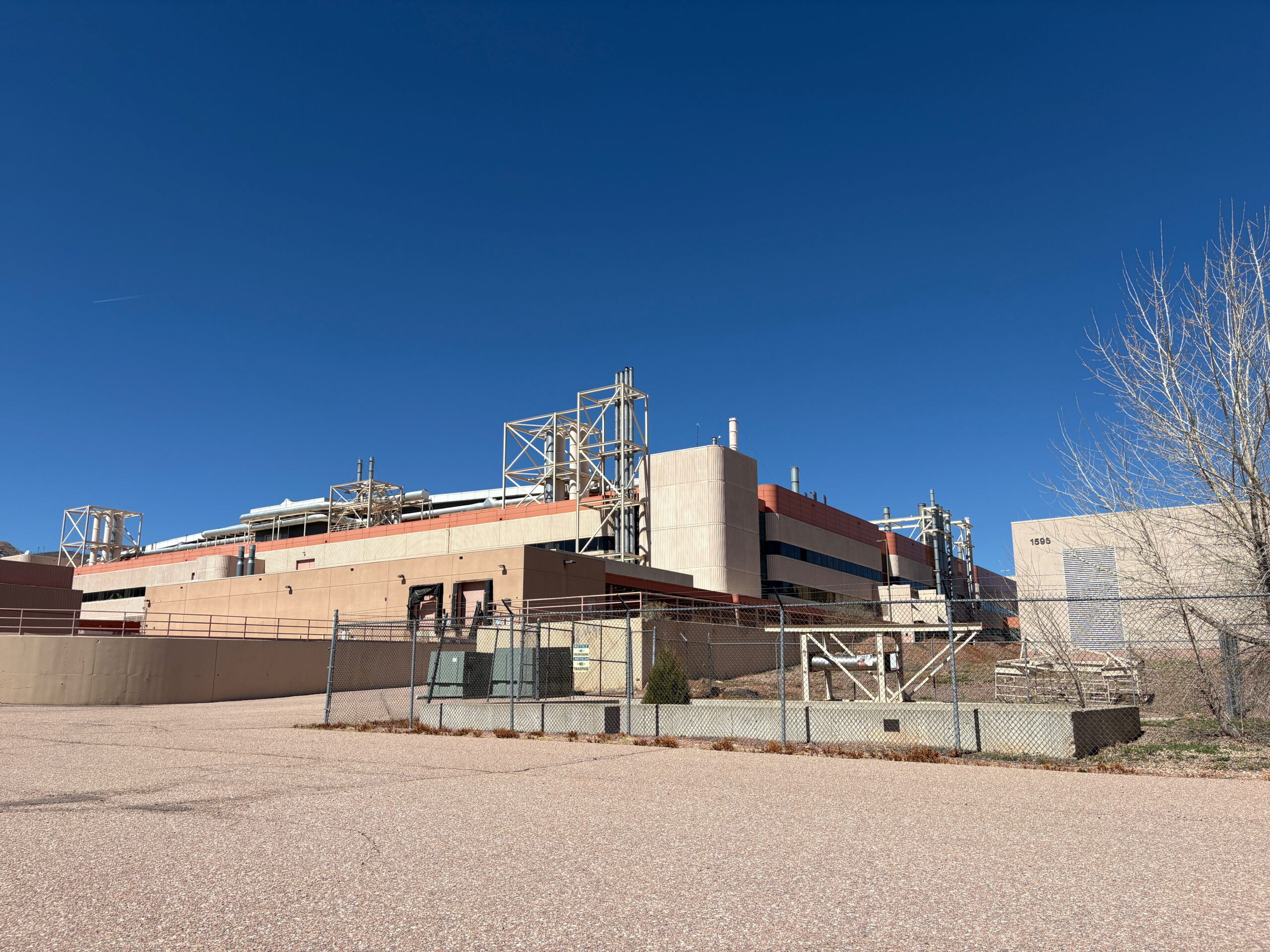
Xcel Energy filed a plan with state regulators Thursday that would force large electricity users, such as data centers, to pay the full cost of the power plants, substations and transmission lines they need, rather than passing those billions in new expenses on to Colorado families and small businesses.
The power demands of data centers could otherwise end up raising monthly bills for the average household, the utility and consumer advocates warn. One data center can use as much electricity as a small city, and the boom is expected to drive a big share of new demand in coming years.
Xcel submitted its Large Load Tariff proposal to the Colorado Public Utilities Commission on April 2. If approved, it would apply to new customers or major expansions using 50 megawatts or more.
The company turned its plan amid a growing debate in small and large communities about how best to approach data centers, one of the fastest growing sectors in the tech industry. Supporters have argued that data centers bring jobs and revenue, which can be used to upgrade energy infrastructures. Critics worry about price hikes for residents, given data centers high consumption of water and energy.
In Denver’s heavily industrialized Elyria-Swansea neighborhood, residents voiced sharp resistance to the potential costs and environmental impacts at a Feb. 27 community meeting over the CoreSite data center now under construction. Many said the project was approved “by right” under outdated industrial zoning with no full public review, and they fear the costs of power and water would be shifted to local families.
“I see that we are all sharing costs that Xcel causes (for) the $640 million settlement with the Marshall Fire, and then you spend money on commercials saying, ‘We’re upgrading our system.’ But you pass those costs on to residents,” one resident told Xcel representatives.
“We talk a lot about energy. We talk a lot about water. We have yet to really talk about the environmental impact and health impact to the residents of the community,” another said. “What is the data center’s responsibility to the community?”
A third resident asked, “We know that the city didn’t have a plan for zoning, but what equal requirements exist for Xcel to prevent costs from being recovered from customers?”
Xcel President Robert Kenney said the company shares those worries.
“We understand and share customer concern over the immense energy needs of new, large customers, such as data centers. At the same time we recognize these large customers bring the potential for jobs, investment and innovation to our communities,” he said in an April 2 release. “Addressing those concerns by updating rules and policies will help make sure we manage this growth responsibly as we protect customers.”
In the legislature, a separate bill would set even firmer statewide rules. Senate Bill 26-102 would require large data centers to cover grid upgrades through long-term contracts or upfront payments. It would also force them to get 100% of their power from new renewable sources starting in 2031.
Voting has been delayed on Senate Bill 26-102, which deals with large-load data centers and is sponsored by Sen. Cathy Kipp, D-Larimer County, and Rep. Kyle Brown, D-Boulder County, in the Senate Transportation and Energy Committee in March and remains under consideration. Kipp told The Denver Gazette that supporters will bring it back for action later in the session.
“We are working on amendments and are having conversations to figure out the best path forward,” said Kipp.
Dan Diorio of the Data Center Coalition, who testified during the committee, said SB 102 “would close off Colorado for development by the industry.” Opponents also warned the strict rules would deter billions in investment and thousands of construction jobs, pushing the industry toward competing states.
Meanwhile, a competing legislation would create a nine-member Colorado Data Center Development Authority to certify projects that meet labor, wage, efficiency and environmental standards in exchange for a 100% state sales-and-use tax exemption for 20 years.
Xcel Energy CEO Bob Frenzel addressed large-load tariffs on a company earnings call on Feb. 5, saying the company is pursuing similar large-load tariffs in four states — Colorado, Minnesota, Wisconsin and Texas — as data-center growth accelerates nationwide.
He noted that properly managed large loads can help keep overall rates stable by spreading fixed grid costs over more users, but the tariff focuses squarely on making sure new customers pay their fair share.
Once the tariff structure is approved by the Public Utilities Commission, Frenzel said the company will move to sign up new large-load customers and pair them with dedicated new power plants built to serve them.
The idea is catching on fast across the country. States approved 29 such large-load tariffs in 2025 alone, bringing the national total to 77 arrangements in 36 states, according to industry trackers. The push reflects growing worries that the artificial-intelligence boom could overwhelm electric grids and drive up costs for regular customers unless new users cover their own way.
In Colorado, the Public Utilities Commission will open Xcel’s filing to public comment and hearings. The commission is charged with ensuring that electricity remains affordable and reliable for the utility’s 1.6 million customers, while determining whether large new loads like data centers must pay their own way for the infrastructure they require — all while advancing the state’s environmental protection and net-zero emissions goals.