






How To Get Into Road Biking in Colorado
Bikes are meant to be… simple, right? Just throw on a helmet and push the pedals… right? This simplicity comes to a halt after you’ve outgrown your childhood bike or that old college fixed gear. If you’re ready to upgrade and looking to ride for fitness or for distance, a road biking setup can be a bit more complicated—but factor in the speed, the efficiency, and the mileage opportunity, and it’s all the more rewarding.
RELATED: 10 Steepest Mountain Passes in Colorado
In addition to being a choice fitness activity for those with joint pain or those recovering from high-impact sports injuries, cycling is a lifelong activity that can benefit people of all ages. It’s an efficient means of travel; there are hundreds of paved miles crisscrossing the Front Range alone that serve up prime road biking opportunities with a side of stellar Colorado views. Here’s how to shift your road biking setup into high gear.
Glossary
Like shoes, all bike brands and styles will fit and feel a little different. Before diving into the nitty gritty of gear and safety necessities, familiarize yourself with some key terms that will explain the various general components of nearly all bikes.
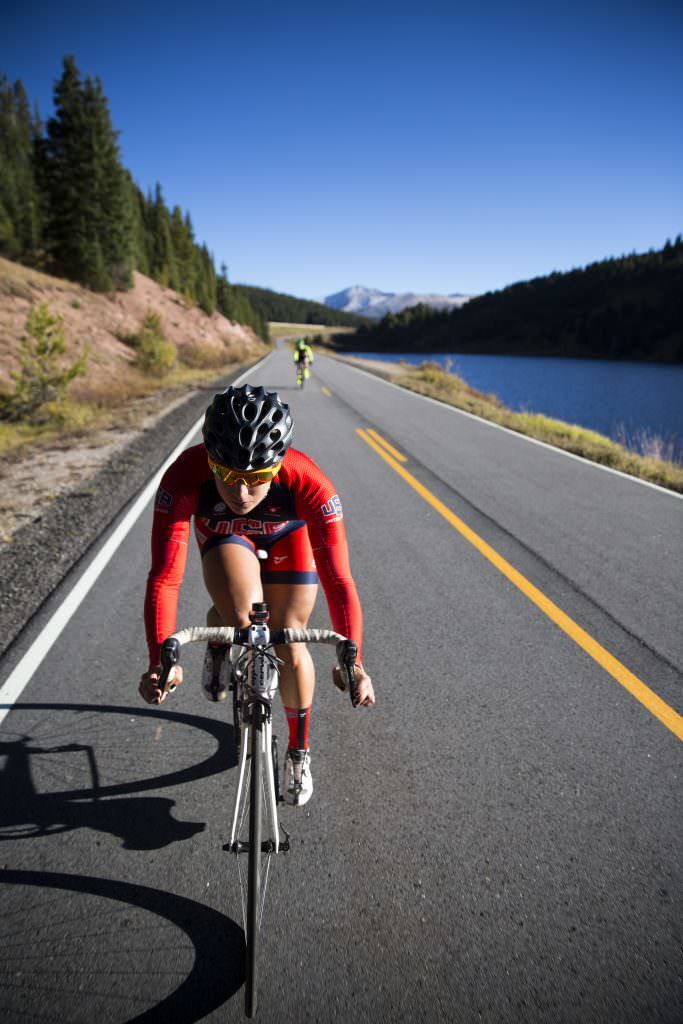
Reaching the top of Vail Pass on a road bike. Vail, Colorado. Photo Credit: OutThere Colorado.

Reaching the top of Vail Pass on a road bike. Vail, Colorado. Photo Credit: OutThere Colorado.
Gear
There can be a lot of gear to sort through when setting up your road bike–and it can all add up quickly. To begin, stick with the basics so you’re not tempted to compromise quality for price. As you grow into the sport, you’ll develop a better idea of where you want your road biking to take you, and how best to supplement and swap out your gear.
1. Frame
The goal of any frame is to balance strength with weight. Ideally, you want a strong machine, but a lightweight one that is easy to use. When buying a frame, the two most important aspects to consider are material and size. Most bikes will come in aluminum or carbon. The biggest difference here will generally be price—aluminum can be cheaper, while carbon will be a bit pricier; both are good beginner options.
As for fit, you want to measure the inches between your ankle to your inseam. Bike frames usually come in extra small to extra large, and will fit a range of heights according to this measurement. Bikes also come in different versions for men and women, so be sure to try a variety a frames to ensure you’re getting the best fit.
You also want to look for the ability to upgrade. If you buy the more basic version of a bike now, can you later exchange or add on more advanced mechanical systems or features to the frame? Some good road bikes to try are the Cannondale Synapse AL Sora or the Giant Defy 3.
2. Pedals
Most road biking bikes won’t come with pedals. You’ll have a choice between platform, clip-less, and clip-in to add on your bike. For now, stick to the basic platform pedals until you’re ready to invest in special cycling shoes and committed to riding a least a couple days a week. Try something like the EVO Adventure Trekking Pedals to start, and later you can always swap them out for a clipless pedal upgrade.
3. Water Bottle Cage
Especially in arid Colorado, hydration is key on long road rides. Buy a simple cage to hold your bottle so you’re never far from your next sip. Don’t splurge here, try: Planet Bike PB Water Bottle Cage.
4. Lubricant
You want to keep your machine oiled and working well, so specialists recommend cleaning and lubricating the chains on a biweekly basis for those that aren’t necessarily riding everyday. As you ride more consistently, you’ll want to clean and lubricate about once every 7-10 days. Again, no need to get fancy here: Finish Line Dry Lube 2.
5. Bike Lock
The last thing you want to is to finish a big ride at your favorite brewery, rehydrate, and then walk out to find your bike missing. Invest in something good, but not too heavy, for example: Kryptonite KryptoFlex 1018 Cable Lock.
Getting Started
Once you’ve got your bike set up, it’s time to ride. First suit up. A light and breathable top is best for longer rides, especially during the summer months. Shorts with a chamois, or lightly padded bottom, can add a nice level of comfort on long rides without too much bulk. Women should try a pair like Pearl Izumi’s Escape Sugar Short, and men should try the Quest Splice Short.
If it’s sunny out, don’t forget your sunglasses or sunscreen. Polarized sunglasses especially can help with glare and flares from automobiles, signs, and some roads on hot days.
Familiarize yourself with your route. How long do you want to ride for? Do you want to base your ride on time, miles, or location? Pick out and then get to know the route before you even think about buckling your helmet (and print out the map to store in your saddlebag, or load it onto your phone); that way you won’t have to stop at every intersection to double check your moves.
Pro Tips
A good cycling bike will balance two key components: comfort and lightness. You want to find a bike that will be comfortable for your body, while also airing on the side of “the lighter, the better. You’re working hard enough to pedal as it is, no need to add any unnecessary weight. Eliminate all the unnecessary gadgets and doodads. You’re looking for aerodynamic and smooth.
You’ll also want to factor in the price of road biking materials. A good road bike, especially one that you can add upgrades to, can serve you for decades if you take care to routinely clean and tune up the mechanics. You might be dropping a lot of cash now, but it can be worth it in the long run.
RELATED: My First Fat Tire Biking Experience
Most bike specialists will recommend taking it to a bike mechanic and tuning up your bike once a year—kind of like an oil change—and also doing small chores yourself, like cleaning and lubricating the chain and the brakes, on an as-needed basis. How often you engage in these little touch ups will depend on how frequently you ride, so consider cleaning and lubing the chain every seventh time that you ride.
Keep your tires in good shape by inflating them to the proper air pressure. Check them before each ride. If they are too flat or too taught, it’ll affect your ride and can often slow you down, or you’ll risk popping a tube. Along with the dimensions of the tube, the prime pressure range will be noted on the tire.
Take the time to find a good fit. Most bike shops and REI stores will fit you to a bike size for free, so don’t hesitate to pop in even if you aren’t planning on buying one of their bikes. Really, invest in a comfortable saddle; you will thank yourself after the first thirty minutes of pedaling.
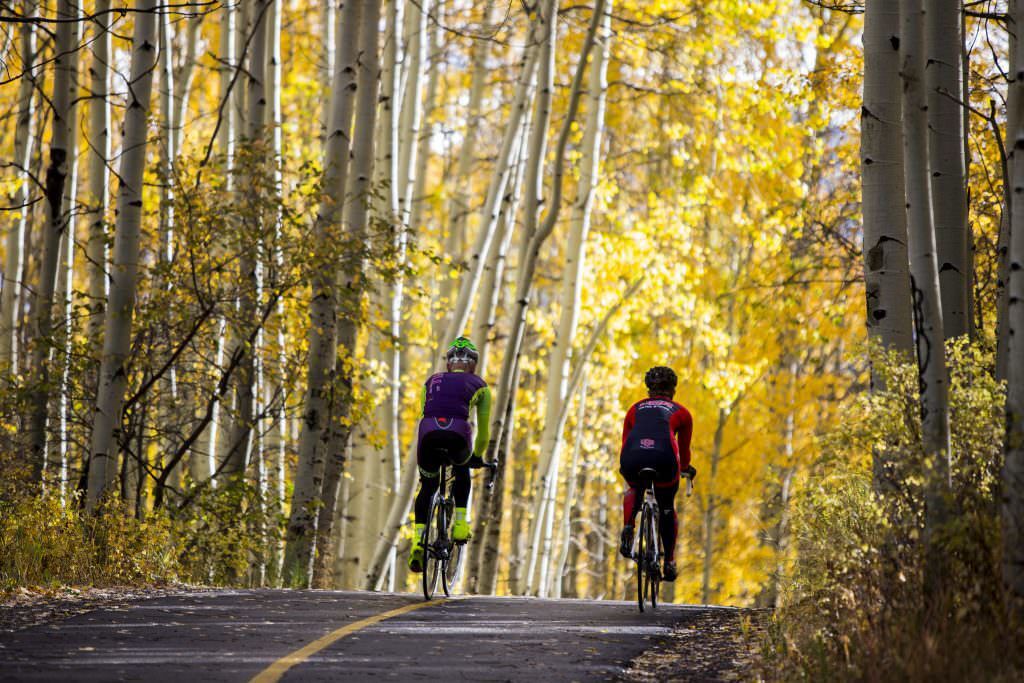
Road biking over Vail Pass. Vail, Colorado. Photo Credit: OutThere Colorado.

Road biking over Vail Pass. Vail, Colorado. Photo Credit: OutThere Colorado.
Safety First
Safety is one of the most important things to consider when setting up your road bike. Helmets can save your life; lights and reflective gear are mandatory, according to Denver and Boulder County law because they alert automobiles to your existence; and a repair kit can save you from hours on the side of the road on a 90-degree summer day.
A medium sized pack like the Topeak Aero Expanding Wedge will hold your repair kit essentials:
Next Steps
Check out the Colorado Bike Maps series for ideas on where to ride across the state, info on group rides and cycling clubs, and special cycling events.
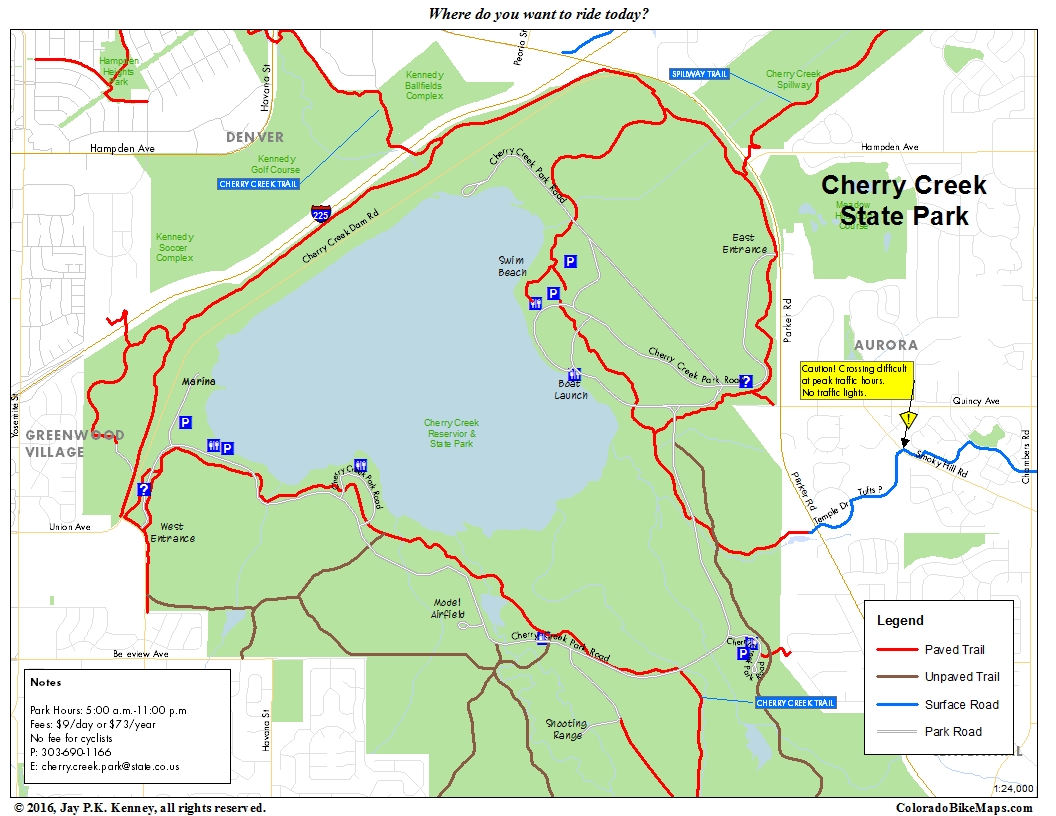
Some favorite rides are: 1) Boulder’s NCAR road during sunrise, 2) anywhere along the Cherry Creek State Park’s Reservoir , and 3) winding through any of the plentiful paved trails in Garden of the Gods in C o l o r a d o S p r i n g s .
For women, check out the Venus de Miles event happening in August—Colorado’s largest ladies-only ride. You can choose your course length, either 33, 66, or 100 miles, and bask in the fierce female power as you pedal together along Boulder County’s smooth and rolling backroads.
Inspiring Media