




The interesting way Colorado’s Chalk Cliffs were formed
Chancey Bush The Gazette
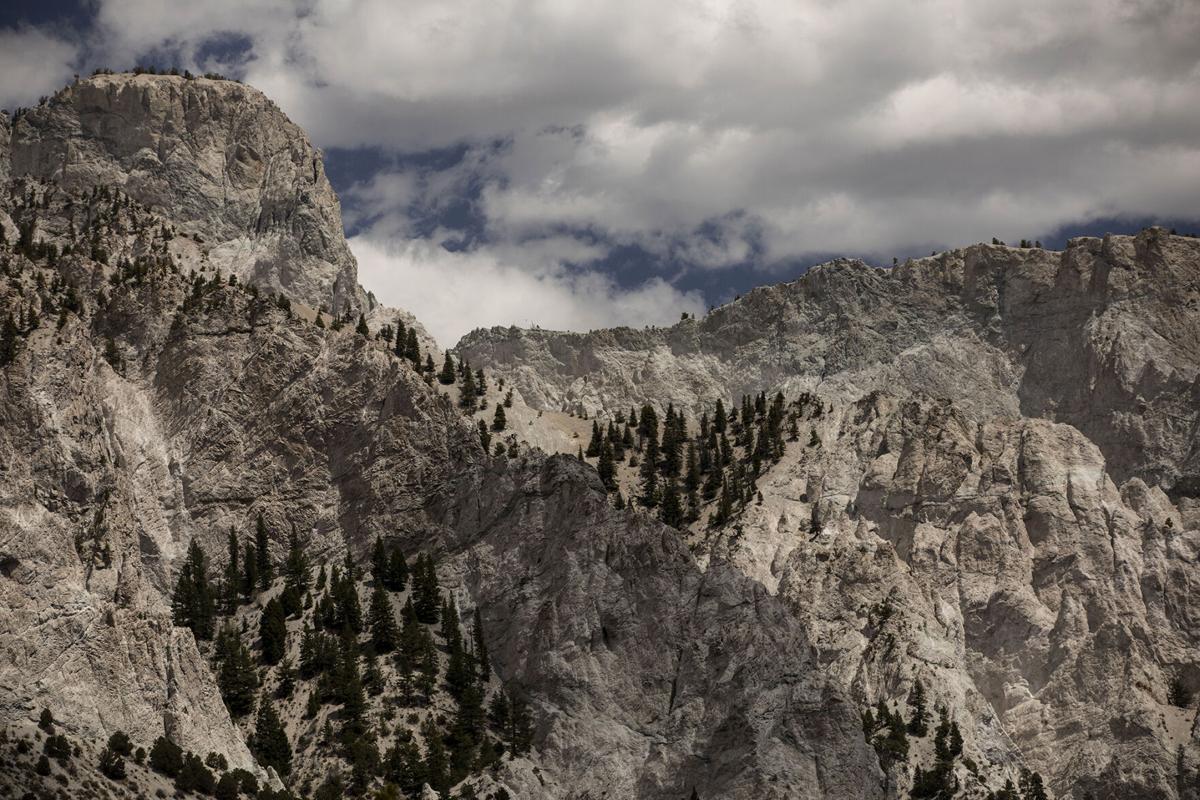
The 14,197-foot summit of Mount Princeton is the perfect backdrop for the breathtakingly beautiful Chalk Cliffs in the Sawatch Range and Collegiate Range of Colorado.
Strikingly white, the Chalk Cliffs are among Colorado’s most unique natural wonders. Not actually chalk at all, a soft clay mineral called kaolinite is formed by deposits from the surrounding hot springs. The naturally heated mineral waters that come tumbling down from mountain, seep into the cracks of granite forming the chalky cliffs. This offers another fascinating look into Mother Nature’s sculpturing skills.
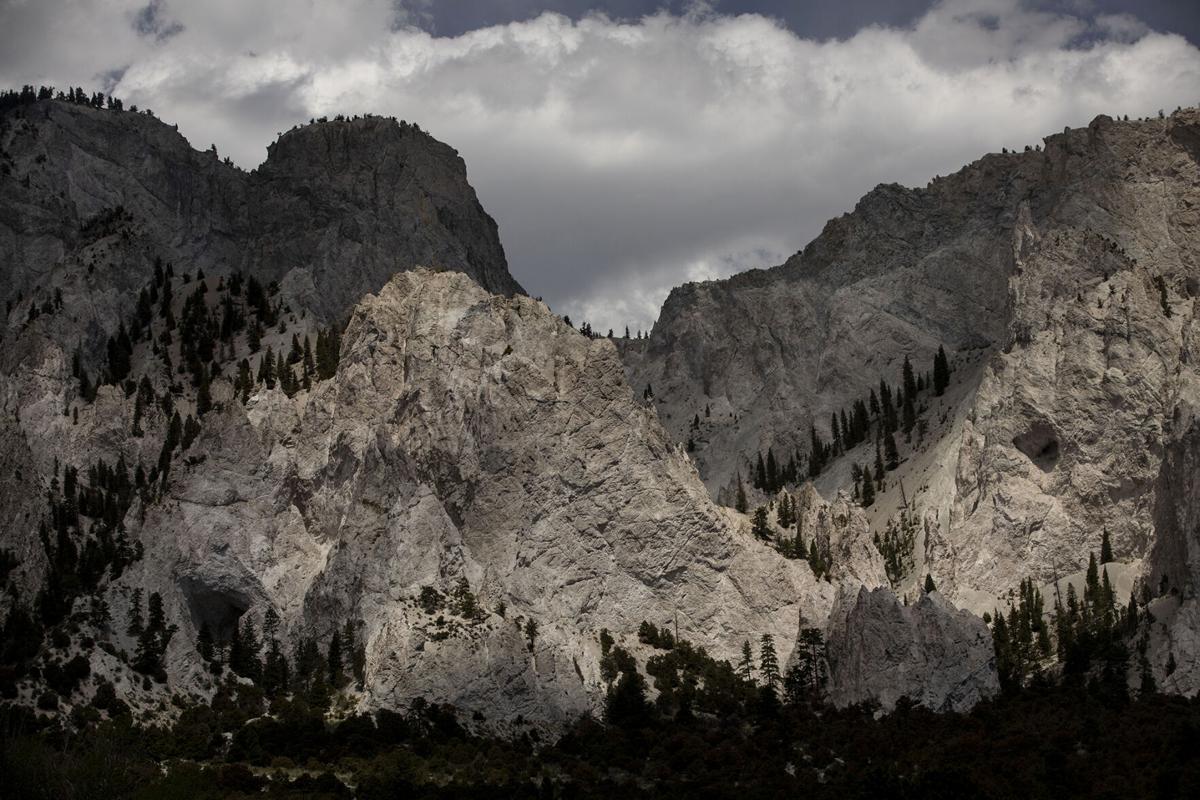
Photo Credit: Chancey Bush, The Gazette
Chancey Bush The Gazette

Photo Credit: Chancey Bush, The Gazette
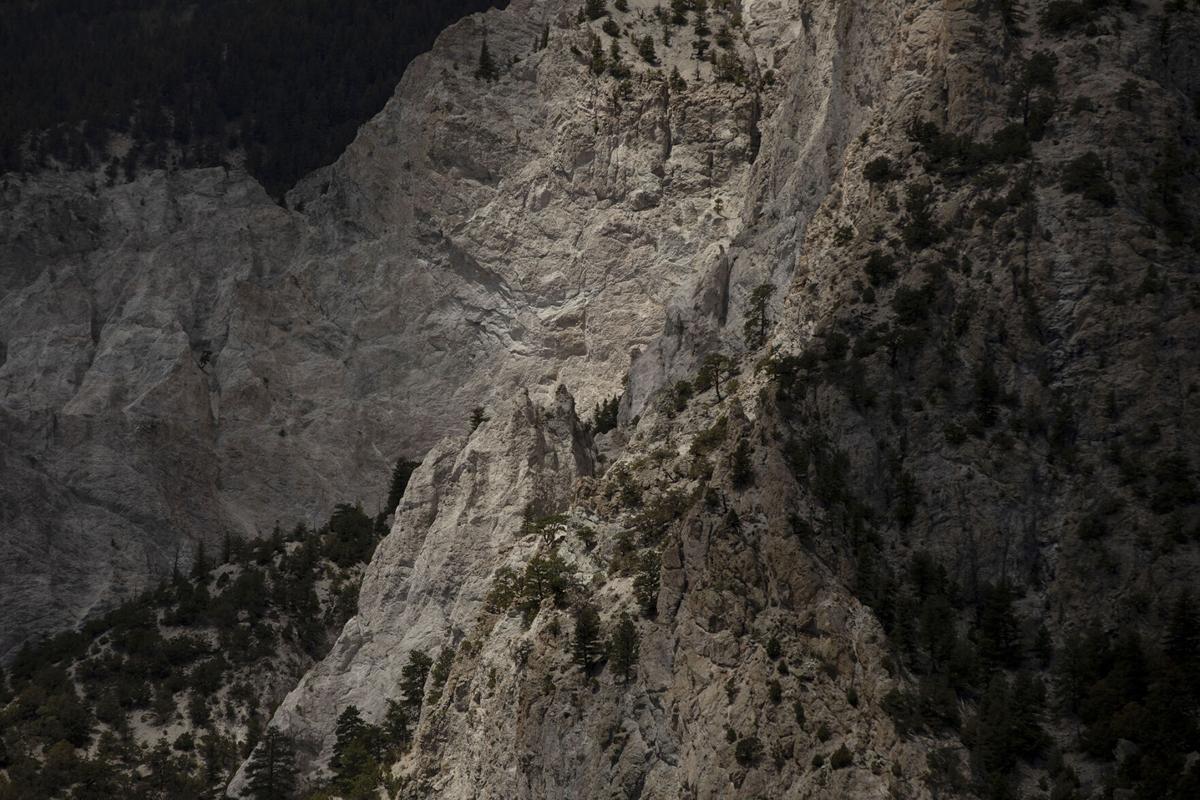
Photo Credit: Chancey Bush, The Gazette.
Chancey Bush The Gazette

Photo Credit: Chancey Bush, The Gazette.
Visitors exploring the Chalk Cliffs often bag the 6.5-mile challenging trek that leads to the 14,197-foot summit of Mount Princeton, a popular Colorado fourteener.
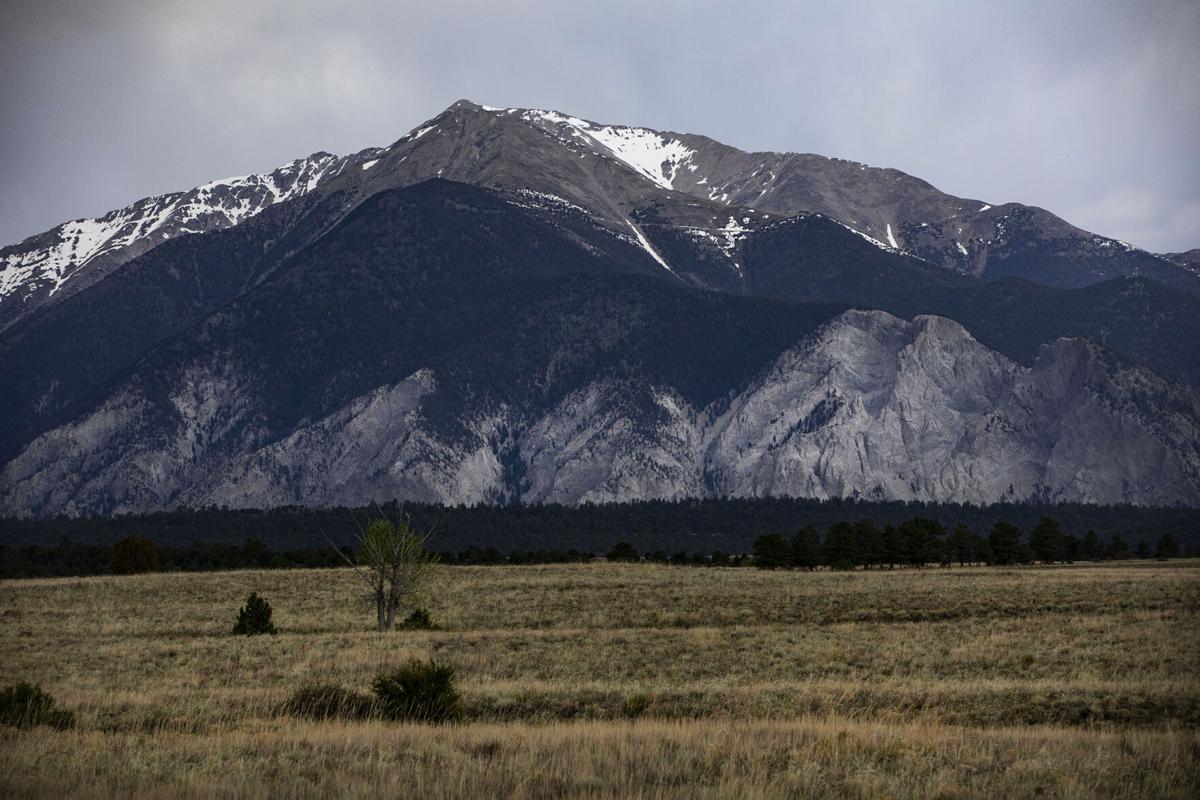
Photo Credit: Chancey Bush, The Gazette
Chancey Bush The Gazette

Photo Credit: Chancey Bush, The Gazette
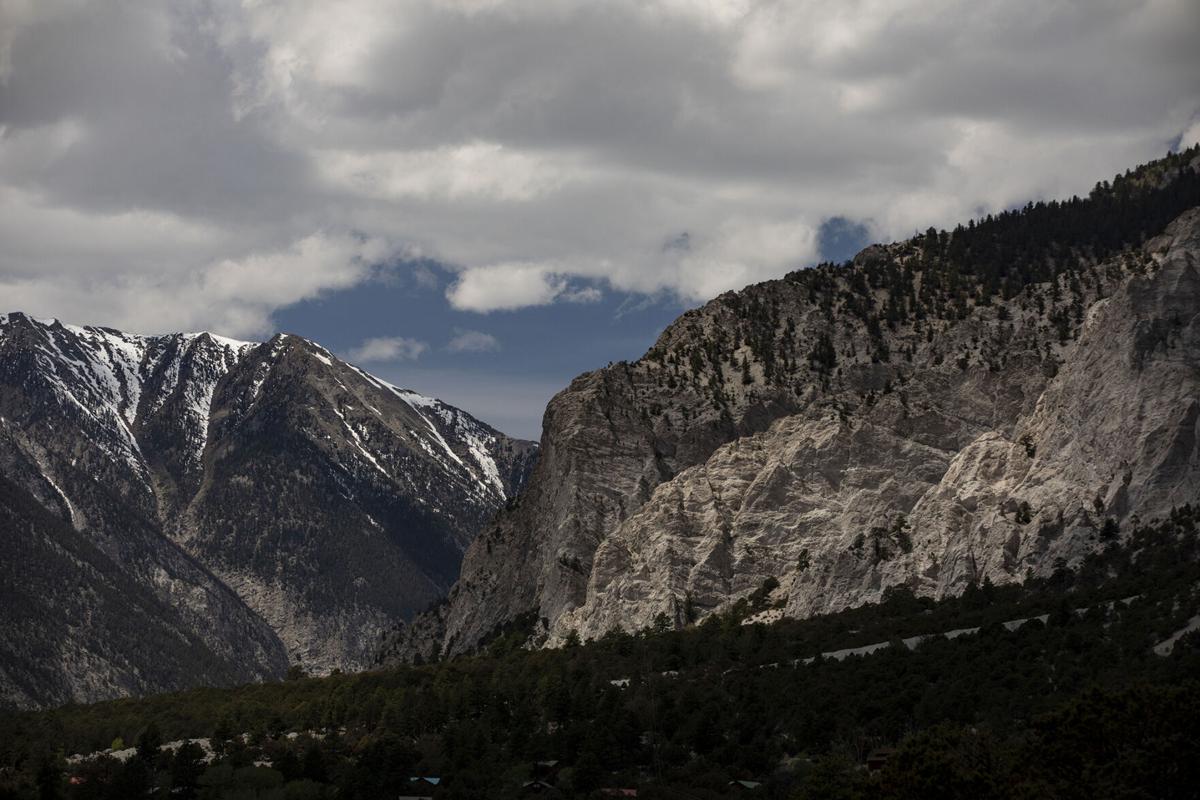
Photo Credit: Chancey Bush, The Gazette
Chancey Bush The Gazette

Photo Credit: Chancey Bush, The Gazette
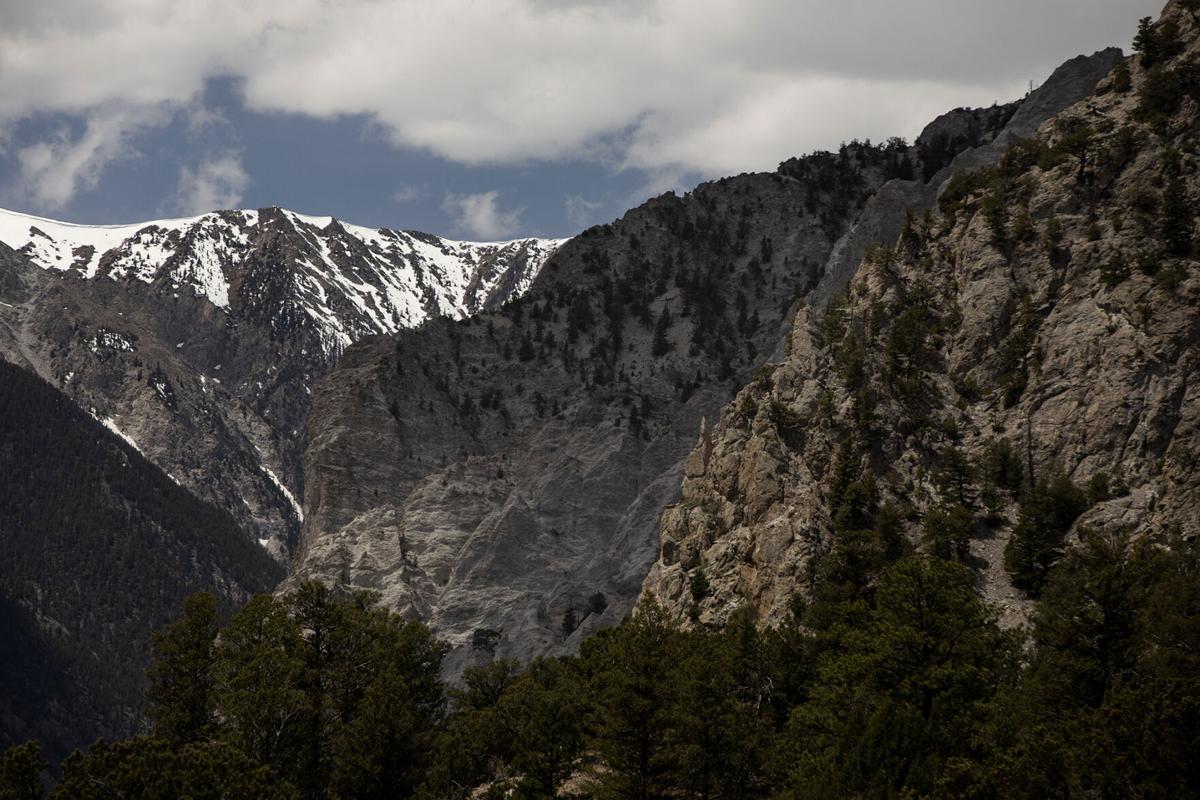
Photo Credit: Chancey Bush, The Gazette
Chancey Bush The Gazette

Photo Credit: Chancey Bush, The Gazette
The Chalk Cliffs are located at the base of Chalk Creek Canyon, on the southeastern side of Mount Princeton. One of the best views is at an overlook off Highway 285 between the mountain towns of Nathrop and Poncha Springs.
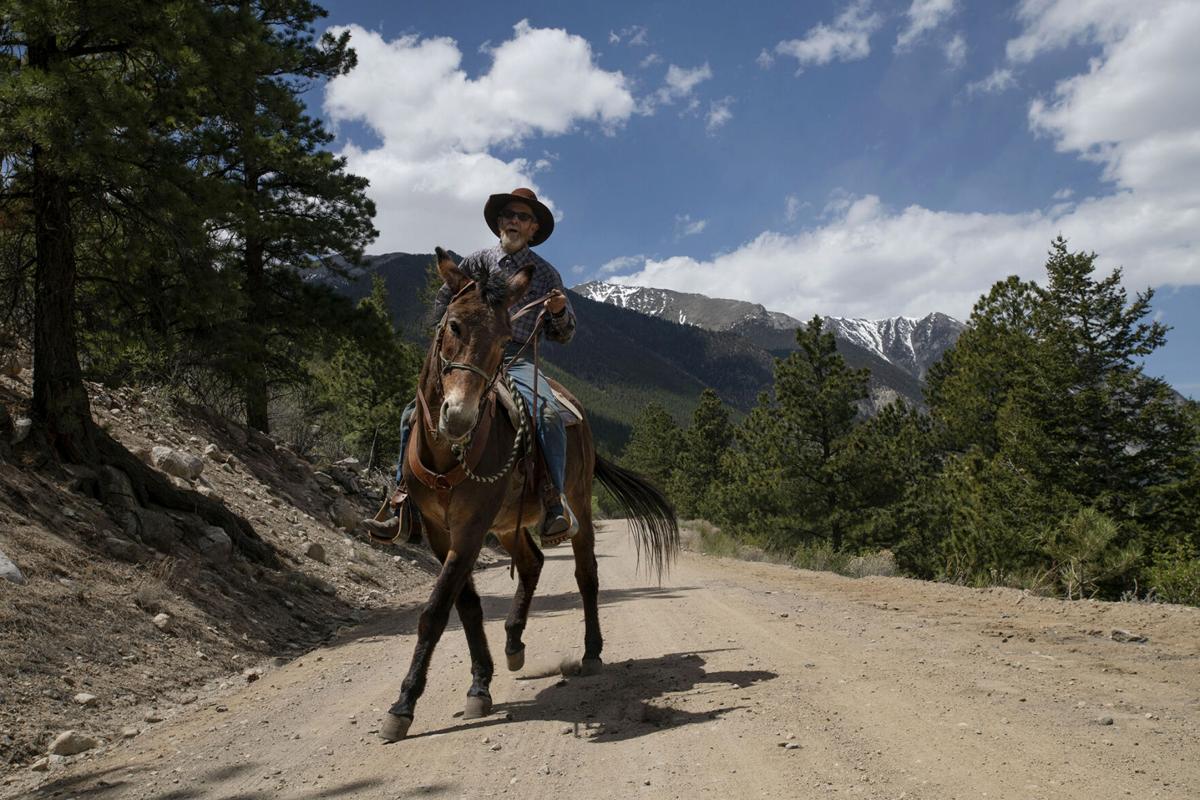
Big David Burtness, rides his mule Radar, on County Road 390 with the Chalk Cliffs in the background southwest of Buena Vista, Colo., on Tuesday, May 19, 2020. Legend has it around the 17th century Spaniards hid their gold in the cliffs while fleeing from hostile Indians, says Burtness. (Chancey Bush/ The Gazette)
Chancey Bush The Gazette

Big David Burtness, rides his mule Radar, on County Road 390 with the Chalk Cliffs in the background southwest of Buena Vista, Colo., on Tuesday, May 19, 2020. Legend has it around the 17th century Spaniards hid their gold in the cliffs while fleeing from hostile Indians, says Burtness. (Chancey Bush/ The Gazette)
The peak was originally named Chalk Mountain by George M. Wheeler during his surveying and mapping expedition of the Colorado Territory in 1871.
Get OutThere
Signup today for free and be the first to get notified on new updates.
PREV
PREVIOUS
This southern Colorado mountain could be just the challenge you're seeking
Facebook Twitter WhatsApp SMS Email Print Copy article link Save Facebook Twitter WhatsApp SMS Email Print Copy article link Save A herd of bighorn sheep enjoys a sunny afternoon in the Sangre de Cristo mountain range in southern Colorado on July 1, 2020. (Video by Nathan Van Dyne, The Gazette; photos by Mark Reis, Special […]
Happy Trails: Nothing wrong with admiring this Colorado Springs peak from down low
Facebook Twitter WhatsApp SMS Email Print Copy article link Save Facebook Twitter WhatsApp SMS Email Print Copy article link Save Blodgett Trail Blodgett Peak commands attention on the north side of Colorado Springs. Its pointy, craggy profile stands out among the green foothills, calling to explorers who should not underestimate its summit, however humble near […]