








Biden’s lean on oil and gas is Colorado’s familiar posture | Joey Bunch
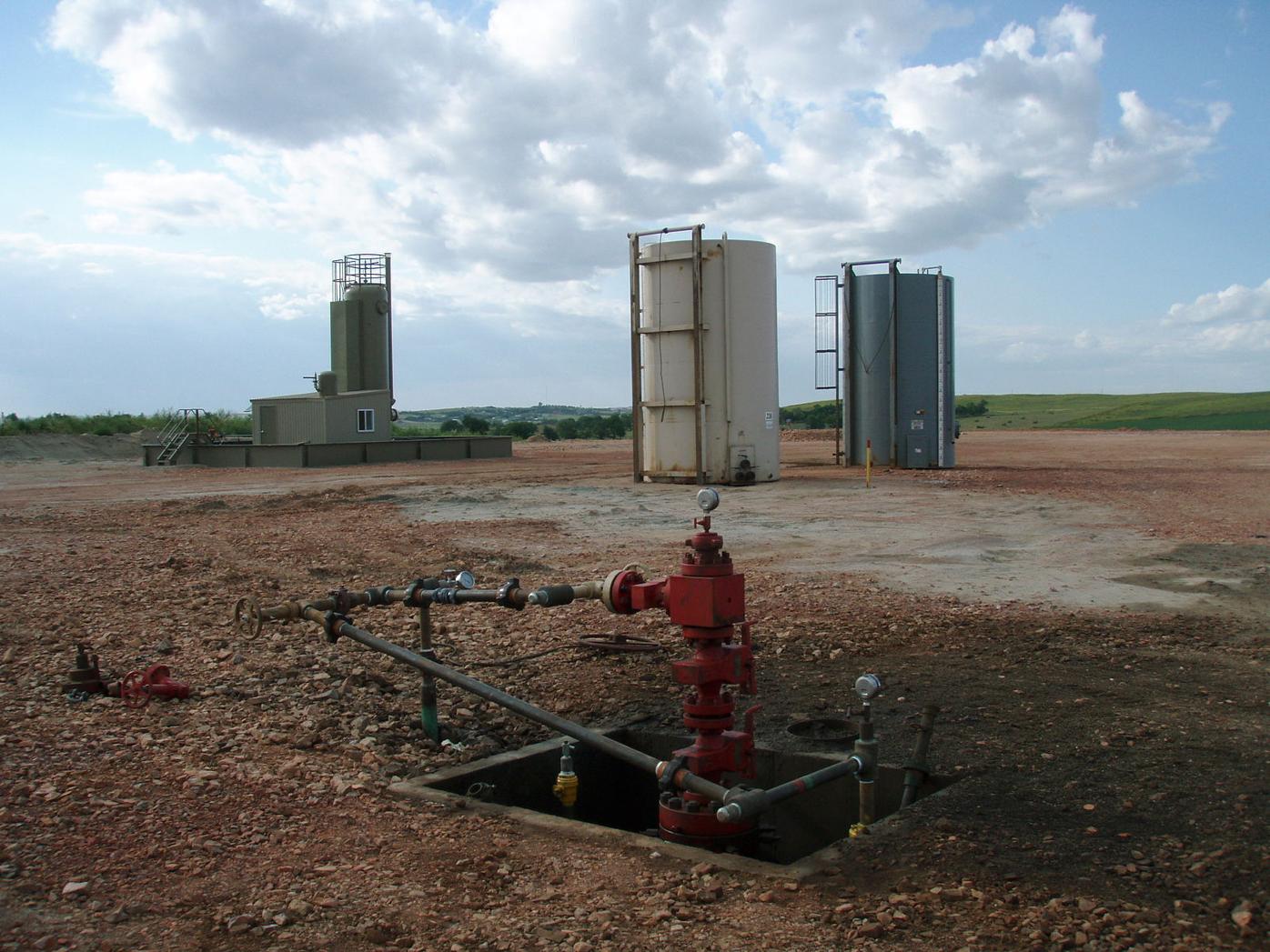
Photo by Joshua Doubek via Wikimedia Commons
The pace toward America’s energy future has quickened as of late, and Colorado could offer directions on where this is headed.
At stake is a changing climate and clean air against millions, if not billions, of dollars in commerce and taxes churned out by powering our lives.
His first day in office, President Joe Biden put America back in the Paris climate agreement. In short order, he killed the massive Keystone XL oil pipeline, and caffeinated Joe designated climate change a national security priority. More? He doubled the aim for offshore wind energy production, while moving more public lands out of the reach of energy producers and blocking natural gas leases on public land or offshore waters.
“In my view, we’ve waited too long to handle this climate crisis,” the president said.
His plan is about jobs, “good-paying union jobs,” he said.
Oilfield workers could eventually find work in green energy, but in the meantime help seal off the estimated 1 million leaking oil and gas wells. Biden’s plan also calls for 1.5 million new energy-efficient homes and half a million electric-vehicle charging stations.
He also promises to steer electric cars into the federal fleet, about 645,000 vehicles that covered 4.5 billion miles and 375 million gallons in 2019, according to the General Services Administration. The same week, GM said it would phase out its combustion engines by 2035. GM sold 2.9 million vehicles in 2019.
The ambitious new president sounds a lot like Colorado’s ambitious relatively new governor.
Gov. Jared Polis has been pedal to the metal on electric vehicles, passing a raft of bills around where you can buy, charge and park them.
“This is what our renewable energy future looks like,” the governor said in November 2019, as he announced an electric vehicle deal with the ride service Lyft.
Colorado trails only California in making electric vehicles accessible, research shows.
It’s part of a broader strategy. Last month Polis released the state’s Greenhouse Gas Pollution Reduction Roadmap to reduce emissions by 90% in 2050.
The Biden administration could copy Colorado’s playbook on methane, too. I should say, again.
Rules adopted by the Obama administration in 2016, and rolled back by the Trump administration in 2019, were incubated in Colorado.
The Colorado Air Quality Control Commission adopted the first methane regulations in the country in 2014.
Last September, the commission required fossil fuel companies to monitor emissions during drilling, fracturing and operations for the first six months of production, also the first of its kind in the U.S. of A.
In November, the Colorado Oil and Gas Conservation Commission put out new rules to elevate public health, the environment and wildlife as a consideration in permits. The side effect of 2019’s Senate Bill 181 was to reassign the COGCC from “fostering” the industry to “regulating” it.
Last year, the state Senate passed a big natural gas bill that fell to the wayside in the House, when lawmakers returned after a two-month pandemic break.
When they gavel back in this year expect a son of Senate Bill 150. The legislation would have required Public Service Co. of Colorado, part of Xcel Energy, to use 5% renewable natural gas by 2025, 10% by 2030 and 15% within five years after that. The state Public Utilities Commission also would develop renewable natural gas programs for smaller utilities and require municipal utilities to report their emissions.
Renewable natural gas belches from landfills, wastewater, manure, rotting food and the like, then it’s cooked and cleaned up to pipeline quality. Colorado produces enough waste to reduce emissions comparable to getting 1.4 million gas-powered cars off the road, says the American Biogas Council says.
Colorado’s abundant natural gas reserves offer us energy independence from foreign sources who aren’t really our friends. Gas lines of the 1970s showed us where that can lead. To boot, Coloradans only use about a quarter of the natural gas the state pumps, yielding a valuable cash crop.
Dan Haley, the president of the Colorado Oil and Gas Association, told me a growing world has to balance energy reliability with reducing greenhouse gas emissions. That requires a diversity of options — as clean and affordable as possible. It’s no different than saving for retirement: You don’t put all your eggs in the same windmill basket.
“Bottom line: The world’s energy demands require the combined use of fossil fuels and renewables,” Dan said. “Fossil fuels power the electric vehicles, wind turbines and solar facilities that allow renewables to bring us closer to achieving Colorado’s clean air goals. “
Another good friend of mine, the original Doghouse Democrat, Joe Salazar isn’t as optimistic about peace, love and hope. You know Joe: He’s the civil rights lawyer and former lawmaker who now runs Colorado Rising, a top-tier environmental advocacy group dogging oil and gas. He’s also thinking about running for U.S. Senate.
“I think the writing is on the wall,” Joe told me. “In as much as the fossil fuel industry is spewing propaganda that it’s here to stay, it’s really on its deathbed. “Sadly, it’s taken predicted radical climate shifts such as our tragically historic 2020 wildfire season, and our continued drought for people to understand that fossil fuels are the problem, not the answer.”


¡El aplauso! Mexican Rodeo Extravaganza marks 31st year in Denver
Deborah Grigsby
deborah.smith@denvergazette.com
Updated 22 minutes ago
Rodeo lovers from across the country gathered Sunday afternoon at the Denver Coliseum for the National Western Stock Show’s Mexican Rodeo Extravaganza, a perennial favorite, now in its 31st year, hosted by World Champion Charro Gerardo “Jerry” Diaz. With a...

Deborah Grigsby
Reporter
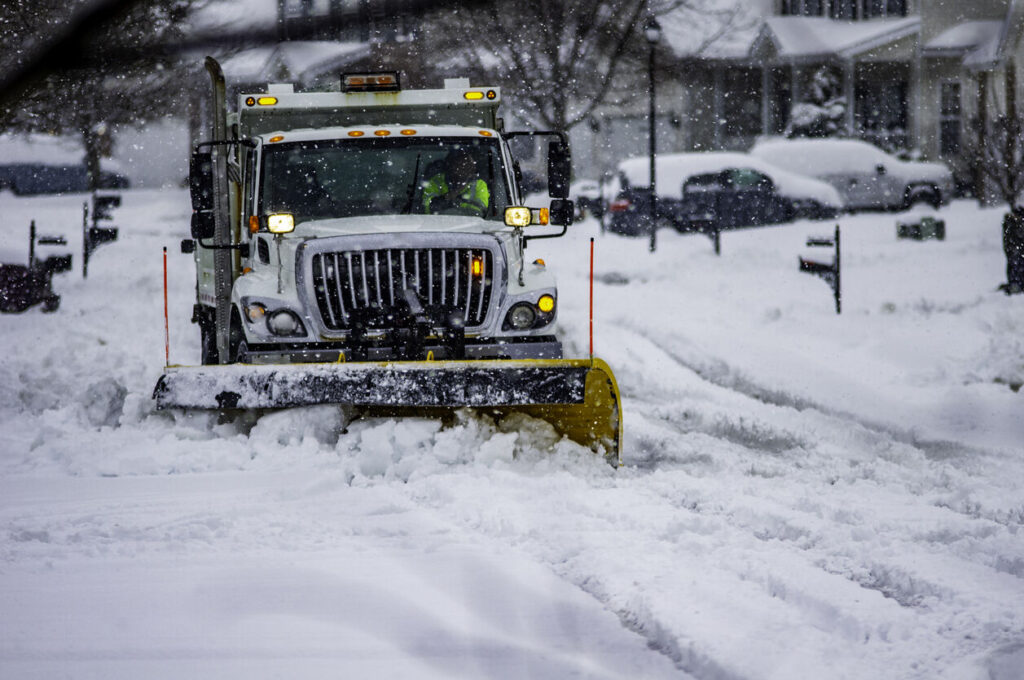
CDOT crews work to recover stuck snowplow along US 40
Piper Russell
piper.russell@outtherecolorado.com
Updated 3 hours ago
The Colorado Department of Transportation (CDOT) is planning to try again on Monday to recover a snowplow that veered off a highway and got stuck on Friday morning. According to CDOT, the plow had been clearing snow along US 40...

Piper Russell
Reporter

Hall of Fame QB Kurt Warner: Bo Nix must be ‘more aggressive’ for Broncos to have playoff success
Chris Tomasson
chris.tomasson@gazette.com
Updated 29 minutes ago
Nobody ever accused Kurt Warner of not being aggressive. He ranks sixth in NFL history with an average of 7.95 yards per pass attempt and threw the ball all over the place when winning two NFL MVP awards. So when...

Chris Tomasson
Reporter
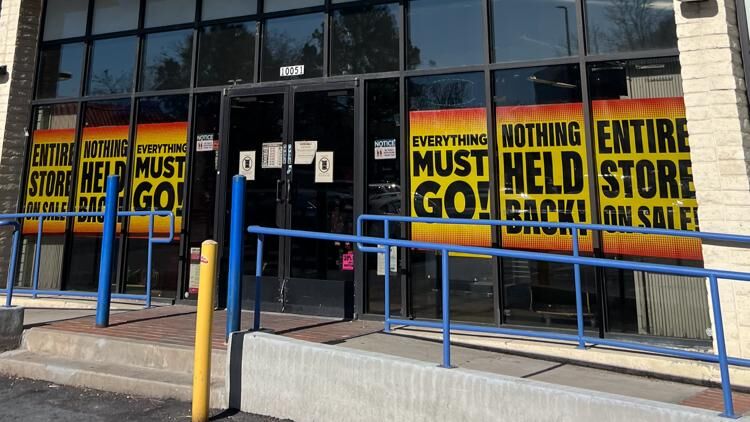
Sporting goods chain closing Colorado stores
9News
9news@denvergazette.com
Updated 7 hours ago
Signs at Big 5 Sporting Goods indicate plans to close multiple Colorado stores in Denver, Fort Collins, and Wheat Ridge. DENVER — Big 5 Sporting Goods is closing its doors to several stores in Colorado. The sporting goods store will shutter some...

9News
Reporter

Lawsuits by Trump allies could shape how the 2030 census is done
Wire Services
wire-services@denvergazette.com
Updated 5 hours ago
The Denver Gazette wire services ORLANDO, Fla. — The next U.S. census is four years away, but two lawsuits playing out this year could affect how it will be done and who will be counted. Allies of President Donald Trump...

Wire Services
Reporter
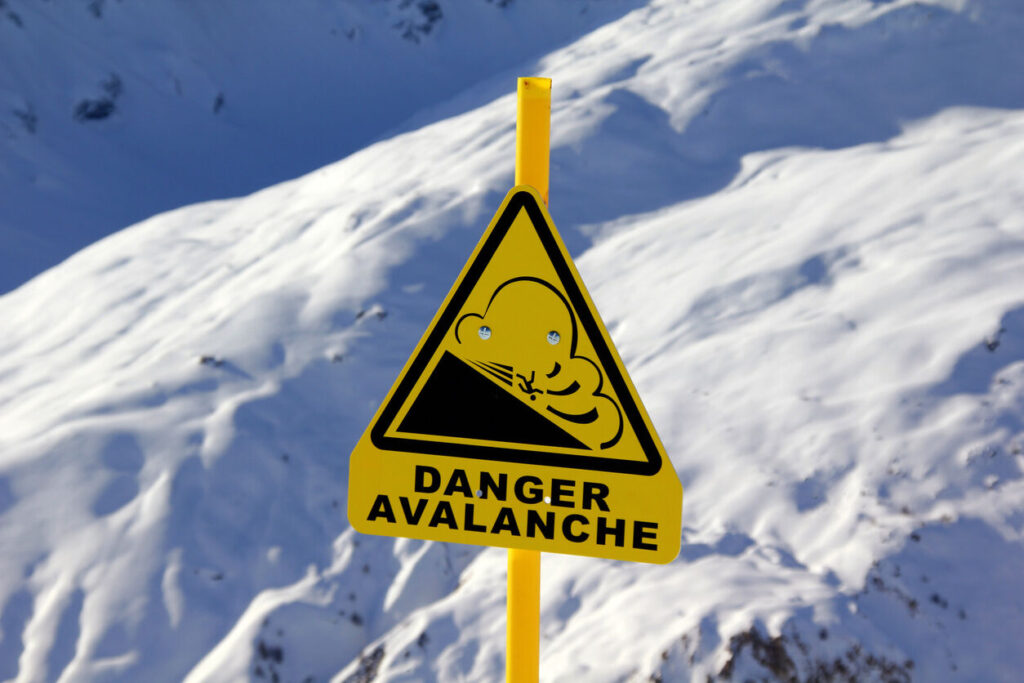
Snowboarder partially buried in avalanche in East Vail
Piper Russell
piper.russell@outtherecolorado.com
Updated 8 hours ago
A snowboarder was caught, carried, and partially buried in an avalanche in the East Vail area on Jan. 9. According to a Instagram post from Friends of Colorado Avalanche Information Center (CAIC), the rider was pinned against a tree and...
Piper Russell
Reporter

Avatar: Fire and Ash’ tops box office for fourth straight week with newcomer ‘Primate’ second
The Associated Press
the-associated-press@denvergazette.com
Updated 8 hours ago
LOS ANGELES — “Avatar: Fire and Ash” kept on smoldering at the box office, taking the top spot for a fourth straight week on a relatively quiet weekend as the January doldrums began setting in for the industry. The third...

The Associated Press
Reporter
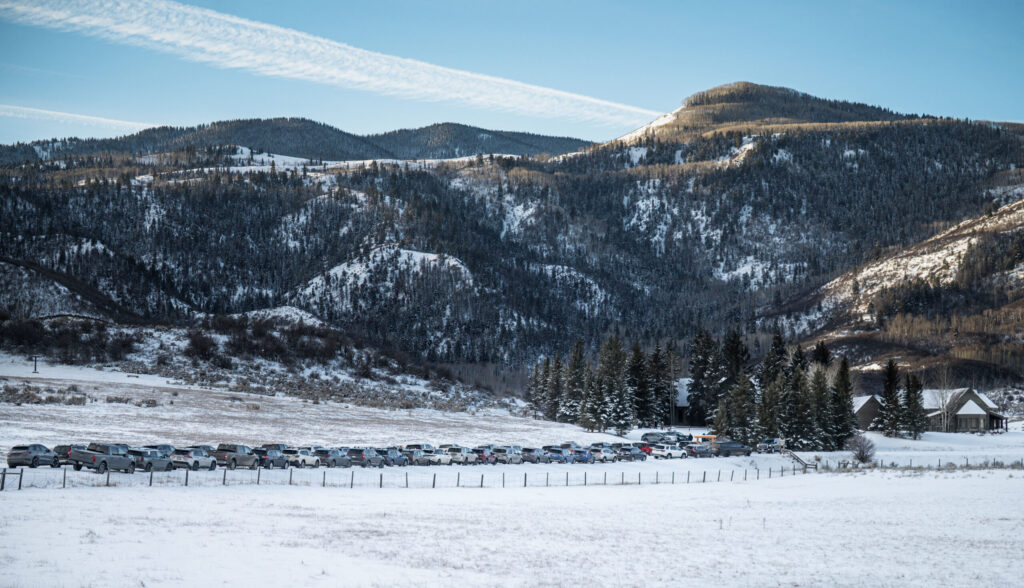
PHOTOS: Crowds come to St. Benedict Monastery for Last Public Liturgy
Stephen Swofford
stephen-swofford@denvergazette.com
Updated 8 hours ago

Stephen Swofford
Reporter

Erich von Daniken, Swiss writer who spawned alien archaeology, dies at 90
The Associated Press
the-associated-press@denvergazette.com
Updated 9 hours ago
BERLIN — Erich von Daniken, the Swiss author whose bestselling books about the extraterrestrial origins of ancient civilizations brought him fame among paranormal enthusiasts and scorn from the scientific community, has died. He was 90. Von Daniken’s representatives announced on...
The Associated Press
Reporter

1 arrested after shots fired during Denver traffic stop, shelter-in-place lifted
Deborah Grigsby
deborah.smith@denvergazette.com
Updated 5 hours ago
Denver Police have taken an adult male into custody after shots were fired at officers during an unrelated traffic stop late Saturday night in the Capitol Hill area near East 13th Avenue and North Logan Street. One bystander suffered a minor...
Deborah Grigsby
Reporter