







How Denver plan could make 17,000 commercial, multifamily buildings net-zero energy
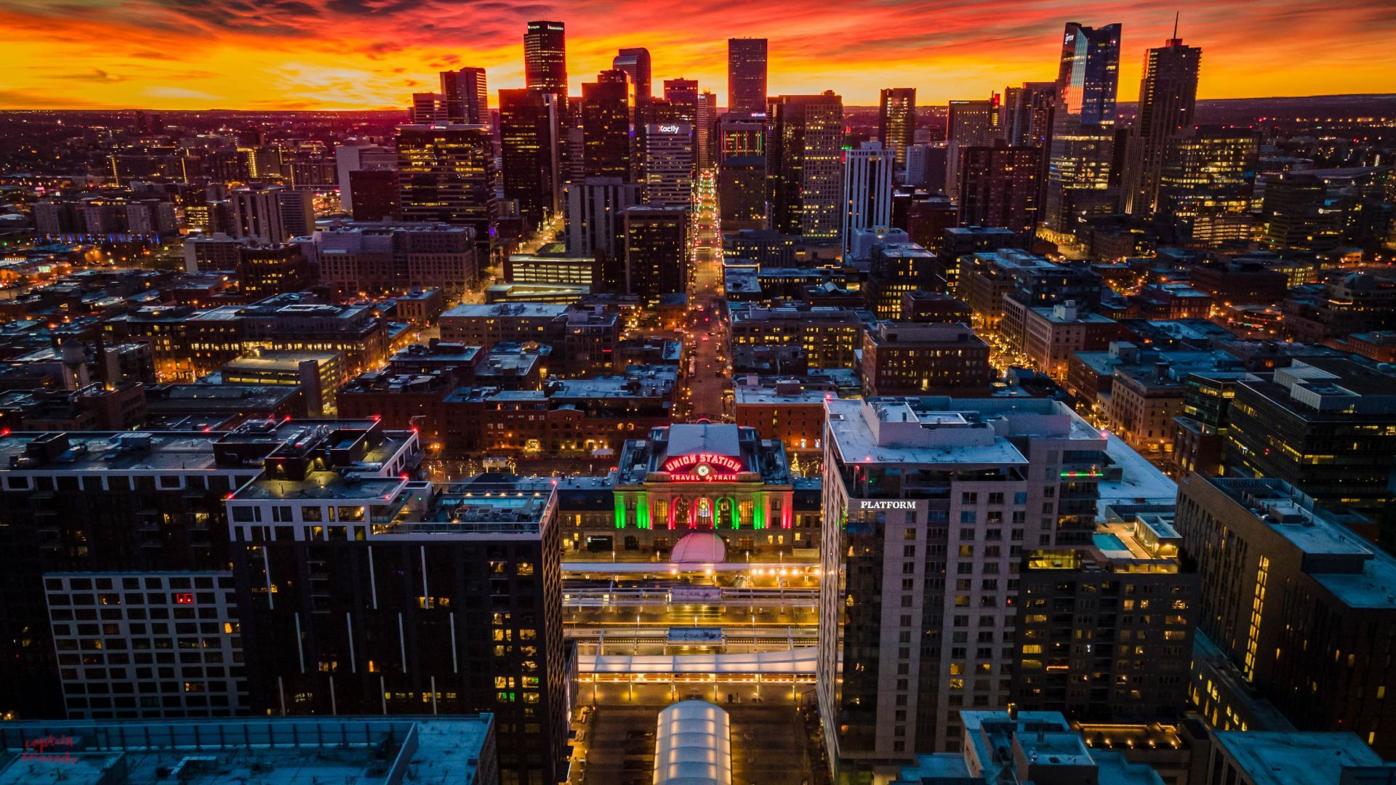
Jamie Rogers (@captaincoloradophotography)
The recently formed Energize Denver Task Force is working to develop its plan to power all existing Denver buildings with 100% renewable electricity by 2040, beginning with Denver’s commercial and multifamily buildings.
The group is tasked with determining how to transition Denver’s 17,000 commercial and multifamily buildings to net-zero energy, meaning the buildings would create as much energy as they use by implementing technology like heat pumps, solar panels and high efficiency windows and insulation.
“Bringing all of these buildings to net-zero energy is a really key part of our strategy to address climate change,” said Katrina Managan with the Denver’s climate action office during a city council presentation Wednesday.
Managan said commercial and multifamily buildings account for 49% of Denver’s greenhouse gas emissions.
To be cost effective, equipment like furnaces and water heaters in buildings could be replaced with electrified versions when the equipment is already scheduled to be replaced. Upgrades to lighting, motors and solar power could be implemented more gradually.
All new buildings built in Denver would also be required to be net-zero energy by 2030.
Clean, affordable energy is the key to the world's future
The net-zero policy would not yet apply to single-family homes or city buildings, a fact some council members raised issues during Wednesday’s presentation.
“It just seems like mixed messaging if we’re telling people they can’t do it,” said Councilwoman Kendra Black. “We’re trying to eliminate gas lines to homes. … It’s not okay to say that’s a very small portion (for us), but you need to switch out your furnace.”
Black specifically pointed to a large gas fireplace she saw being constructed within the Denver International Airport, to which Managan said gas fireplaces and gas cooking contribute to a very small portion of greenhouse gas emissions.
Councilman Kevin Flynn expressed concern for restaurants that operate in large mixed-use buildings that use gas cooking.
“Are we prepared to deal with the implications of allowing that or disallowing that?” Flynn asked. “What would be the implications for existing restaurants?”
Managan said the city would implement education efforts to teach residents about alternatives to gas cooking like induction cooktops; however, the task force is first focusing on electrifying space heat and water heat as they account for 99% of greenhouse gas emissions.
Colorado’s green industry leads in water conservation
She said it would be a few years before the city starts targeting things like gas cooking, “It’s going to take a longer education process,” Managan said.
In addition to climate benefits, Managan said getting rid of gas in buildings is essential because of the unregulated nature of indoor air quality. She said the average person spends 90% of their lives indoors and indoor air quality is often worse than outdoor air quality.
Vulnerable populations are also disproportionately influenced by poor indoor air quality as people of color are less likely to have carbon monoxide detectors and children in homes with gas appliances are 42% more likely to develop asthma.
The Energize Denver Task Force is a 25-member team representing a wide variety of sectors, including real estate, energy, solar, labor, workforce development, affordable housing, small business, and environmental and residential advocacy.
The task force’s fourth meeting is being held Thursday to discuss energy efficiency requirements to recommend to the city.