







Teacher, award-winning artist, and longtime Denver resident Bob Ragland dies at 82
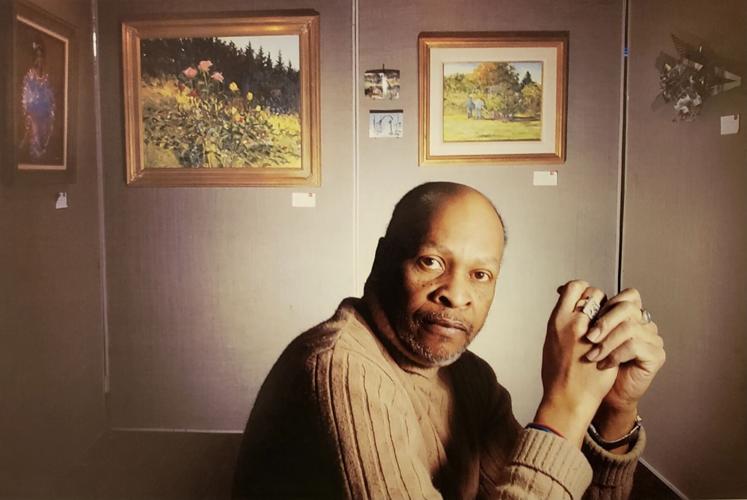
Bob Ragland, a teacher, an award-winning artists and longtime Denver resident known for his "heat and eat" mantra and for cheerleading those around him died on April 10 in his Whittier home. He was 82.
Courtesy of Mark Ragland


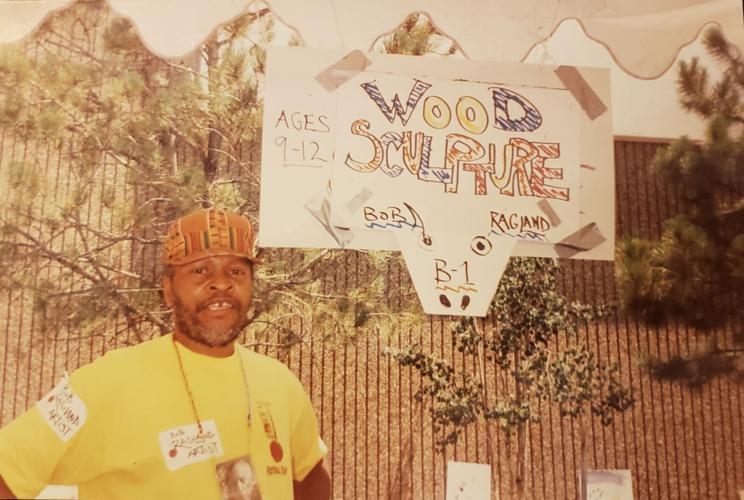
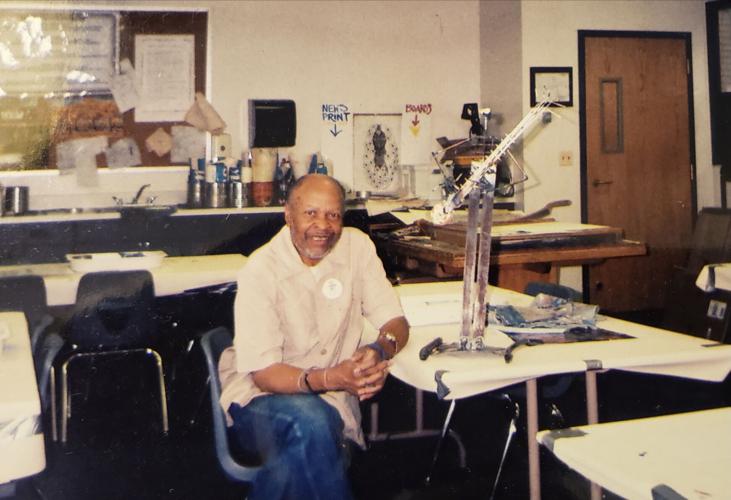


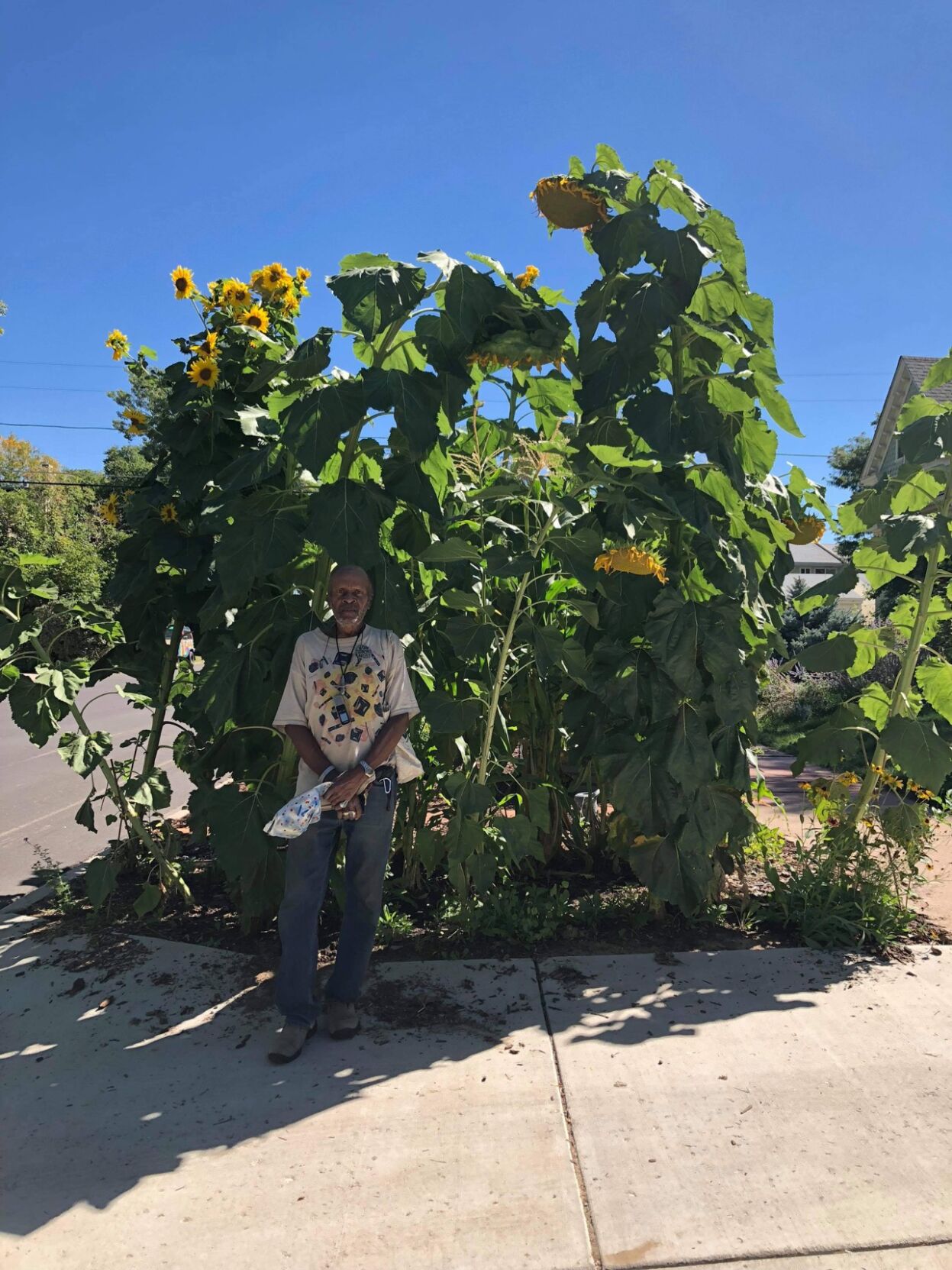
Bob Ragland was a teacher and an award-winning artist known for his “heat and eat” mantra and for cheerleading those around him.
The longtime Denver resident died on April 10 in his Whittier home. He was 82.
The art community knew Ragland as someone who crossed multiple channels that include paintings, drawings and sculptures. His “Flute Player with Corn Row Hair” remains on display at the Kirkland Museum near Denver’s Civic Center.
The nationally known artist was commissioned by prominent figures such as President Jimmy Carter and former Colorado Lt. Gov. George Brown to produce pieces of art for their collections.
But beyond his success as an artist, many in Denver’s art community remember Bob Ragland as someone whose passion for the arts was just as fierce as his passion for those around him.
“He found some tools that worked great for him and helped him flourish in the Denver art community, but he was just as passionate about sharing his tips and tricks to make sure others also succeeded,” said Dominique Wallace, a former student of Ragland who considered him his mentor.
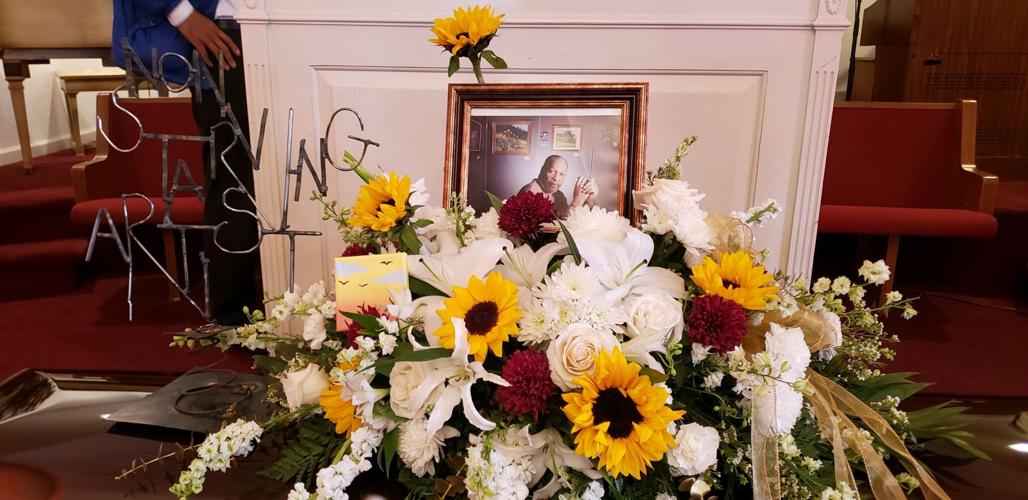
Wallace met Bob Ragland while Ragland was a teacher at the Denver Public Schools Career Education Center in 2005. She said what made him different was his “Non-Starving Artist Program,” that taught everyone the necessary tools others did not.
“He helped me with a lot of art techniques, but more importantly, he taught me how to do my own PR, how to reach out to people,” Wallace said. “That’s what ‘Non-Starving’ Artist was all about … you have to put in the work to ‘eat and heat’ as he would say.”
For decades, Bob Ragland was known to stroll to the Denver Public Library every day. Along his way he’d stop and sketch a flower, a bird, or anything that caught his eye.
Eventually he’d reach the library where he’d spend hours reading various newspapers and researching ways to become more successful. Over the years, he wrote two books, teaching fellow artists how to become successful at their skill level.
“He never really critiqued people, but constantly tried to support everyone in any way he could,” said Jennifer Mosquera, a friend, neighbor and fellow artist.
Samantha Lobato, a former student of Bob Ragland at DPS CEC in 2010, said her mentor’s reach far exceed just the art world, into everyday life.
“I had some family hardships that impacted me greatly, and Bob was one of the first people to reach out,” Lobato said. “He reminded me to always look for the lesson and that sometimes sunflowers were 10 feet tall.”
In 2016, Lobato who then a student at the University of Denver studying art and film, produced a short documentary about Ragland, titled “Rags to Riches.” She said her hope was at least one struggling artist would see the film and reach out to Bob Ragland for tips.
“I just wanted to share his words with other young artists who were trying to make their path, because I know how impactful they have been on my life,” Lobato said.
Those words carried over into his home and inspired not only his students and fellow artists, but his three sons Ricky, Mark and Allan.
Bob Ragland constantly preached his “Non-Starving Artist” motto to his children to assure they were successful in every aspect of life, but also shared his love of art and people with them.
“The big thing that sticks with me is getting in the Volkswagen and driving around and going to art shows. (That) absolutely stands out to me,” said Mark Ragland.
“It was time for us to just talk, laugh about stuff, he’d share life lessons and at the same time tell us to be kind and treat people nice.”
Bob Ragland and his sons were known to frequent art museums and shows in and around Denver. Sometimes they’d even travel the country, Mark Ragland said.
Mark said his father’s biggest lesson was to give 100% in everything that you do.
“He really showed and gave me the confidence that I could do whatever I wanted to do, because he said ‘look, I’m going to be an artist,’ so he dedicated his life to it and it worked,” Mark Ragland said.
“The ‘Non-Starving Artist’ mantra is within me, and because of that I put everything into everything I do.”
Mark grew older and had two children Shane and Carrin. Bob Ragland grew incredibly close to his granddaughter as they both had a love of drawing.
The two were known to frequently exchange cards or pictures with the intent of making one another smile. The last exchange between Bob Ragland and his granddaughter was when she placed a drawing inside of his casket on Friday, Mark Ragland said.
Ragland was born on Dec. 11, 1938 in Cleveland, Ohio. His parents were Carrey and Violet Ragland. He enlisted in the Army at 18 and was stationed at Fort Carson in Colorado Springs.
After his service, Bob Ragland moved to Denver in 1959 and began working for the United States Post Office. He enrolled at the Rocky Mountain Art School and learned to weld at the Emily Griffith Opportunity School.
Seven years later, Ragland held his first art show in the basement of a local church that he rented for $10. He sold nearly half of his merchandise.
As his established a national reputation as a painter and sculptor, he traveled extensively to obtain new subjects for his painting, holding exhibitions such as the Jewish Community Center Collectors Mart. But his most famous shows were the ones on the front porch of his Whittier home.
Bob Ragland is survived by his three sons, his sister Vivian Dotson, and numerous nieces, nephews, grandchildren and great grandchildren.
A memorial service was held on Friday at Taylor Funeral & Cremation Service in Aurora, and nearly every artist that knew him brought their business card, “in their pockets, ready to pull out, because they all just knew, if they were going to go to Bob Ragland’s memorial they better have a business card to prove that they were doing what Bob told them to do,” said Diane Ragland, Mark’s wife.
But as the art community mourns the loss of the savvy, intelligent, and kind artist, they know his legacy will live on.
“His impact can be seen in the connections he made with other people,” Lobato said.
“If you scroll on his Facebook page you can read the tributes that are novel in lengths about the impact he’s made for one artist, or community member. I’m thankful he was a part of my life, and as long as we’re still around, his message will never go away.”