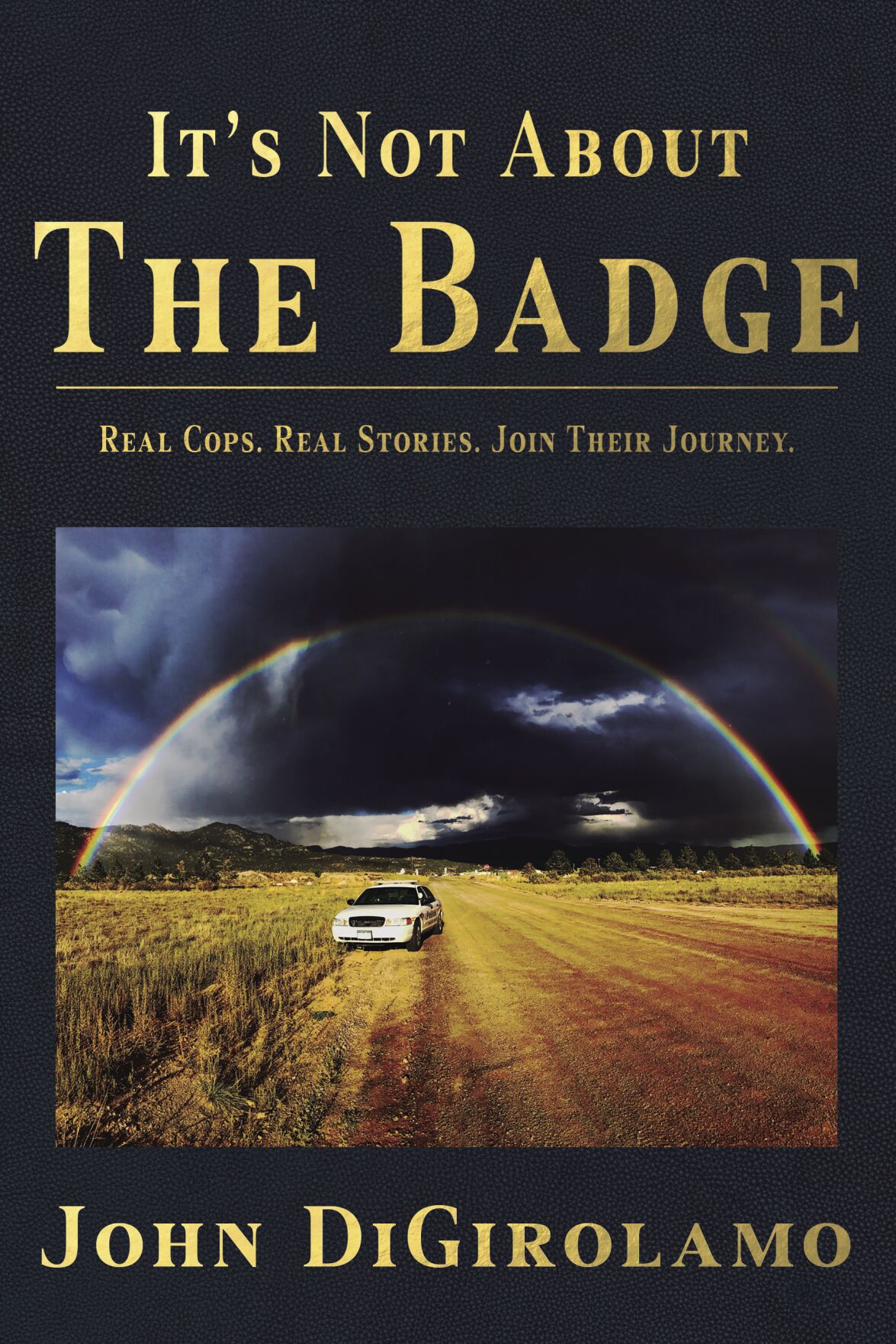
Coloradan’s new book a tribute to rural police
Until recently, the last time John DiGirolamo talked to a cop was about a decade ago when he was ticketed for speeding on Colorado’s Interstate 25.
“Obviously, when you have your kid go into that type of field, it becomes more interesting,” DiGirolamo says.
His kid, Megan, started as an officer in Buena Vista on her 21st birthday. That was 2017.
Flash forward to 2020, and DiGirolamo’s feelings on the police reached a new emotional level.
“As the summer of 2020 raged on with daily protests, riots, looting and calls for defunding the police, I only saw one version of police officers portrayed in the media,” he writes in his new book, “It’s Not About the Badge.”
DiGirolamo continues in the introduction: “Rarely did you hear from the police officers themselves, especially from rural America.”
That’s the intent of “It’s Not About the Badge.”
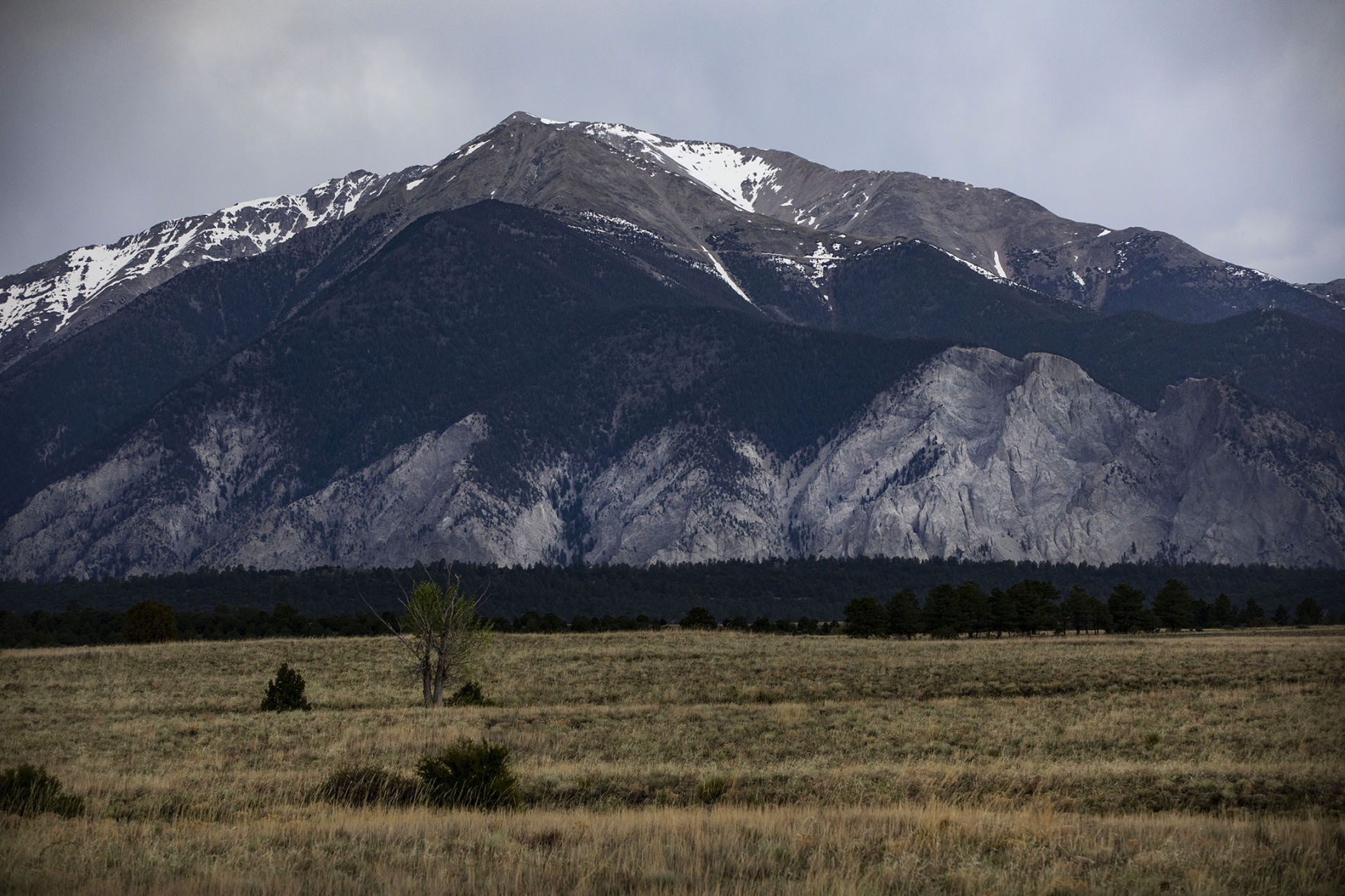
DiGirolamo, a career accountant with a lifelong affinity for writing, tells stories told to him by six men and women in uniform. Most are from his home in Chaffee County. DiGirolamo moved here to be closer to his daughter after she joined the local force.
“This book is not meant to be a political statement,” he says.
And yet, it is sprinkled with political undertones.
At the beginning, we find a sergeant struggling through the morning “[w]ith the protests of George Floyd’s death dominating the airwaves and internet,” DiGirolamo writes. He continues: “It didn’t matter if deaths like George Floyd were rare. It was tough enough to do this job, but without public support, it was becoming less than its usual thankless job.”
The book includes no mention of the harsh realities of those deaths in American policing, nor the broader, racial disparities that have been increasingly documented.
For instance, the Harvard School of Public Health published a study last year finding Black people were three times as likely to be killed by police than white people across the country, with rates in the West relatively higher. Also last year, while noting a significant decline over the last 15 years, Pew Research Center still found inequity in Black incarceration — 1,501 imprisoned per every 100,000 adults, compared with 268 per every 100,000 white adults.
Different, disturbing data are referenced in “It’s Not About the Badge,” those showing suicide rates in police ranks are higher than in the general public.
DiGirolamo says his mission with the book was simple: “I hope people take away some perspective of what it’s like to be an officer, and the experiences that they go through.”
In the book, the experiences range from traffic stops and responses to dog bites, to more intense instances of domestic violence, to unimaginable horrors. From one member of the SWAT team, DiGirolamo recounts the 2006 nightmare at Platte Canyon High School when an intruder held seven female students hostage, sexually assaulted them and killed one.
DiGirolamo tells of other officers’ worst days on the job. One remembers arriving to the scene of a teenager’s suicide, followed by a stop to a house fire, where he sees two more dead bodies. At the end of the day, DiGirolamo retells the emotional conversation the officer had with his wife.
With creative license — scenes and dialogue are based on extensive interviews, he says — DiGirolamo aims to capture these professional and personal intersections. They can be staggering, such as when one, Jesse Cortese, experiences the heart-pounding fear of almost shooting a knife-wielding man, only for the threat to be tackled and resolved before a call comes in from his wife. She just landed at the airport and wanted to make sure Jesse watered the plants while she was away.
“The goal was not to make these guys look like heroes,” DiGirolamo says. “They’re real people.”
Real people who can be restless. That’s how DiGirolamo depicts Dean Morgan, who reports still sleeping with a stuffed gorilla.
DiGirolamo writes of the man who is now Buena Vista’s police chief: “Dean Morgan woke up with his hand balled up in a fist, punching his pillow. He’s been dreaming, angry at what happened just a few weeks earlier.”
A few weeks earlier in 2012, in an episode that garnered statewide media attention, Morgan shot and killed an 18-year-old who appeared to draw a gun after a high-chase pursuit. District attorneys in Lake, Saguache and Chaffee counties later found Morgan justified.
DiGirolamo writes of Morgan giving advice to his daughter, Megan, upon starting with the department: “You have to be pretty thick-skinned around here.”
Of everything that happened after her hire in 2017 — dead bodies on scenes, a fellow officer’s suicide, anti-police posts on social media — it was a second grader that got to Megan, her father writes.
“Don’t shoot me,” he recounts the boy saying while Megan was stationed at the school. To which Megan responded: “Why would you say that?”
It was a question she pondered to herself, feeling stress mount.
“Officer DiGirolamo slowed down her breathing, dropped her shoulders and felt a strong sense of sadness,” her father writes. “Her heart was a little bit broken.”