







Councilwoman Deborah Ortega reflects on decades of serving Denver
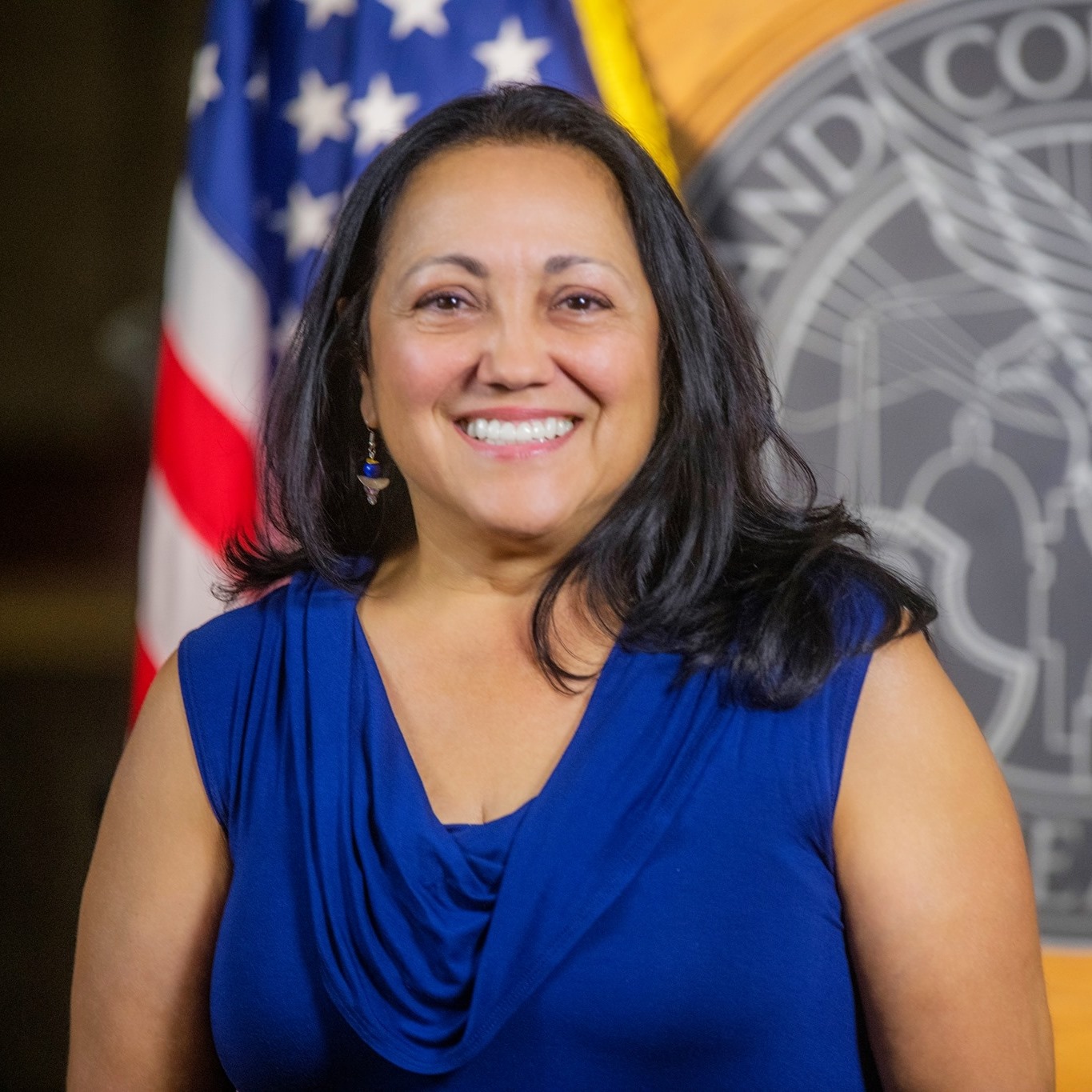
Councilwoman Deborah “Debbie” Ortega is the current Denver City Council’s longest-serving member, having sat on council for more than double the number of years new members will ever be able to.
Ortega was first elected to the council in 1987, serving until 2003 when she reached her term limit. However, a change in term limit requirements allowed Ortega to return to the council for a possible three more terms, being elected to an at-large position in 2011 and re-elected in 2015 and 2019.
Ortega began her life of public service even before her extensive council career, working for former Lt. Gov. George Brown when she was only 17, followed by Sen. Floyd Haskell soon after. Ortega later worked for Denver Councilman Sal Carpio for eight years, who she would succeed when he didn’t run for reelection.
When Ortega’s current term comes to an end in 2023, she will have spent 28 non-consecutive years on the council. Now, halfway through her final term, Ortega talked to The Denver Gazette about her time serving Denver.
What first made you want to become a city council representative?
There were a lot of issues. Environmental issues were really big. The Asarco smelting site used to be in the Globeville neighborhood which resulted in the huge contamination of heavy metals in Globeville and Elyria-Swansea. Getting that cleaned up was an important part in a lot of the work I did. I was also really focused, and continue to be focused, on affordable housing. I’m the board president of a nonprofit organization called Del Norte that has been around for 42 years and has built all different kinds of affordable housing, for-sale as well as rental. Also, since I began, I’ve worked on trying to ensure that neighborhoods know how to navigate accessing city resources and influencing decisions about issues that would impact their neighborhoods. A big part of the work that I’ve always done is try to empower the neighborhoods and teach them how to be vocal and influential in effecting things targeted toward them.
What are some highlights from your council experience so far?
Councilwoman Robin Kniech and I worked on the commitment to local hire in all of our big construction projects and making sure that we’re setting goals. We’re actually working on an ordinance that will codify a process that we’ve been doing where, every so often, the city does bond projects that are working on very large and expensive projects in neighborhoods. This basically sets goals to make sure we’re hiring people from our local community. And part of that is tied to our skilled trades and apprenticeship programs. It’s creating the opportunity for people in targeted neighborhoods to take advantage of livable wage job opportunities and the training that’s provided. I’ve been very involved in an entity called Work Now which interfaces with contractors to ensure people who need work are being screened and referred to the training program of their choice, and then getting plugged into employment opportunities. That is something I want to make sure continues well beyond my leaving.
One of the other things I’ve been working on is the issue of railroad safety and development adjacent railroads, specifically those that carry hazardous cargo. That is so we have very clear guidelines for how we address health and safety concerns. We want to make sure we’re addressing our responsibility as local government leaders, ensuring that you mitigate identified vulnerabilities. We’re having a lot more development being built next to rails and we have to make sure we’re protecting the people who are going to be living and working near the tracks. One of my staff members has pulled data from cities in Canada where those standards exist. We’re getting close to having all of this data compiled and we’re going to sit down with the planning director to walk through changes that need to be made to the planning process.
I also chaired the charter review committee last year that looked at changes that the council was able to get on the ballot for voters to address the imbalance of our strong mayor, weak council form of government. Council was successful in putting a package of recommendations before the voters and they all passed. One of those, which I put forward, was to give council the ability to hire professional services, to allow us to be more informed on how we’re making decisions. For example, when the Great Hall Contract came before council, we were given a week to look at a 34-year, $700-million contract. The hard copy was two file boxes full of documents, not including the financials. Some of us council members decided to pull our funds and hire someone to help us look at the contract, but the city attorney said we couldn’t do it. They said only the city attorney’s office could hire lawyers, even though they weren’t representing us. This provision from the ballot last November now allows us to hire professional services to make better decisions.
As a council member, what are your priorities for the future?
A big one is affordable housing. As a city, when looking at affordable housing, it’s critical that we address affordable for-sale housing because it’s how communities of color can build wealth and earn equity. I would love to see us find a way to continue to do that and make it a priority where the city owns land and ensures different price points for people. I don’t want us to be a city that becomes so elite that you have to earn a certain income to live here. What has made Denver a great city is its diversity of economics, ethnicities, age, gender, everything. If we don’t try to be intentional in preserving that, it could all go by the wayside.
Homelessness is an issue that collectively we need to figure out how to solve and I really believe that one of the solutions is looking at regional solutions — pulling resources from neighboring jurisdictions and not expecting the center city to have all the solutions. So many of the people experiencing homelessness aren’t just from Denver, they’re from throughout the metro area. Another critical part that we always underestimate with how we solve homelessness is creating genuine opportunities for employment to end the cycle of homelessness. It’s not only about housing, people need something constructive to assist and support them. That’s a vital piece to people feeling reconnected back into the community. That’s why our local hiring work is so important.
I’ve always seen myself as a servant leader, being here to be a catalyst for our community, to ensure their voice is being heard and we’re incorporating neighborhoods and community input into the decision-making process. We did that during the rewrite of the group living ordinance — we had representation from neighborhoods as a part of that process, we didn’t want to do that without ensuring neighborhood voices were included. I think it’s just an issue of helping people realize and understand that their engagement makes a difference. If my council legacy is anything, it’s trying to have been that catalyst to empower communities and help them be successful and influential in trying to get what they need.
This interview has been edited for length and clarity.