







Wet week tamps down fires, higher temps could increase fire danger
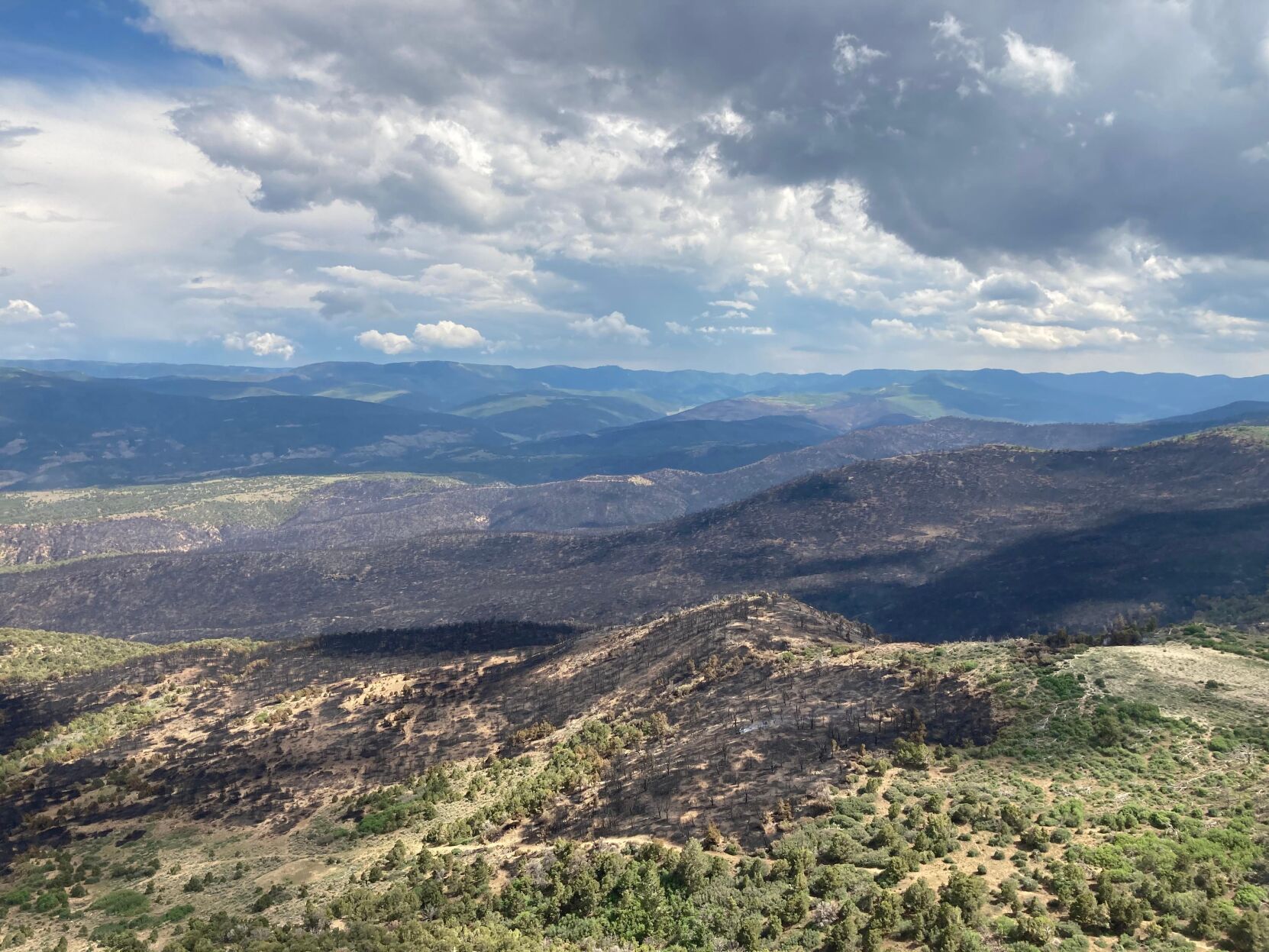
A wet week tamped down wildfires across the Western Slope and helped firefighters control their spread, however over the coming week fire danger could be higher with hotter temperatures.
Firefighting crews on the state’s three largest fires all made significant progress thanks in part to rain, higher humidity and lower temperatures.
The Oil Springs fire that scorched more than 12,600 acres south of Rangely is 97% contained, the Sylvan fire that’s burned nearly 3,800 acres south of Eagle is 58% contained and the Muddy Slide fire west of Kremmling, now about 4,000 is 39% contained, according to a federal incident information system.
“They have made excellent progress. … All the fires are transitioning to smaller teams,” said Larry Helmerick, a spokesman for the Rocky Mountain Area Coordination Center, which works to organize firefighting efforts across five states.
The fires were sparked by lightning or causes still under investigation following two years of drought conditions and extremely high temperatures in June that set up severe fire risk.
“We were looking at record temperatures across most of the area,” said Kris Sanders, a meteorologist for the National Weather Service in Grand Junction.
The recent rain has helped but fine fuels like grass and shrubs can dry out quickly increasing the fire risk.
Afternoon thunderstorms Sunday and Monday could provide some needed moisture. But later in the week, the Western Slope could dry out and Thursday could bring wet and dry lightning that could start new fires, Helmerick said.
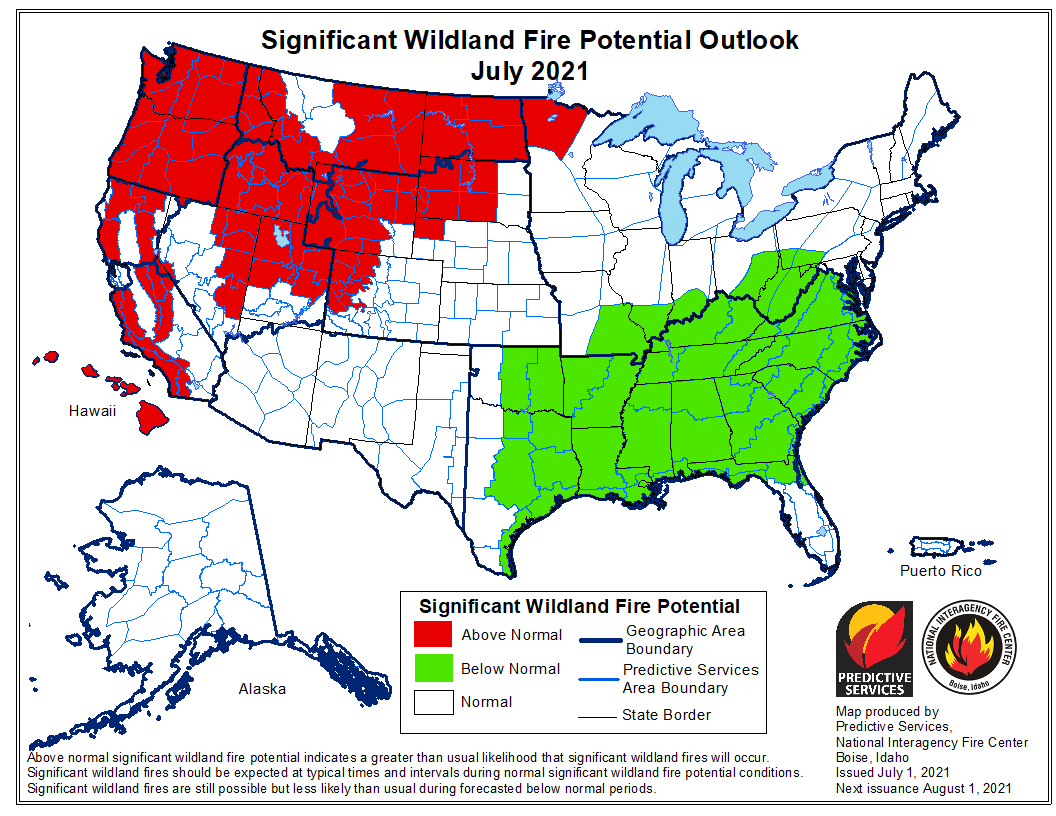
The long-term forecast for July predicts above-average fire potential as well, he said.
The state’s large fires are also expected to continue burning, in part because they are in remote and rugged territory.
Sylvan Fire spokeswoman Tracy LeClair said the wet weather helped slow the fires, but it also hampered crews working on slick roads. The western and southeast corner of the fire is also expected to be more difficult to firefighters to access and put in fire line, or areas where vegetation is removed to keep the fire from spreading. Crews also brought in logging equipment that can gather trees in a giant claw and fell them to help clear fire line, she said.
As the weather changes —highs are expected to reach 89 in Eagle later this week— firefighters may need to rely on indirect methods of slowing the fire including aircraft that can drop fire suppressant or fire lines farther afield where firefighters can work safely, she said.
The fire may also run into unburnable terrain on the western side that could help stop it.
On the fire’s northeastern edge it’s burned down to the banks of Sylvan lake, inside a state park that’s been closed during the fire.
The fire didn’t damage any infrastructure at the park, but it’s unknown how severely the park burned, said Travis Duncan, a spokesman for the agency.
The agency is aiming to reopen the lake on July 13, but that will depend on an assessment of the burn scar, he said.
