







Denver metro leaders celebrate economic recovery, set sights on homelessness in State of the City

Hannah Metzger/ The Denver Gazette
Hundreds of regional business leaders from the Denver metro region celebrated economic recovery and discussed ongoing challenges at the Denver Metro Chamber of Commerce’s 2021 State of the City address.
Politicians and business professionals told the group homelessness and housing costs remain barriers for the Denver metro area.
“This past year and a half has not been easy for any of us,” said Kelly Brough, CEO of Denver Metro Chamber of Commerce. “It’s clear our economy is on the way back, though.”
Brough said Colorado regained 79% of the jobs lost during the COVID-19 pandemic, giving the state the 12th fastest private sector recovery in the nation. CNBC ranked Colorado as the 8th best state for business.
Brough said rising costs in Colorado are “concerning.” She said Colorado is ranked 38th for lowest cost of doing business and rising housing costs slid Colorado from 2nd best place to live to 14th in recent years, with the median Denver-area home price reaching over $545,000 last month.
Denver requiring vaccines for city employees, teachers, high-risk workers, first responders
Englewood and Wheat Ridge mayors emphasized the importance of increasing affordable housing and homeless resources in the Denver metro region during a panel discussion.
Englewood Mayor Linda Olson said her city’s small economy weathered the pandemic due to neighborly business practices and federal assistance. She expressed grave concern about a local crisis triggered by the end of the federal eviction moratorium.
A Census Bureau survey found 40% of Colorado adults were vulnerable to not being able to pay their rent or mortgage next month, 25% of which are in Denver alone.
“I think the next two months are going to be critical,” Olson said. “We’ve got to really focus over the next two months or we’re going to have a major crisis on our hands.”
Englewood is working in partnership with Littleton and Sheridan on plans to create the area’s first homeless shelter, Olson said. Last year, a survey found that Englewood’s school system had 300 families experiencing homelessness, she said.
Several Denver-area public health agencies recommend wearing masks
Wheat Ridge Mayor Bud Starker said his city launched a navigator program to connect homeless residents to services and is working to diversify its housing stock, increase affordable housing options and expand affordable housing eligibility.
Those efforts align with Denver Mayor Michael Hancock’s State of the City address last month, during which he named addressing homelessness as his top priority during his final two years in office.
On Tuesday, Hancock reaffirmed his commitment to increase homeless shelters including hotel and motel rooms, tiny home villages, managed homeless camps and safe parking spaces.
In addition, Hancock said the city will expand housing vouchers, rental and utility assistance, eviction-protection programs and affordable housing, putting $28 million of federal recovery funds into Denver’s Affordable Housing Fund, pending approval by the City Council.
However, Hancock said housing is not the only solution for homelessness.
Upcoming State Fair to launch inaugural 'Governor's Plate' challenge
“Our encampments are not just a reflection of a housing problem,” Hancock said. “Our challenge is fueled by a challenge of mental health, mental illness, drug addiction and the opioid crisis. … If we’re going to be effective, we must deal with these issues effectively. We must be honest.”
Hancock emphasized the need for an increase in drug rehabilitation and mental health resources and called on the federal government to do more to help cities address homelessness.
From 2010 to 2017, the number of homeless residents in the Denver metro area dropped from 8,752 to 5,116, according to annual surveys. But since 2017, that population grew, reaching 6,104 in 2020. Of those homeless residents, 1,561 are unsheltered.
“Denver is one of the first cities to roar out of the collapse of the pandemic in terms of recovery,” Hancock said. “We must do everything necessary to keep our community on the path to recovery.”


Milahnie Perry’s final shot at home sets Air Force women’s all-time scoring record
Brent Briggeman
brent.briggeman@gazette.com
Updated 28 minutes ago
Milahnie Perry’s last game in Clune Arena will live on in the Air Force record book. No. 2 is No. 1. Honored before the game as part of Senior Night, Perry then scored 26 points – she needed 24 –...

Brent Briggeman
Reporter

As rates dip below 6%, Denver agents see market come alive with multiple offers
Mark Samuelson
mark.samuelson@denvergazette.com
Updated 1 hour ago
When Mile Hi Modern agent Brandy Pfalmer’s clients put in an offer on a $1.025 million home in Denver’s Park Hill neighborhood last week, her clients added an extra $75,000 to sweeten the deal. But that wasn’t enough. Ultimately, Pfalmer’s buyers...

Mark Samuelson
Reporter

Colorado Supreme Court signals intervention in dispute over treatment for trans children
Michael Karlik
michael-karlik@denvergazette.com
Updated 3 hours ago
The Colorado Supreme Court ordered Children’s Hospital Colorado on Tuesday to explain why it should not direct the organization to resume providing certain types of services to transgender children in compliance with the state’s non-discrimination law. Last month, a Denver...

Michael Karlik
Reporter

CDOT starts $2 million bridge maintenance on I-270/U.S. 36 over I-25
Scott Weiser
scott.weiser@gazette.com
Updated 5 hours ago
The Colorado Department of Transportation has begun preventative maintenance on the bridge carrying U.S. 36 and Interstate 270 over Interstate 25, a $2 million effort to repair early wear, improve driving safety and delay a full replacement in a heavily...

Scott Weiser
Reporter
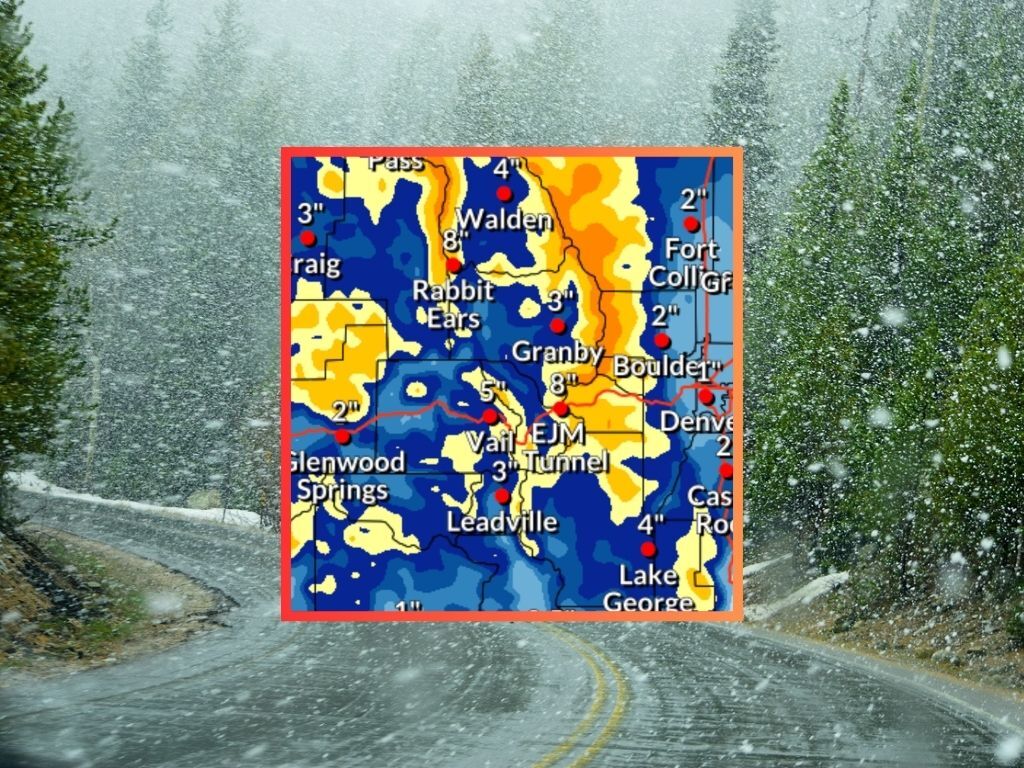
12-plus inches of snow could hit Colorado peaks by start of weekend
Spencer McKee
spencer@outtherecolorado.com
Updated 5 hours ago
A shift in weather is on the way to Colorado, with more snow expected in upcoming days – first in the mountains and then along the Front Range metro area. Per reporting from the National Weather Service, in the most...

Spencer McKee
Reporter

Report claims poor living, health, food conditions at Aurora ICE detention center
Kyla Pearce
kyla-pearce@denvergazette.com
Updated 3 hours ago
A report released Monday by a coalition of nonprofit organizations around the metro Denver area claimed a variety of living condition and medical concerns at the U.S. Immigration and Customs Enforcement processing center, which is run by GEO Group. A...

Kyla Pearce
Reporter

Over 60 Colorado school districts look for candidates at recruitment fair
Sage Kelley
sage.kelley@denvergazette.com
Updated 5 hours ago
Colorado school districts are looking for the next generation of teachers and employees this weekend. The Colorado Educator Recruitment Fair will be held from 8 a.m. to 4 p.m. on Saturday at Frederick High School — located at 5690 Tipple...

Sage Kelley
Reporter

Denver’s historic Brown Palace Hotel is for sale
Bernadette Berdychowski
bernadette.berdychowski@denvergazette.com
Updated 10 minutes ago
The Brown Palace Hotel and Spa was listed for sale, a spokesperson with commercial real estate firm Newmark confirmed Tuesday. The Brown Palace is one of the oldest-running hotels in Denver. Its current owner, Crescent Real Estate, bought the building...

Bernadette Berdychowski
Reporter
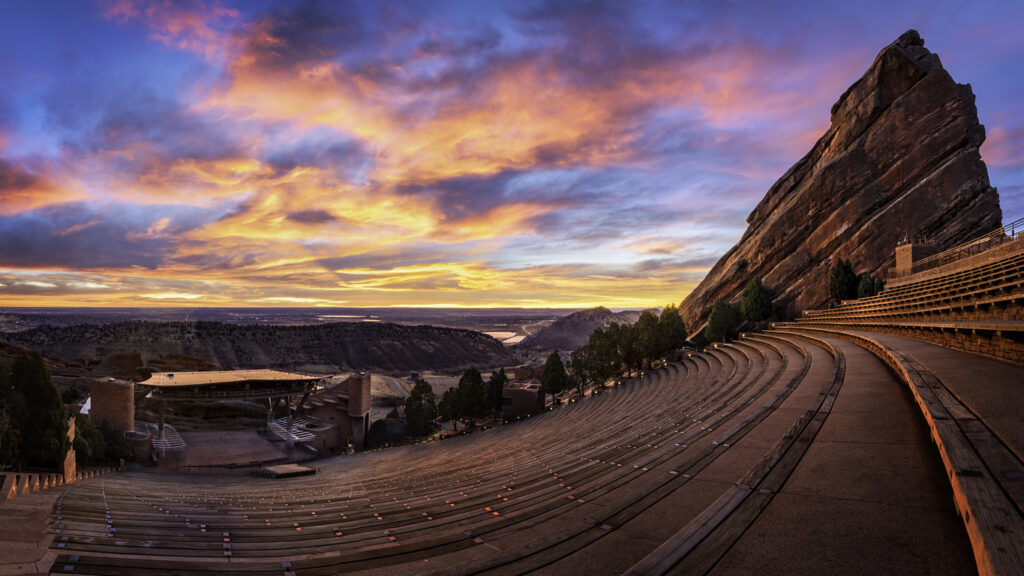
Recently announced shows bring Red Rocks’ event list to 132 for 2026
Spencer McKee
spencer@outtherecolorado.com
Updated 5 hours ago
Curious what events are set to take place in 2026 at a spot that many consider to be Colorado’s ‘most iconic’ music venue? In our latest update, we highlight 21 recently announced Red Rocks Amphitheatre shows that are on calendar...
Spencer McKee
Reporter

Trump faces first domestic test on Iran conflict with Senate war powers vote
Ramsey Touchberry Washington Examiner
ramsey-touchberry-washington-examiner@denvergazette.com
Updated 6 hours ago
Administration officials are scrambling to sell members of Congress on President Donald Trump’s military operations in Iran ahead of bipartisan attempts to limit his war powers in the Middle East without approval from lawmakers. The Senate and House are set...
