







Inslee demands apology for friendly op-ed that wasn’t approved by his office first
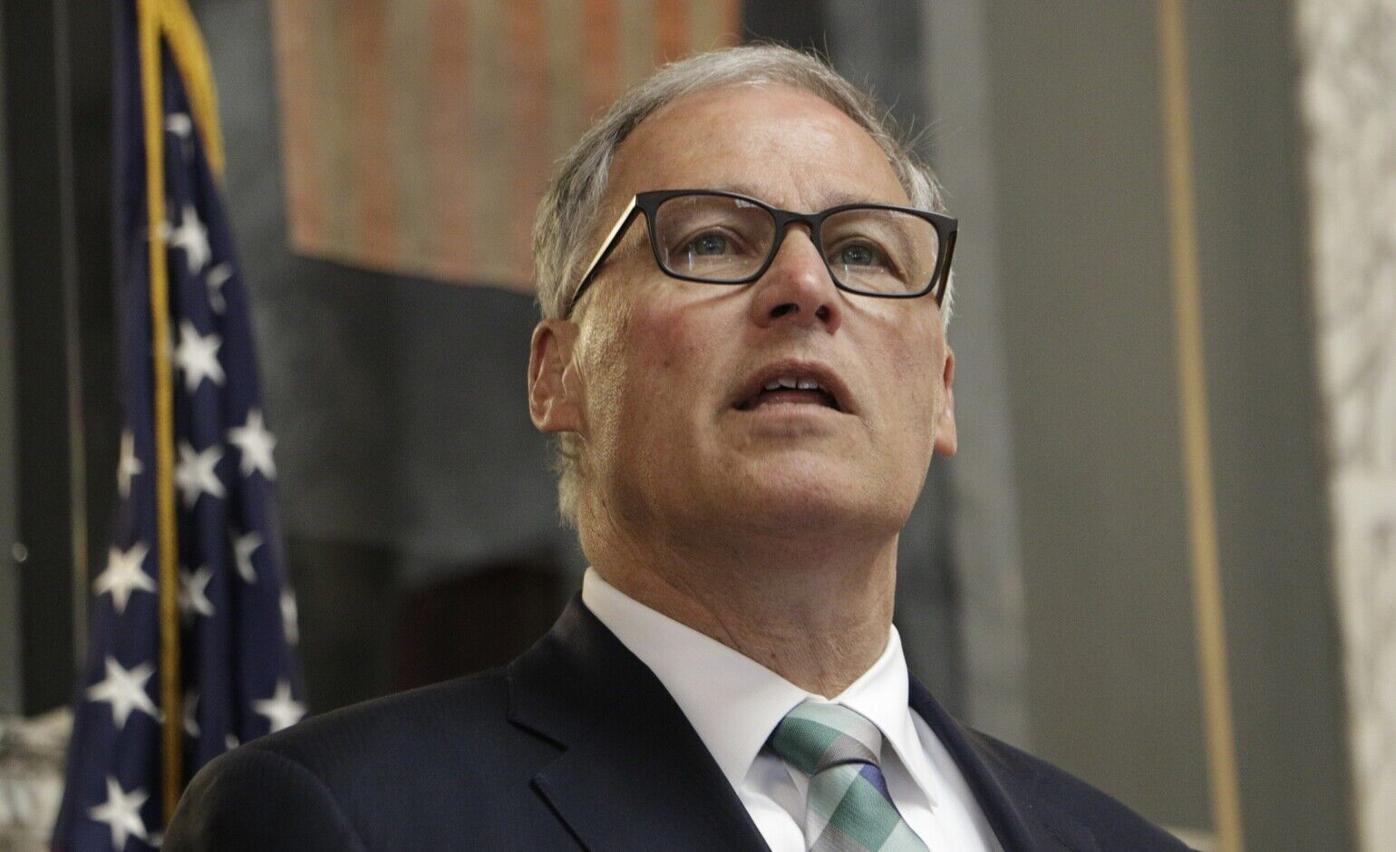
In a case of no good deed going unpunished, Washington state Gov. Jay Inslee’s office has objected to a recent op-ed published in The Seattle Times citing Washington State Department of Health (WSDOH) COVID-19 data indicating “about 95% of foreign farmworkers were vaccinated this year and none died from COVID.”
The Oct. 12 op-ed was penned by Leslie Aaron of the Portland, Oregon-based nonprofit humanitarian aid agency Medical Teams International (MTI) and Dan Fazio, director and board chair of the Washington Farm Labor Association.
The governor’s office called MTI to scold the state contractor, as first reported by the Capital Press.
The follow-up by the governor’s office to MTI was prompted by complaints from farm labor activists opposed to the H-2A program that helps farmers fill employment gaps by temporarily hiring workers from other countries.
The governor’s office got an apology from MTI for not clearing the op-ed with the WSDOH. MTI also agreed to re-examine its media protocols.
Inslee spokeswoman Tara Lee indicated the governor’s office was concerned because the health department was referred to in the op-ed and MTI is a contractor.
“We would have asked that we not be attached to data unavailable to us beforehand,” she told Capital Press.
Dillon Honcoop, communications director with Everson-based farm advocacy group Save Family Farming, does not understand the objection to a commentary piece highlighting the successful partnership of H-2 employers, the health department and MTI.
“It’s amazing that a positive statistic can cause this level of backpedaling,” Honcoop said. “But at the same time, it demonstrates not only the outsized influence a few extreme labor activists have on state government, but also how much the activists’ harmful agenda relies on negative outcomes for farm workers to continue a false narrative about farming.”
That false narrative, according to Honcoop, includes the notion there is not a severe farm worker shortage in Washington state and the idea that working in agriculture is akin to slave labor.
High vaccination rates, Honcoop said, also run counter to conventional wisdom and claims by domestic farmworker advocates that foreign agriculture laborers are especially vulnerable to the virus.
The op-ed makes clear the funding for mobile vaccine clinics for H-2A workers came from the health department and notes that, “Vaccination rates for H-2A workers at employer-owned congregate living facilities is running about 95%, almost double the rate of the local communities in which we operate.”
It also trumpets a lack of COVID deaths among farmworkers in 2021.
“There have been no COVID related deaths among the more than 25,000 seasonal foreign workers this year,” the op-ed said. “Sadly, last year, two H-2A workers in Brewster lost their lives when there was a massive outbreak in that small farming community. It was subsequently determined by the CDC and the state DOH that workers living in employer housing were three times safer than people living in the general community.”
Earlier this year, Washington state reached a settlement with Brewster-based Gebbers Farms, LP to have the farm spend more than $2 million to improve housing, quality of life, safety, and health care access for farm employees and their families.
Last year, two inspections by state officials found unsafe sleeping arrangements in temporary worker housing, as well as unsafe worker transportation during the pandemic.
Reporting on the success of this year’s farmworker clinics via an op-ed in The Seattle Times would appear to be a boon to the governor’s office.
“Honestly, I’m amazed at how our society has politicized issues related to health, but this is just a personal observation,” said Bruce Pinkleton, dean and professor of the Edward R. Murrow College of Communication at Washington State University.
Op-ed co-author Fazio was on Honcoop’s KGMI radio show recently and noted he had pointed out an error in an Aug. 24 editorial board piece in The Seattle Times regarding heat protections for farmworkers.
“The Seattle Times got it wrong and did a retraction, and you know, they said, ‘We’re sorry. The facts weren’t right. We cut and pasted a United Farmworkers, you know, piece and passed it off as our editorial,” Fazio told Honcoop during the radio interview.
He noted the timing of the op-ed touting good news on farmworker vaccines and no COVID deaths.
“I highlighted a mistake in that ST op-ed,” Fazio said. “My PR guy told me that ST acknowledged the mistake and corrected it. It was at that time that he said that ST was interested in our guest op-ed.”
He was more troubled by another aspect of the situation.
“My larger concern was the state Department of Health who forced Medical Teams International to sign a contract stating MTI could only provide their data to the government,” Fazio said. “That is a dangerous precedent, given that so many nonprofits receive government money. For the record, WFLA stopped taking any government money several years ago. We don’t apply for government grants.”
Honcoop expressed frustration with the politics of the situation.
“Farm workers, sadly, are pawns in the activists’ for-profit game,” he said.
Original Location: Inslee demands apology for friendly op-ed that wasn’t approved by his office first
Washington Examiner Videos