







Wine Guy: These producers signify the best of Veneto winemaking
Italy’s Veneto region is home to cultural touchstones such as Venice, Padua and Verona. And to the wine-growing regions of Soave and Valpolicella.
After World War II, the white wine Soave and the red wine Valpolicella became incredibly popular in the U.S., but eventually quality suffered as volumes increased. In recent years, quality-minded producers — such as Azienda Agricola Inama and Tenuta Sant’Antonio — have led a reemergence of these wines.
Soave is made primarily from the indigenous garganega grape, typically crisp with suggestions of citrus, honeydew and a touch of appealing bitterness. Inama is particularly notable for producing impressive Soave. mainly from vineyards around the Monte Foscarino volcano.
Its entry-level Vin Soave (2020, $16) is a fantastic value. But it is Inama’s “cru” Soaves where you can really taste the potential garganega can achieve. Inama has elevated the quality and precision of the grape with the production of single-vineyard expressions. These 100% garganega wines are richer and more complex but still attractively priced.
The 2019 Carbonare ($28) from a 50-year-old hillside vineyard with eastern exposure and diverse basalt soils, showcases plump fresh pear, banana and apricot. The 2019 Foscarino ($28) a special selection from old vines on the volcano, offers brisk apple and pear.
Valpolicella is made mostly from the native corvina grape, notably fresh and elegant, with bold cherry fruit. Sant’Antonio produces a diverse set of estate-grown wines – from young, light Valpolicella to full-bodied Amarone – from the Illasi Valley and Monti Garbi.
The entry-level Valpolicella, 2019 Nanfrè ($15) is typically vibrant and light, with tart red cherry and hints of cinnamon. The 2018 Monti Garbi Ripasso ($22) achieves richer, more intense red fruit flavors and surprising complexity by macerating Valpolicella with grape materials remaining after Amarone fermentation.
At the tip of the Valpolicella pyramid is Amarone della Valpolicella. It is a special type of Valpolicella made using the ancient “appassimento” process of drying the grapes to concentrate the juice. The 2016 Selezione Antonio Castegnedi ($47), a special selection tribute to the Castagnedi family’s father, is an impressive display of power and deep dark fruits, with hints of baking spice, mocha, smoke and tobacco.
But the Castagnedis don’t stop there. They have elevated the appassimento process to produce two wines of remarkable complexity and depth that will evolve for several years. The single vineyard 2015 Campo dei Gigli ($73) bursts with concentrated dark fruits, a dense palate and persistent mocha, anise and spice.
At the epitome is 2008 “Lilium Est” Riserva ($185), a limited production special reserve extensively aged; it is still amazingly fresh, even fruity but with concentrated, dried black fruits, spice, licorice, minerals, woodsy notes, and large scaled richness.

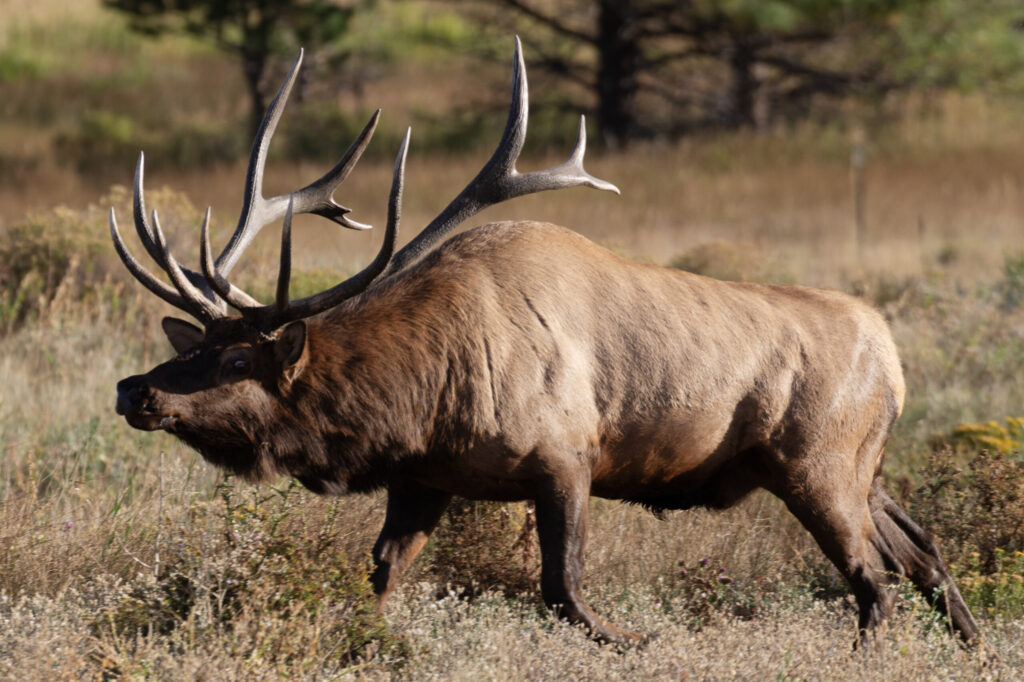
It’s time to apply for big game hunting licenses in Colorado
Seth Boster
seth.boster@gazette.com
Updated 15 hours ago
Colorado Parks and Wildlife’s new big game brochure has been hitting hunters’ mailboxes ー the annual reminder to start planning for the seasons ahead. CPW also reminded in a recent social media post: “Whether you’re after a long-awaited lifetime tag...

Seth Boster
Reporter
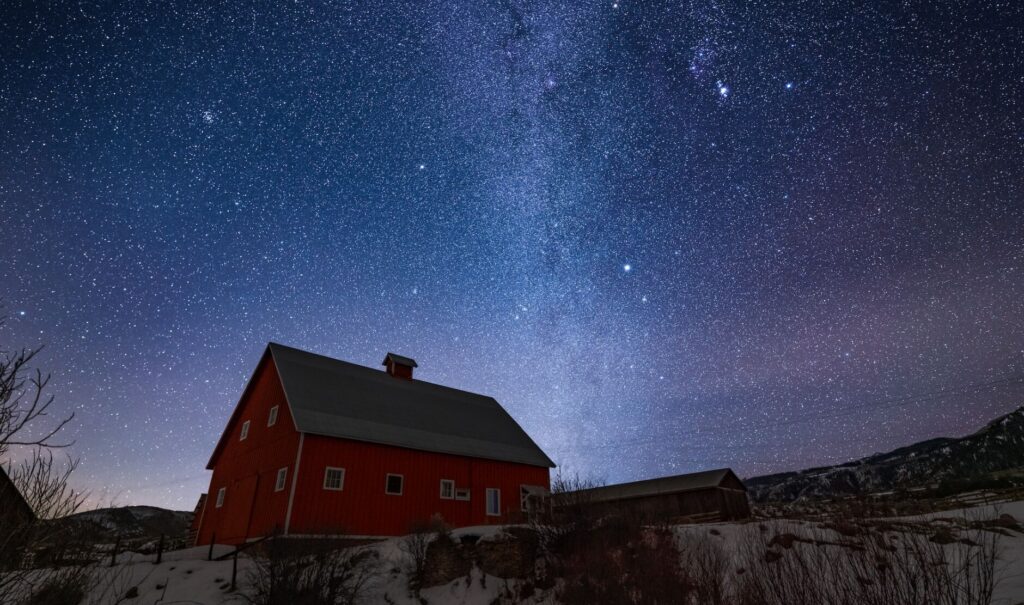
New Dark Sky Community designated in Colorado, joining short list
Seth Boster
seth.boster@gazette.com
Updated 15 hours ago
Another part of Colorado has been recognized for its rare celestial view. In announcing the state’s next Dark Sky Community, DarkSky International described Old Snowmass as a “spectacular corner of the Roaring Fork Valley” ー an unincorporated corner between Aspen...
Seth Boster
Reporter
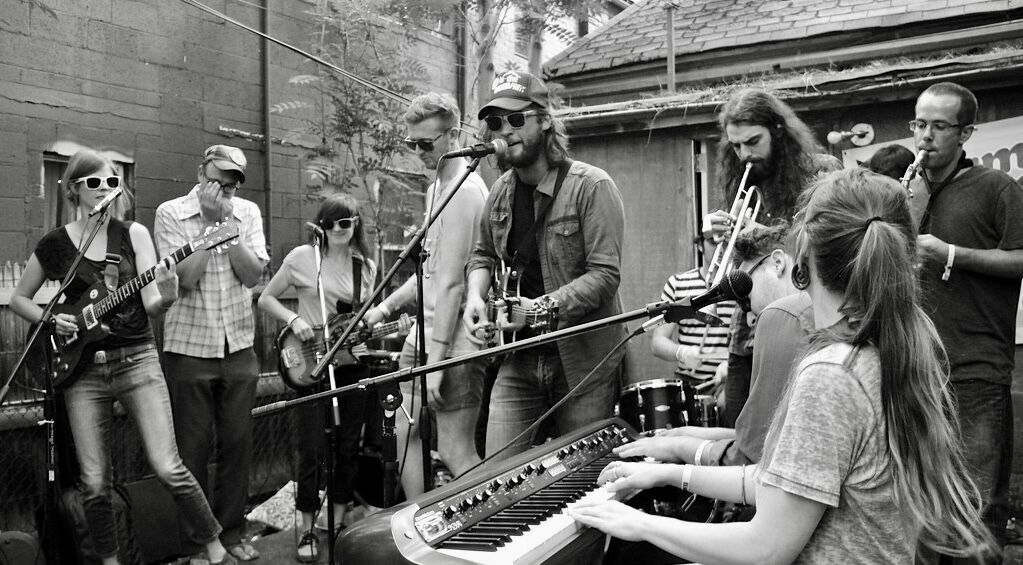
Will Denver’s dueling underground music fests face off at once?
John Moore
john.moore@denvergazette.com
Updated 14 hours ago
Less than a year ago, local music fans collectively pondered whether the summer music festival might be dead in Denver. (To our credit, we opined in this space: “Categorically not.” Actually, our exact words were: “Don’t be daft, punk!”) But...

John Moore
Reporter

Data: U.S. maternal deaths fell in 2024 and may have dropped again last year
The Associated Press
the-associated-press@denvergazette.com
Updated 22 hours ago
NEW YORK — Fewer U.S. women died around the time of childbirth in 2024, a government analysis shows, and provisional data suggests the trend may have continued last year. The U.S. Centers for Disease Control and Prevention on Wednesday reported...

The Associated Press
Reporter
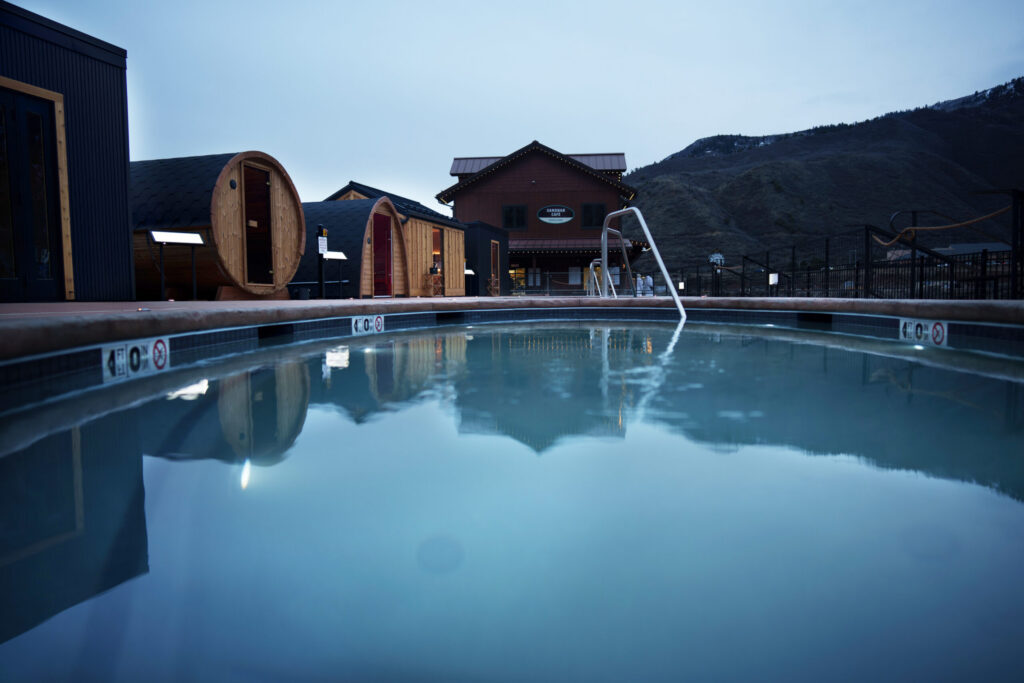
Colorado hot springs celebrates ‘first-of-its-kind’ expansion
Seth Boster
seth-boster@denvergazette.com
Updated 23 hours ago
A hot springs destination in Colorado has marked a “major” expansion. And it’s not exactly the expansion you’d expect at a soaking retreat. In Glenwood Springs, Iron Mountain Hot Springs is calling its newly opened Sauna Summit “the country’s most...

Seth Boster
Reporter

Is your diet causing UTIs? Here’s how it may be at fault
Tribune News Service
tribune-news-service@gazette.com
Updated 3 days ago
Miriam FauziaThe Dallas Morning News UTIs can be painful, and they’re not something people like to talk about. But they happen often, affecting an estimated 60% of women and 20% of men in their lifetimes. While we might view these...

Tribune News Service
Reporter

What it’s like to be part of Denver’s potentially smallest parade
Bernadette Berdychowski
bernadette.berdychowski@denvergazette.com
Updated 3 days ago
The Richey family was up until 1:30 a.m. on Sunday working on their second-ever float entry for the Dairy Block’s Petite Parade in Lower Downtown. Lexi, Scott and their son dressed up in all pink to match their float titled...

Bernadette Berdychowski
Reporter

A Colorado Life: Janelle Orsborn’s final message: ‘Definitely live big’
John Moore
john.moore@denvergazette.com
Updated 4 days ago
Actor, author and former Miss Colorado’s Teen fit a lot into her ambitiously adventurous and tragically abbreviated 33 years Janelle Orsborn was big sister to Anna, Abigail, Jake, Daniel and Natalie. But really, says Abigail: “Janelle was a big sister...
John Moore
Reporter

PIKES PICK: A ‘K-Pop Demon Hunters’ day awaits
Linda Navarro
linda-navarro@denvergazette.com
Updated 2 weeks ago
It’s the music that makes you move and Black Sheep plans a dance party to the soundtrack of “K-Pop Demon Hunters” coming up April 18, 11 a.m. Costumes expected and it’s for all ages. $21.12-$24.21 at blacksheeprocks.com — Linda Navarro

Linda Navarro
Reporter

Sweet and spicy Korean fried chicken will fire you up
Gretchen McKay, Pittsburgh Post-Gazette
gretchen-mckay@gazette.com
Updated 7 days ago
Bold, spicy flavors have never been more in demand, especially when they add a global element to a dish. One of my favorite foods these days is Korean fried chicken, which I ate twice on a recent trip to New York...
