




Colorado bill aims to ban talking on cellphones while driving, unless hands-free
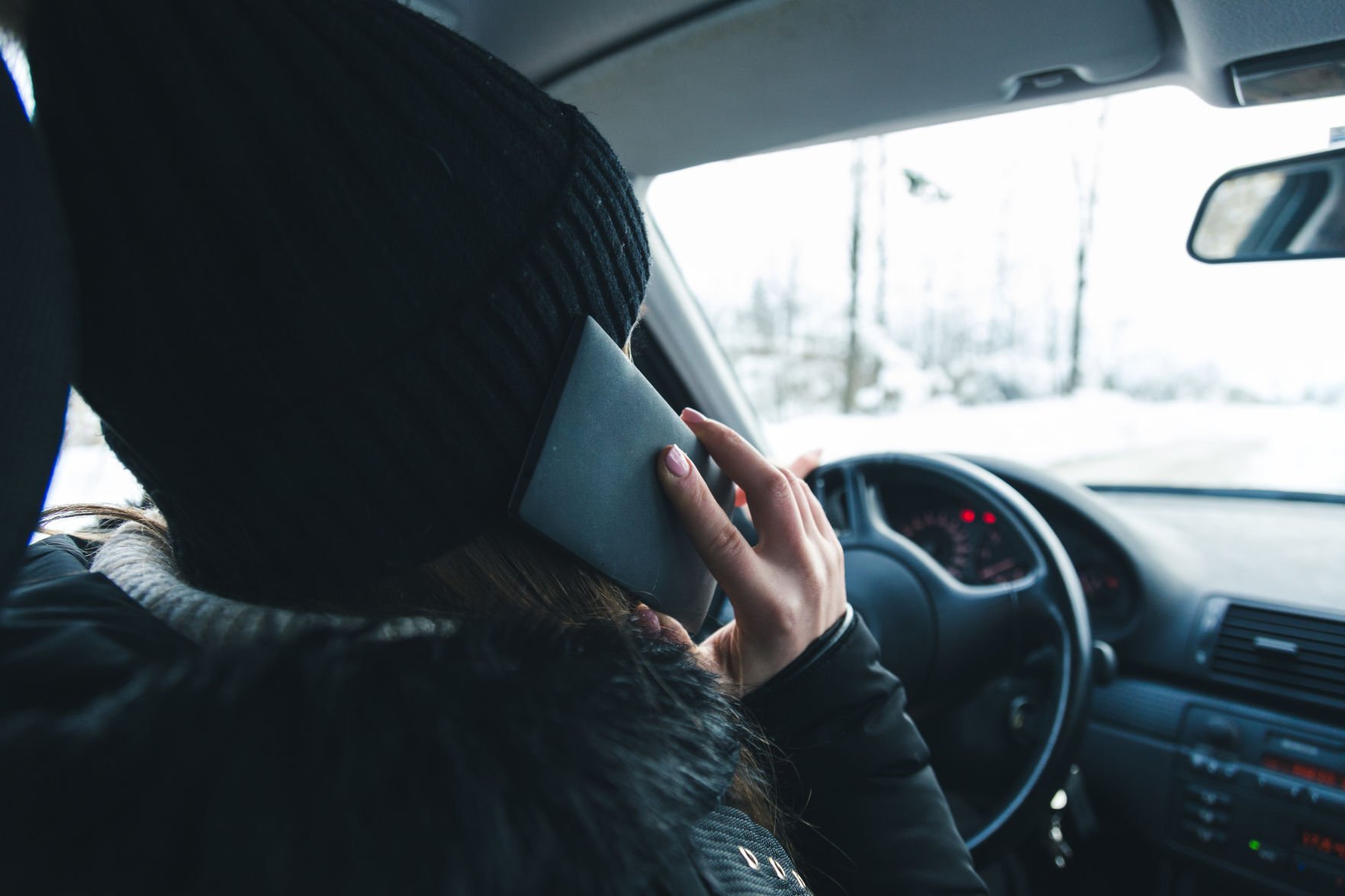
A bill introduced to the Colorado legislature Friday seeks to ban adults from talking on cellphones while driving, except for when using a hands-free accessory like a Bluetooth headset.
Under current law, adult drivers are allowed to use cellphones for calls but cannot text or browse the internet. If passed, Senate Bill 175 would prohibit all hand-held cellphone use. Drivers under the age of 18 are already prohibited from all cellphone use, including hands-free.
“We’re trying to change the culture of distracted driving,” said bill sponsor Sen. Chris Hansen, D-Denver. “We have a huge number of accidents that are being caused by distracted driving. … People need to feel confident that they can be safe on the roads. This is about saving lives.”
Last year, 91% of Coloradans admitted to driving while distracted, according to a survey from the Colorado Department of Transportation. The survey found that 54% of drivers said they read text messages while driving and nearly 50% talk on cellphones without hands-free accessories — which would be prohibited under the proposed bill.
Colorado legislature OKs ‘Idaho stops’ for bicyclists statewide
In 2020, there were 10,166 car crashes involving distracted drivers in Colorado, resulting in 1,476 injuries and 68 deaths, according to the department.
“When you reach for a phone or turn your attention away from the road, you aren’t just risking your own safety, you are risking the safety of everyone on the road with you,” said Sam Cole, the department’s traffic safety manager, when the data was released. “They are putting more than just their own lives at risk when they drive distracted.”
Using hand-held cellphones while driving is already banned in 24 states and Washington D.C., according to the National Conference of State Legislatures.
This is not the first time Colorado lawmakers have tried to ban talking on the phone while driving. In 2020, Hansen sponsored SB20-65, which is nearly identical to the new SB-175. Hansen’s predecessor Sen. Lois Court, D-Denver, also pushed similar bills in 2018 and 2019.
The most recent bill in 2020 passed the state Senate but was rejected in a House committee due to concerns that it would result in disproportionate policing and racial profiling. Hansen said he updated the bill this year to include demographic reporting and a requirement that police cannot issue the citation unless they explicitly see a driver using their phone.
“We’ve done a lot of studying of other states that have primary infraction rules,” Hansen said. “We think we can prove both before we pass the bill and after it goes into effect that it’s not leading to a problem of racial profiling.”
Appeals court says pandemic justified denying DUI breath test to driver
However, Hansen’s changes do not address all concerns. Eight Republican senators voted against SB20-65 in 2020, arguing that it would over regulate drivers and calling it an example of “nanny state” legislation.
Sen. Jim Smallwood, R-Parker, voted against SB20-65 in 2020 and said he doubts he will support SB-175 this year.
“I really can’t see myself supporting another effort to have the government dictating good judgement to our otherwise law-abiding and safe driving citizens,” Smallwood said. “I find these attempts to be virtually unenforceable and a new, unnecessary burden on law enforcement who should really be spending their efforts to curb the violent crime wave we are seeing in Colorado.”
Under the current proposal, a driver caught using their cellphone would get a $150 fine and two license suspension points for the first offense. If a driver gets another citation within 24 months, they would receive a $250 fine and three points for the second offense and a $500 fine and four points for all subsequent offenses.
Drivers exempt from the bill would include first responders, utility workers, commercial truckers, drivers using their cellphones to report emergencies and drivers who are lawfully parked.
Ortiz scores hat trick on wheelchair and assistive technology bills
Get OutThere
Signup today for free and be the first to get notified on new updates.
Colorado bill aims to ban talking on cellphones while driving, unless hands-free
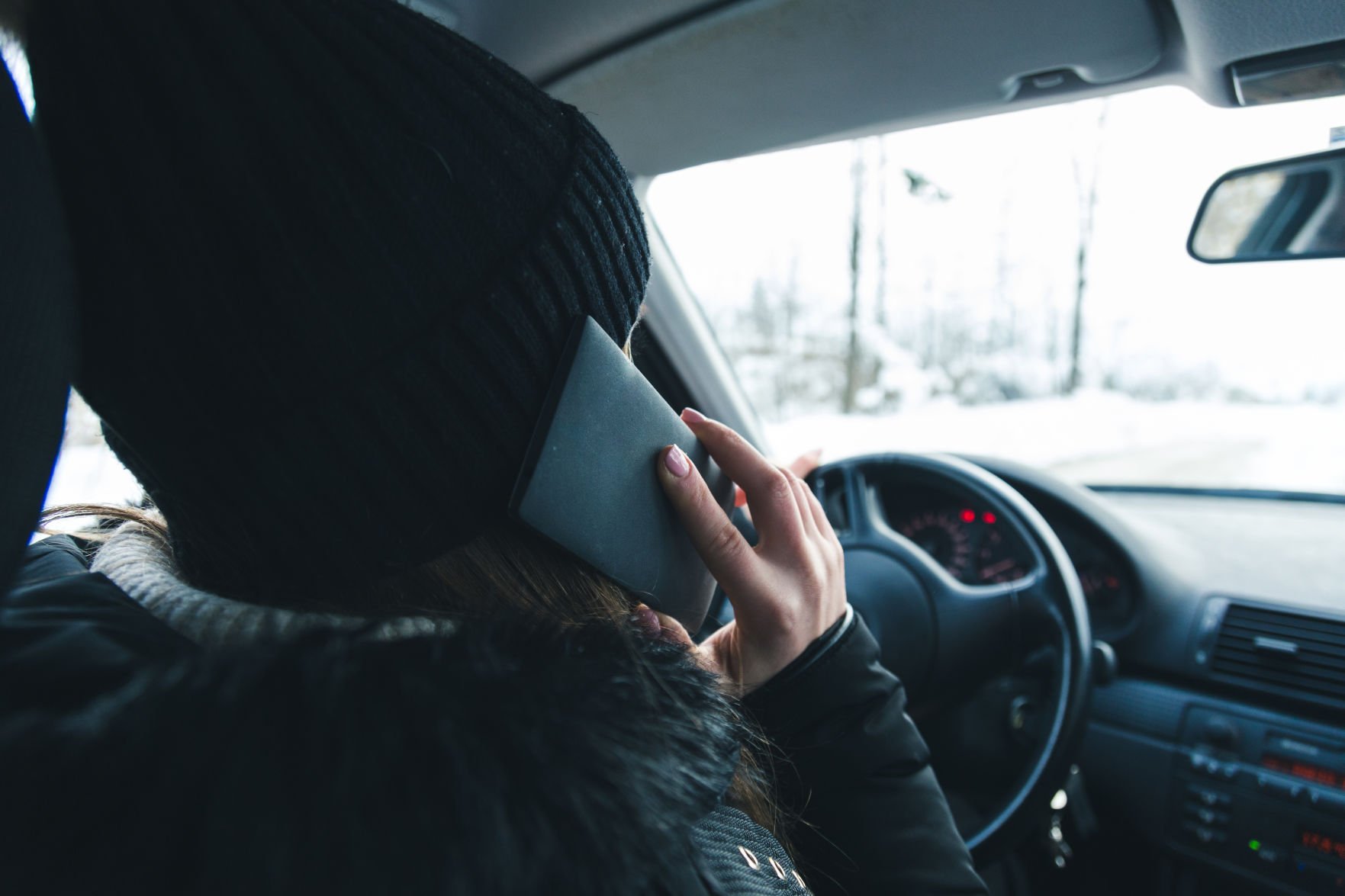
A bill introduced to the Colorado legislature Friday seeks to ban adults from talking on cellphones while driving, except for when using a hands-free accessory like a Bluetooth headset.
Under current law, adult drivers are allowed to use cellphones for calls but cannot text or browse the internet. If passed, Senate Bill 175 would prohibit all hand-held cellphone use. Drivers under the age of 18 are already prohibited from all cellphone use, including hands-free.
“We’re trying to change the culture of distracted driving,” said bill sponsor Sen. Chris Hansen, D-Denver. “We have a huge number of accidents that are being caused by distracted driving. … People need to feel confident that they can be safe on the roads. This is about saving lives.”
Last year, 91% of Coloradans admitted to driving while distracted, according to a survey from the Colorado Department of Transportation. The survey found that 54% of drivers said they read text messages while driving and nearly 50% talk on cellphones without hands-free accessories — which would be prohibited under the proposed bill.
Colorado House approves universal preschool, new Department of Early Childhood
In 2020, there were 10,166 car crashes involving distracted drivers in Colorado, resulting in 1,476 injuries and 68 deaths, according to the department.
“When you reach for a phone or turn your attention away from the road, you aren’t just risking your own safety, you are risking the safety of everyone on the road with you,” said Sam Cole, the department’s traffic safety manager, when the data was released. “They are putting more than just their own lives at risk when they drive distracted.”
Using hand-held cellphones while driving is already banned in 24 states and Washington D.C., according to the National Conference of State Legislatures.
This is not the first time Colorado lawmakers have tried to ban talking on the phone while driving. In 2020, Hansen sponsored SB20-65, which is nearly identical to the new SB-175. Hansen’s predecessor Sen. Lois Court, D-Denver, also pushed similar bills in 2018 and 2019.
The most recent bill in 2020 passed the state Senate but was rejected in a House committee due to concerns that it would result in disproportionate policing and racial profiling. Hansen said he updated the bill this year to include demographic reporting and a requirement that police cannot issue the citation unless they explicitly see a driver using their phone.
“We’ve done a lot of studying of other states that have primary infraction rules,” Hansen said. “We think we can prove both before we pass the bill and after it goes into effect that it’s not leading to a problem of racial profiling.”
However, Hansen’s changes do not address all concerns. Eight Republican senators voted against SB20-65 in 2020, arguing that it would over regulate drivers and calling it an example of “nanny state” legislation.
Sen. Jim Smallwood, R-Parker, voted against SB20-65 in 2020 and said he doubts he will support SB-175 this year.
“I really can’t see myself supporting another effort to have the government dictating good judgement to our otherwise law-abiding and safe driving citizens,” Smallwood said. “I find these attempts to be virtually unenforceable and a new, unnecessary burden on law enforcement who should really be spending their efforts to curb the violent crime wave we are seeing in Colorado.”
Under the bill, a driver caught using their cellphone would get a $150 fine and two license suspension points for the first offense. If a driver gets another citation within 24 months, they would receive a $250 fine and three points for the second offense and a $500 fine and four points for all subsequent offenses.
Drivers exempt from the bill would include first responders, utility workers, commercial truckers, drivers using their cellphones to report emergencies and drivers who are lawfully parked.
Get OutThere
Signup today for free and be the first to get notified on new updates.
Colorado bill aims to ban talking on cellphones while driving, unless hands-free
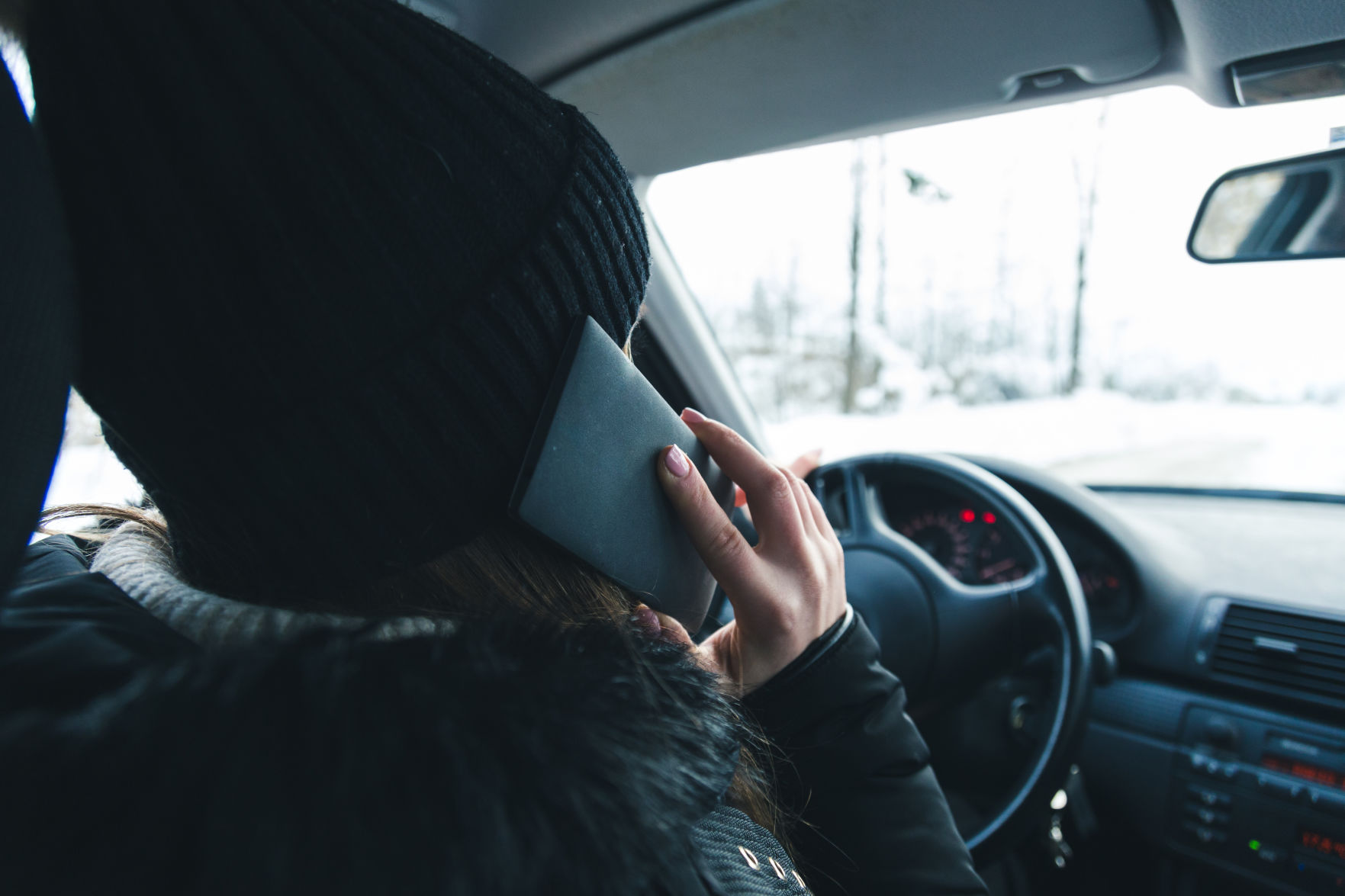
A bill introduced to the Colorado legislature Friday seeks to ban adults from talking on cellphones while driving, except for when using a hands-free accessory like a Bluetooth headset.
Under current law, adult drivers are allowed to use cellphones for calls but cannot text or browse the internet. If passed, Senate Bill 175 would prohibit all hand-held cellphone use. Drivers under the age of 18 are already prohibited from all cellphone use, including hands-free.
“We’re trying to change the culture of distracted driving,” said bill sponsor Sen. Chris Hansen, D-Denver. “We have a huge number of accidents that are being caused by distracted driving. … People need to feel confident that they can be safe on the roads. This is about saving lives.”
Last year, 91% of Coloradans admitted to driving while distracted, according to a survey from the Colorado Department of Transportation. The survey found that 54% of drivers said they read text messages while driving and nearly 50% talk on cellphones without hands-free accessories — which would be prohibited under the proposed bill.
Colorado legislature OKs ‘Idaho stops’ for bicyclists statewide
In 2020, there were 10,166 car crashes involving distracted drivers in Colorado, resulting in 1,476 injuries and 68 deaths, according to the department.
“When you reach for a phone or turn your attention away from the road, you aren’t just risking your own safety, you are risking the safety of everyone on the road with you,” said Sam Cole, the department’s traffic safety manager, when the data was released. “They are putting more than just their own lives at risk when they drive distracted.”
Using hand-held cellphones while driving is already banned in 24 states and Washington D.C., according to the National Conference of State Legislatures.
This is not the first time Colorado lawmakers have tried to ban talking on the phone while driving. In 2020, Hansen sponsored SB20-65, which is nearly identical to the new SB-175. Hansen’s predecessor Sen. Lois Court, D-Denver, also pushed similar bills in 2018 and 2019.
The most recent bill in 2020 passed the state Senate but was rejected in a House committee due to concerns that it would result in disproportionate policing and racial profiling. Hansen said he updated the bill this year to include demographic reporting and a requirement that police cannot issue the citation unless they explicitly see a driver using their phone.
“We’ve done a lot of studying of other states that have primary infraction rules,” Hansen said. “We think we can prove both before we pass the bill and after it goes into effect that it’s not leading to a problem of racial profiling.”
Appeals court says pandemic justified denying DUI breath test to driver
However, Hansen’s changes do not address all concerns. Eight Republican senators voted against SB20-65 in 2020, arguing that it would over regulate drivers and calling it an example of “nanny state” legislation.
Sen. Jim Smallwood, R-Parker, voted against SB20-65 in 2020 and said he doubts he will support SB-175 this year.
“I really can’t see myself supporting another effort to have the government dictating good judgement to our otherwise law-abiding and safe driving citizens,” Smallwood said. “I find these attempts to be virtually unenforceable and a new, unnecessary burden on law enforcement who should really be spending their efforts to curb the violent crime wave we are seeing in Colorado.”
Under the current proposal, a driver caught using their cellphone would get a $150 fine and two license suspension points for the first offense. If a driver gets another citation within 24 months, they would receive a $250 fine and three points for the second offense and a $500 fine and four points for all subsequent offenses.
Drivers exempt from the bill would include first responders, utility workers, commercial truckers, drivers using their cellphones to report emergencies and drivers who are lawfully parked.
Ortiz scores hat trick on wheelchair and assistive technology bills
Get OutThere
Signup today for free and be the first to get notified on new updates.
PREV
PREVIOUS
Colorado bill aims to ban talking on cellphones while driving, unless hands-free
A bill introduced to the Colorado legislature Friday seeks to ban adults from talking on cellphones while driving, except for when using a hands-free accessory like a Bluetooth headset. Under current law, adult drivers are allowed to use cellphones for calls but cannot text or browse the internet. If passed, Senate Bill 175 would prohibit […]

Senate Republicans push back vote to approve Jackson for Supreme Court by a week
Senate Judiciary Committee Republicans on Monday delayed for one week the consideration of Judge Ketanji Brown Jackson‘s nomination to the Supreme Court, slightly slowing the pace for President Joe Biden’s pick to be confirmed. In order to move forward without delays, Jackson needed majority approval in the evenly divided committee of 11 Democrats and 11 […]