







Settlement to close Xcel Energy’s remaining coal plants by 2031 nears approval

A settlement is nearing approval that would speed up Xcel Energy’s transition away from coal and shut down its remaining coal-fired power plants by 2031.
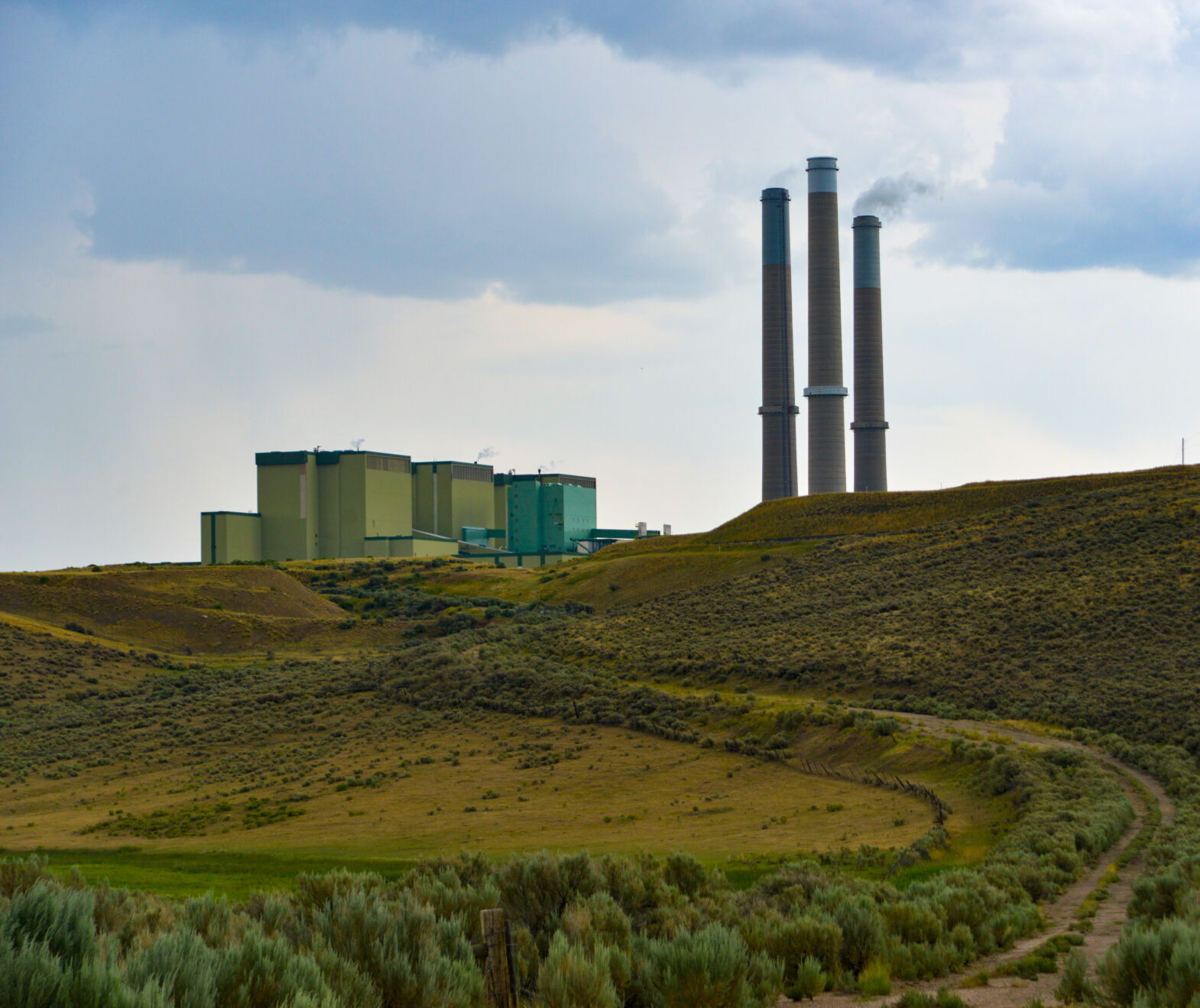
In an agreement with 16 parties, including Denver, Pueblo and a host of individual companies and organizations, Xcel agreed to shut down the following coal power plants:
- Craig Unit 2 in 2028
- Hayden Unit 1 in 2028
- Hayden Unit 2 in 2027
- Comanche 3 by Jan. 1, 2031
The Colorado Public Utilities Commission is set to hear the final settlement at 9 a.m. May 12.
“As our administration continues to fight for clean air and ensure 100% renewable energy by 2040, we welcome partnership to save people money by protecting ratepayers from the high operating costs of coal plants, provide transformative investments in rural Colorado for wind and solar generation, and increase good-paying green jobs to support clean, renewable energy,” Gov. Jared Polis said this week.
Originally set to close in 2070, the decommissioning of Comanche 3, near Pueblo, had been set in the original Energy Resource Plan for 2034. The settlement moves the date to 2031 and estimates a cost of $732 million to dispose of and pay off the plant, built at a cost of $1 billion.
Commissioned in 2010, the 857-megawatt plant has been plagued by operational issues and mechanical failures. It’s currently down because a critical part that requires specialized manufacturing processes is not yet available.
Despite having decades of useful life remaining, the Comanche 3 plant’s closure will be paid for by ratepayers, not by Xcel or its shareholders, unless the Public Utilities Commission disallows the expenses.
“Clearly the Comanche 3 plant was a problem asset for Xcel. Between the cost overruns in both the construction and operation of the plant and the repeated shutdowns for maintenance, ratepayers never got their money’s worth in quality electric service,” said Jake Fogleman, energy policy analyst at the Independence Institute, a Denver-based think tank. “Now the real question comes down to how much the PUC allows Xcel to charge ratepayers for the unamortized portion of a plant being shuttered 40 years early.”
“This settlement agreement represents major progress towards Colorado’s clean energy goals, moving the Xcel system to an affordable, reliable future with more than 80% renewable energy, retiring Colorado’s last coal generation after 2030, while supporting tax revenues and jobs in coal communities, and bringing billions of dollars of investment to rural Colorado,” said Will Toor, executive director of the Colorado Energy Office.
In a statement, Xcel officials said: “As the state’s energy policy has changed, we’ve examined options for the future of Comanche 3. Retrofitting the unit to install a system such as carbon capture and sequestration would be an additional significant cost that is not anticipated to be as cost effective as closing the unit and replacing it with alternative electric generation. State policy and the advancement of alternative technologies have come together to make the early closure of Comanche 3 economic for our customers.”
More than just the cost to ratepayers is at stake, however. The shuttering of coal power plants means the closing of the coal mines that feed them and substantial impacts on the rural communities that have hosted the plants and their employees for decades.
When the plants and mines close, their employees will have to find other work, and according to the legislature’s fiscal note for HB19-1314 that created the Office of Just Transition, there are 1,994 eligible workers in Colorado with an average annual wage of $93,913 each. That comes to $187,262,522 per year in wages that will be lost in those communities.
The Just Transition Action Plan says, “At the average total mill levy rate in Colorado (81.7), it would take nearly $2.75 billion in new commercial property value to generate $65 million in annual property taxes.”
How that kind of property value can be generated in rural Colorado is unclear. But Wade Buchanan, director of the Office of Just Transition, thinks it can be done.
“We are charged with working with the employees of the power plants, the utilities, the employees of the mines and then the employees of what are called the manufacturing and transportation supply chains of the utilities and the mines and our estimate,” Buchanan told The Denver Gazette on Friday.
Buchanan also said the number of people eligible for the program is closer to 2,500 to 3,000 because it includes workers in associated fields like transportation, particularly railroads that customarily transported coal to the plants.
Asked if the just transition plan is realistic, Buchanan said his job is to plan for the first anticipated closures starting in 2025 and that there are other potential resources to assist displaced workers and help to retrain them.
“Colorado is the first state to commit to standing by these communities and these workers at the state level. And that makes this a very exciting challenge,” Buchanan said. “We’re the first office of our kind in the nation to take on a challenge like this around energy. We’re very aware of those challenges. We’re not naive about it. We know this is a big, difficult road ahead for the communities and for us.”
Buchanan said Xcel is offering property tax support to affected communities as well.
“If the settlement agreement is accepted, Xcel has offered and will commit to supports equal to at least six years of the property tax they would have paid to the community after closure,” Buchanan said, “That is a very large, significant and powerful commitment to the communities. Xcel is also committed to work directly with their own employees and has set a goal of no layoffs for their employees.”
Settlement to close Xcel Energy’s remaining coal plants by 2031 nears approval
A settlement is nearing approval that would speed up Xcel Energy’s transition away from coal and shut down its remaining coal-fired power plants by 2031.
In an agreement with 16 parties, including Denver, Pueblo and a host of individual companies and organizations, Xcel agreed to shut down the following coal power plants:
- Craig Unit 2 in 2028
- Hayden Unit 1 in 2028
- Hayden Unit 2 in 2027
- Comanche 3 by Jan. 1, 2031
The Colorado Public Utilities Commission is set to hear the final settlement at 9 a.m. May 12.
“As our administration continues to fight for clean air and ensure 100% renewable energy by 2040, we welcome partnership to save people money by protecting ratepayers from the high operating costs of coal plants, provide transformative investments in rural Colorado for wind and solar generation, and increase good-paying green jobs to support clean, renewable energy,” Gov. Jared Polis said this week.
Originally set to close in 2070, the decommissioning of Comanche 3, near Pueblo, had been set in the original Energy Resource Plan for 2034. The settlement moves the date to 2031 and estimates a cost of $732 million to dispose of and pay off the plant, built at a cost of $1 billion.
Commissioned in 2010, the 857-megawatt plant has been plagued by operational issues and mechanical failures. It’s currently down because a critical part that requires specialized manufacturing processes is not yet available.
Despite having decades of useful life remaining, the Comanche 3 plant’s closure will be paid for by ratepayers, not by Xcel or its shareholders, unless the Public Utilities Commission disallows the expenses.
“Clearly the Comanche 3 plant was a problem asset for Xcel. Between the cost overruns in both the construction and operation of the plant and the repeated shutdowns for maintenance, ratepayers never got their money’s worth in quality electric service,” said Jake Fogleman, energy policy analyst at the Independence Institute, a Denver-based think tank. “Now the real question comes down to how much the PUC allows Xcel to charge ratepayers for the unamortized portion of a plant being shuttered 40 years early.”
“This settlement agreement represents major progress towards Colorado’s clean energy goals, moving the Xcel system to an affordable, reliable future with more than 80% renewable energy, retiring Colorado’s last coal generation after 2030, while supporting tax revenues and jobs in coal communities, and bringing billions of dollars of investment to rural Colorado,” said Will Toor, executive director of the Colorado Energy Office.
In a statement, Xcel officials said: “As the state’s energy policy has changed, we’ve examined options for the future of Comanche 3. Retrofitting the unit to install a system such as carbon capture and sequestration would be an additional significant cost that is not anticipated to be as cost effective as closing the unit and replacing it with alternative electric generation. State policy and the advancement of alternative technologies have come together to make the early closure of Comanche 3 economic for our customers.”
More than just the cost to ratepayers is at stake, however. The shuttering of coal power plants means the closing of the coal mines that feed them and substantial impacts on the rural communities that have hosted the plants and their employees for decades.
When the plants and mines close, their employees will have to find other work, and according to the legislature’s fiscal note for HB19-1314 that created the Office of Just Transition, there are 1,994 eligible workers in Colorado with an average annual wage of $93,913 each. That comes to $187,262,522 per year in wages that will be lost in those communities.
The Just Transition Action Plan says, “At the average total mill levy rate in Colorado (81.7), it would take nearly $2.75 billion in new commercial property value to generate $65 million in annual property taxes.”
How that kind of property value can be generated in rural Colorado is unclear. But Wade Buchanan, director of the Office of Just Transition, thinks it can be done.
“We are charged with working with the employees of the power plants, the utilities, the employees of the mines and then the employees of what are called the manufacturing and transportation supply chains of the utilities and the mines and our estimate,” Buchanan told The Denver Gazette on Friday.
Buchanan also said the number of people eligible for the program is closer to 2,500 to 3,000 because it includes workers in associated fields like transportation, particularly railroads that customarily transported coal to the plants.
Asked if the just transition plan is realistic, Buchanan said his job is to plan for the first anticipated closures starting in 2025 and that there are other potential resources to assist displaced workers and help to retrain them.
“Colorado is the first state to commit to standing by these communities and these workers at the state level. And that makes this a very exciting challenge,” Buchanan said. “We’re the first office of our kind in the nation to take on a challenge like this around energy. We’re very aware of those challenges. We’re not naive about it. We know this is a big, difficult road ahead for the communities and for us.”
Buchanan said Xcel is offering property tax support to affected communities as well.
“If the settlement agreement is accepted, Xcel has offered and will commit to supports equal to at least six years of the property tax they would have paid to the community after closure,” Buchanan said, “That is a very large, significant and powerful commitment to the communities. Xcel is also committed to work directly with their own employees and has set a goal of no layoffs for their employees.”