







‘Ghost signs’ open window to past lives of Colorado Springs buildings
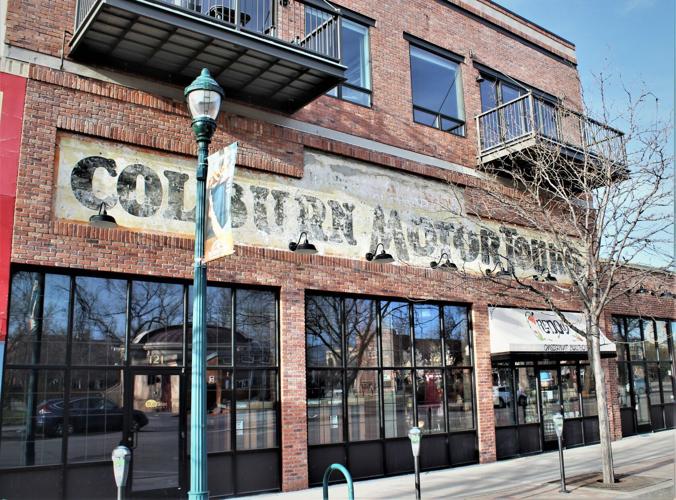
The Colburn Motor Tours sign below Bijou Lofts in downtown Colorado Springs.
Bill Radford, The Gazette
Ongoing renovations at the former Subway shop at Tejon and Bijou streets downtown uncovered a sign for the historic Barthels — and unlocked memories for longtime residents who fondly recall the high school hangout and family gathering spot.
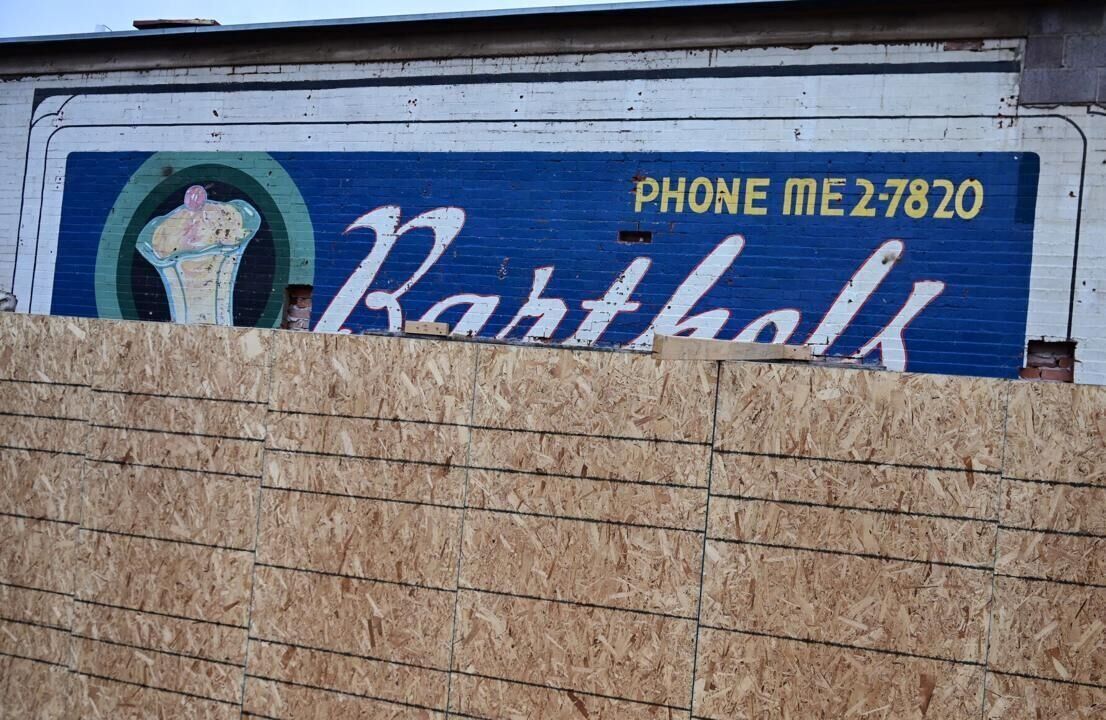
During building renovation, a sign for the historic Barthels was uncovered.
Jerilee Bennett, The Gazette

During building renovation, a sign for the historic Barthels was uncovered.
The building is being converted into Dos Dos, a Dos Santos Tacos spinoff. But for now, the sign partially hidden behind a construction fence offers a trip down memory lane, a peek at a past life for the building.
Uncovered sign brings back memories in Colorado Springs
On many other downtown Colorado Springs buildings, signs remain that also offer a window into the past. Some are prominent, others easy to miss. Many are what’s known as “ghost signs” — old, hand-painted advertising signs that have remained even as those businesses they advertise are long gone. Here’s a look at some of those buildings and their histories.
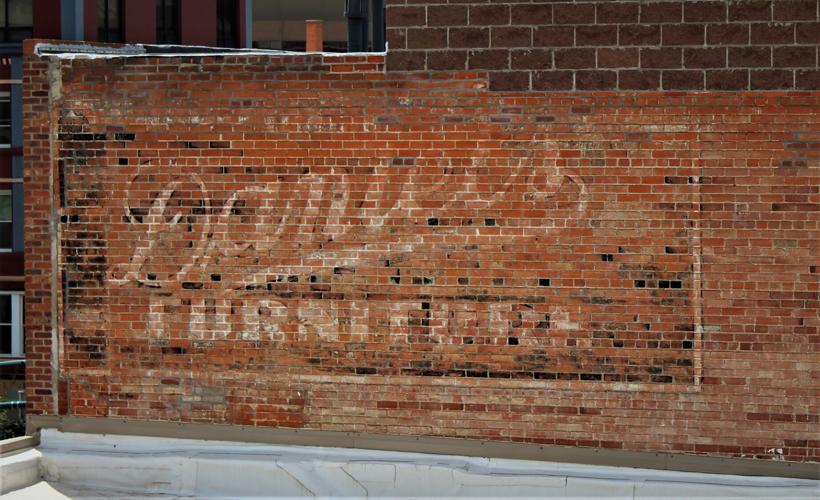
Bijou Lofts (above former Colburn Motor Tours), 117 E. Bijou; Daniels Loft Building (once Daniels Furniture), 108 N. Tejon; Carriage House Lofts (Carriage House), 115 N. Tejon
The Walston Group, headed by “Loft Lady” Janelle Walston, was a partner in the development and construction of these and other downtown loft projects and markets the properties. These three projects all carry reminders of their pasts: The Colburn Motor Tours sign sits below a second story constructed for the Bijou Lofts; the Daniels Furniture Store sign is on the upper north wall of Daniels Lofts; and the Carriage House sign is on the north side of the Carriage House Lofts building, which also houses Painting With A Twist.
Preserving those signs is a way to honor what was there before, says Charise Boomsma, who is Janelle Walston’s daughter, an architectural historian and project designer and manager for the Walston Group Special Projects Team.
“When we uncovered that Colburn Motor sign,” she says, “it was like, wow, we really want to preserve this so everyone can see what was there.”
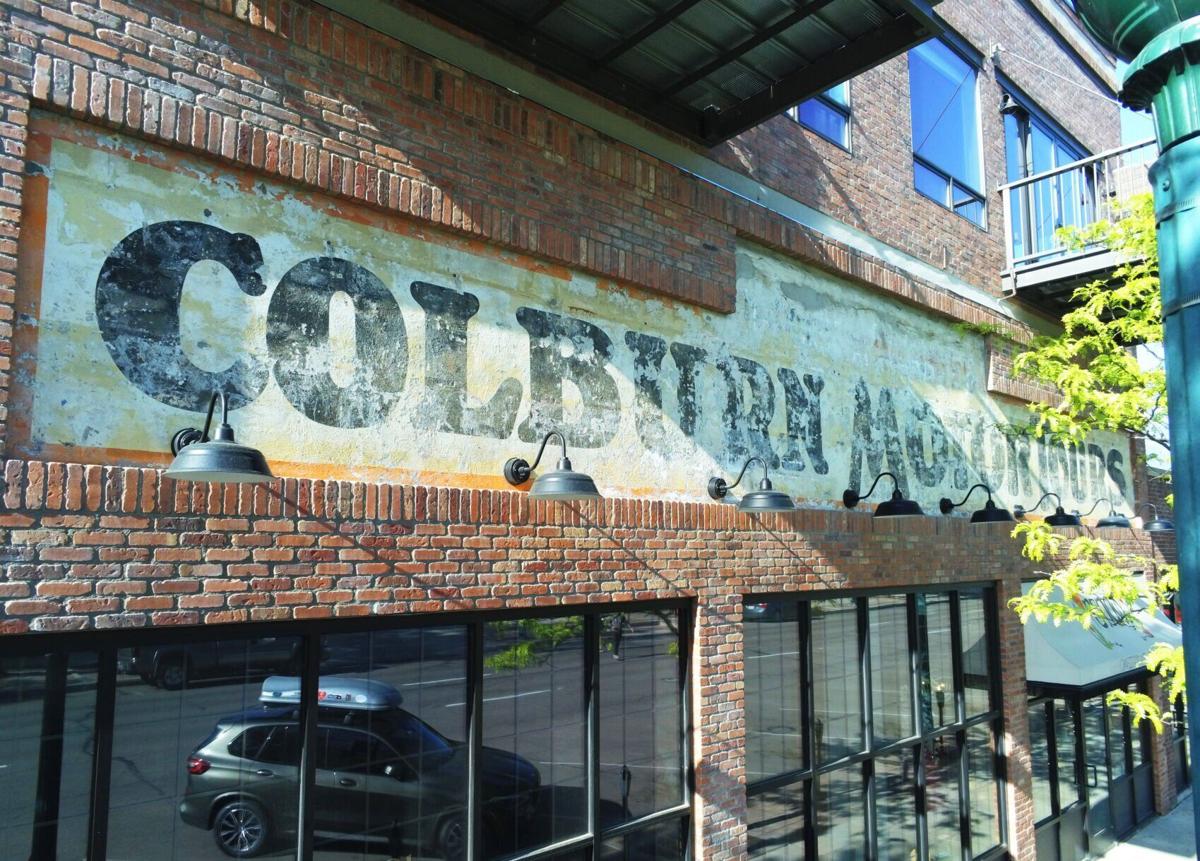
The Colburn Motor Tours sign below Bijou Lofts in downtown Colorado Springs.
Parker Seibold, The Gazette

The Colburn Motor Tours sign below Bijou Lofts in downtown Colorado Springs.
The business was owned by Walter Colburn, remembered as “the dean emeritus of Colorado Springs tour drives” upon his retirement in 1953. His career took him from horse-drawn carriages to autos to railroad motor tours. He also started a taxi service in 1915 when automobiles were just coming onto the scene. Another claim to fame: He operated “Bathhouse” John Coughlin’s Zoo Park, an early 1900s attraction in Colorado Springs hailed as the “Coney Island of the West.”

The Daniels Furniture sign, as seen from street level.
Bill Radford, The Gazette

The Daniels Furniture sign, as seen from street level.
Daniels Home Furnishings occupied what is now the Daniels Loft building from 1913-1941, according to a history gathered by Boomsma; the Daniels family lived above the store. In previous years, it was home to Colorado Springs Furniture and then Fred S. Tucker Furniture Store; in later years, it was a Gart Sports location before the renovation into lofts in 2000.
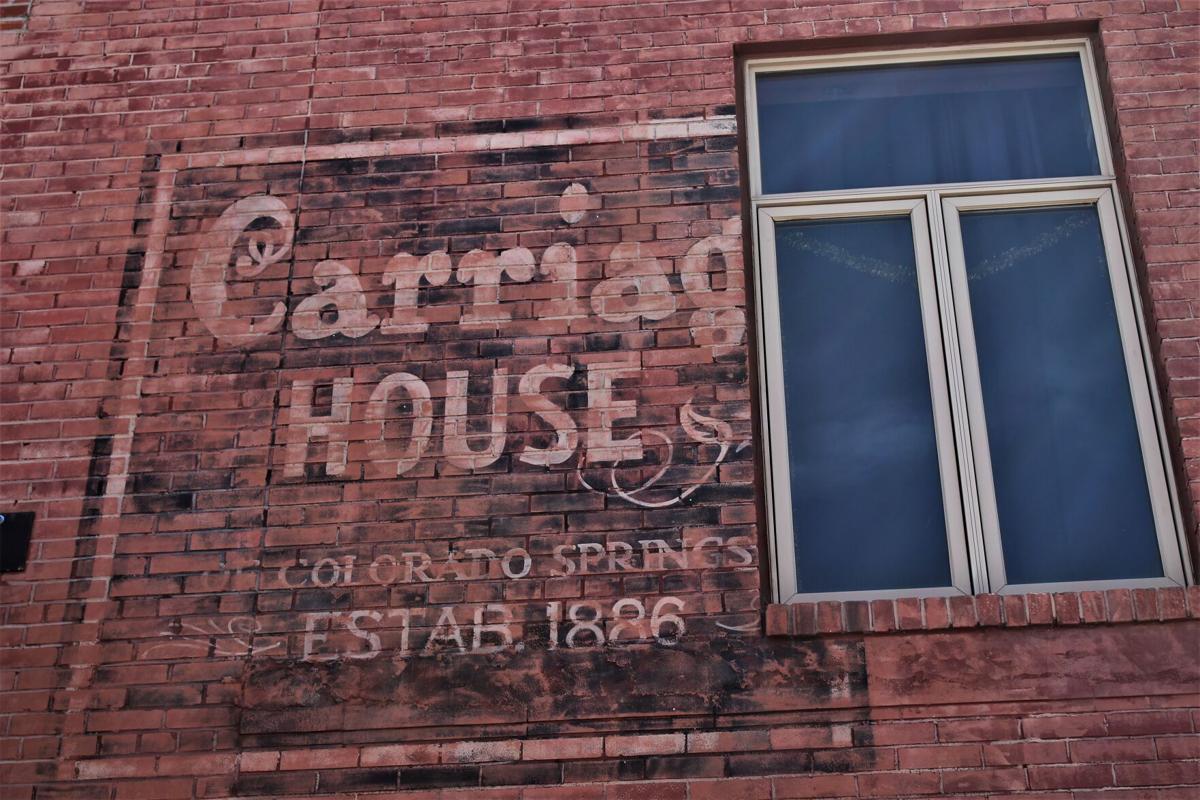
The Carriage House sign on the north wall of the Carriage Lofts building.
Bill Radford, The Gazette

The Carriage House sign on the north wall of the Carriage Lofts building.
The Carriage House began as a livery and carriage storage space, according to The Walston Group website. While the Carriage House sign has been touched up and repainted a bit, Boomsma said, the Daniels Furniture sign is “completely original.”
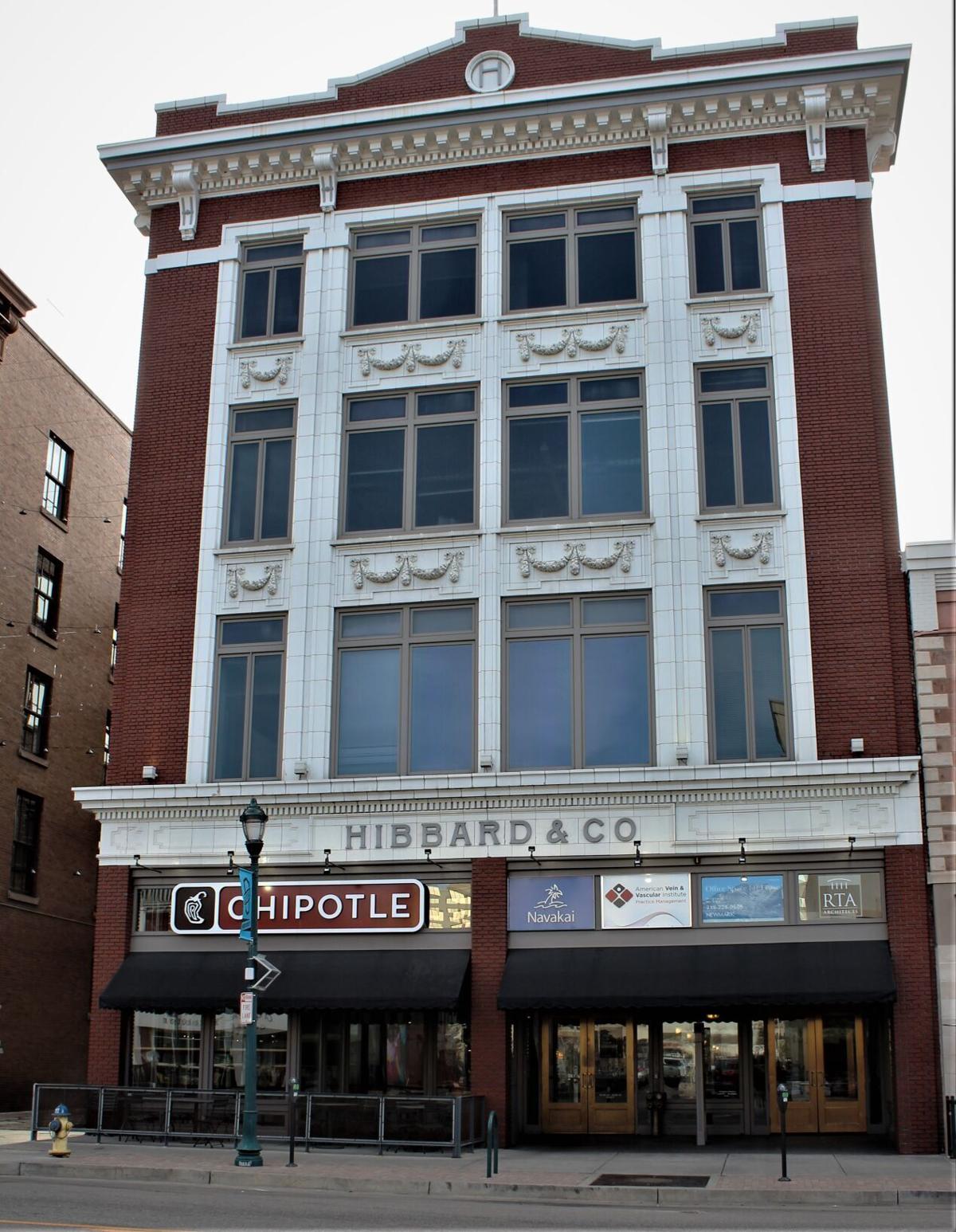
Hibbard & Co., 17-19 S. Tejon St.
Bill Radford, The Gazette
Bill Radford, The Gazette

Bill Radford, The Gazette
The Hibbard & Co. department store — “you can always find it at Hibbard’s” was the slogan — was a Colorado Springs institution. It was founded in 1892 by Cassius Hibbard at Tejon and Pikes Peak Avenue, then moved to the building at 17-19 S. Tejon, which was constructed in 1914, according to Gazette archives. The store, operated by Hibbard family descendants over the decades, closed in 1996. The building was then remodeled to accommodate retail and offices; Chipotle Mexican Grill is among the businesses there. After more than a century of Hibbard family ownership, the building was sold a couple of years ago to a suburban Denver commercial real estate company.
Cheyenne Building, 2 E. Pikes Peak Ave.
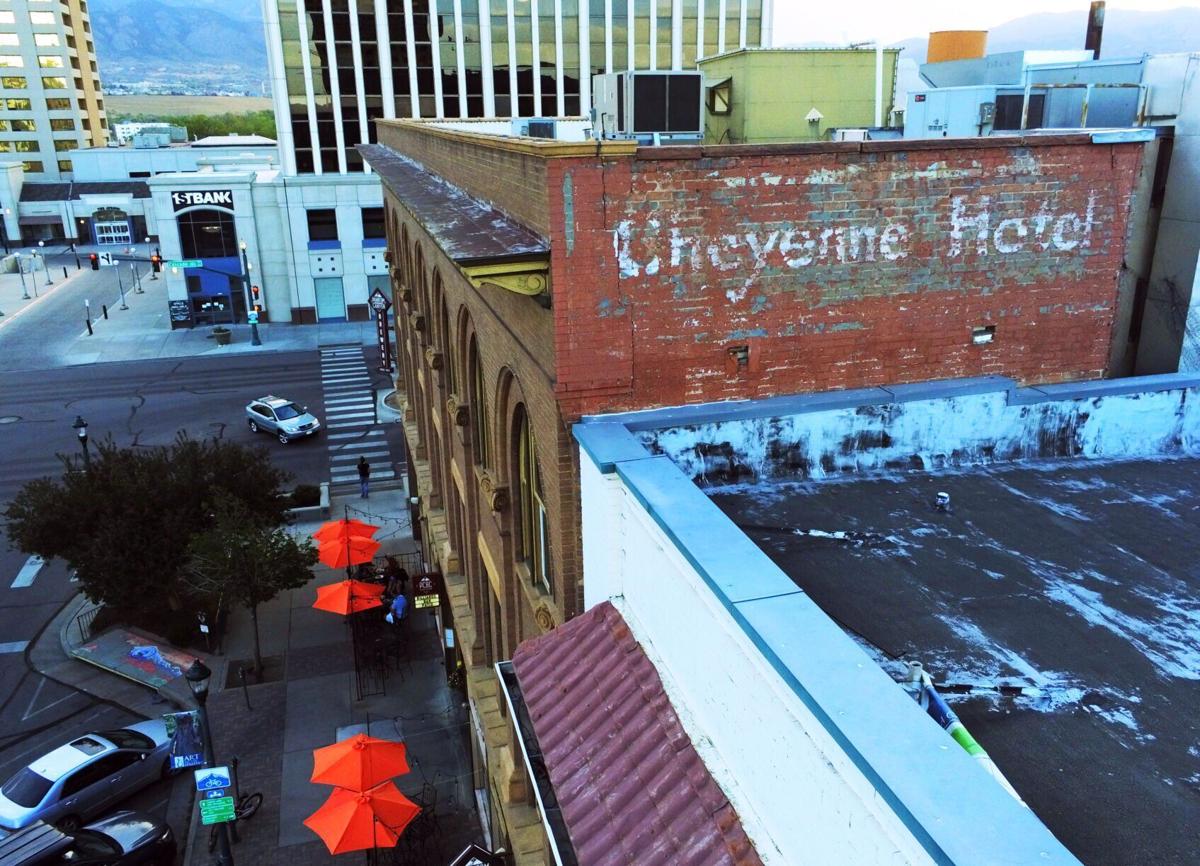
The Cheyenne Hotel, now Phantom Canyon Brewing Co., in downtown Colorado Springs.
Parker Seibold, The Gazette

The Cheyenne Hotel, now Phantom Canyon Brewing Co., in downtown Colorado Springs.
The Cheyenne Building was constructed in 1901 as an office complex, with sleeping quarters on its upper floors for agents with the Chicago, Rock Island and Pacific Railroad. It served as a hotel from 1909 to 1963, “focusing on the business traveler and tourists who preferred accommodations less lavish than the Antlers or Acacia Park hotels,” according to a description on the Springs’ government website. It was slated for demolition, to make room for a parking lot, before it was bought in 1991 by John Hickenlooper (former governor, current U.S. senator and co-founder of Wynkoop Brewing Co.). Wynkoop opened Phantom Canyon Brewing Co. at the site two years later.
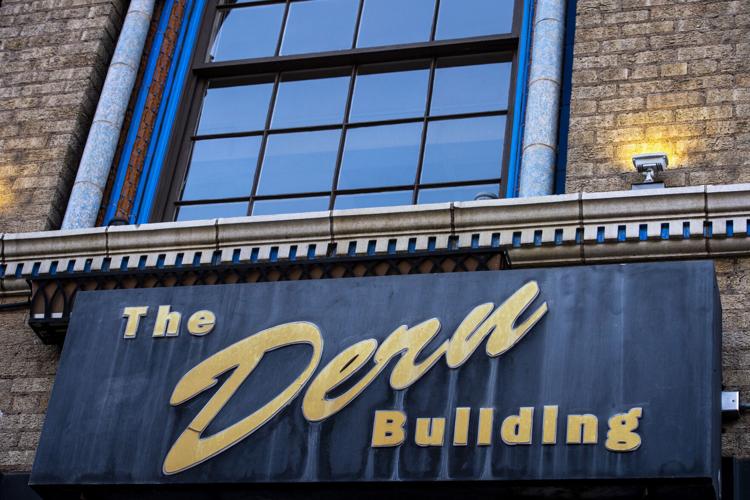
Dern Building, 26-28 S. Tejon St.
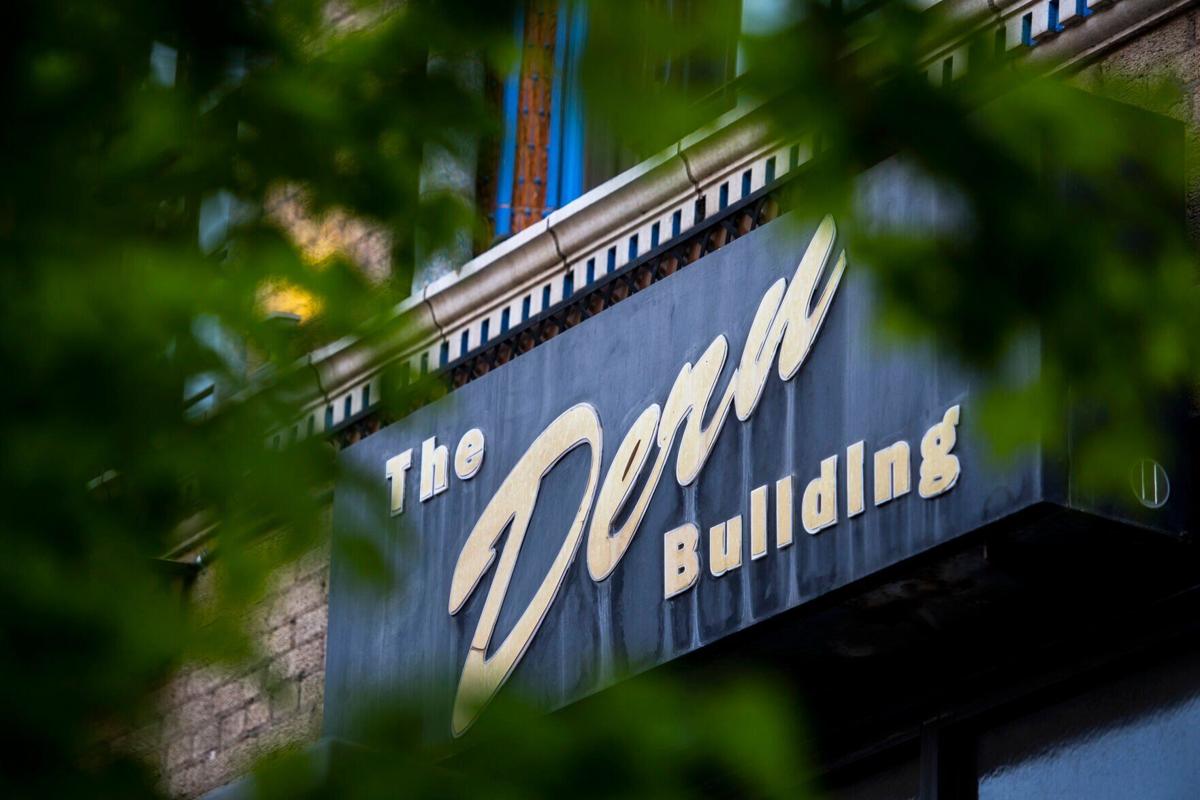
The Dern Building on South Tejon Street in downtown Colorado Springs.
Parker Seibold, The Gazette

The Dern Building on South Tejon Street in downtown Colorado Springs.
The building, built in 1911, is so named because it initially housed the Dern Food Co., which imported tea and coffee and made candy on site. “You would not buy stale bread,” a 1907 ad for The Dern Tea & Coffee Co. read, with the business then at 29 S. Tejon. “Why buy stale coffee? We deliver to you Fresh from the Roaster.”
According to a previous Gazette story, The Dern Food Co. occupied half of the building until the late 1950s; the other half was home to a variety of businesses over the years, including Kaufman’s Department Store and Hatch’s, an appliance, jewelry, radio and television store. The Dern Building is now home to Urban Egg a Daytime Eatery and various offices.
Municipal Utilities Building, 18 S. Nevada Ave.
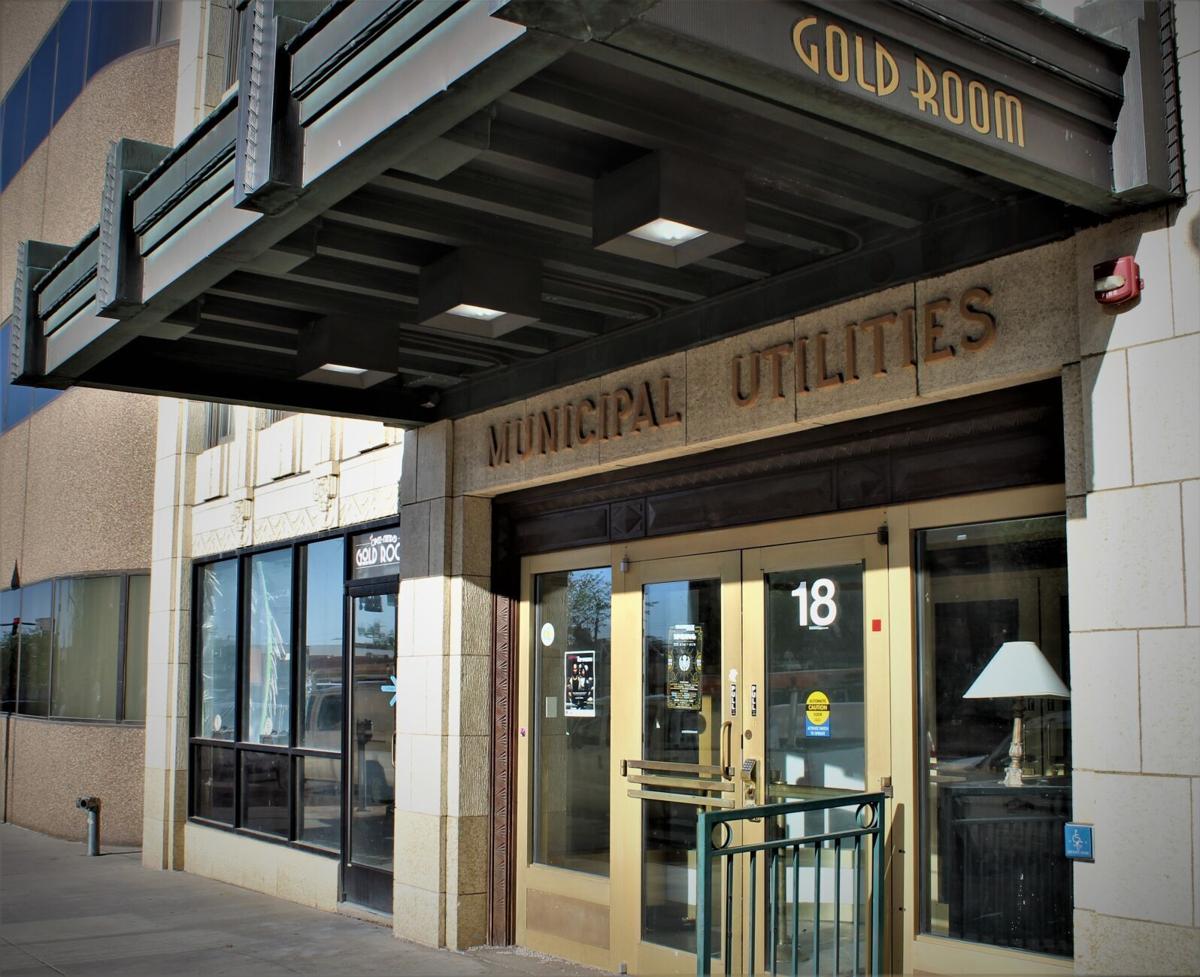
The Gold Room, formerly the Municipal Utilities building, in downtown Colorado Springs.
Bill Radford, The Gazette

The Gold Room, formerly the Municipal Utilities building, in downtown Colorado Springs.
This building was constructed in 1931 with Colorado Springs Utilities revenues for the purpose of transacting Utilities business and the payment of bills. It is now home to The Gold Room, touted as “a state-of-the-art live performance hall.” The city says the building is considered the best example of the Art Deco style in Colorado Springs.
Lennox Building, 226-228 N. Tejon St.
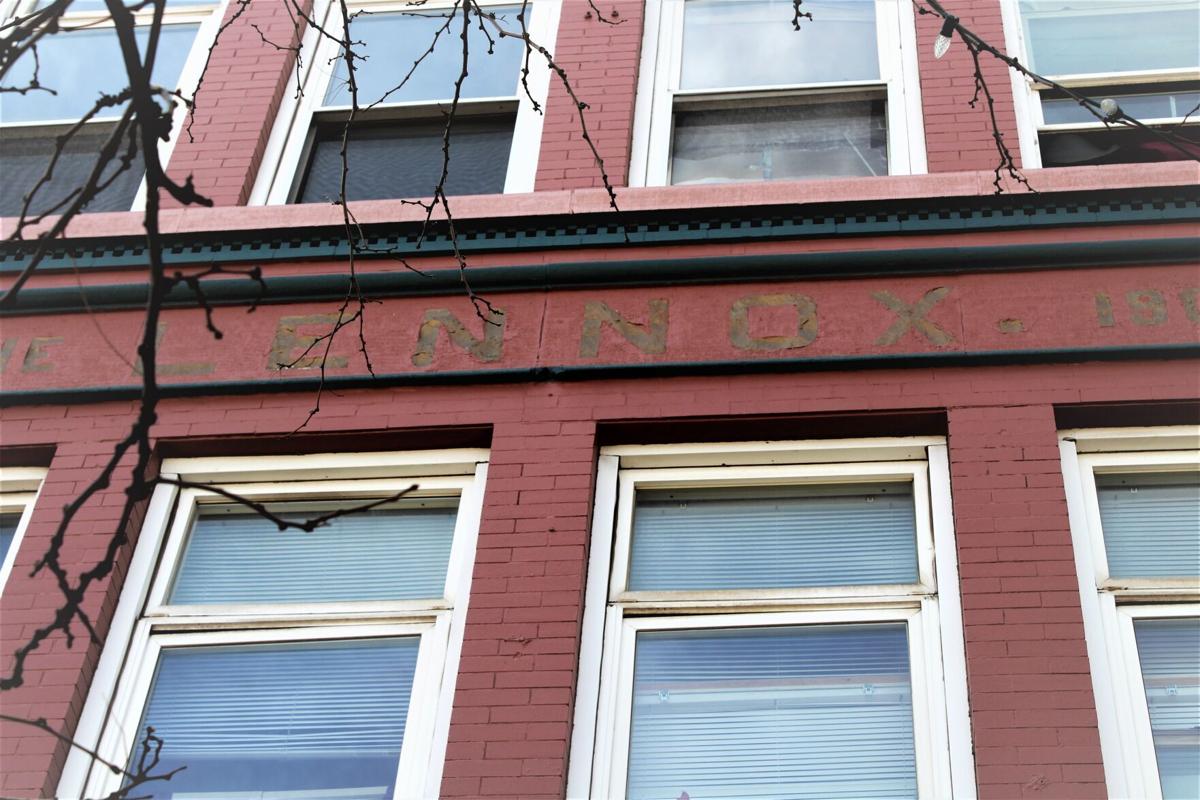
The Lennox sign is still barely visible on the building on North Tejon Street in downtown Colorado Springs.
Bill Radford, The Gazette

The Lennox sign is still barely visible on the building on North Tejon Street in downtown Colorado Springs.
This 1902 building was erected by William Lennox, who made his fortune mining gold in Cripple Creek, to provide furnished rooms on the upper floors and storefronts on the first floor. The two first-floor storefronts housed at various times a music store, a creamery and a grocery store. The upper floors offered furnished rooms — first as the Lennox Hotel before becoming the Albany Hotel, now Albany Apartments, by 1921. The first-floor storefront at 226 N. Tejon was the longtime home to Mountain Chalet before the shop moved to North Nevada Avenue a few years ago.
Van Dyke Building, 104-110 S. Weber St.
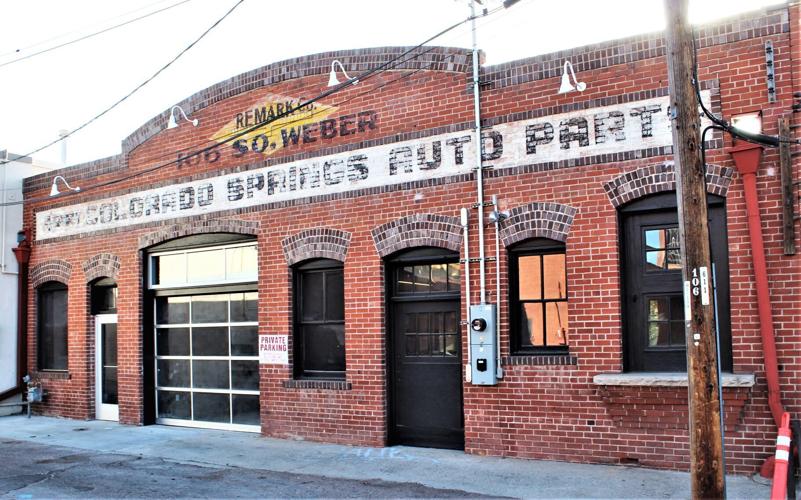
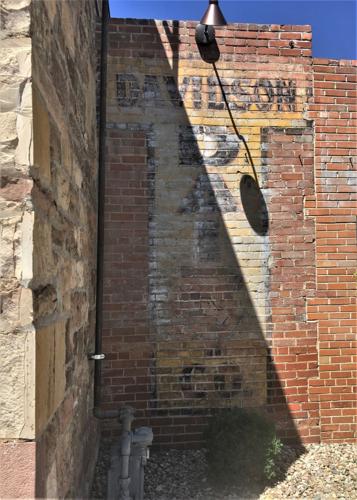
The property on South Weber is now home to Eye Care Center of Colorado Springs and other businesses. But it showcases parts of its history with a faded Davidson Dairy Co. sign on the east side and a Colorado Springs Auto Parts sign on the west side.
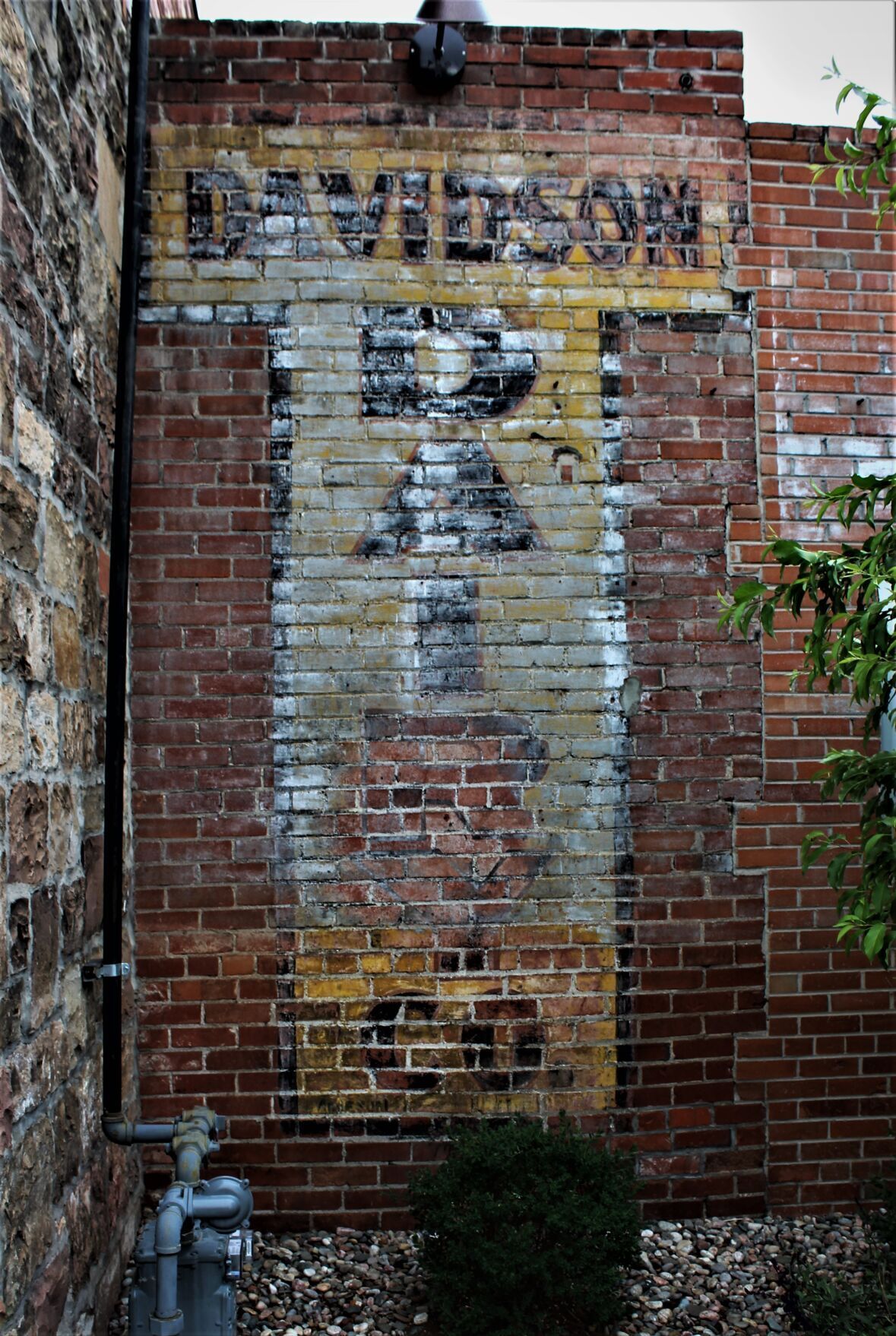
The Davidson Dairy Co. “ghost sign” on South Weber Street.
Bill Radford, The Gazette

The Davidson Dairy Co. “ghost sign” on South Weber Street.
The Van Dyke Building, 110 S. Weber, appears to have been constructed in 1902 as a storage facility for horses and carriages, according to the city; it’s connected to a building constructed in 1905, according to land records. In the 1920s, the Van Dyke Building was bought by the Van Dyke Motor Co. to provide automobile repair and service associated with its Studebaker showroom on South Nevada Avenue; it was used as an auto repair shop until the early 1960s, the city history shows, and later converted into an office building.
Davidson Dairy appears to have moved around a bit. An ad in The Gazette in 1911 — “Our prices are the most reasonable in the city,” the ad proclaimed — put the address on Cucharras Street, while a 1920 city directory lists the dairy on Tejon Street. But the 1922 directory has it at 106 S. Weber.
Michael Collins, a retired architect, once owned the South Weber buildings and had his office there. He worked on several restoration projects in the downtown area. When it came to the South Weber property, he was intent on keeping the old signs. They are part, he says, “of the early texture of the city and part of the history of the city.”
Walking Tour – Historic Tejon Street between Colorado and Platte