Transportation plan shifts focus away from solving highway congestion
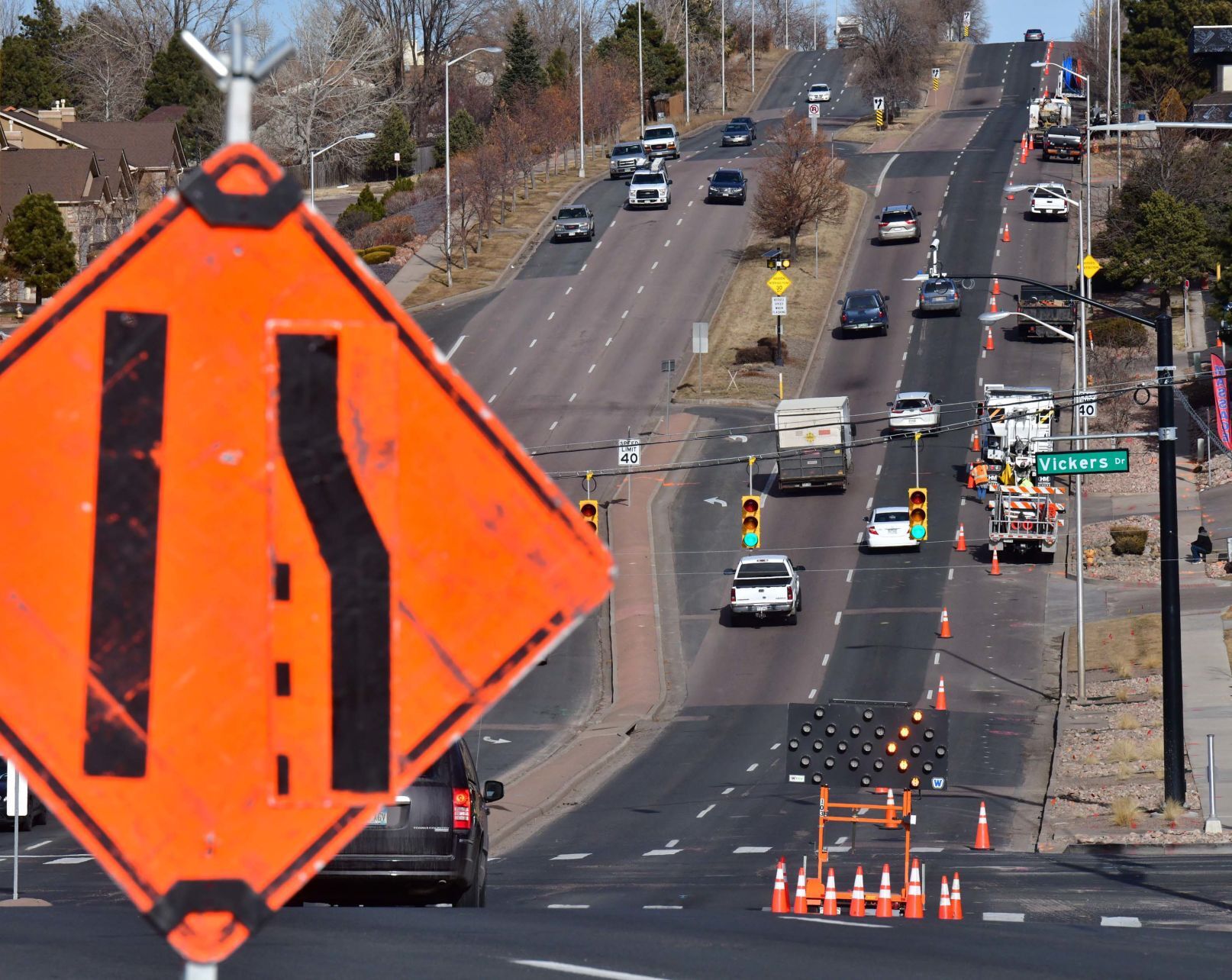
More than $206 million in transportation funding in metro Denver is being allocated for “multimodal” projects – and away from highway widening and improvements.
The Denver Regional Council of Governments approved a suite of amendments to the region’s long range transportation plan on Thursday to comply with new state rules on reducing greenhouse gas emissions from transportation.
The regional council also allocated a combination of state and federal transportation money to fund a long list of projects proposed by state and local officials, based on how projects throughout the region would help improve and expand multimodal transportation systems, improve air quality and improve safety.
When combined with other local funds, the total amount tops $270 million, the regional council said.
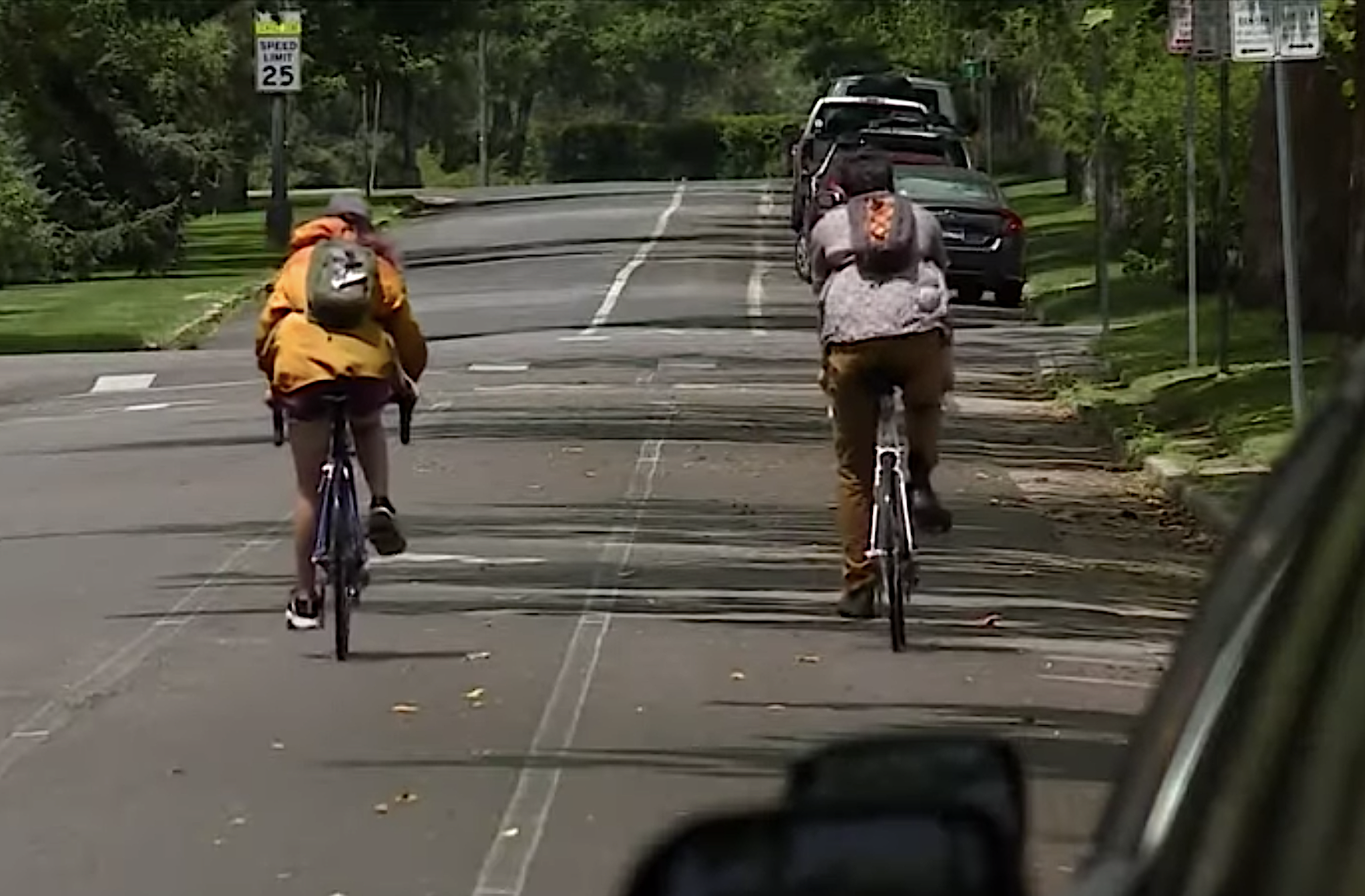
Projects include 60 miles of bicycle and pedestrian facilities, enhancing connections to transit; street improvements for pedestrians, cyclists, transit riders and other multimodal travelers; updates to intersections for vehicle and transit services operation; and, safety projects to help prevent accidents.
Jacob Riger, the multimodal transportation planning manager at DRCOG, told The Denver Gazette Friday that money remains available for highway projects.
“I want to be very clear,” Riger said. “It’s not about increasing congestion or forcing people in any way to reduce automobile travel. It’s really about increasing multimodal travel options — accommodating the growth that’s going to occur in this region and doing what we can in a thoughtful way to meet the greenhouse gas emission reduction levels that are required of us in the rule.”
In a news release, DRCOG Board Chair Kevin Flynn offered a different perspective, emphasizing the shift away from cars.
“The slate of projects meets the State of Colorado’s stringent greenhouse gas rules, but, more importantly, they reflect the new reality that mobility in our growing region must focus on transit and active modes that allow people to move around without automobiles,” Flynn said.
Supporters of multimodal transportation systems maintain that they efficiently move people, they’re good for the environment and they reduce air pollution, not to mention accidents, ultimately leading to significant savings, notably in the area of health.
But critics argue that they cost significant resources to build and maintain, while attracting only a small segment of the commuter population.
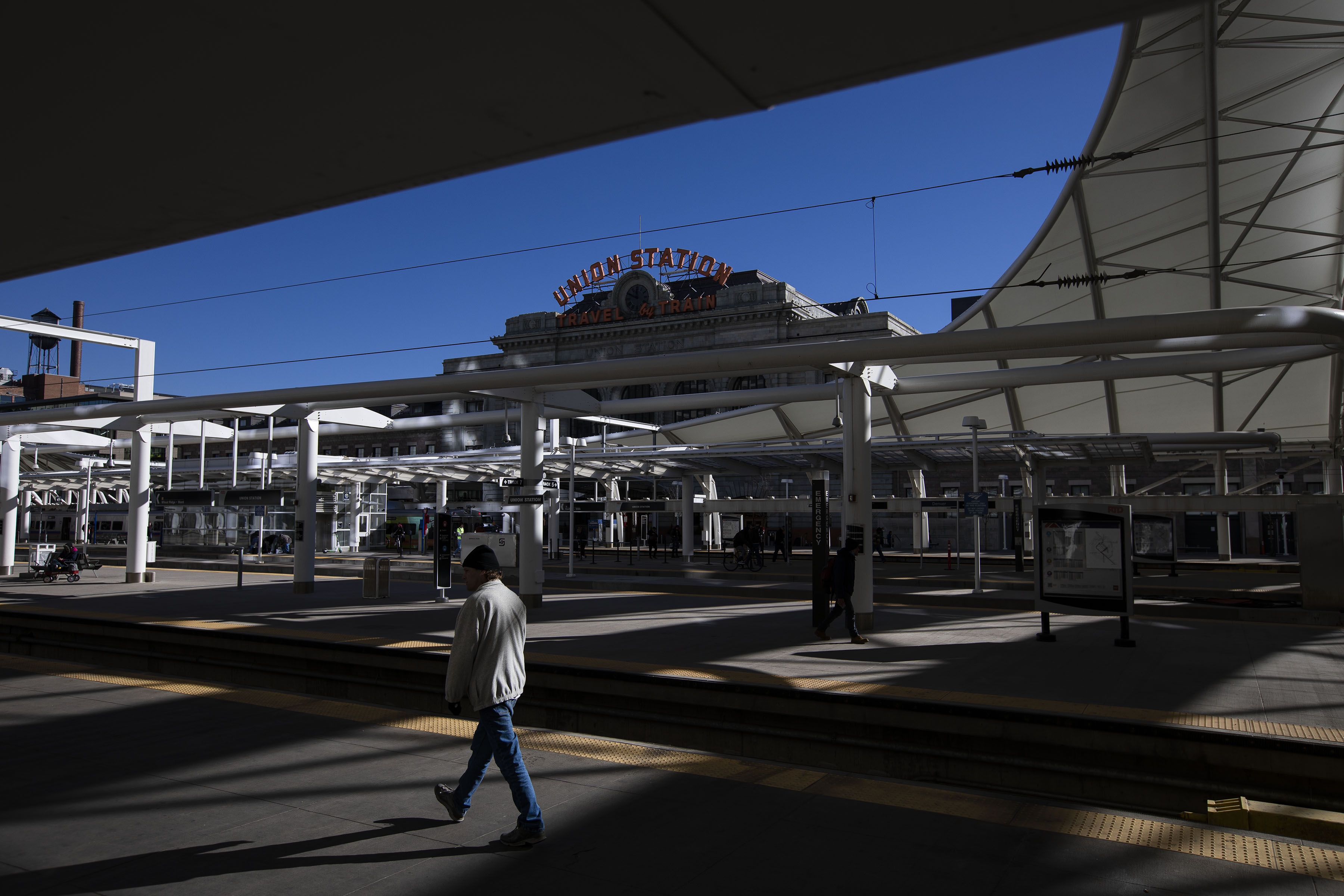
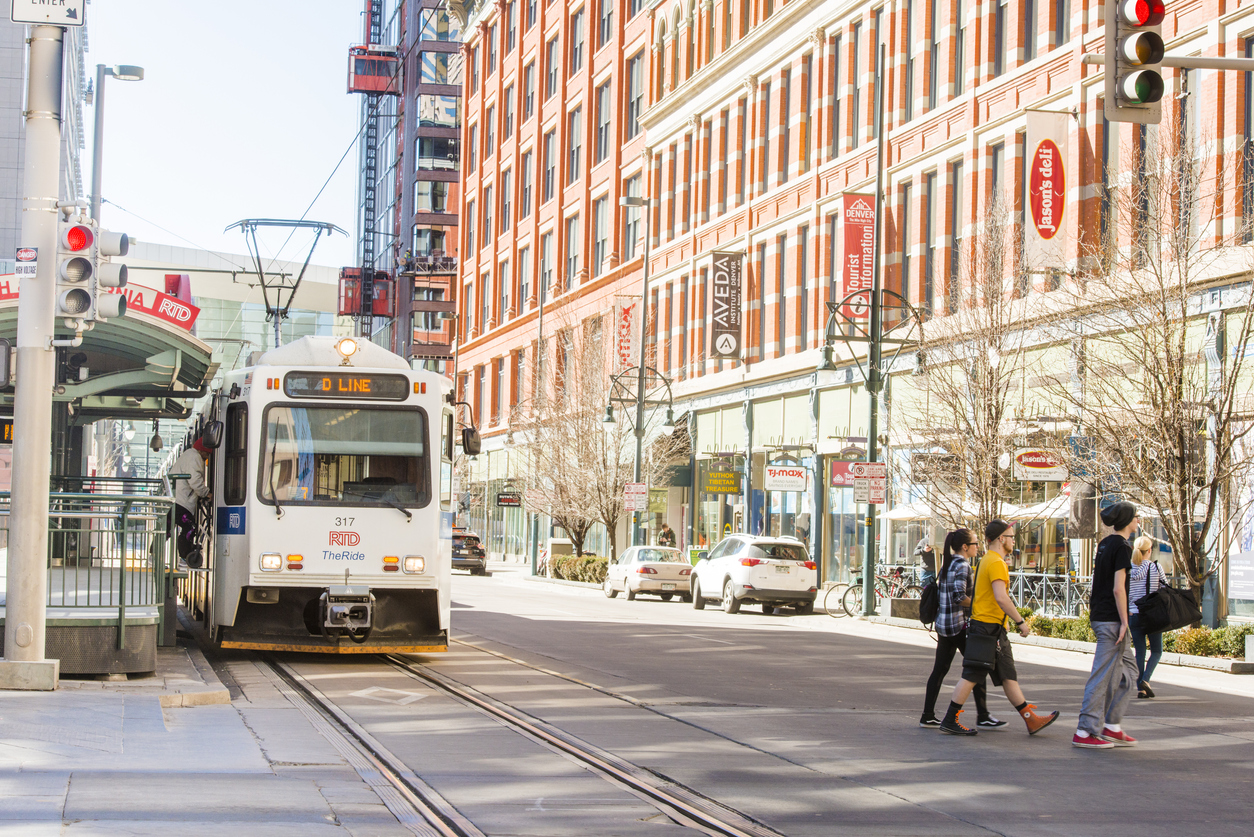
Since 1992, Denver metro light rail and commuter rail had cost $13.4 billion in adjusted 2020 dollars, said Randal O’Toole, a senior fellow specializing in land use and transportation issues at the Cato Institute, a think tank based in Washington, D.C.
“What I found was in 2000, before (the Regional Transportation District) built T-Rex and before it passed FastTracks, 4.8% of commuters took RTD to work,” O’Toole said. “And in 2019, after it built all these different rail lines, it was still 4.8%. Exactly the same.”
Colloquially known as “T-Rex,” the Transportation Expansion Project, a central Denver I-25 widening project completed in 2006, cost $1.6 billion.
Colorado’s governments have been pushing ways to reduce vehicle travel.
The Colorado Department of Health and Environment, for example, sought – but ultimately backed out of a plan – to reduce vehicle commuting by proposing to require that companies with more than 100 employees develop and implement a plan to reduce the number of single-occupant vehicle trips to and from work. Behind the proposal, the department explained, is Colorado’s efforts to meet federal ozone standards, noting that transportation is the largest single sector of greenhouse gas emissions in the state. Against this backdrop is a 2019 law that requires Colorado to reduce its greenhouse gas emissions by 90% by 2050.
The department insisted the proposal was neither a ban on commuting nor a “one-size-fits-all” approach. It was also not meant to “force work commuters over to carpools, transit or bikes.”
That said, the department suggested companies implement, among other strategies, “ridesharing,” “bike commuting services” and “employee shuttles.”
Business groups decried The Employee Trip Reduction Proposal as a “largely one-size-fits-all approach” that would harm the economy and increase business costs. The Colorado Chamber of Commerce said the plan failed to account for differences between businesses and communities, exacerbating inequities across the Front Range. It’s also ambiguous, with design choices “woefully unsupported.”
“The Proposed ETRP will damage the Colorado economy, and disparately burden certain communities and industries,” the chamber said.
The public outcry from businesses forced the health department to reconsider its plan. The department said it would revise its proposal to focus on “data gathering” first, and, instead of a mandate, opt for “a voluntary trip reduction approach.”