







DMV tips to avoid drowsy driving as daylight saving ends

The Colorado Division of Motor Vehicles (DMV) offered tips to avoid fatigued driving after daylight saving time ends Sunday.
According to the National Highway Traffic Safety Association, 633 people died from drowsy driving-related crashed in 2020. Daylight saving time increases the risk of fatigued driving.
The DMV said there are steps motorists can take to avoid the dangers of drowsy driving. The National Sleep Foundation is hosting Drowsy Driving Prevention week from Nov. 6 to 13.
“In today’s world, we are constantly on the go and the risk of drowsy driving is greater than ever before,” DMV Senior Director Electra Bustle said.
“The DMV always wants to empower Coloradans through choice and part of that is empowering them to make an informed decision about when it’s OK to drive and take the necessary precautions to avoid putting yourself and others in danger.”
Helpful tips for driving from the DMV, include:
- Planning your trip ahead of time
- If your trip is long-distance, ask a friend to join you so they can help drive and monitor for signs of drowsy driving
- If you feel tired, drowsy or notice any of the signs of drowsy driving (listed below), pull over and get some rest. Only continue driving when alert
Before driving or while planning a road trip, the DMV suggests watching for these drowsy driving warning signs:
- Finding it hard to focus on the road, frequent blinking or heavy eyelids
- Starting to daydream, wandering eyes and having disconnected thoughts
- Having trouble remembering the last few miles driven
- Missing an exit or ignoring traffic signs
- Yawning repeatedly or rubbing your eyes
- Finding it hard to keep your head up or nodding off
- Drifting from your lane, tailgating or hitting a shoulder rumble strip
- Feeling restless and irritable or becoming aggravated with common annoyances such as sitting in traffic
Before getting into the car, the DMV recommends asking the following:
- Are you sleep-deprived or fatigued? Are you suffering regularly from sleep problems? Less than six hours of sleep triples your risk of falling asleep while driving, according to the National Sleep Foundation.
- Are you planning to drive long distances without proper rest breaks?
- Will you be driving through the night, mid-afternoon or when you would normally be asleep?
- Are you taking medications that can make you sleepy such as antidepressants, cold tablets or antihistamines?
- Have you been working over 60 hours a week? A tightly packed work schedule increases your risk of drowsy driving by 40% according to the National Sleep Foundation.
- Have you been working more than one job and your main job involved shift work?
- Did you drink alcohol? Even a small amount of alcohol can have an impact on your body.
According to the National Sleep Foundation, specific at-risk groups for driving sleep-deprived include:
- Young drivers: especially males under 25 years old
- Shift workers and people with long work hours: working the night shift can increase your risk of drowsy driving by six times. Rotating-shift workers and people working more than 60 hours a week need to be particularly careful
- Commercial drivers: especially long-haul drivers. At least 15% of all heavy truck crashed involve fatigue and sleep-deprived driving.
- People with undiagnosed or untreated disorders: people with untreated obstructive sleep apnea have up to seven times the risk of falling asleep at the wheel
- Business travelers: people who spend long hours driving or may be jet-lagged from a previous trip
Colorado joined 18 other states in agreeing to make daylight saving time year-round if the federal government allows states to do so.
Gov. Jared Polis signed the measure, HB-1297, into law in June. In addition to requiring a federal law change, the bill mandates that four other states in the Mountain Time Zone also make daylight saving time permanent before Colorado can make the switch.
Three eligible states — Utah, Montana and Wyoming — are already on board. This means, if the federal government gives the OK, only one more state has to adopt daylight saving time: Arizona, New Mexico or southern Idaho.

DMV tips to avoid drowsy driving as daylight saving ends
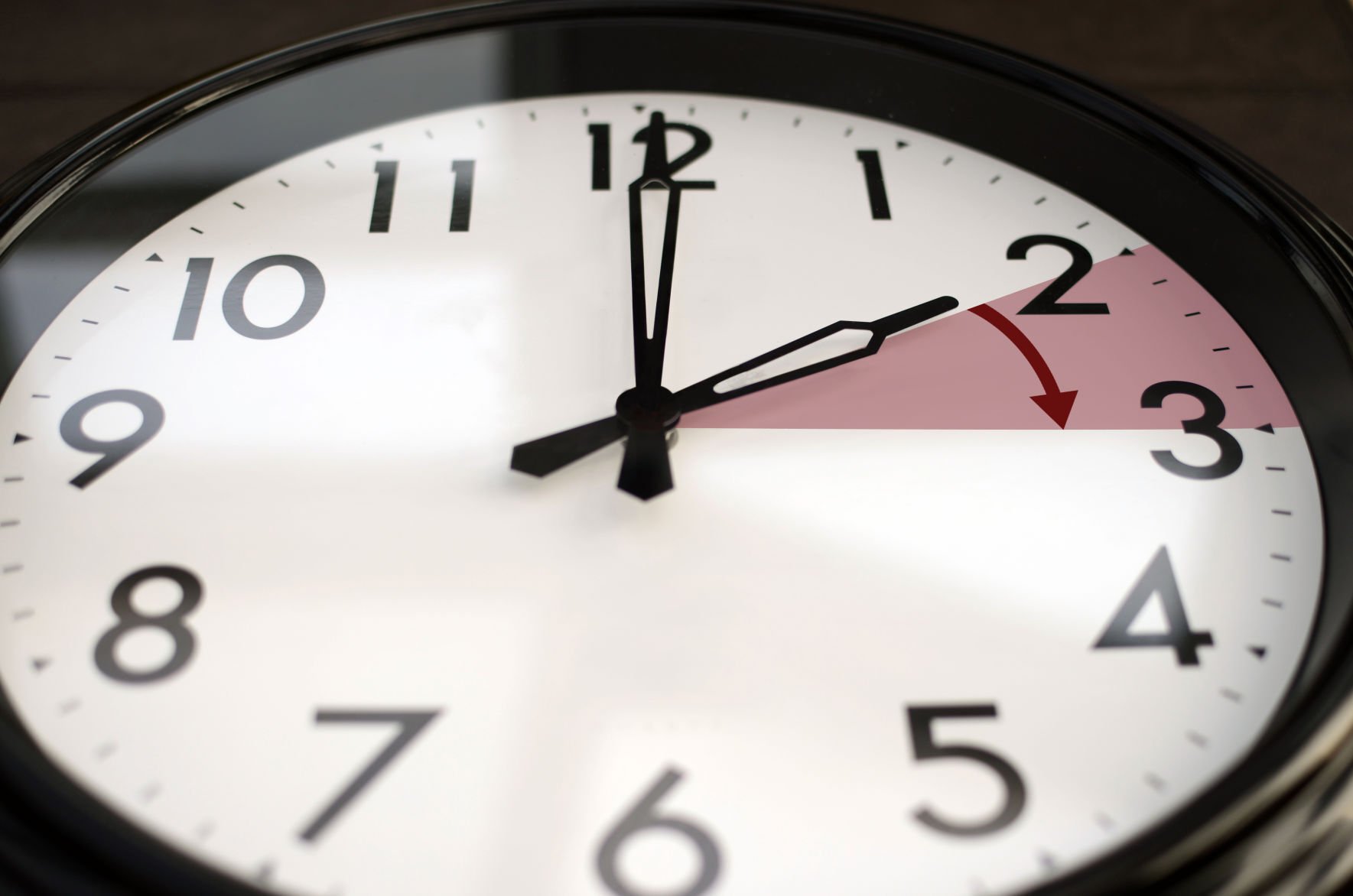
The Colorado Division of Motor Vehicles (DMV) offered tips to avoid fatigued driving after daylight saving time ends Sunday.
According to the National Highway Traffic Safety Association, 633 people died from drowsy driving-related crashed in 2020. Daylight saving time increases the risk of fatigued driving.
Colorado joins list of states waiting to make daylight saving time year-round
The DMV said there are steps motorists can take to avoid the dangers of drowsy driving. The National Sleep Foundation is hosting Drowsy Driving Prevention week from Nov. 6 to 13.
“In today’s world, we are constantly on the go and the risk of drowsy driving is greater than ever before,” DMV Senior Director Electra Bustle said.
“The DMV always wants to empower Coloradans through choice and part of that is empowering them to make an informed decision about when it’s OK to drive and take the necessary precautions to avoid putting yourself and others in danger.”
Helpful tips for driving from the DMV, include:
- Planning your trip ahead of time
- If your trip is long-distance, ask a friend to join you so they can help drive and monitor for signs of drowsy driving
- If you feel tired, drowsy or notice any of the signs of drowsy driving (listed below), pull over and get some rest. Only continue driving when alert
Before driving or while planning a road trip, the DMV suggests watching for these drowsy driving warning signs:
- Finding it hard to focus on the road, frequent blinking or heavy eyelids
- Starting to daydream, wandering eyes and having disconnected thoughts
- Having trouble remembering the last few miles driven
- Missing an exit or ignoring traffic signs
- Yawning repeatedly or rubbing your eyes
- Finding it hard to keep your head up or nodding off
- Drifting from your lane, tailgating or hitting a shoulder rumble strip
- Feeling restless and irritable or becoming aggravated with common annoyances such as sitting in traffic
Before getting into the car, the DMV recommends asking the following:
- Are you sleep-deprived or fatigued? Are you suffering regularly from sleep problems? Less than six hours of sleep triples your risk of falling asleep while driving, according to the National Sleep Foundation.
- Are you planning to drive long distances without proper rest breaks?
- Will you be driving through the night, mid-afternoon or when you would normally be asleep?
- Are you taking medications that can make you sleepy such as antidepressants, cold tablets or antihistamines?
- Have you been working over 60 hours a week? A tightly packed work schedule increases your risk of drowsy driving by 40% according to the National Sleep Foundation.
- Have you been working more than one job and your main job involved shift work?
- Did you drink alcohol? Even a small amount of alcohol can have an impact on your body.
According to the National Sleep Foundation, specific at-risk groups for driving sleep-deprived include:
- Young drivers: especially males under 25 years old
- Shift workers and people with long work hours: working the night shift can increase your risk of drowsy driving by six times. Rotating-shift workers and people working more than 60 hours a week need to be particularly careful
- Commercial drivers: especially long-haul drivers. At least 15% of all heavy truck crashed involve fatigue and sleep-deprived driving.
- People with undiagnosed or untreated disorders: people with untreated obstructive sleep apnea have up to seven times the risk of falling asleep at the wheel
- Business travelers: people who spend long hours driving or may be jet-lagged from a previous trip
Colorado legislature sends permanent daylight saving time bill to Gov. Jared Polis
Colorado joined 18 other states in agreeing to make daylight saving time year-round if the federal government allows states to do so.
Gov. Jared Polis signed the measure, HB-1297, into law in June. In addition to requiring a federal law change, the bill mandates that four other states in the Mountain Time Zone also make daylight saving time permanent before Colorado can make the switch.
Three eligible states — Utah, Montana and Wyoming — are already on board. This means, if the federal government gives the OK, only one more state has to adopt daylight saving time: Arizona, New Mexico or southern Idaho.