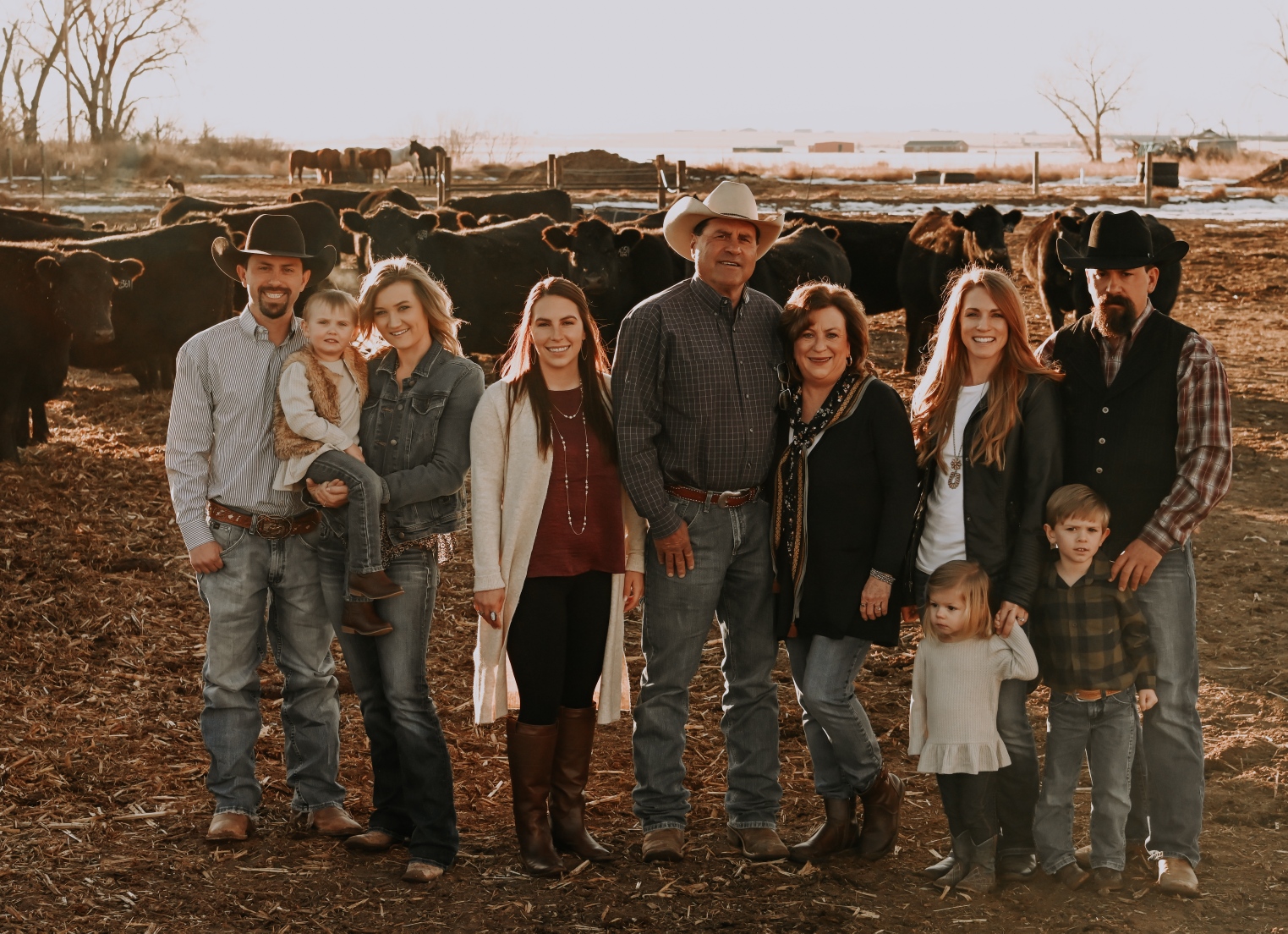
Colorado rancher uses genetics to create super mountain cows
When a Denver Gazette reporter called the Walter Angus company to interview them on the Colorado Cattlemen’s Association award they just earned, Manager Ty Walter responded: “I’m cleaning the pens right now. The weather’s not helping.”
This was Wednesday, as the state was getting pounded with a snowstorm that shut down most government and school operations. Walter Angus is located in Hudson, east of Fort Lupton in northeast Colorado. That area of the state was hit particularly hard, with I-76 and I-70 being shut down.
But there’s no snow days off in the ranching industry.
“Agriculture is a very hard industry to be in,” he said. “There’s not much money and it’s very capital intense. It’s actually a terrible business to be in. The only reason we are is because we love our cattle.”
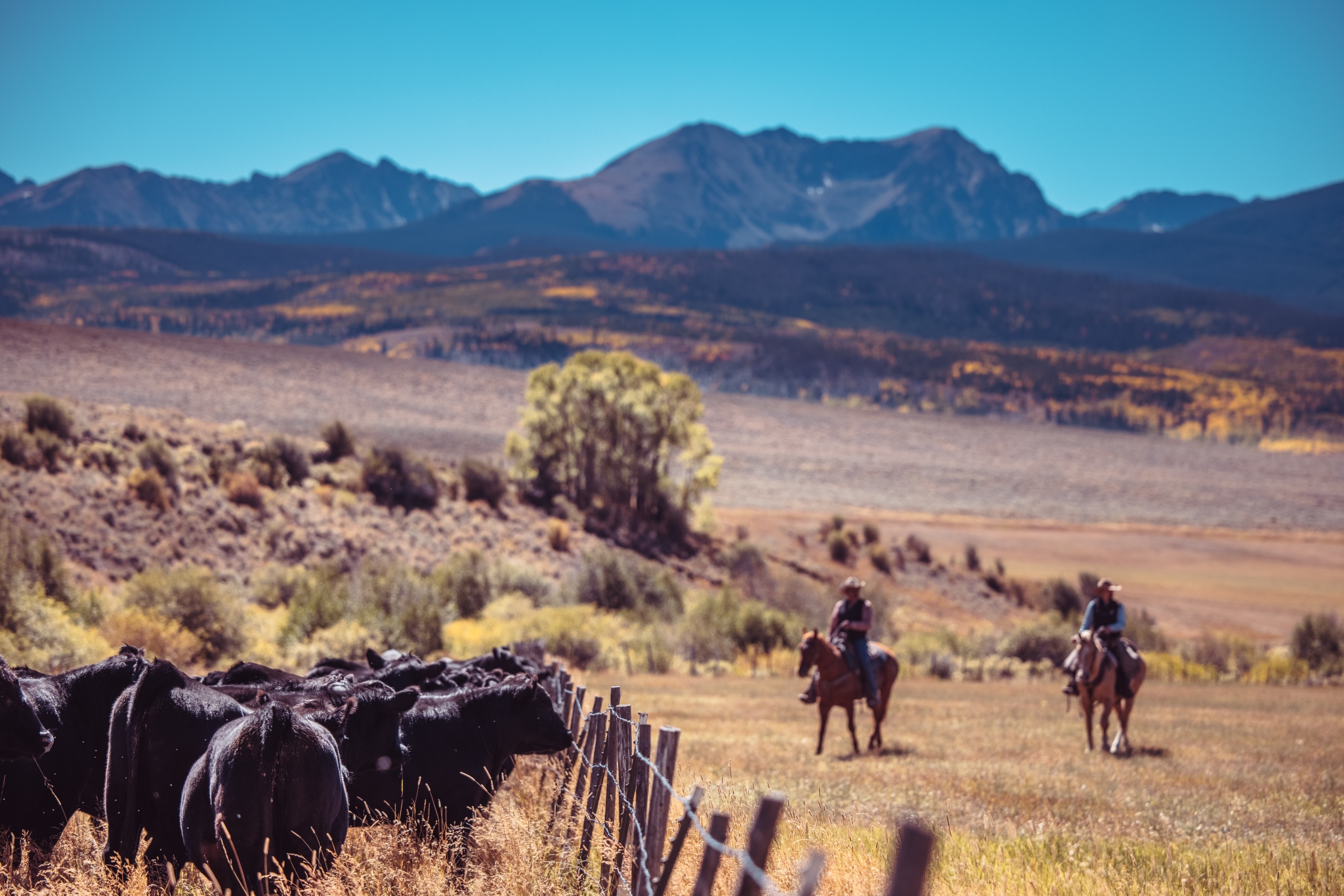
Walter Angus is known for producing super mountain cows that can handle Colorado’s altitude – every summer the herd is taken to summer pastures near Silverton and Granby.
“It’s complicated, but not all cattle can go to mountain heights. We keep a closed female herd so we have a better handle on it. That’s our niche. … We haven’t bought a female in like 20 years.”
All in the pursuit of creating the perfect cow.
The association had just announced Walter Angus had earned the “Outstanding Seedstock Producer of the Year” award at its mid-Winter meeting held Tuesday in Denver in conjunction with the 117th year of the National Western Stock Show.
“We create bulls and heifers for commercial cattlemen to buy to breed their livestock,” he said. “Our job is to improve the breed and genetics.”
They sell about 150 bulls per year, which can each breed about 25 cows per year.
It’s not an exaggeration to say they’ve got it down to a science.
“The people in Denver have no clue how much technology we have in agriculture,” he said. “We use it to create efficient and sustainable animals. That creates a better product.”
Ty didn’t join his older brother Trevor — who road-tripped to Denver for the Cattleman’s meeting — because it’s a busy time of year for the ranchers. The company’s big bull sale is the third week of February. Their father, Terry, is the company owner. The Walter family has been in agriculture since Ty’s great, great grandfather immigrated to the United States from Europe.
The technology is comparable to that of companies like 23 and Me or Ancestory.com.
“We’re able to buy semen, from hundreds to thousands of dollars, from bulls to breed cows. We use artificial insemination for all our sires (father of an animal). The IVF (in vitro fertilization) field is crazy in how advanced you can create embryos to make cows pregnant.”
They can test the DNA of a calf within two days of birth and “you can tell just about everything we want to know about the calf, from projected weight on,” he said.
Every animal has what’s called an EPD (expected progeny differences). Walter compares it to the stats on a baseball player, like RBIs.
“The DNA is stored at the (Colorado) Angus Association as EPD and you can back-check the sire and the dam (mother of a calf) to see if it’s correct. Ten percent of DNAs come back wrong,” he said. “So when I say we’re creating a more efficient cow, I’m not full of crap. Efficient cattle eat less grass and finish quicker in the feed lot.
“We either help or hurt or customers. There’s not much in between. That’s why our jobs are very important to get it right, and stay honest.”
Walter said they appreciate the improvement to the National Western Stock Show grounds, especially the outdoor pens with hot water and electricity readily available.
“I will say one thing: Denver has done a really great job of listening to the producers concerns and doing things to help us,” he said. “This has really be a first-class reconstruction” of the Stock Show grounds.