







Denver’s Colfax bus rapid transit project contract sparks concerns, questions
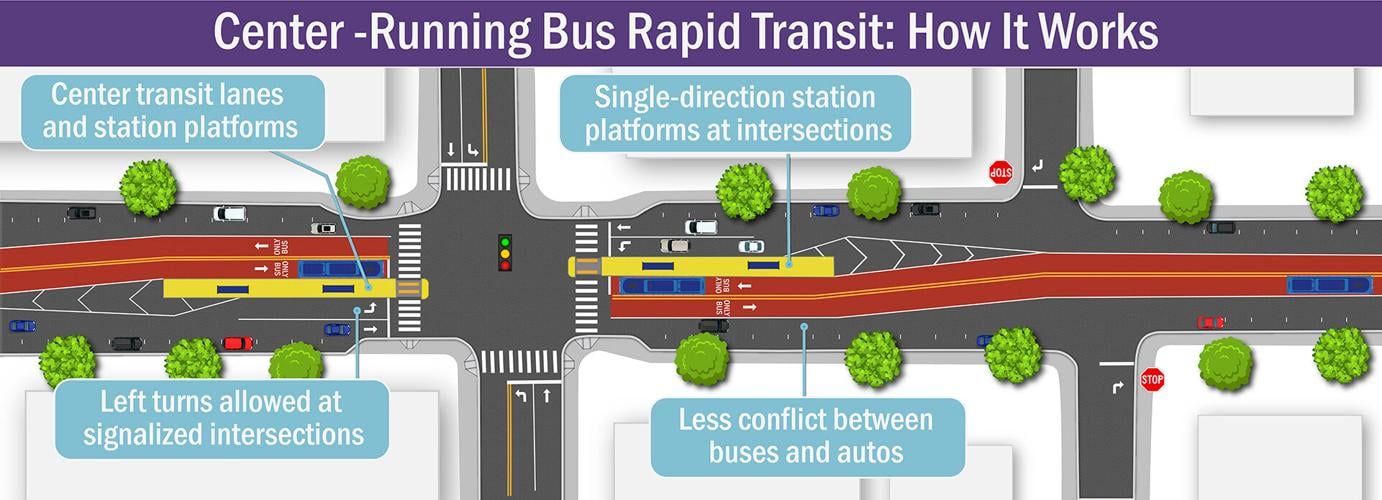
Concept art showing off the rethinking of Colfax Avenue as a bus rapid transit corridor. The current 15 and 15L serves about 20,000 Denverites per day according to RTD.
COURTESY CITY OF DENVER

The fallout of Denver International Airport’s first failed attempt at the Great Hall project still haunts Denver District 5 Councilwoman Amanda Sawyer.
That project fell apart in 2019 and quickly devolved into a “he said, she said, they said,” debacle, she said at a Tuesday Land Use Transportation and Infrastructure meeting. Committee members discussed the proposed Colfax Bus Rapid Transit (BRT) project.
A new, on-call contract related to the BRT system caused some concern for Sawyer. The contract with Triunity LLC is worth $17.8 million and ends on Dec. 31, 2027, and covers owner’s representative professional services. These services include anything from program management, pre-construction support, independent cost estimating and construction oversight, according to Jonathan Stewart, the director of the Colfax BRT program.
Colfax may see radical redesign with bus rapid transit line
The system will radically redesign Colfax Avenue in Denver by adding a center lane for bus travel, eliminating one lane of car travel, and making ample space for on-street parking, according to renderings shared by the city.
“The main reason we’re doing it is it allows us to bring in the proper resources at the right time depending on where we are within the project lifecycle,” he said. “It allows us to adapt and right size the team based on field conditions and market conditions.”
But the contract brought back bad memories for Sawyer of the initial, failed, start for DIA’s Great Hall project.
In 2019, city officials terminated the original $1.8 billion contract with Madrid-based Ferrovial Airports and Saunders Construction as general contractor on a terminal expansion project to improve security and check-in areas. It was marred by delays and cost overruns. It started as a $650 million project. City council members and airport officials described the breakup as a “messy divorce.” Greeley-based Hensel Phelps took over the Great Hall project.
While the airport was able to recover from that quite well, Sawyer said, she remained cautious due to the apparent similarities of the contracts. Sawyer made clear her caution was reserved for this contract, not the BRT project itself.
Aurora council debates ARPA nonprofit grants
At times, the city will need to employ subject matter experts who are not on the city’s payroll. The contract with Triunity allows the city to “grab” those individuals from the company, make use of their expertise through a specific work order, and then allow them to return to their work with Triunity.
The open-ended nature of work orders and calling on what is essentially a temporary employee concerned Sawyer. She wanted to know whether the contract contains clear and specific milestones and dates.
There is an end date and an implementation schedule, according to Travis Bogan, Denver Department of Transportation and Infrastructure’s director of special projects, but more specific milestones and dates will be determined by “task orders.”
“My concern is I don’t want to end up in a position like we did with the Great Hall, where we have handed over to someone else all of the decision making and all of the major specifics that come with a project like this,” Sawyer said. “I’m concerned the same thing is going to happen here because there are no guardrails.”
Denver City Council to approve $8 million in airport related contracts
The city did, however, learn some lessons from the Great Hall debacle according to Stewart. He said those lessons are a big reason why the city decided to pursue a construction manager/general contractor (CMGC) form of delivery. This gives the city more control, especially on price.
“That’s a big reason why we’re using the on-call contract, because we don’t necessarily have to spend all that money,” he said. “Back to the CMGC, we have a lot more control over the contractor with this kind of delivery method.”
Other guardrails exist, including quarterly briefings and an executive oversight committee — which Bogan said will help the city understand where the project stands over all. However, no councilmember is on the oversight committee and when Sawyer asked why that is, Bogan had no answer.
The Colfax BRT project is anticipated to cost between $250 and $300 million and be complete by 2026. The Denver City Council has already approved a contract worth $24.1 million with Parsons Transportation Group Inc. for design services.
A traffic study and environmental study are currently underway and will be released upon completion.

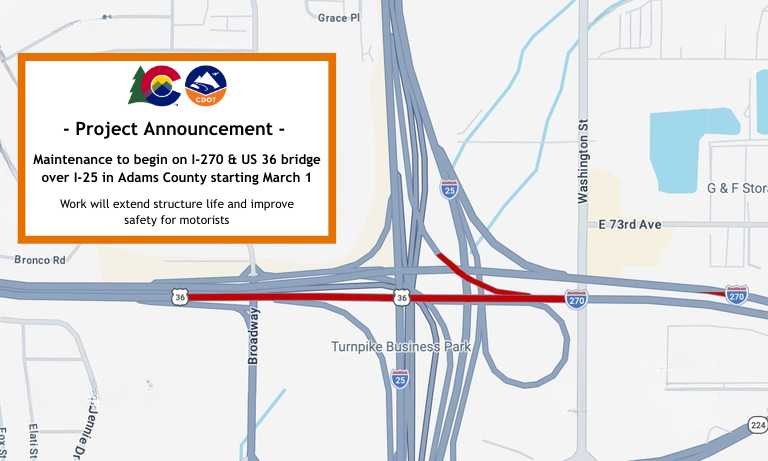
CDOT starts $2 million bridge maintenance on I-270/U.S. 36 over I-25
Scott Weiser
scott.weiser@gazette.com
Updated 8 hours ago
The Colorado Department of Transportation has begun preventative maintenance on the bridge carrying U.S. 36 and Interstate 270 over Interstate 25, a $2 million effort to repair early wear, improve driving safety and delay a full replacement in a heavily...

Scott Weiser
Reporter

Denver gas prices rose by nearly 30 cents in last week, survey finds
Michael Braithwaite
michael.braithwaite@gazette.com
Updated 5 hours ago
The average price of gas in the Denver area rose by 28.2 cents per gallon last week, with one analyst saying markets will now begin reacting to the war in the Middle East between the U.S. and its ally Israel,...

Michael Braithwaite
Reporter
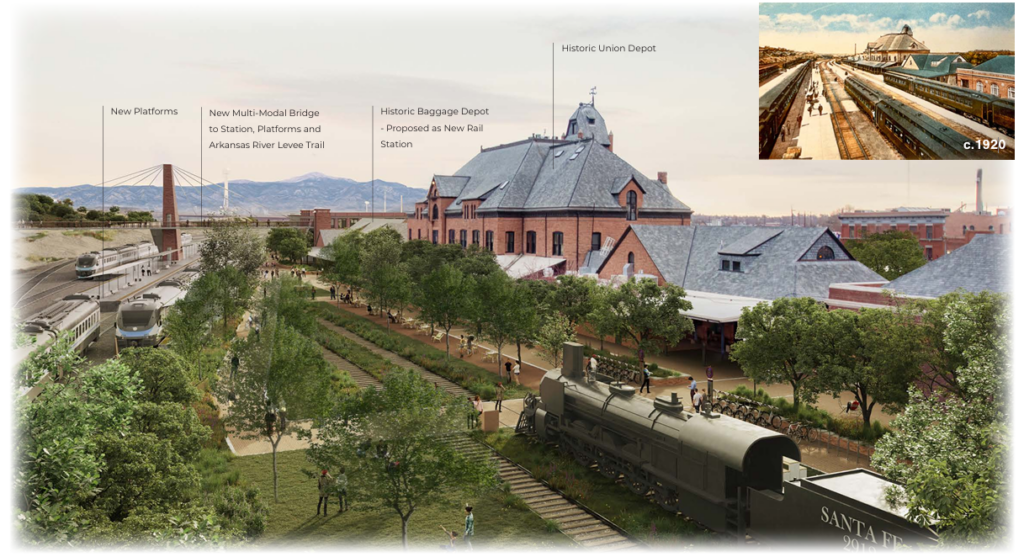
Front Range Passenger Rail pitches to Colorado Springs ahead of possible ballot measure
Savannah Eller
savannah.eller@gazette.com
Updated 1 day ago
If all goes to plan, a measure for a sales tax to fund passenger rail service could be coming to Front Range ballots in 2026. “We have a plan that we think is viable, and we’ll actually be able to...

Savannah Eller
Reporter
RTD Transit Police begin patrols from new substations in Englewood, Boulder
Scott Weiser
scott-weiser@denvergazette.com
Updated 2 days ago
Regional Transportation District Transit Police started operating from two new substations on Friday to increase their visibility on the system and shorten response times across the eight-county service area. One substation is based at the Elati light rail facility in...

Scott Weiser
Reporter
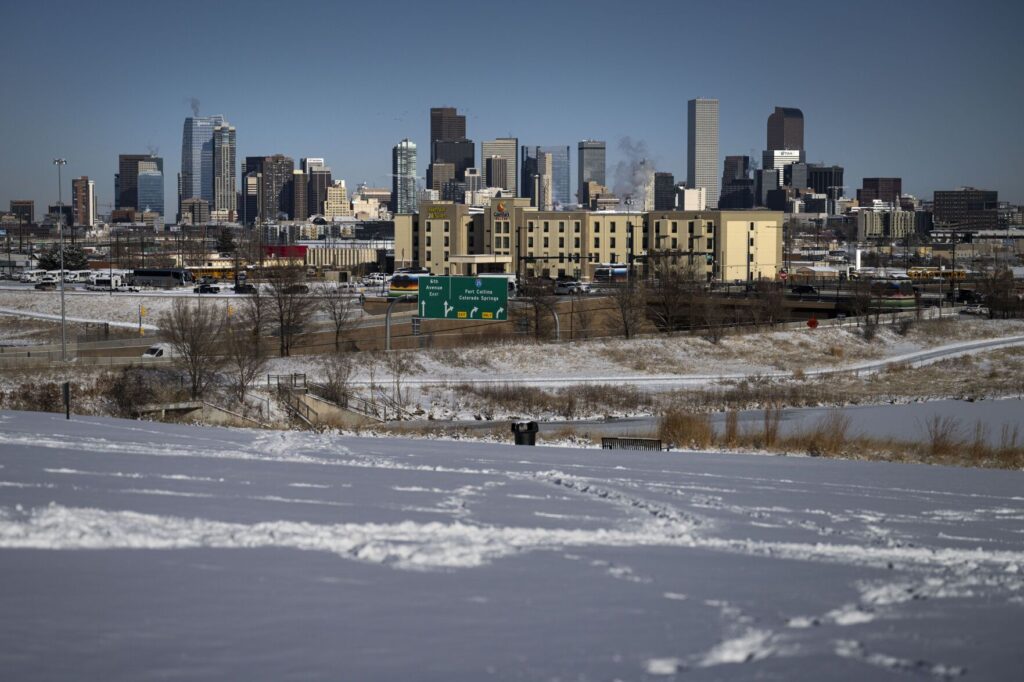
Colorado awards $13 million to upgrade housing, transit infrastructure in four communities
Jacob Mauk
jacob.mauk@denvergazette.com
Updated 5 days ago
The Colorado Department of Local Affairs awarded more than $13 million to help upgrade infrastructure in four communities along the Front Range, the agency said on Thursday. The funding comes from the inaugural Transit Oriented Communities Infrastructure grant, which disburses...

Jacob Mauk
Reporter
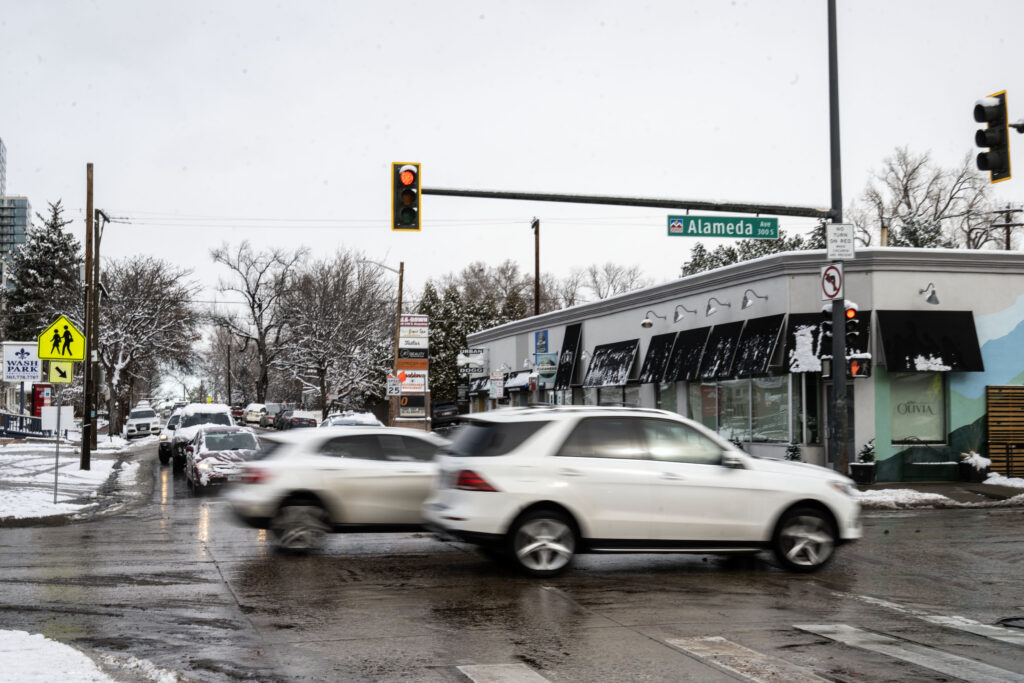
Denver heads for full ‘road diet’ on Alameda Avenue as councilmembers question rising city traffic deaths
Mark Samuelson
mark-samuelson@denvergazette.com
Updated 1 week ago
The rise in traffic deaths in the Mile High City over the past year has caught the attention of councilmembers, as Denver’s transportation agency is doubling down on its Vision Zero strategy for ending fatalities. That issue came to a...

Mark Samuelson
Reporter
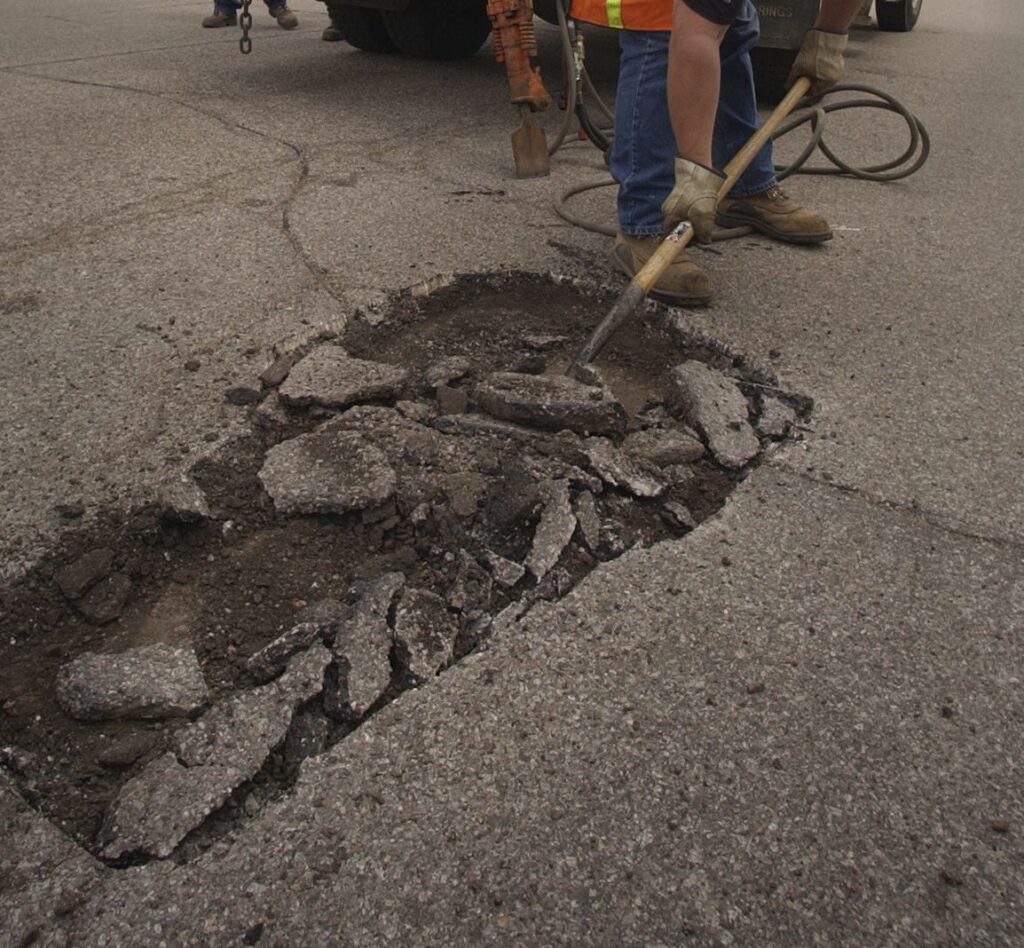
Colorado Senate presses transportation director to increase funding for Morgan County roads
Marissa Ventrelli
marissa-ventrelli@denvergazette.com
Updated 2 weeks ago
A coalition of state Senators approved a resolution drafted by the Morgan County Board of Commissioners urging the Colorado Department of Transportation to invest more money into fixing roads. Some 70% of Morgan County’s roads have been labeled by the...

Marissa Ventrelli
Reporter
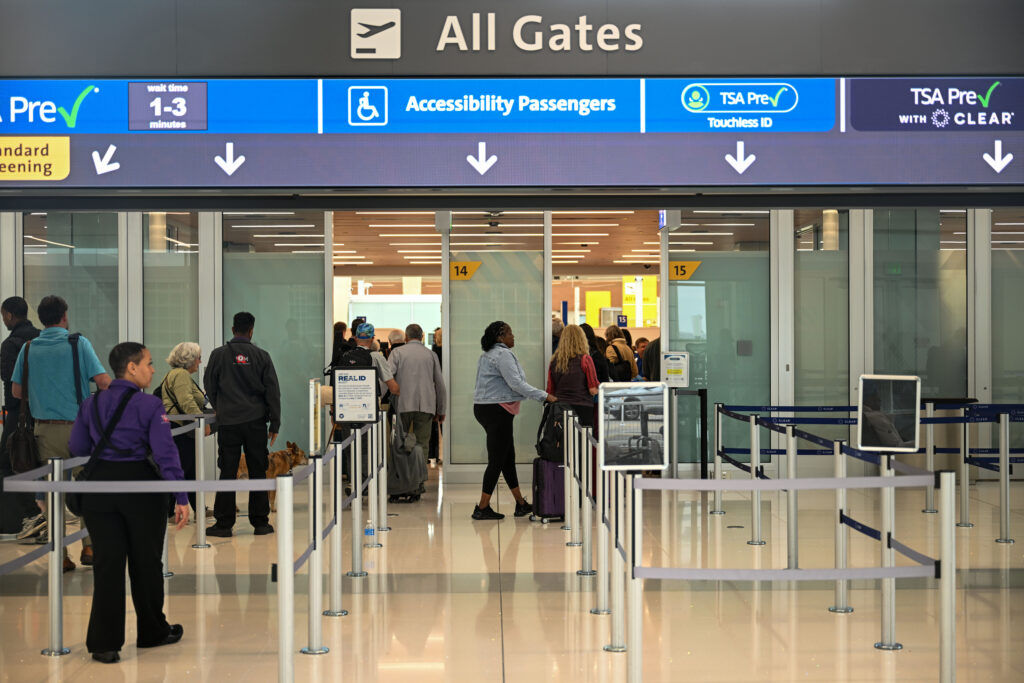
Here’s what to know about the Homeland Security shutdown starting this weekend
Deborah Grigsby
deborah.smith@denvergazette.com
Updated 3 weeks ago
Another shutdown for parts of the federal government is expected this weekend, following an impasse over funding for the U.S. Department of Homeland Security amid a push by Democrats for changes in immigration enforcement. Funding for the federal agency is set to...

Deborah Grigsby
Reporter
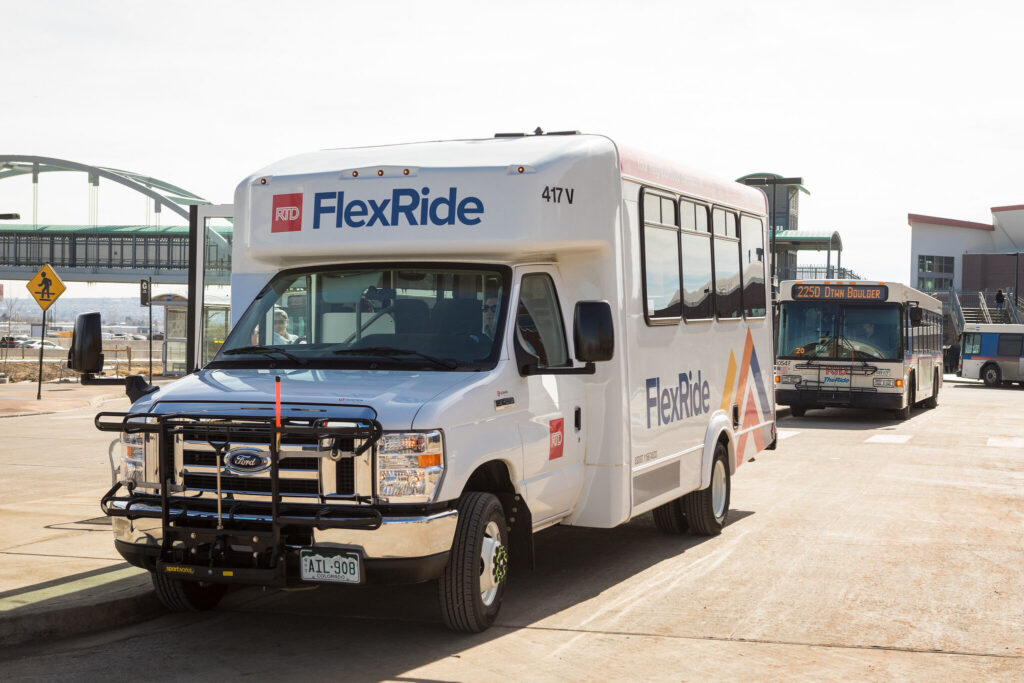
RTD merges eight southeast FlexRide zones into single DTC FlexRide area
Scott Weiser
scott-weiser@denvergazette.com
Updated 3 weeks ago
The Regional Transportation District has consolidated eight separate FlexRide service areas in the southeast corridor into a single unified zone, DTC FlexRide, effective Feb. 1. The change combines the former Arapahoe, Belleview, Dry Creek, Meridian, Orchard, Lone Tree, South Inverness...
Scott Weiser
Reporter
Denver, other DMVs to close this weekend for statewide tech upgrade
Deborah Grigsby
deborah.smith@denvergazette.com
Updated 3 weeks ago
The Colorado Division of Motor Vehicles will temporarily close all of its locations for three days, beginning late in the evening on Friday, Feb. 13, while it completes statewide technology upgrades. The planned updates include the public e-services platform, myDMV,...
Deborah Grigsby
Reporter
PREV
PREVIOUS

Shuttle service launches rides from Pueblo to airports in Denver, Colorado Springs
Facebook Twitter WhatsApp SMS Email Print Copy article link Save Facebook Twitter WhatsApp SMS Email Print Copy article link Save Pueblo residents now have increased access to shuttle services to and from the Colorado Springs and Denver airports. On Monday, Groome Transportation, a shuttle service connecting regional cities to major hub airports, launched 11 new […]

Voting begins for Colorado's new license plate design: See the 6 finalists
Facebook Twitter WhatsApp SMS Email Print Copy article link Save Voting is underway to determine Colorado’s next license plate. The Colorado Division of Motor Vehicles (DMV) launched the contest in September, seeking designs from residents for a license plate to celebrate the Centennial State’s 150th anniversary, Denver Gazette media partner KUSA reported Six finalists were […]