Finding solace in Colorado’s open spaces | Vince Bzdek
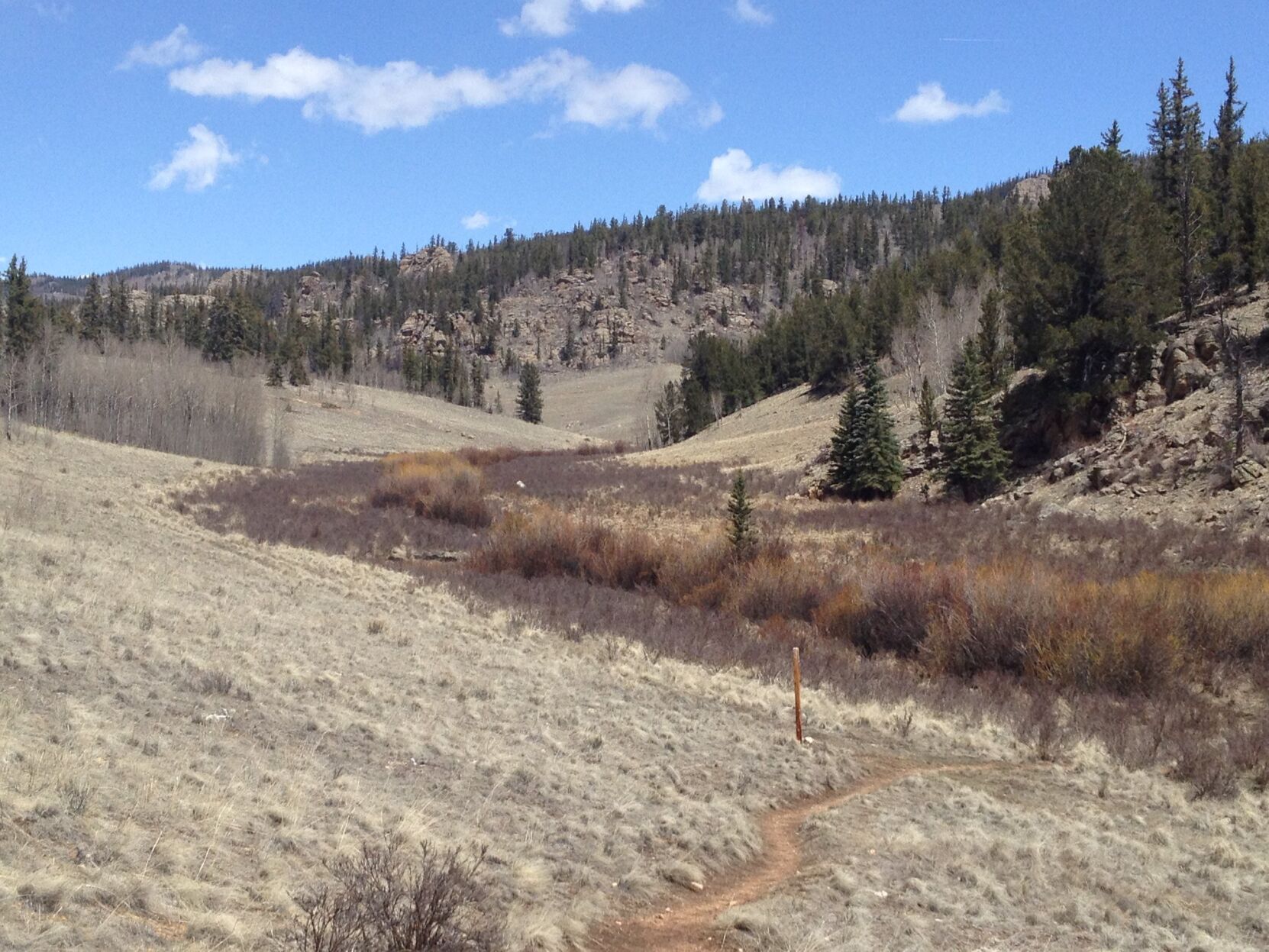
I look out at the rife white of late winter in the Rockies and all I see are the ground willows now, thin as grace notes and flush red at their tips, like cold fingers. It’s their stubborn subtlety that makes my heart ache a little, as do children’s secrets or the beauty of determined quiet. It’s been too long, I realize, since I was up on Hoosier Pass in April to see their capillary twigs refill with the blood of earth.
Sometimes, even for us journalists, the world is too much with us. I found myself seeking the solace of open spaces recently after the violence at East High took two more kids’ lives, and left two school administrators seriously wounded. Having spent some time at summer school at East, it may be that the tidal wave of violence against our children finally crashed too close to home.
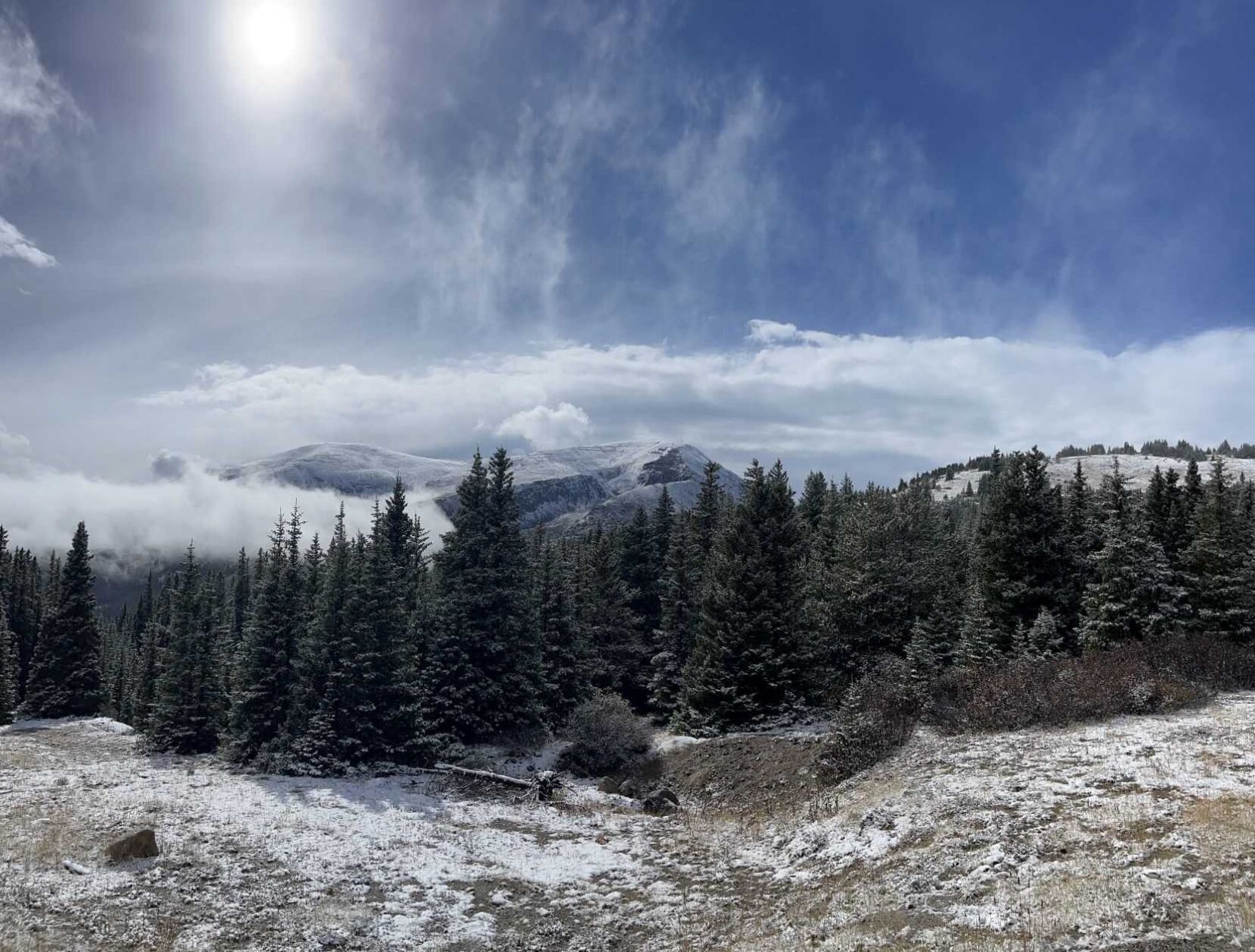
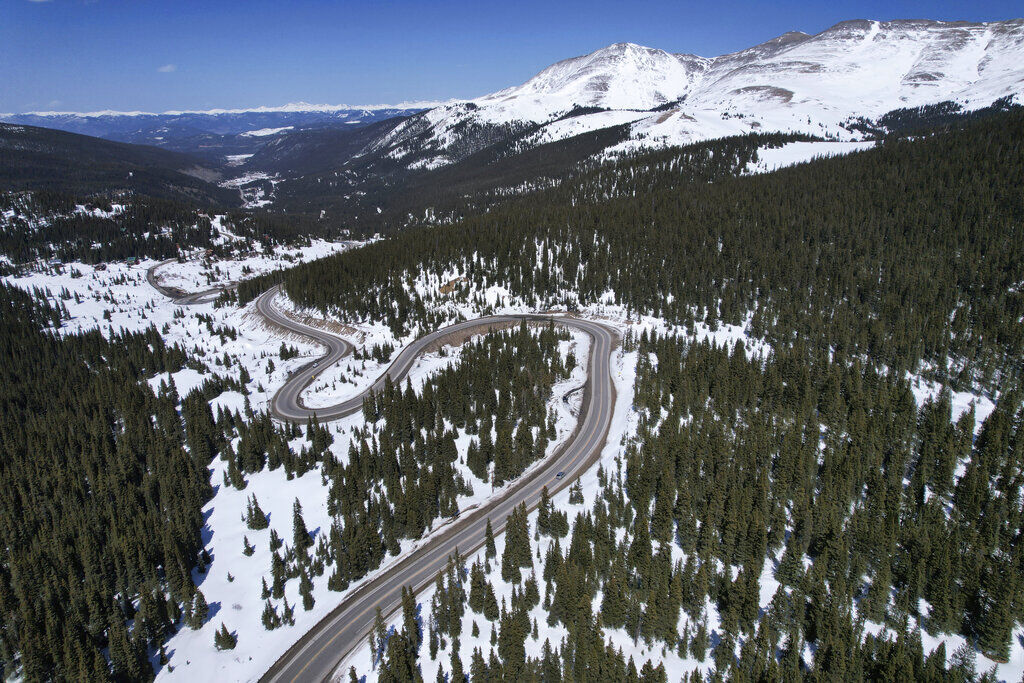
Fortunately, we in Colorado have the mountains to run away to when our cities get to be too much for us. When the news gets a little too overwhelming, I go looking for a meadow of untracked snow with rocky peaks thrown up all around like so many hosannas. That’s where I best get my soul restored and quiet my whirring brain.
Up in the mountains things are clearer; it’s where the world is really the way it is, stripped of all the daily distractions that cloud your vision. A day in the high country is a kind of a grand humility, where you can stand in awe at the sheer largeness and majesty of creation, but also feel what a puny presence you are in it. It puts things back into perspective.
I saw something on the internet recently that said Colorado actually has nine seasons, not four: winter, false spring, second winter, mud season, actual spring, summer, false fall, second summer, actual fall.
With those willows rising and the sun ascendant, it sure felt like real spring up there over the weekend. But I carried around a nagging feeling that it was another of those false springs we’ve experienced a lot this year. The nag morphed into dread at the thought that maybe spring won’t take at all this year after our never-ending winter; that those willows won’t make it; that winter will reassert and we’ll never see real summer in the high country.
I’m sure the dread came because I was still thinking too much about the 206 roses laid recently on the steps of the Capitol to commemorate the 206 kids who have lost their lives to school shootings since the first ones at Columbine 24 years ago in April. There have now been 377 school shootings since Columbine in 1999. More than 349,000 students have experienced some sort of gun violence at school in that time. The roses were left by a Centennial mom and dad and their 11 children, and yes, they’ve done it many times before.
The dread persisted because l couldn’t get those Denver Public Schools students out of my mind, hundreds of them now, who have marched on the Capitol because they don’t feel safe going to school anymore. I’m secretly hoping we’re seeing the beginnings of an anti-violence youth movement in the country.
And it persisted because I couldn’t stop thinking of my colleague Joey Bunch who suffered a decade of PTSD after covering the slaughter of innocents at Sandy Hook Elementary School, where 20 of the victims were 6-7 years old.
And because of how I’ve always felt fortunate to live in the exceptional country I live in but am now wondering if the primary exceptionalism other countries see in us now is our exceptional legacy of killing our own kids.
And finally, in all that empty space where your thoughts reverberate like endless echoes, I was left thinking how I would never recover if one of those kids had been mine.
We’ve got to make this stop, I tell my audience of aspens. We have to try everything. We can’t watch idly as our kids scream for their own safety. If these deaths affect me this much as a single detached journalist, what must this trauma be doing to our collective mental health? A nation that lets its kid get routinely shot up can’t be a mentally well nation.
Those willows peeking through the frost at me this spring, they are this: hints of flashes of whispers of things to come, reaching out, demanding their day.
I think of those 206 lost kids one more time and, cutting a careful path with my skis, I make way for the willows.