







For ‘elder statesman’ of Colorado rafting, a life and career of twists and turns
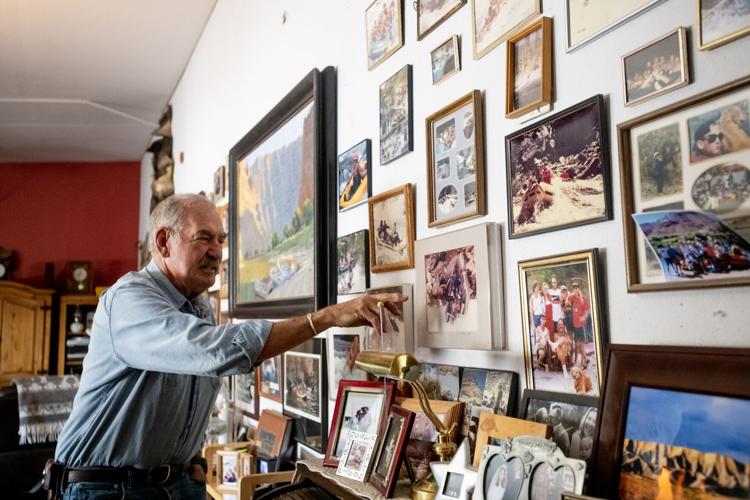
Bill Dvorak, longtime rafting guide and owner of Dvorak Expeditions, reminisces as he looks through a wall full of photographs documenting decades of rafting at his home .Dvorak has logged over 70,000 river miles and was the first licensed outfitter in the state.
photos by Parker Seibold, the gazette


NATHROP • For nearly 40 years, Bill and Jaci Dvorak have lived where they’ve worked, here in an old, cavernous factory they transformed into a home and base for Colorado’s first officially licensed whitewater rafting outfit.
Through the 1980s, they raised two kids here where smelly guides mingled, where personal and professional aspects of life blended: The kitchen here, the office there, the living room here and, through the next door, the room storing provisions and gear for trips on the nearby Arkansas River and wild stretches far beyond.
Their son and daughter are grown now. Now one walks into the living room to greet his father.
“Old Man River,” he remarks, eliciting a grin under a salt-and-pepper mustache.
Another season approaches for Dvorak Expeditions. And for the couple into their 70s, it might just be the last.


Jaci and Bill Dvorak and their dog pose for a portrait in front of a display of paddles signed each year by their rafting guides. For nearly 40 years, they have lived and worked in their factory turned home as Colorado’s first officially licensed whitewater rafting outfit.
A large portion of the business, the portion on the opposite side of the state through the Gunnison Gorge, was recently sold.
“We’ve been doing this a long time,” Bill says. “We’re ready.”
Ready, he says, to sell his rights on the river that he’s seen take on the reputation of America’s premier rafting destination.
“The Arkansas wasn’t really run a lot until Dvorak got down here,” says Jerry Mallett, a longtime friend and boater in Chaffee County.
A lot changed after Dvorak came around — including the way the river is managed and outfitters are regulated. Dvorak was key to the river shifting from federal oversight to Colorado Parks and Wildlife. Seeing ragtag competition rise while he was working to grow Dvorak Expeditions, he was key also to the state establishing its licensing program.
Around his home are other mementos of a big life and career.


Photos and momentos of Jim Dvorak, Bill’s father, are enshrined in his home. Jim was a bare-knuckle boxing, gambling man from Chechnya who died when Bill was 12.
There’s a John Fielder picture labeling the Dolores River Canyon as “Bill Dvorak’s place.” In southwest Colorado, that’s the place Dvorak regularly ran before he regrettably saw the canyon dried by McPhee Dam.
He was successful with other initiatives he led or helped. One made Gunnison Gorge a National Conservation Area in 1999. In his home, a picture of that designation hangs beside one of him shaking then-President Barack Obama’s hand in the Oval Office. That afternoon in 2015 marked the culmination of a decades-long mission for Dvorak to see Browns Canyon protected as a national monument.
He looks out to those canyon walls from his front door. It’s the proud sight of a man who seems to loom larger than his 6-foot-2 frame. He’s still barrel-chested, still has the hard-nosed demeanor of a college linebacker, still has the big, hardened paws of his father, a bare-knuckle boxer out of Chechnya.
Now there’s a bend in Dvorak’s back. “Now I’ve got two fake knees, a fake shoulder, a fused neck,” he says. “Seventy thousand miles on the river kind of wears you down.”
How Old Man River goes down in history is to be determined.
He grew up the son of that hard-living boxer and gambler on a hard-knock Wyoming ranch, a boy quick to turn from authority in favor of a fight. Perhaps some of those traits never left him, for better or worse.
Says Rob White, who recently retired after 20 years of managing recreation on the Arkansas River: “There’s a lot of battles and also some controversy that goes along with a person like Bill.”
Rebel between books
Jim Dvorak is enshrined at his son’s home today, boxing photos, poker chips, pocket watch, hunting rifle and all. Bill has always used his dad’s bolt-action .30-40 Krag to earn his elk meat.
“I never did get to go elk hunting with him,” Bill says.
The old man didn’t die old at all. Bill was 12.
That was 1961 on the outskirts of Sheridan, Wyo. Bill had seen plenty of trouble by then and would see plenty more around the ranch, where he tended to the outhouse and chickens among other duties.


Bill Dvorak poses for a portrait in Browns Canyon National Monument. Dvorak spent decades fighting for the preservation of Browns Canyon and achieved that goal in 2019 when President Barack Obama designated 21,586 acres of pristine canyons, rivers and backcountry forest as the Browns Canyon National Monument.
In between, he and his brother would chase each other in the woods. His brother would pretend to fire his gun — until one day he accidentally did.
“I got a bullet hole right here,” Bill says, pointing below his heart.
The bullet, he says, exited behind his ribs. It was determined to be a miracle at the hospital.
“They kicked me out of the hospital in three days,” Bill recalls. “I was making too much trouble.”
As much as he raised hell, he could be equally quiet and curious. Books were an escape from the craziness around him. He would read one after another, classics on the mountain man and travel entries from around the world.
Australia held his fascination. That’s where he’d go after he finished battle on the collegiate gridiron in Grand Junction, where he met the woman who became his wife.
“He was kind of an obnoxious cowboy football player or whatever,” Jaci says. But there was also a “sentimental” side, she says. That quiet, introspective, bookish side of him that longed for adventure, for a place beyond an America torn over the war in Vietnam.
In 1972, off they went to Australia with nothing more than the packs on their backs. Over the next seven years, they’d make stops also in New Zealand, Asia and England, hitchhiking wherever they went, making a bit of money at Outward Bound and National Outdoor Leadership School camps.


Bill Dvorak guides with his golden retriever through some Class 3 rapids while rafting the Arkansas River in Browns Canyon near Buena Vista in this May 14, 2013, photograph.
They’d scale high rocks and higher mountains, ski snowy ranges and sail choppy waters. “He even convinced me to scuba-dive,” Jaci says.
Back in Colorado, he’d convince her to embark into the rafting business. He found the Arkansas River Valley to be the perfect place.
“I just fell in love with it,” he says. “The valley is so similar to where I grew up in Wyoming.”
Troubled waters
As in Wyoming, he’d find trouble here.
He’d find a rival in Bob Nicolls, the owner of the local ski area, Monarch Mountain. Dvorak traces the feud to his days with the county tourism bureau; he says he wanted to spread marketing money away from Monarch. It’s beyond that, Nicolls says.
“I personally don’t like him, and I don’t respect him at all for being a crappy business man and a poacher,” Nicolls says.
In 2017, Dvorak pleaded guilty to an illegal kill and take of an elk. This was while carrying a license that was not his own, but his daughter’s.
The tag was almost expired, Dvorak says, “and her family needed the food, and back in that day, we probably needed the food. … It was just a dumb, stupid mistake on my part.”
Previously, during Dvorak’s failed run at county commissioner, Nicolls published documents showing what he called “numerous and repeated violations” by Dvorak. Nicolls acquired copies of liens between 2012 and 2015 suggesting about $81,000 in unpaid payroll taxes.
“We went through some interesting times financially, especially around 2012 and the drought there,” Dvorak says. “It took us a couple of years to sort of catch back up. … But whatever that was, I don’t remember anything about that.”
Nicolls also brought up river violations that Dvorak similarly marked up to “confusion” and misunderstanding. The violations went back to the early 2000s, including inadequate guide records and proper gear, and several citations of the small outfitter breaking allocated days and vessels on the water.
These were rules Dvorak saw written under the very system he pushed for under Colorado Parks and Wildlife, which he thought would be a better funding steward than the Bureau of Land Management. CPW took responsibility in the late 1980s after a series of talks, which included heated words between Dvorak and the BLM. (An associate at that time, Jerry Mallett, recalled the counter words of an officer: “I’ll see you in hell.”)


Bill Dvorak snags a trout in Gunnison Gorge, one of the his favorite spots. Photo courtesy Bill Dvorak
When he took the river manager role some 20 years ago, Rob White came to view Dvorak as the industry’s “elder statesman,” one who’d spent years convincing politicians and other officials to see eye to eye with him.
“I think he was somewhat used to getting his way at times,” White says.
That would show in policy meetings over the years. White says they often ended with him and Dvorak at odds.
“Obviously he ran a business,” White says, “and he needed to protect and enhance not only his staff, but of course his family. That business provides for his family.”
Ultimately, “Bill did some things right, and he did some things wrong, just like all of us,” White says. “But I never held anything against him.”
A quiet place
Business hasn’t been easy. It isn’t for any seasonal business; Dvorak has worked other jobs in the offseason, most recently plowing snow in his old age. Rafting is a tough business operating on the whims of the economy and environment.
“Climate change has changed everything,” Jaci says.
Less water has been met by more people. As Bill’s longtime friend, Mallett, says: “You advocate for something, everybody shows up. That’s part of the deal.”
That’s the national monument Bill saw created. At Browns Canyon, “it used to be you didn’t have to worry about finding a campsite,” he says. “It’s been a self-defeating prophecy in that respect I guess.”
It’s about time to call it a career, he thinks. About time to go see the world some more, he thinks.
He does a lot of thinking in the basement of his home/business. He walks down to the little room now.
“This is where I go to hide in the summer,” he says.
No stress, no trouble down here. It’s his quiet place, surrounded by books.

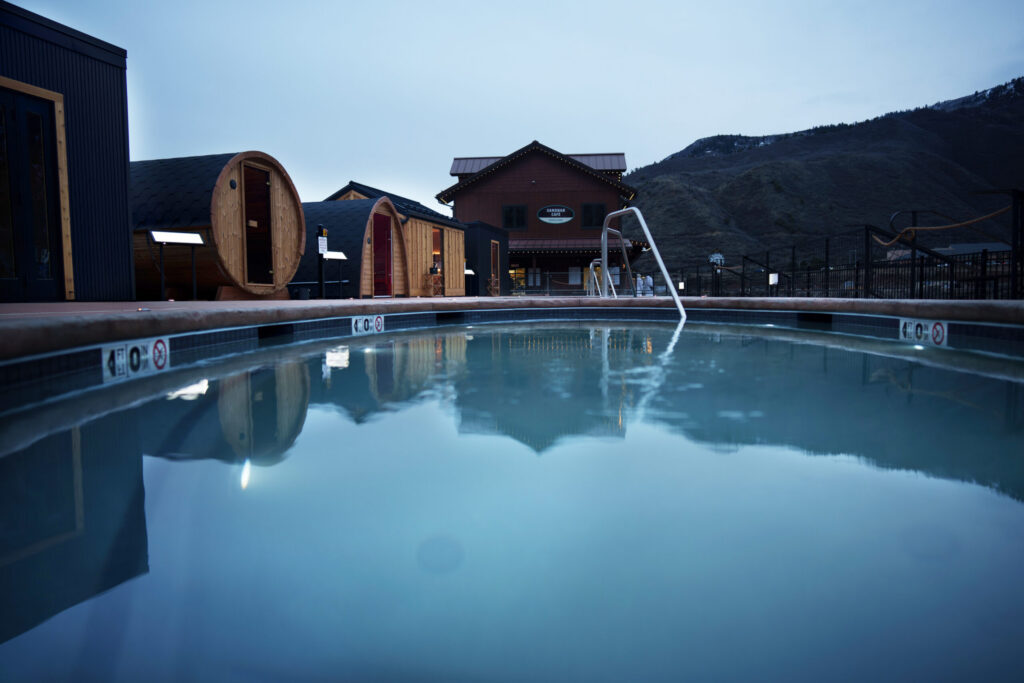
Colorado hot springs celebrates ‘first-of-its-kind’ expansion
Seth Boster
seth-boster@denvergazette.com
Updated 7 hours ago
A hot springs destination in Colorado has marked a “major” expansion. And it’s not exactly the expansion you’d expect at a soaking retreat. In Glenwood Springs, Iron Mountain Hot Springs is calling its newly opened Sauna Summit “the country’s most...
Seth Boster
Reporter
Double-digit snowfall totals likely on some Colorado peaks before weekend hits
Spencer McKee
spencer@outtherecolorado.com
Updated 11 hours ago
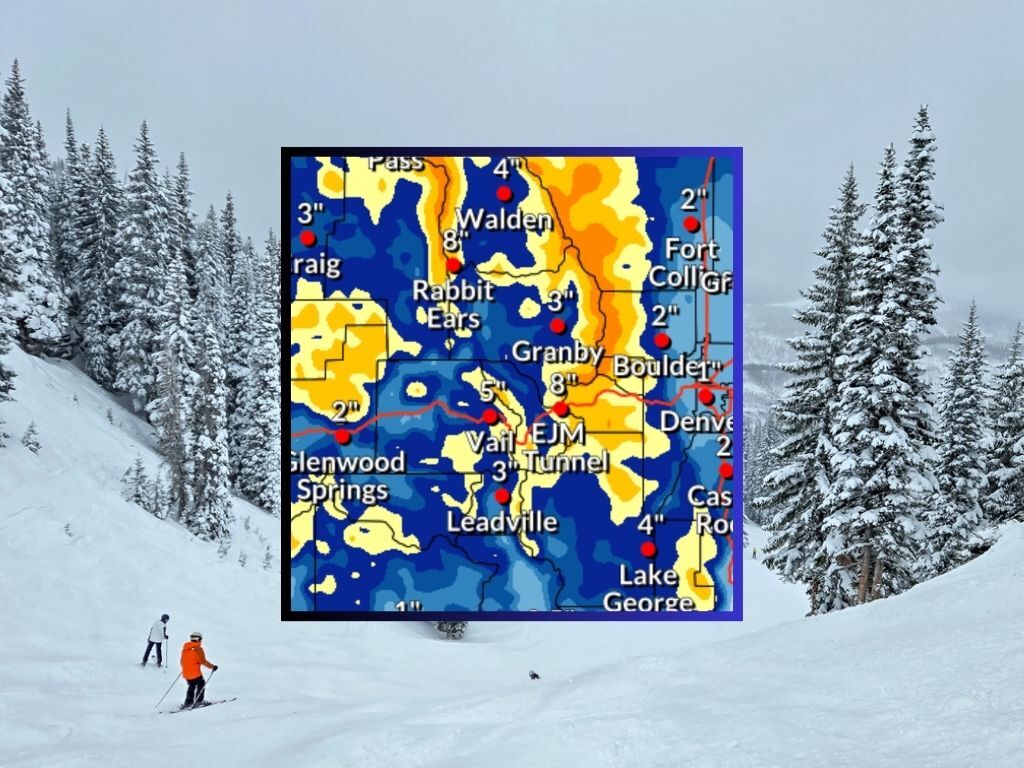
Weekend warriors, rejoice! It’s looking like many Colorado ski areas could get a nice refresh by the time the weekend hits. Mapping from the National Weather Service shows that in the most likely scenario, a winter storm will bring about...

Spencer McKee
Reporter
It’s time to apply for big game hunting licenses in Colorado
Seth Boster
seth.boster@gazette.com
Updated 1 day ago
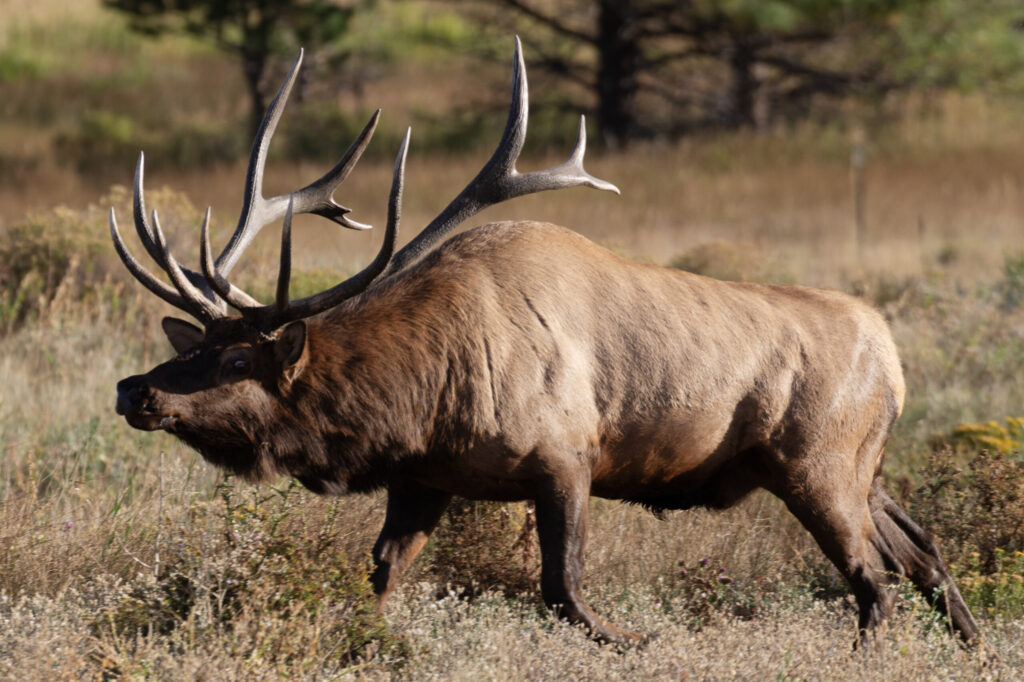
Colorado Parks and Wildlife’s new big game brochure has been hitting hunters’ mailboxes ー the annual reminder to start planning for the seasons ahead. CPW also reminded in a recent social media post: “Whether you’re after a long-awaited lifetime tag...

Seth Boster
Reporter
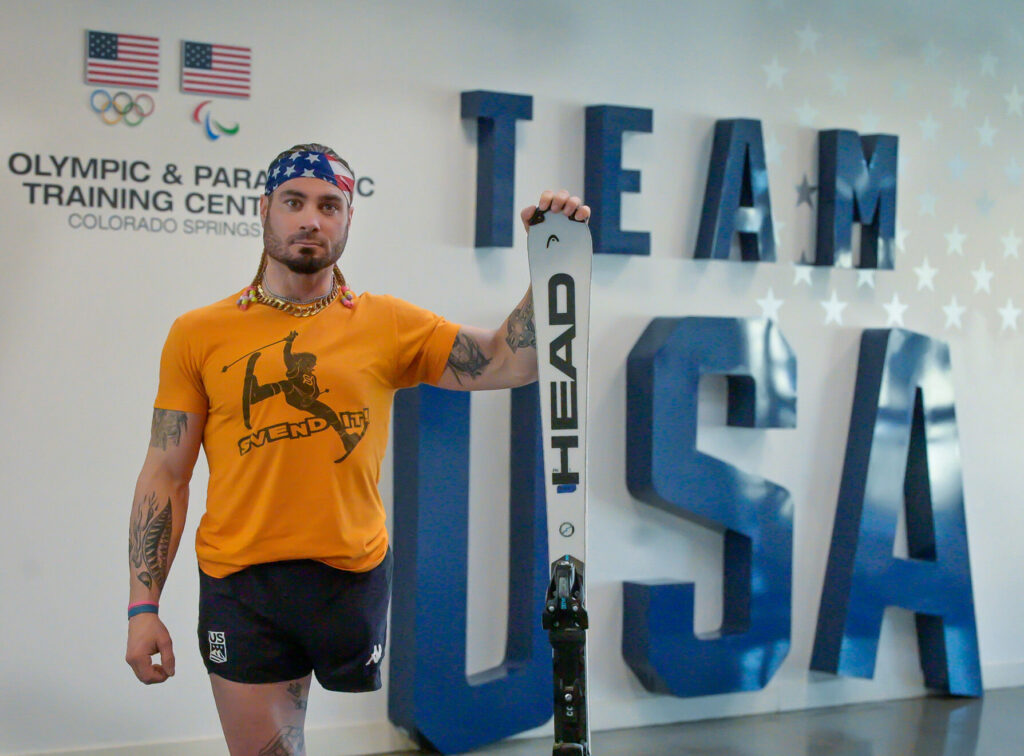
U.S. Paralympic skier Patrick Halgren exemplifies happiness, gratitude into second Paralympic Games
Marissa Kraus
marissa.kraus@gazette.com
Updated 2 days ago
Patrick Halgren can’t get enough of the cheeseburgers at the U.S. Olympic & Paralympic Center. Free housing, a world-class training facility, and all the food at his disposal, Halgren’s life is “eerily good.” It’s a life the Paralympian never imagined...

Marissa Kraus
Reporter
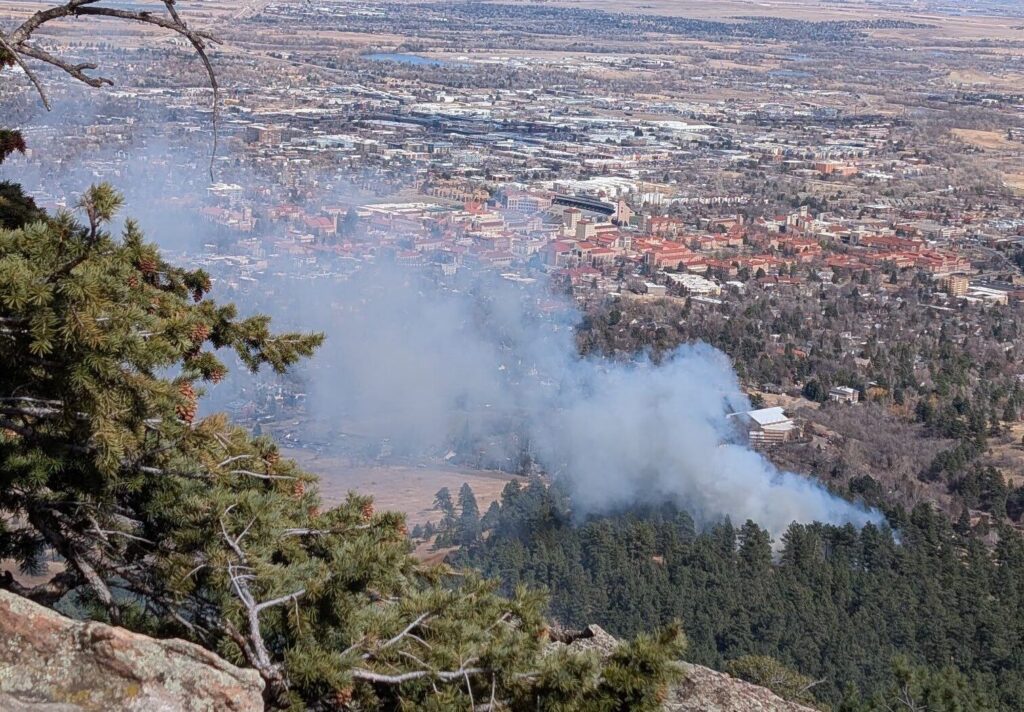
Wildfire near Chautauqua Park is 100% contained, Boulder Fire says
Bernadette Berdychowski
bernadette.berdychowski@denvergazette.com
Updated 3 days ago
The Bluebell fire near Chautauqua Park in southwest Boulder is 100% contained, Boulder Fire announced on X in a post late Saturday afternoon. “There are no active flames and crews are in mop up,” Boulder Fire said. The response team...

Bernadette Berdychowski
Reporter
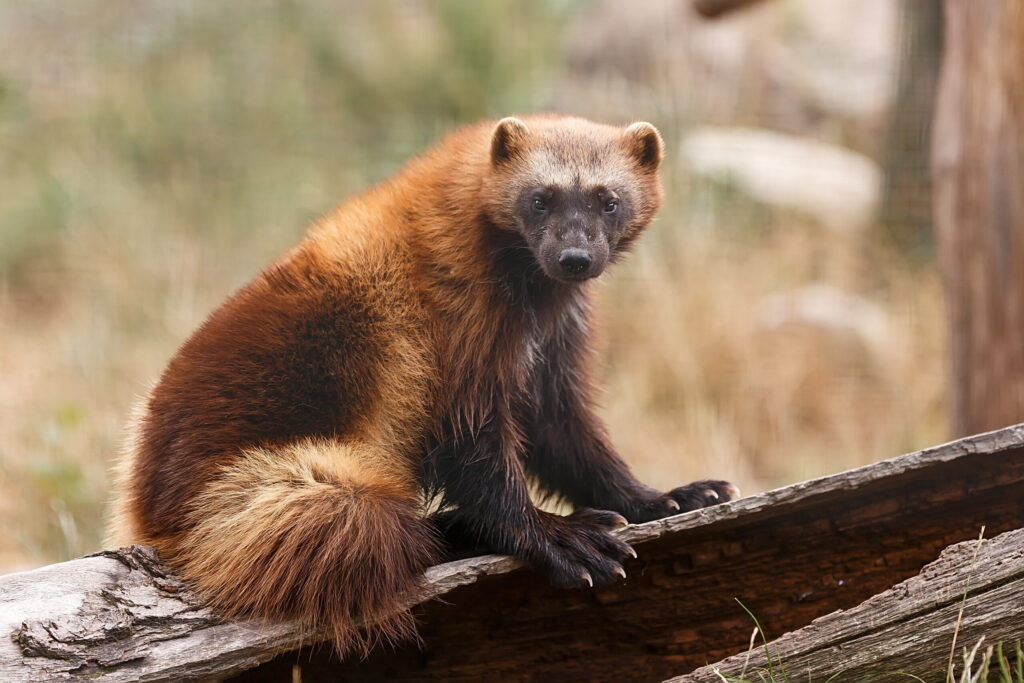
‘Larger than life’ and ‘logistically challenging:’ Getting to know wolverines and Colorado’s restoration plan
Seth Boster
seth-boster@denvergazette.com
Updated 3 days ago
Last month inside a Denver conference room, as the Colorado Parks and Wildlife Commission moved to the next agenda item, a whisper could be heard. “I’m excited for this one.” Bob Inman stepped to a microphone. “Colorado has many remarkable...
Seth Boster
Reporter

Lindsey Vonn gets encouragement from soccer legend Cristiano Ronaldo as she recovers from injury
Daniel Boniface
dan.boniface@denvergazette.com
Updated 5 days ago
One of soccer’s all-time legends this week sent words of encouragement to Colorado skier Lindsey Vonn as she recovers from a gruesome injury sustained at the Winter Olympics in Cortina. Cristiano Ronaldo shared the positive words in a comment on...

Daniel Boniface
Reporter
Red Flag Warning issued for Denver, I-25 corridor, plains on Wednesday
Daniel Boniface
dan.boniface@denvergazette.com
Updated 6 days ago
Another day of critical fire danger is on tap in Denver, the Interstate 25 corridor and the Eastern Plains on Wednesday, meteorologists said. The National Weather Service in Boulder issued a Red Flag Warning from 10 a.m. to 6 p.m....
Daniel Boniface
Reporter
With new book, Colorado climber turns the page on horrific chapter
Seth Boster
seth-boster@denvergazette.com
Updated 1 week ago
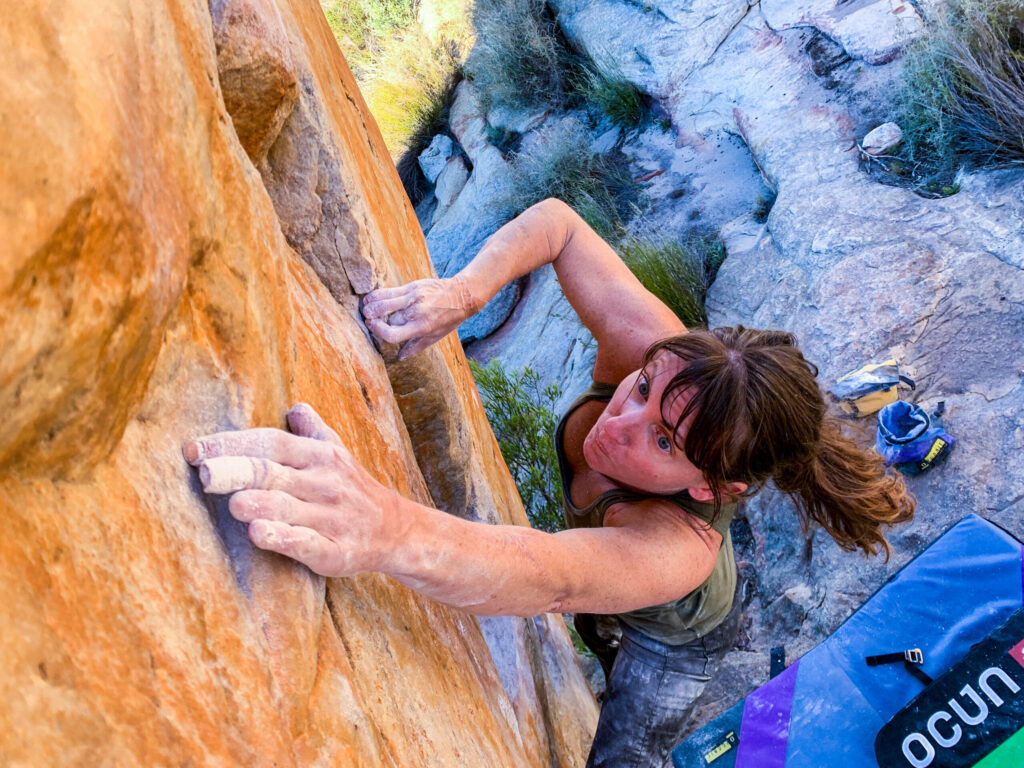
In her hospital bed on the morning of May 8, 2017, Melissa Strong asked her husband, Adam, for a pen. She could barely grip it; her fingers hardly resembled fingers, more like dark and swollen nubs after tense, reconstructive surgeries...
Seth Boster
Reporter
Rocky Mountain National Park to continue reservation system while other parks won’t
Seth Boster
seth-boster@denvergazette.com
Updated 2 weeks ago
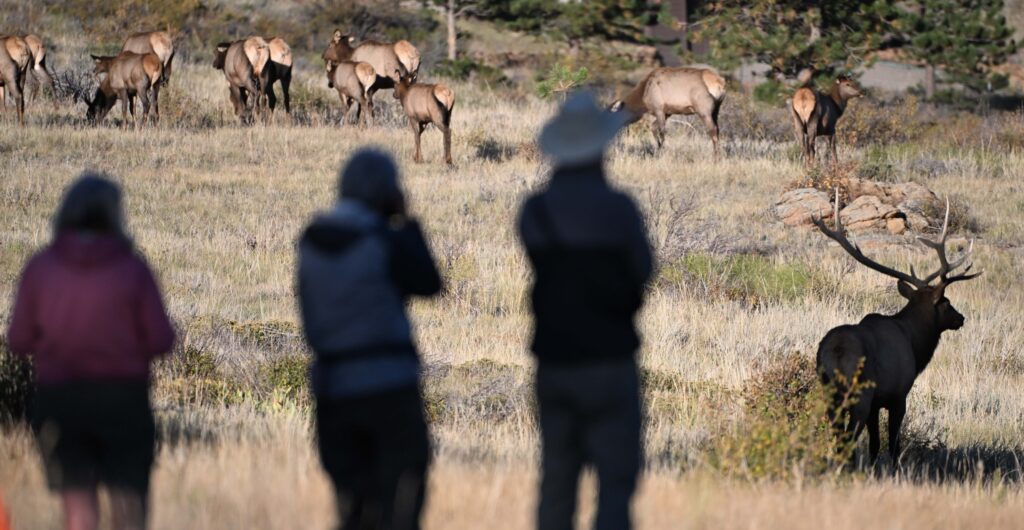
While some of America’s most popular national parks are dropping reservations this summer, they will still be required at the most popular one in Colorado. Rocky Mountain National Park has announced its timed-entry reservation system for the peak season from...
Seth Boster
Reporter
PREV
PREVIOUS

Rocky Mountain National Park to go with a cashless fee system for entrance, permit fees
Beginning Thursday, June 1, Rocky Mountain National Park (RMNP) will transition to a fully cashless fee system and will only accept mobile or electronic payments for entrance and permit fees, the National Park Service announced Tuesday. Visitors who are only able to pay with cash may purchase a prepaid pass from the Rocky Mountain Conservancy […]
Annual mountain bike celebration returning to Colorado desert
A destination mountain bike celebration is returning to the western Colorado desert. Fruita’s three-day Fat Tire Festival is kicking off May 12 for a full weekend of live music, food, beer and, most importantly, gear and singletrack. Organizers call it “one of the nation’s longest-running, non-race mountain bike events,” where the focus is not on […]