







Colorado fails to inspect dozens of marijuana businesses, audit finds
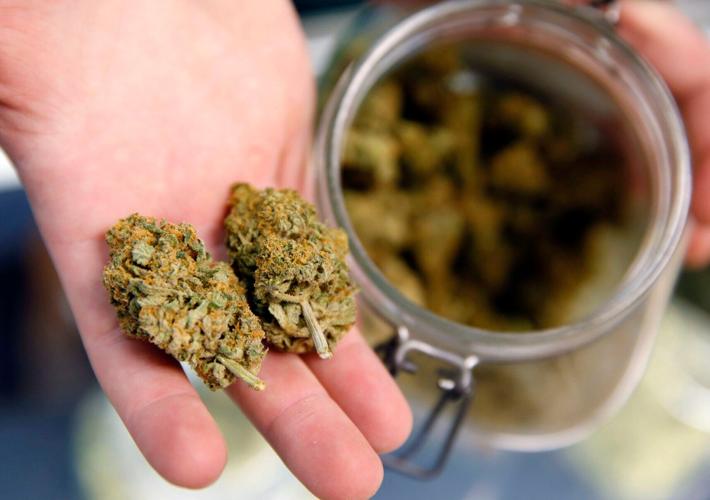
In this Nov. 27, 2015 photo, a budtender holds two marijuana buds on his fingers on the way to a customer at a store in north Denver.
AP Photo/David Zalubowski


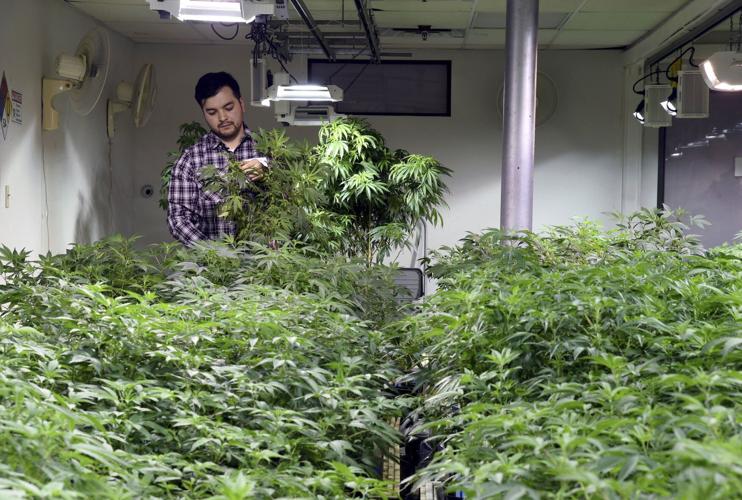
At least 75 Colorado dispensaries haven’t been inspected by the state in the last four years.
An audit released Monday uncovered wildly inconsistent inspections among Colorado marijuana businesses. Dozens of dispensaries haven’t received any targeted inspections or underage compliance checks since 2019, the audit found. In that same timeframe, one dispensary was inspected 19 times.
From 2019 to 2022, 567 licensed retail marijuana stores were flagged for targeted inspections in monthly reports. The Marijuana Enforcement Division did not inspect 182 — 32% — of the stores during their respective months, and 75 stores were never inspected at all. Of the 629 stores flagged for monthly underage compliance checks, 75 (or 12%) were not checked.
“The problems we found during this audit could erode public trust in the division and Colorado’s retail marijuana industry,” said Laura Russell, legislative audit supervisor. “They create the perception that the division is not regulating the industry consistently across the state.”
When stores were caught violating Colorado’s marijuana laws, enforcement actions were similarly varied, according to the audit.
Of seven stores cited for selling marijuana to an underaged undercover operative, only three were cited for all four of the violations associated with underage sales. The violations not pursued included failing to verify an operative’s age (only six of the seven stores cited), allowing an underaged operative into a restricted area (five stores cited), and transferring marijuana to a customer without a valid ID (three stores cited).
Overall, the Marijuana Enforcement Division did not bring penalties against stores for 23 out of 44 reported violations, the audit found. The violations ranged from underage sales to inventory tracking issues.
Marijuana-related crime, sales decreased last year in Denver, according to study
Mark Ferrandino, who led the Department of Revenue overseeing the Marijuana Enforcement Division at the time of the audit, blamed lacking inspections on a soon-to-be-replaced licensing system that cannot report data on risk factors or types of violations, and on COVID-19 restrictions regarding in-person inspections — which he said were compensated for using data analysis and video footage.
“It’s important to remember we were the first state to regulate this,” Ferrandino said at a meeting discussing the audit with state legislators on Monday. “We are held up as a gold standard in terms of the way we do this work. That does not mean there’s not room for improvement.”
Ferrandino also defended the effectiveness of the division, pointing to the success of licensed marijuana dispensaries not selling to people under the age of 21. He said the division prioritizes compliance over punishment.
“Our compliance rate is currently around 99% … we do not see that compliance level at the liquor and nicotine side,” he said.
Auditors recommended the Marijuana Enforcement Division modify inspection reports to include data on risk factors and prioritize businesses at the highest risk of noncompliance. They also recommended the division revise its policies to classify the severity of and appropriate disciplinary action for violations of marijuana laws and rules.
The division agreed to implement these changes by July 2024.
Advocates similarly concurred with the audit’s recommendations.
“The audit highlights deeply concerning deficiencies in enforcement when it comes to preventing kids from buying marijuana directly from dispensaries across the state,” said Henny Lasley, executive director of One Chance to Grow Up, a nonprofit focused on preventing youth marijuana use. “We are pleased that the MED has identified and acknowledged these troubling gaps and agree with the recommendations.”
The audit was requested by Democratic state senators Chris Hansen of Denver and Kevin Priola of Henderson. The full report is available at leg.colorado.gov.