







Year-round gardening: Garlic season is a happy time in Colorado

Fredricka Bogardus, Colorado Master Gardener
”Stop and smell the garlic! That’s all you have to do.” — William Shatner
Growing your own garlic (Allium sativum) is a great use of garden space over the winter. Garlic requires a chill period before forming new heads, and winter is the ideal chill time. Best planted between late September and mid-October and harvested early July, it is an easy crop to grow. Once harvested, it will last for months if properly dried and stored in a cool, dry environment.
Visit a local garden center to purchase garlic cloves for planting. Avoid buying grocery store garlic because it is often treated to prevent sprouting.
There are two broad categories of garlic: hardneck and softneck.
Hardneck garlic produces a hard flower stalk called a scape, which is where the name hardneck comes from. It is easy to peel, features larger, more uniform cloves, and is more winter hardy, but it has a shorter storage life. Popular varieties include Spanish Roja, German Red and Music.
Softneck garlic rarely produces a flower stalk, thus the softneck name. Softneck garlic stores well, which is why we typically find it in grocery stores, but it does not peel as easily and the cloves are generally much smaller than those of hardneck varieties. Varieties include Inchelium Red, Silver White and Lorz Italian.
Try a few different varieties of each type to see what you like best.
Garlic should be planted in full sun in moist but well-draining soil. Amend the soil with compost if necessary. Fertilize the planting area with a balanced fertilizer, meaning that the percentages of nitrogen, phosphorous and potassium are close to even. Gently divide the cloves, keeping the papery skin in place, and plant each clove pointed end up 3 to 4 inches deep and 6 inches apart. Water and mulch the garlic after it is planted. Sprouts may emerge prior to cold weather, but those sprouts can tolerate the winter weather. Water as needed during autumn through mid-June. After that, allow the plants to dry out a bit
Removing scapes from hardneck varieties may help encourage larger bulb formation. The scapes can be grilled, roasted or sauteed to eat as a tasty prelude to the garlic harvest.
Harvest the garlic when the leaves start to turn brown. Using a garden fork, carefully lift each bulb out of the soil. Cure your harvested bulbs on a screen or newspaper in a cool, well-ventilated location for two to three weeks. Cut off remaining leaves, leaving a 2-inch stem and store in a cool, dry area.
Select the largest bulbs to replant in the fall.
Submit gardening questions to csumg2@elpasoco.com or call 719-520-7684. The help desk is open 9 a.m. to noon and 1 to 4 p.m. Mondays and Wednesdays at 17 N. Spruce St. Find us on Facebook at Colorado Master Gardeners – El Paso County.
Submit gardening questions to csumg2@elpasoco.com or call 719-520-7684. The help desk is open 9 a.m. to noon and 1 to 4 p.m. Mondays and Wednesdays at 17 N. Spruce St. Find us on Facebook at Colorado Master Gardeners – El Paso County.


New Arvada Center CEO is Zoo’s Noelle DeLage
The Denver Gazette
the-denver-gazette@denvergazette.com
Updated 1 hour ago
The Arvada Center has named Noelle DeLage, chief communications and philanthropy officer of the Denver Zoo Conservation Alliance, as its next president & CEO. DeLage succeeds the retiring Philip Sneed effective July 1, just as the Arvada Center begins its...

The Denver Gazette
Reporter

Live Well: Fall back in love with your ticker this month
Jennifer Mulson
jennifer-mulson@denvergazette.com
Updated 1 day ago
Well, well, well, you thought you were going to get away without me mentioning your heart health this month, didn’t you? I don’t mean to be a downer, but the stats are sobering. According to the Centers for Disease Control...

Jennifer Mulson
Reporter

We’re looking for Denver’s best ice cream shop. Submit your nominations.
Daniel Boniface
dan.boniface@denvergazette.com
Updated 10 hours ago
The mild winter has already got us thinking about ice cream. So, we’re on the hunt for Denver’s best ice cream shop. The Denver Gazette’s Ice Cream Shop Bracket is launching next week, pitting the best of the best against...

Daniel Boniface
Reporter
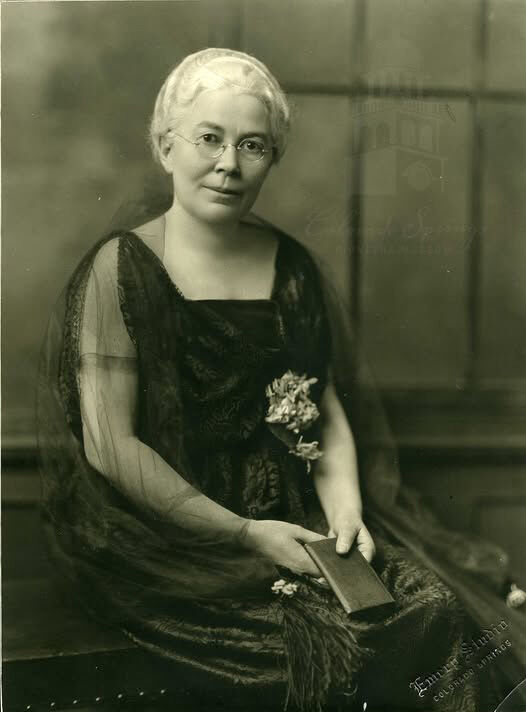
Colorado history told through poetry, spoken word by poets laureate
Linda Navarro
linda-navarro@denvergazette.com
Updated 6 days ago
Young poet and social justice activist Amanda Gorman, the first National Youth Poet Laureate, was just 22 when her “The Hill We Climb” launched the literary art back into a major worldwide spotlight with her 2021 Joe Biden inaugural poem....

Linda Navarro
Reporter

Little-known legend of Colorado Nick to be celebrated at Colorado Springs Pioneers Museum
Seth Boster
seth-boster@denvergazette.com
Updated 2 days ago
For years in Colorado Springs, Scott Boyer had been learning little by little about a tattoo artist in local lore who went by Colorado Nick. His real name was Leonard Newell Wisner, Boyer learned. And in learning this he learned...

Seth Boster
Reporter
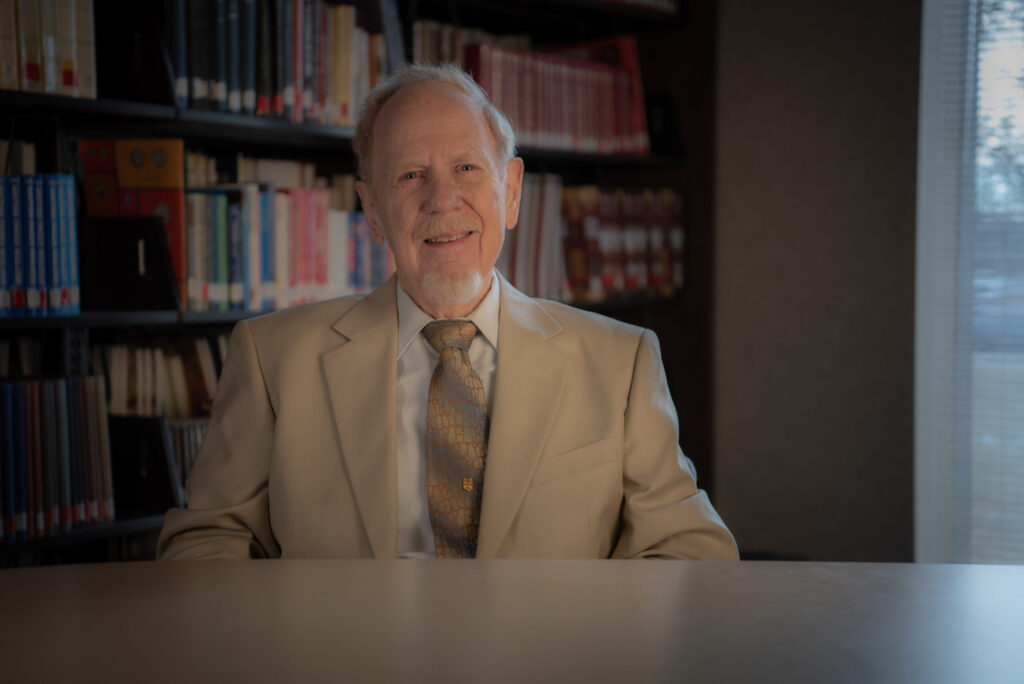
Ancient biblical coins talk; here’s what they’re saying
Debbie Kelley
debbie-kelley@denvergazette.com
Updated 2 days ago
With the penny being ushered out of circulation early in the 21st century, theologians, historians, archaeologists and numismatists continue to glean insights from coins of the first century, when Jesus Christ walked the Earth and his followers promulgated the new...

Debbie Kelley
Reporter

Friends forever: Broadway superstars Denver-bound to sing praises of legends
John Moore
john.moore@denvergazette.com
Updated 3 days ago
Sutton Foster and Kelli O’Hara will honor Carol Burnett and Julie Andrews with tribute concert joined by Colorado Symphony I remember seeing Sutton Foster’s utterly charming breakout role as Millie Dillmount in the 2002 Broadway musical “Thoroughly Modern Millie” and...

John Moore
Reporter
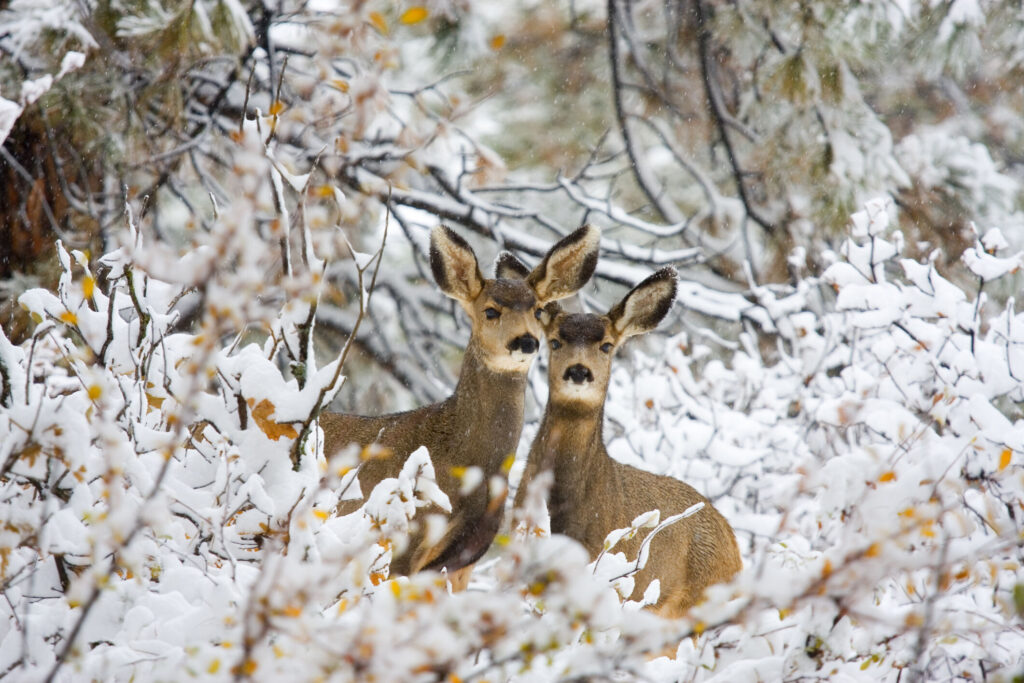
After Colorado’s big snow this week, two more chances for winter storms in the forecast
Spencer McKee
spencer@outtherecolorado.com
Updated 5 days ago
Following a week of heavy snow in Colorado’s high country, more snow is on the way in upcoming days. Per National Weather Service mapping, large swaths of the San Juans and peaks near Aspen have gotten more than 36 inches...

Spencer McKee
Reporter
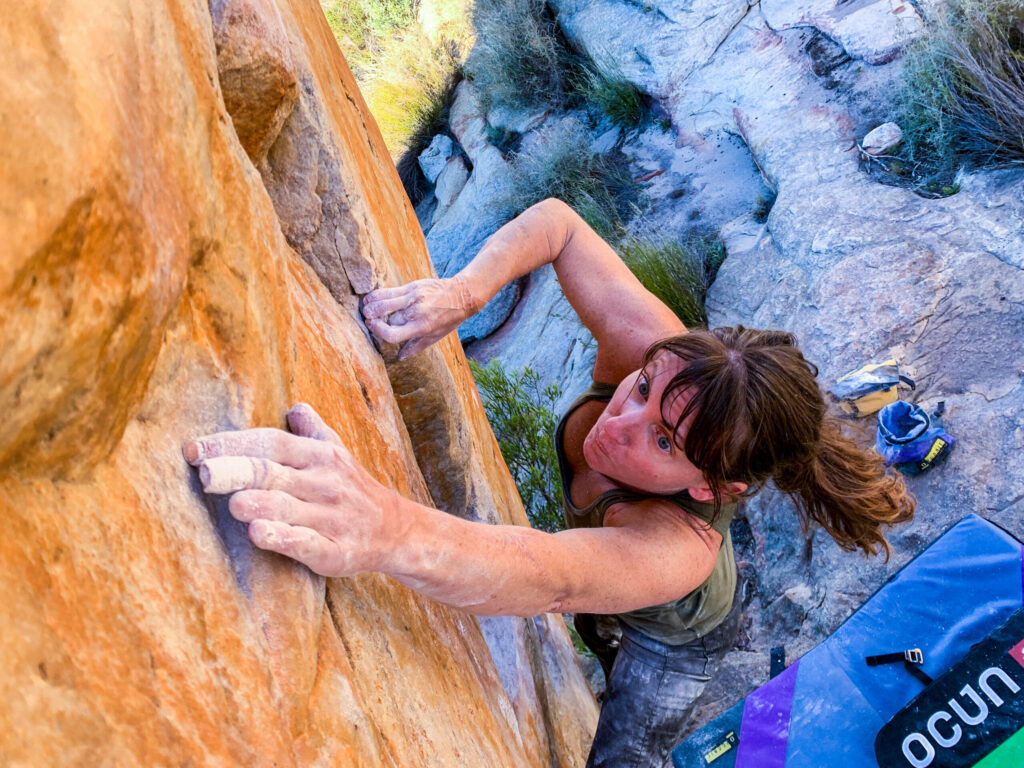
With new book, Colorado climber turns the page on horrific chapter
Seth Boster
seth-boster@denvergazette.com
Updated 1 day ago
In her hospital bed on the morning of May 8, 2017, Melissa Strong asked her husband, Adam, for a pen. She could barely grip it; her fingers hardly resembled fingers, more like dark and swollen nubs after tense, reconstructive surgeries...
Seth Boster
Reporter

The Braun brother arrives
John Moore
john.moore@denvergazette.com
Updated 4 days ago
For this tight-knit basketball brood representing the Nuggets and Roadrunners, it’s family first It’s wild to think that Christian and Landon Braun, two tightly bonded basketball brothers from Burlington, Kan., play their home games about 1,000 feet apart in Denver....
John Moore
Reporter
PREV
PREVIOUS
How Palisade became the birthplace of Colorado wine
Facebook Twitter WhatsApp SMS Email Print Copy article link Save Cassidee Shull is a top advocate for Colorado’s wineries. That’s one way she might describe her work when asked by strangers she meets on her travels. They commonly sound surprised. “They’re like, ‘Wait, did you mean breweries?’” Shull says. Yes, Colorado is better known for […]

At Home: Furniture holding you back? Not anymore
Facebook Twitter WhatsApp SMS Email Print Copy article link Save Facebook Twitter WhatsApp SMS Email Print Copy article link Save Like many empty nesters, Lisa Everett and her husband looked up one day at their large, fully furnished home, where they’d raised their two sons and more than a few dogs, and decided they wanted […]