







Live Well: Fall back in love with your ticker this month
Well, well, well, you thought you were going to get away without me mentioning your heart health this month, didn’t you?
I don’t mean to be a downer, but the stats are sobering. According to the Centers for Disease Control and Prevention, heart disease is the No. 1 cause of death for men, women and people of most racial and ethnic groups. And one person dies every 34 seconds from cardiovascular disease. Yikes.

Being that February is American Heart Month, and also the month with the greatest American holiday devoted to the emotional well-being of your sweet little ticker, here’s a Q&A with Dr. Timothy Hegeman, a UCHealth cardiologist.
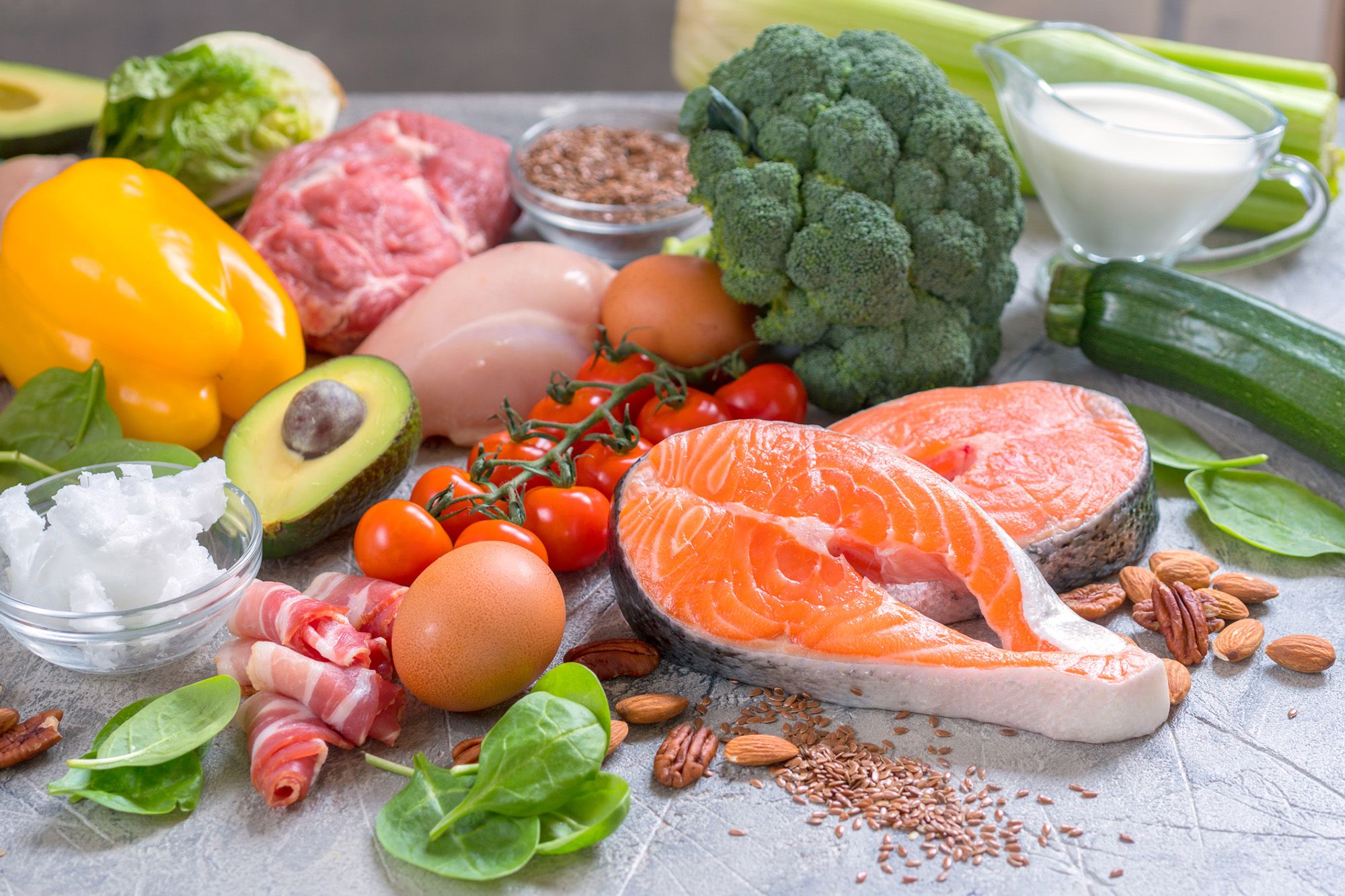
Question: What’s your overall approach or philosophy to food/nutrition, and what’s your advice to people who want to perhaps move toward a healthier diet — tips on how to do so?
Answer: I am a big believer in the nutritional maxim from author Michael Pollan: “Eat food. Not too much. Mostly plants.”
Eat food — choosing recognizable foods over highly processed foods. There’s increasing evidence linking ultra-processed foods with cardiovascular disease and metabolic problems. Focus on whole foods — fruits, vegetables, legumes, whole grains, nuts and healthy fats.
Not too much — portion awareness is important.
Mostly plants — does not have to mean being a vegetarian. I eat meat several times a week, but I try to make plant-based foods the foundation of most meals.
Q: Do you eat red meat?
A: I do, probably once or twice a week. The data suggests moderation is important, particularly limiting processed meats.
Q: What do you think of keto diets for your heart?
A: A ketogenic diet can help some patients lose weight and improve blood sugar control, which is beneficial for heart health. However, it can also raise LDL cholesterol in some individuals. I don’t recommend it universally. If someone chooses to follow a keto diet, I monitor their cholesterol levels and overall cardiovascular risk profile. Sustainability matters more than any specific diet label.
Q: Is the Mediterranean diet still ideal for heart health?
A: The Mediterranean diet has strong evidence showing it reduces heart attack and stroke risk. It emphasizes vegetables, fruits, legumes, whole grains, olive oil, fish and moderate amounts of meat. I often recommend it because it’s flexible, accessible and sustainable for many people.
Q: What’s the No. 1 diet change to make to improve heart health?
A: For some, the biggest win is eliminating sugary drinks. For others, it’s cutting back on processed foods or portion sizes. The best change is the one a person can sustain long-term.
Q: What’s the No. 1 movement/exercise tip to improve heart health?
A: Exercise intentionally. Being active — yard work, chasing kids — is good and healthier than being sedentary. But structured exercise, done with the purpose of improving fitness, adds additional cardiovascular benefit.
For many, that means brisk walking at a pace where you could have a conversation, but it’s a slightly breathless conversation. Consistency matters more than intensity. Start small, do it daily, and build gradually.
As we age, adding balance work — such as tai chi or yoga — becomes important.
Q: What are some first steps a person can take to improve heart health?
A: Stick to the basics: Eat a healthy balanced diet. Exercise regularly. Avoid tobacco entirely. Limit alcohol. Prioritize sleep and stress management.
Q: How can you determine your risk for a heart attack?
A: Research shows the majority of heart attacks are associated with modifiable risk factors, including smoking, cholesterol, high blood pressure, diabetes, obesity, stress, poor diet, physical inactivity and excess alcohol. A primary care physician can use validated tools to help calculate one’s individual risk.
Q: Are you at increased risk if a parent or relative had heart problems?
A: Family history increases risk, especially if first-degree relatives had heart disease at a young age, typically before age 55 in men and 65 in women.
Q: How do the signs of a heart attack differ between men and women?
A: The most common symptom of a heart attack, in both men and women, is chest discomfort. Patients often describe pressure, heaviness or tightness in the chest, sometimes with shortness of breath, sweating or discomfort radiating to the arm, jaw or back. Women are somewhat more likely than men to present with less classic symptoms, such as nausea, unusual fatigue, shortness of breath, abdominal discomfort or neck and jaw pain. These differences can sometimes lead to delays in recognizing the problem and seeking treatment. If something feels wrong or different from your usual baseline, especially with risk factors, it’s worth getting evaluated quickly.
Q: What is something many people don’t know about improving their heart health?
A: Many people assume they need advanced testing or procedures to prevent heart disease. The biggest impact comes from the basics: controlling blood pressure, cholesterol and blood sugar; not smoking; exercising regularly; and eating a balanced diet. Consistent attention to these fundamentals does far more than any fancy test.
Q: Are there any urban myths that people say help, but don’t really?
A: That supplements can replace healthy habits. There’s no pill that offsets smoking, poor diet or inactivity. Most over-the-counter “heart health” supplements have limited evidence behind them.