Colorado’s low childhood vaccination rates stoke fears of outbreaks

Childhood vaccinations in Denver have fallen below what infectious disease experts believe protects the community for many diseases once considered eradicated or under control, leaving local doctors to worry an outbreak could be inevitable.
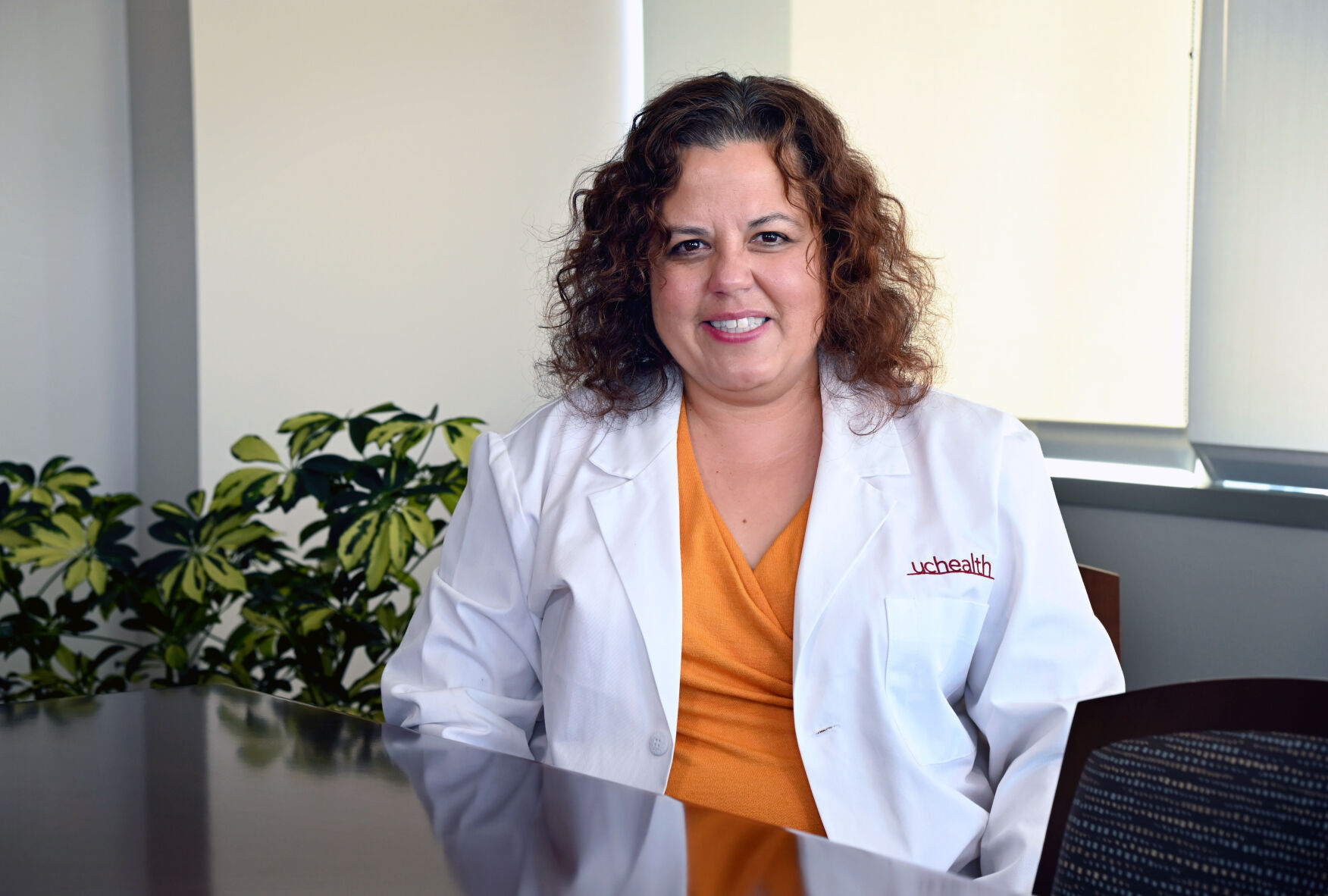
“I think we have been lucky,” said Dr. Michelle Barron, senior director of infection prevention at UCHealth. “I’ve been monitoring for it since the pandemic started.”
Barron added: “This is what keeps me up at night.”
While state health data for last the academic school year shows decreases for all vaccines from childcare facilities through high school, the most prominent decline was observed among the nearly 64,000 kindergartners in Colorado.
With the exception of hepatitis B — which had a 90.7% rate statewide — the immunization rates for every other school-required vaccine among kindergartners fell, for the second year in a row, below 90%.
The 90% threshold is significant because many of these diseases are extremely contagious. The more transmissible a disease, the higher the percentage a population needs to be immune.
Take measles, for example.
That virus is so contagious that merely standing next to an individual infected with measles can spread the disease to nine out of the 10 people in line because it lingers in the air.
Measles require 95% of a population to be vaccinated to provide what’s called “herd immunity” to the remaining 5%.
Herd immunity occurs when a sufficient number of people have immunity — either through infection or vaccination — to a disease to prevent a virus from finding new hosts, thereby protecting the wider population.
Measles spreads easily by the breath, cough or sneeze of an infected person. It can cause severe disease and death.
The World Health Organization estimates that vaccination has averted more than 50 million deaths since 2000.
A measles vaccine was introduced in 1963.
Before widespread inoculation, epidemics occurred every two-to-three years and caused about 2.5 million deaths each year.
The U.S. declared measles eliminated in the U.S. in 2000, which the Centers for Disease Control and Prevention (CDC) credits with an effective vaccination program.
As of Sept. 29, there have been just 29 cases of measles in 16 jurisdictions this year, according to federal data. Colorado had one measles case last year, the most recent state data available.
Coverage in Colorado varies, depending on the vaccine.
For measles, mumps and rubella coverage among kindergartners hit 86.8%, the lowest since the 2017-2018 academic year.
Vaccines have been so effective at controlling these diseases that — in some instances — doctors have never experienced seeing a case.
“I’ve never seen polio,” said Dr. Karen Woolf, Emergency Department medical director for Rocky Mountain Hospital for Children in Denver. “And I’ve never seen measles in my career, but the time is probably coming.”
Before polio vaccines became widely available in the 1950s, the disease paralyzed more than 15,000 Americans each year, according to the CDC. Polio was eradicated more than three decades ago — again thanks to effective vaccines — and no case originating in the U.S. has been detected since 1979.
Most people infected with polio will not have any visible symptoms. But for those who do, one in four will experience flu-like symptoms. A small percentage of people will develop more serious symptoms that can affect the brain and spinal cord and result in paralysis or death.
Polio isn’t nearly as contagious as whooping cough, which requires a vaccination rate of between 92% and 94% to provide herd immunity. A population can protect itself if roughly 80% are vaccinated.
Chicken pox requires about 82% of the population to be inoculated.
“The vaccine immunization rates among Colorado children has been declining and it’s the lowest we’ve seen in six years,” said Dr. Ray Blum, an infectious disease specialist and board vice-president of Immunize Colorado.
And that, Blum and others said, leaves children and school staff vulnerable.
Immunize Colorado is a nonprofit organization that works to protect Colorado families from vaccine-preventable diseases.
Historically, routine childhood vaccination rates in the U.S. have been the envy of the world.
But these rates plummeted during the pandemic. In the first year alone, an estimated nine million recommended doses for vaccines such as polio and measles were missed because of delayed preventative care, a BlueCross BlueShileld study found.
In its wake, public health officials have seen a recent outbreak of measles in Ohio and a resurgence of polio in New York.
Even before the pandemic, Colorado struggled to raise its childhood vaccination rates, consistently being ranked in the bottom quarter.
Among the factors, health professionals said, include vaccine hesitancy, exacerbated by COVID-19, and the dis-and-misinformation campaigns on social media as well as access and capacity issues.
The problem with some of these diseases re-emerging after being long dormant is physicians may be slow to recognize or identify them when patients present symptoms.
“Half of this is being able to contain it quickly because some of these are so infectious,” Barron said.
To attend school in Colorado, the state requires students either be vaccinated for nine different diseases or receive an exemption.
Of the school districts across the Denver region, Denver Public Schools had the lowest vaccine compliance rate at 82.4% last academic year, according to state health data. Adams 12 Five Star Schools had the highest at 98.1%.
A student can be in compliance with an up-to-date immunization record, an exemption certificate on file or to be in the process for becoming up-to-date on school-required vaccines.
“For us, this is a huge concern,” said Ana Kim, a vaccination specialist at Denver Public Schools. “We want our vaccination rate around 95%, for herd immunity.”
Part of the challenge is that the school district doesn’t have a nurse every day at every school.
The reason diseases like polio, chickenpox and measles are not more prevalent is because of vaccines, Barron and others said.
Wolf, at Rocky Mountain Hospital for Children, agreed.
“I think it’s very concerning,” Woolf said. “These are all preventable illnesses.”