Split verdict in Aurora officers’ trial for Elijah McClain’s death indicates complexity of case, attorneys say
More than four years after Elijah McClain’s death in Aurora, the first of three criminal trials ended with a split verdict for the two police officers involved.
Attorneys who spoke to The Denver Gazette said the verdicts seemed thoughtful, and they didn’t believe the jurors treated their decisions as a “compromise” with the mindset they needed to convict on at least something.
McClain died in 2019 several days after a struggle with police officers and an injection of ketamine by a paramedic.
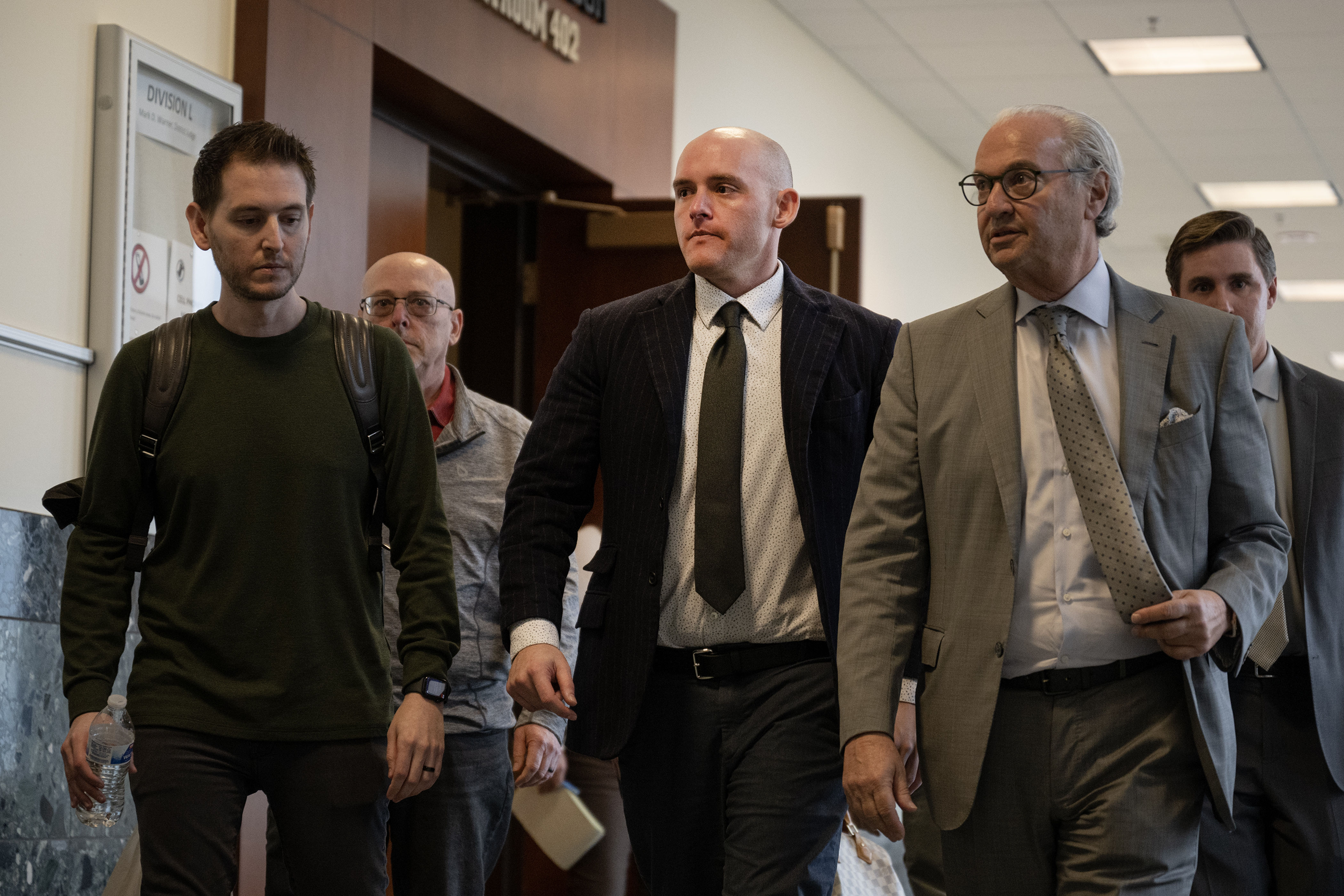
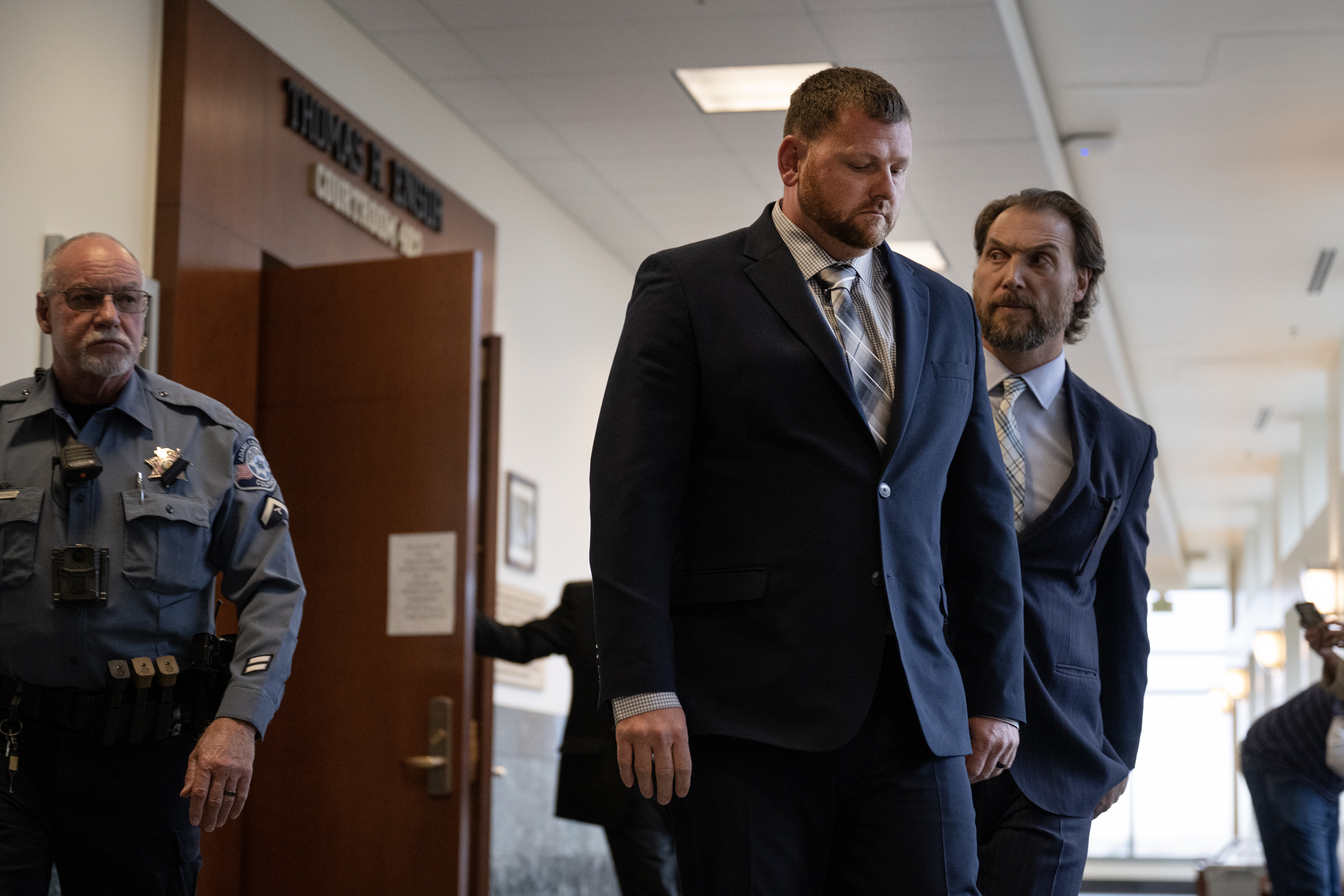
After deliberating for nearly two full days, Adams County jury convicted Officer Randy Roedema of criminally negligent homicide and third-degree assault, and acquitted former officer Jason Rosenblatt of all charges (he also faced a count of second-degree assault). They both faced reckless manslaughter charges as well, with criminally negligent homicide as a lesser included count.
“What makes (the split verdict) thoughtful is that you can distinguish between Rosenblatt and Roedema,” said George Brauchler, a former district attorney for the 18th Judicial District.
“Roedema was the more experienced officer. He was on top of McClain longer, at a period closer in time to the ketamine. Rosenblatt hadn’t been on him for some period of time before the ketamine was injected. … Just stuff like that could form the basis for that distinction.”
Roedema, the most senior of the three officers who stopped McClain, was accused of keeping him facedown while pinned on the ground instead of making sure he was on his side to breathe and, at one point, yanking on his arm. Body-worn camera footage also shows him slamming McClain’s torso into the ground after McClain says, “I can’t fix myself.”
Roedema’s attorneys argued at trial he used less force than actually would have been justified because he believed McClain was violently resisting. Roedema believed he saw McClain try to grab Rosenblatt’s gun, and the officers had to react to a rapidly evolving situation, they said.
The officers also told a sergeant McClain, who weighed about 140 pounds, was showing extreme strength.
Rosenblatt’s attorneys argued at trial that, as the most junior officer on the scene, he was listening to Roedema and didn’t have time to question whether McClain actually tried to grab his gun. They also said Rosenblatt stepped away from the struggle for several minutes toward the end.
Three officers first stopped 23-year-old McClain on Aug. 24, 2019, as he walked home from a convenience store: Roedema, Rosenblatt and Officer Nathan Woodyard. McClain wore a black mask. Prosecutors said he did that because he was often cold and was listening to music. The officers had responded to a 911 call by a person who reported McClain was acting suspiciously.
The officers took McClain to the ground, and Woodyard put him in a type of neck hold – authorized by the Aurora Police Department at the time — that caused him to briefly lose consciousness by restricting oxygen flow to his brain. About 18 minutes into the struggle, a paramedic who responded to the scene injected McClain with the sedative ketamine.
He went into cardiac arrest and stopped breathing. He died a few days later in a hospital.
Prosecutors from the Colorado Attorney General’s Office said the officers ignored McClain’s pleas that he could not breathe while pinned on the ground and by not monitoring his pulse or breathing. They also had a duty to tell paramedics called about the signs McClain was in distress, prosecutors said.
A few medical experts for the attorney general’s office testified the restraint and carotid hold used on McClain led to a cycle of elevated acid in his blood as he struggled to breathe and vomiting, which he inhaled, that made him more vulnerable to the ketamine injection.
Just before jurors began deliberating, third-degree assault was added as a lesser included count to Roedema’s second-degree assault charge. Serious bodily injury makes up the difference between the two, and causing pain is in itself enough to constitute third-degree assault.
McClain didn’t suffer serious external physical injuries such as broken bones. But prosecutors argued the low oxygen, elevated acid and aspiration he suffered from during the struggle constituted serious bodily injuries.
“In my opinion, (the jurors) were probably hung up on the idea of whether it constituted serious bodily injury. I think it’s easy for them to find pain,” Brauchler said. “I think they just read the instructions and said, ‘Of course they inflicted pain,’ but they weren’t willing to buy off on what the experts for the government said, which is this constitutes the significant impairment and all this other stuff, which is interesting, because that was their vehicle to get to death.”
Ryan Brackley, a defense attorney and former prosecutor, said he believes the indictment of so many of the first responders at the scene created a difficult predicament for prosecutors, because they put themselves in the position of having to specify one set of facts and circumstances that prove responsibility by the police officers for McClain’s death, and specify another set of facts for proving culpability by the paramedics.
Brackley said that challenge could persist in the next two criminal trials over McClain’s death, which involve a third police officer and two paramedics.
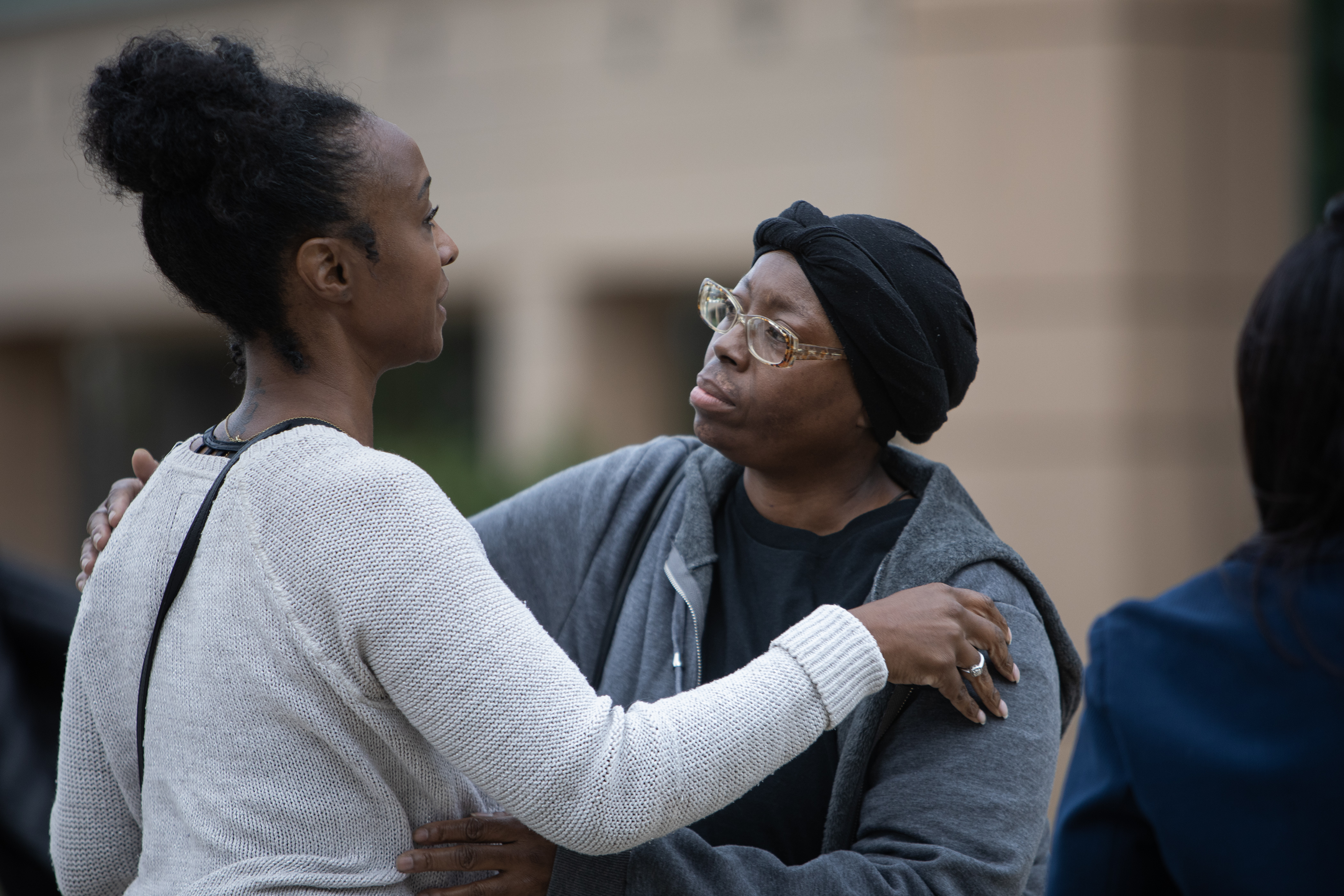
“I think the consequences of that were this mixed verdict, and this incredible dissatisfaction and more pain to the McClain family, who probably expected that this was going to lead to more justice for them.”
Woodyard faces a count of manslaughter and criminally negligent homicide. Jury selection for his trial began Friday, and two paramedics charged have a trial scheduled in November.
Attorney General Phil Weiser said in a statement after Thursday’s verdict he believes the team of prosecutors presented the strongest case they could, and he is proud of their dedication.
“Given the number of involved actors and complexity of the case, we knew that prosecuting this case would be difficult,” he said. “It was nonetheless important that this significant case go to trial so that a jury could hear the facts, review the evidence, and make a judgment.”