Ken Burns at 70: ‘There’s only this moment’ | John Moore
Acclaimed filmmaker talks about mortality – his and the American buffalo, subject of his latest biography


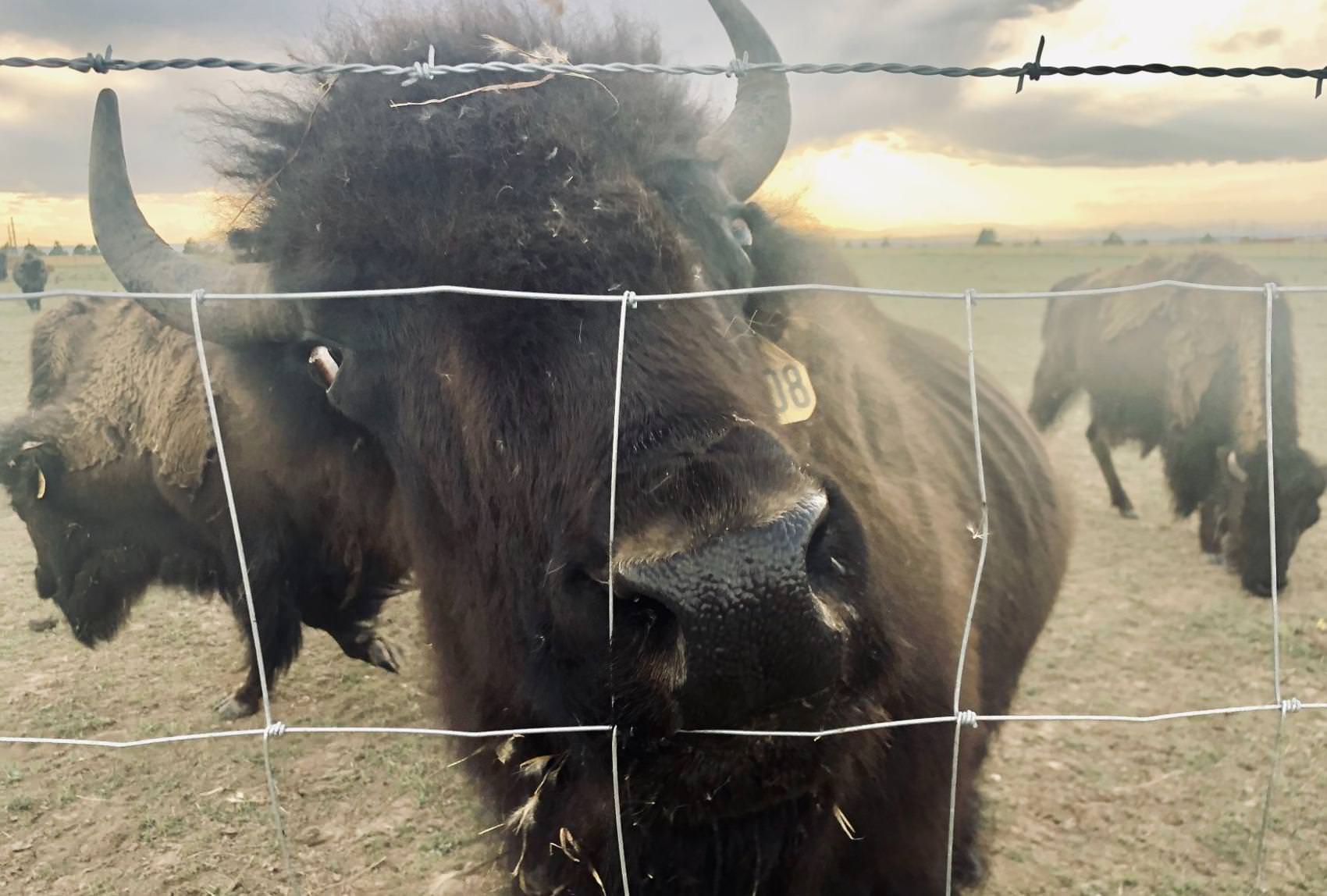
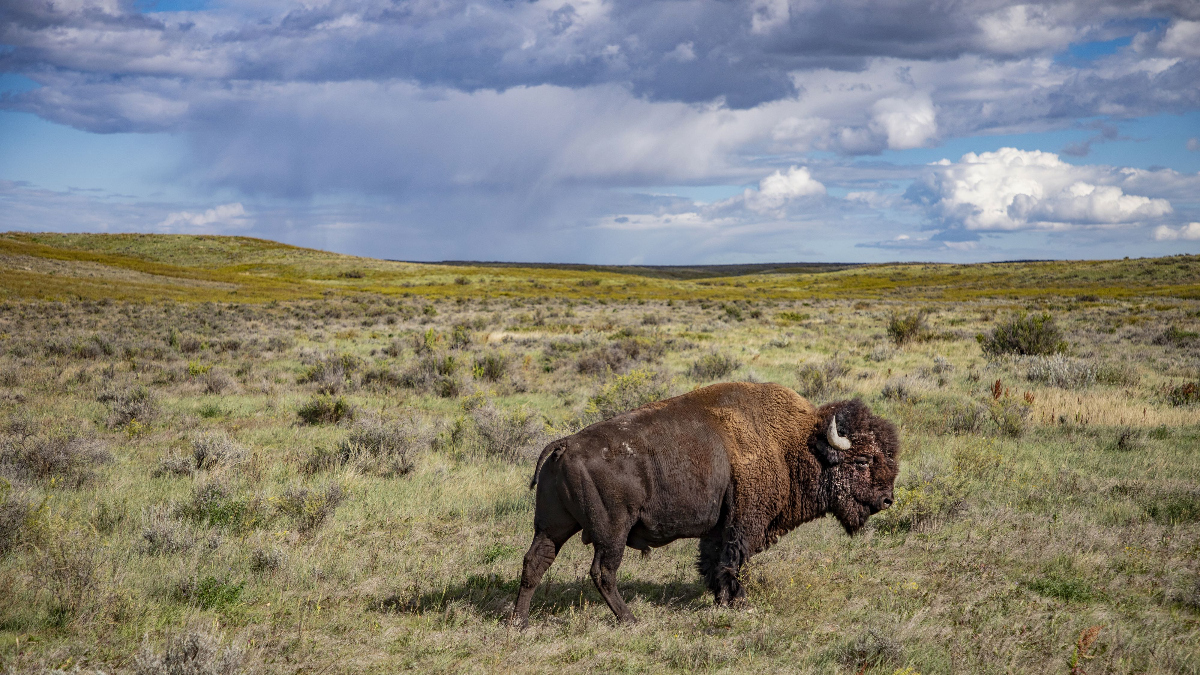
To anyone who has ever questioned man’s ability to destroy the natural world, look no further than the American buffalo.
To anyone who has ever questioned that man is equally capable of pulling us back from the brink of environmental catastrophe if we set our minds to it, look no further than “The American Buffalo,” the 35th documentary by famed filmmaker Ken Burns, premiering in two parts Monday and Tuesday evenings on Rocky Mountain PBS.
“Before Columbus arrived in the New World, there were maybe 70 million buffalo,” Burns told The Denver Gazette. But by 1895, the buffalo had been systematically slaughtered to the brink of extinction – which in turn threw the Native people who depended on the animal for 600 generations into one of the most traumatic periods of their existence.
“By then, the number of buffalo that were wild and free was under a hundred,” Burns said – mostly centered in Yellowstone National Park in Wyoming.
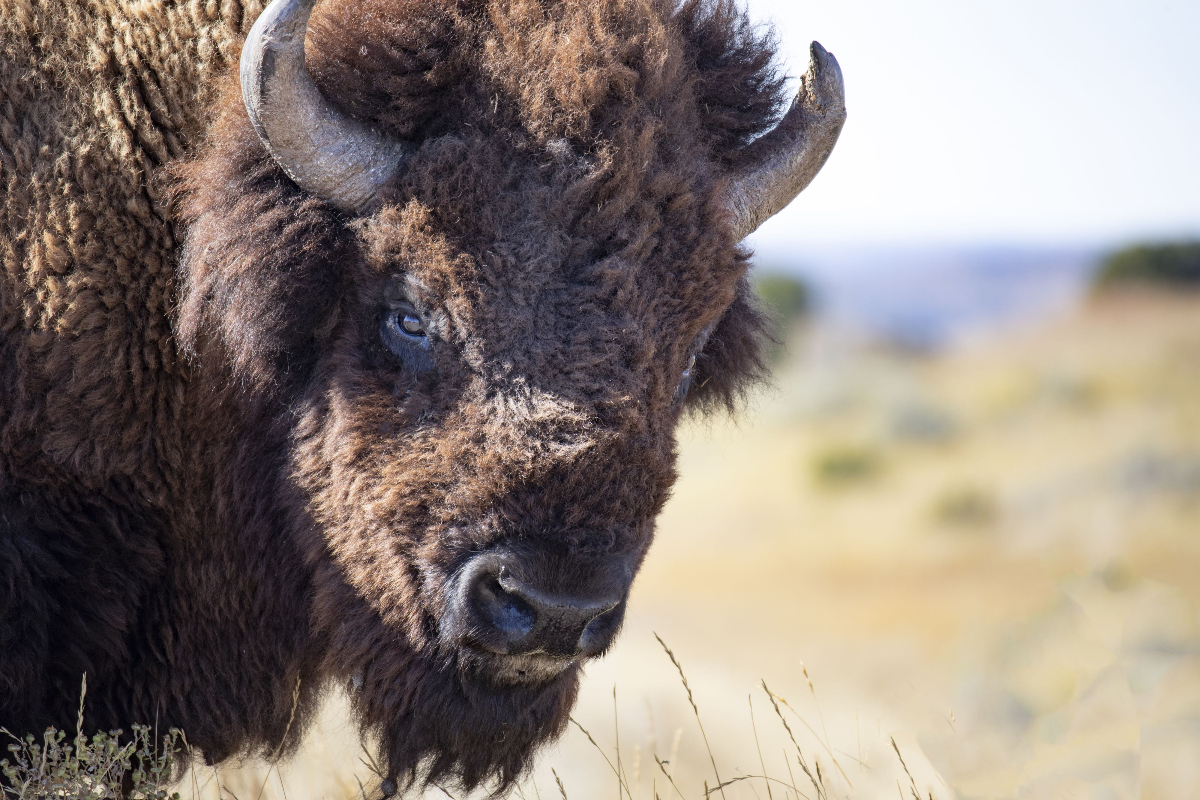
To Burns, the very idea of the buffalo’s extinction was unthinkable. After all, he said, there is something deeply archetypal about the animal. “The buffalo is not only the largest mammal in North America, it is the most majestic,” he said. “You can look into their eyes, and they seem so unbelievably sentient and wise.”
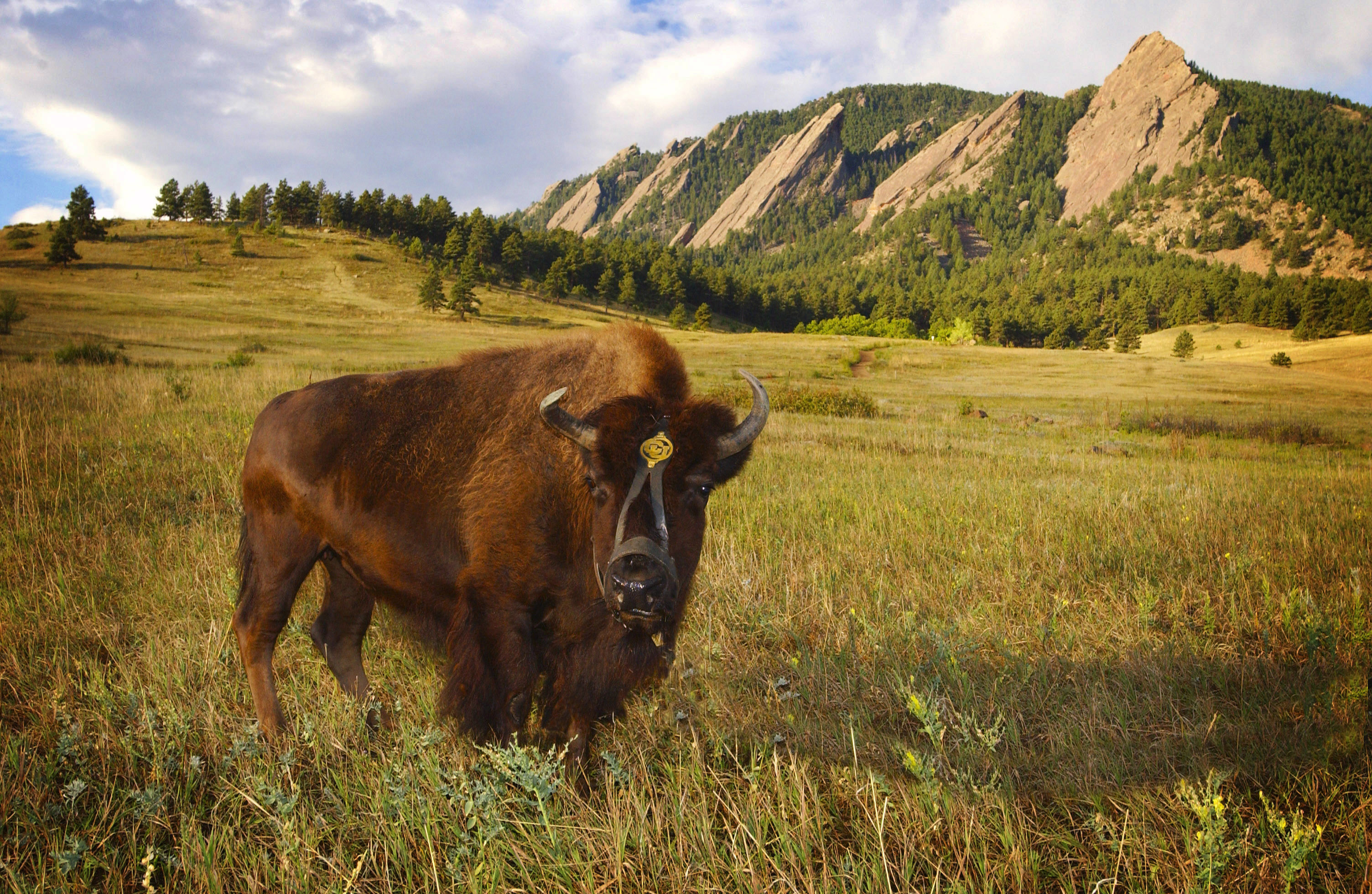
In Colorado, it’s a given. Since 1934, the buffalo has served as the official mascot of the University of Colorado Boulder. And in 2016, President Obama had the American Bison declared the U.S. national mammal.
Did you know? Although bison and buffalo are completely different animals, the terms have been used interchangeably since European settlers came and confused bison for buffalo. Buffalo are native to Asia and Africa, while bison are found in North America. Read more here.
Burns, who has produced some of the greatest documentaries in film history, thinks of himself as an American biographer. Not only of humans, but of human events: Baseball and Jackie Robinson; Muhammad Ali and Vietnam; Thomas Jefferson and the Central Park Five. And in now telling the biography of the American buffalo, he is, in his way, once again telling the history of the United States itself.
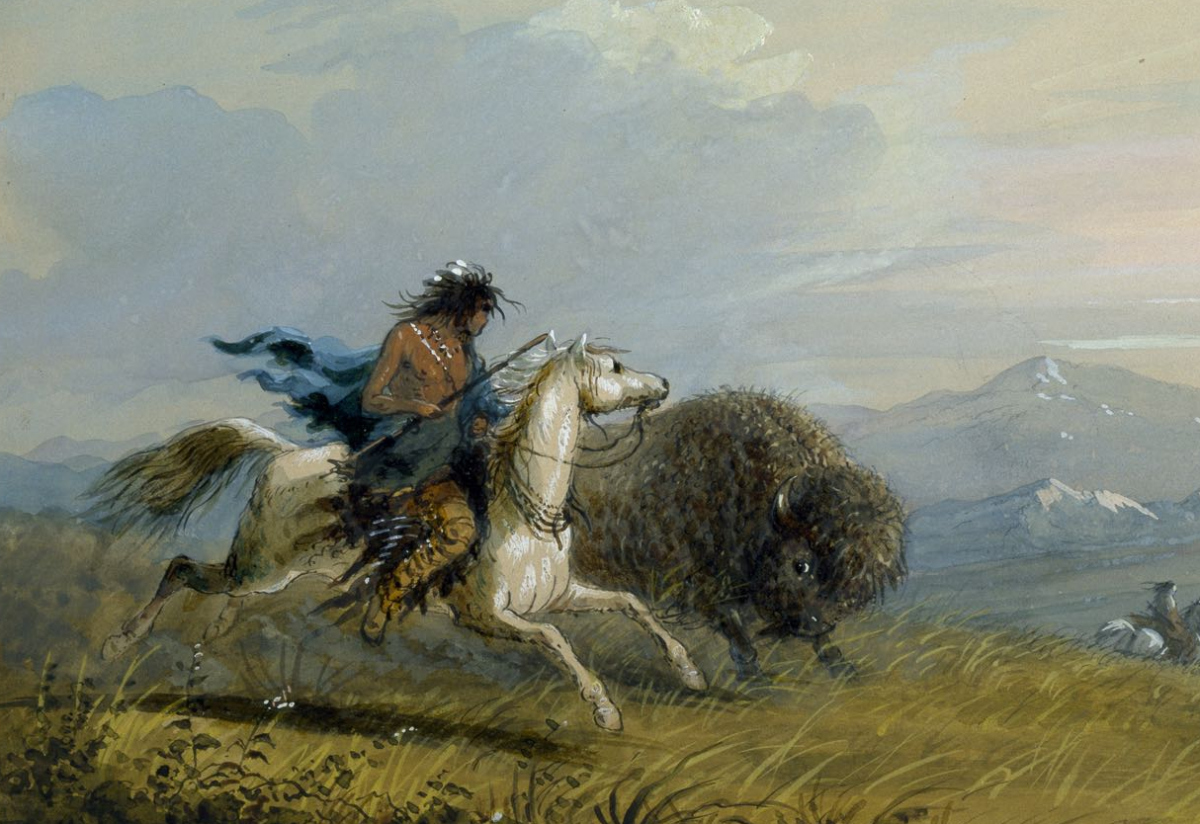
“This film touches on every aspect of this remarkable animal,” Burns said. “It also touches on the lives of the Indigenous people who were intertwined with this magnificent mammal for 600 generations. And it touches on the people who’ve had a scant six or seven generations of connection with the buffalo” – and yet, nearly killed it off.
The film is neatly divided, both literally and ideologically, into two parts spanning 10,000 years. The first traces the animal’s evolution and its significance to Indigenous people. The second focuses on efforts to bring the buffalo back from the brink. Conservation efforts have restored the buffalo population to about 20,500 in protected herds and 420,000 in commercial herds. But, Burns said, that hardly makes this an American success story. Quite the contrary.
“I would say this story is a tragedy that actually turns out OK – but that doesn’t lessen in any way the degree of the tragedy,” he said. “This film engages this magnificent animal and what it’s provided – not just in the way of sustenance for Native peoples, but it has also become a symbol of who we are as Americans. I think it’s pretty complicated – and it shows everything, warts and all.”
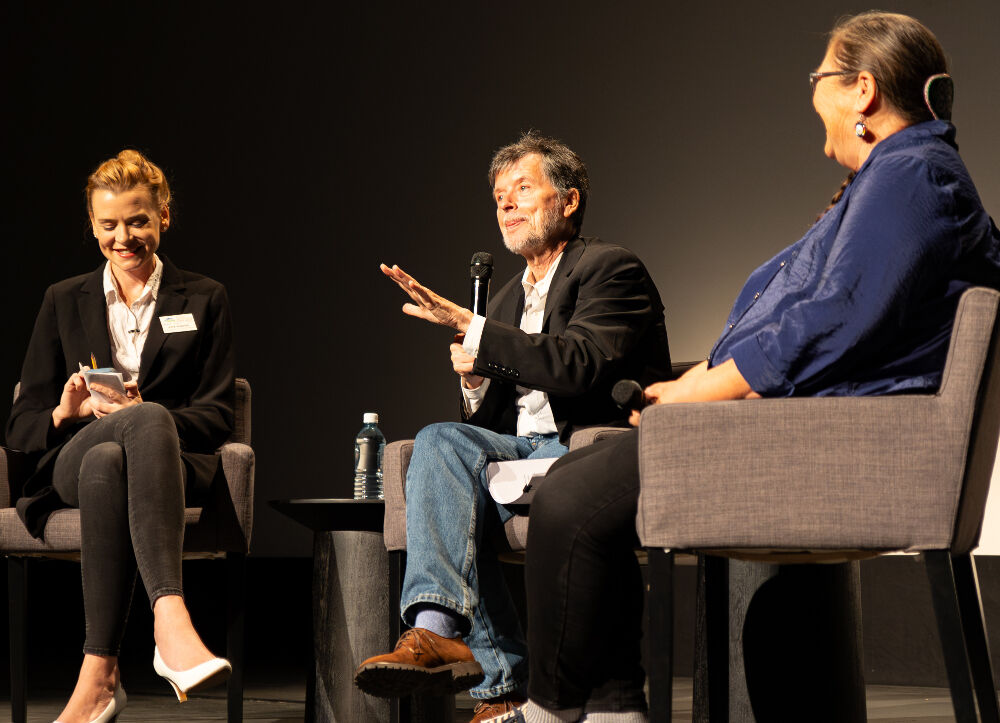
Man and mortality
When you get one chance in your life to have a one-on-one conversation with Ken Burns, you have to make it count. Burns just turned 70. His production company has another six films in various stages of development that will keep him occupied through at least 2029. That slate includes a four-hour biography on Burns’ first-ever non-American subject: Leonardo da Vinci. Also, the American Revolution. And a history of African American life from the Emancipation Proclamation through Reconstruction.
Some of his films, like “National Parks: America’s Best Idea” and “The Vietnam War,” have taken 10 years to complete. “The American Buffalo” has been percolating for 30 years and has been in production for four. So what I, as a fellow storyteller (of a sort), most wanted to know, was how a man like Burns prioritizes his projects to make the most of whatever working time he has left. It’s an awkward question but, luckily for me, Burns, too, sees the inevitability of mortality for what it is: A certainty.
“I mean, that’s part of the urgency I feel every day,” he said. “Dr. King called it ‘the fierce urgency of now.’ We’re very much mindful of ‘the fierce urgency of now,’ and our desire to try to make as many of these films that we want to make while we can.” Burns keeps a wish list of potential subjects, but not one that ever gets written down. “Or if it does, it’s on a napkin or a piece of paper,” he said with a laugh. “And then things change – and interests change.
“I’d rather say that if I were given a thousand years to live, which I’m not, I would never run out of topics in American history. That’s just a given,” he said. “So I do feel like I’m in kind of a race to try to do the ones that are most compelling to me.”
Burns works simultaneously with three producing teams, which allows him to move quickly between projects that are advancing at differing stages. His teams work in managed concert on research, writing, editing, production and promotion. He’s worked with some people for 40 years; others for just a few. “But the one thing they all have in common is that they’re very talented and they work really, really hard,” he said.
So how, at age 70, might a potential story idea still make it onto a Ken Burns napkin?
“It’s a really good question, and there are lots of things going on there,” he said. “I mean, let’s talk about Mozart – because, by comparison, we’re all abject failures, right? By the time I was barely getting started as a filmmaker, Mozart was at the height of his career. Then again, Kurt Vonnegut didn’t start writing until his 40s after working in an ad agency. So it really doesn’t matter. There’s only this moment, and you’ve got to just be doing it.”
So Burns’ projects are not chosen with an eye towards immortality – or the lack thereof. “I mean, let’s be honest,” he said, “with the exception of ‘Leonardo da Vinci,’ I’ve essentially made the same film over and over again. To me, it’s always the question of: Who are these strange and complicated people who like to call themselves Americans?”
In the end, Burns said, he picks his stories the way you picked your friends in high school. “You sort of recognize everybody you went to school with,” he said. “You know maybe half their names; 50 are acquaintances; 25 are real friends; and five of them are people you’ll know for the rest of your life. It all comes down to whenever the chemistry on a particular idea gels. That’s just courtship, right?”
Speaking of a ticking clock
In our lightning-fast 30-minute conversation, which took place in August while Burns was preparing to visit Denver for a preview screening of “The American Buffalo” that quickly sold out at the Ellie Caulkins Opera House, he touched on a lot of different subjects. Here’s a small taste of a few:
On why it was important to come to Denver to talk about “The American Buffalo”: “Well, Denver is always sort of a stop when we’re promoting a film, particularly those films that broadcast in the fall. I’m usually on my way to the Telluride Film Festival, which I attend every year, whether I have a film there or not. We fly to Denver and then drive across the Rockies, which we love to do. Obviously the subject matter in this case is completely aligned.”
On how he reacted when Obama declared the American bison the U.S. national mammal: “We stood up and cheered. We were all whooping and yelling. I think everybody felt that it already was our national mammal, but I guess it needed a piece of paper.”
On the University of Colorado’s adoption of the buffalo as its mascot: “I’m all for that. It keeps the buffalo front and center. Did you know that the former Cleveland Indians were named after a beloved player? They had been named the Cleveland Spiders in the first decade of the 20th century. When one of their big players, Louis Francis ‘Chief’ Sockalexis, died, they renamed the team in his honor. He was a Penobscot Indian from Maine.
“A lot of this controversy comes from these strange, bizarre contradictions – like the 1913 Indian Head Nickel. When you put the Indian on the heads side, and you put the buffalo on the tails side, you begin to romanticize and fetishize an animal and a people that you’ve just spent the last century trying to obliterate. So I think there is both the romance of who we are – and the reality of who we are.”
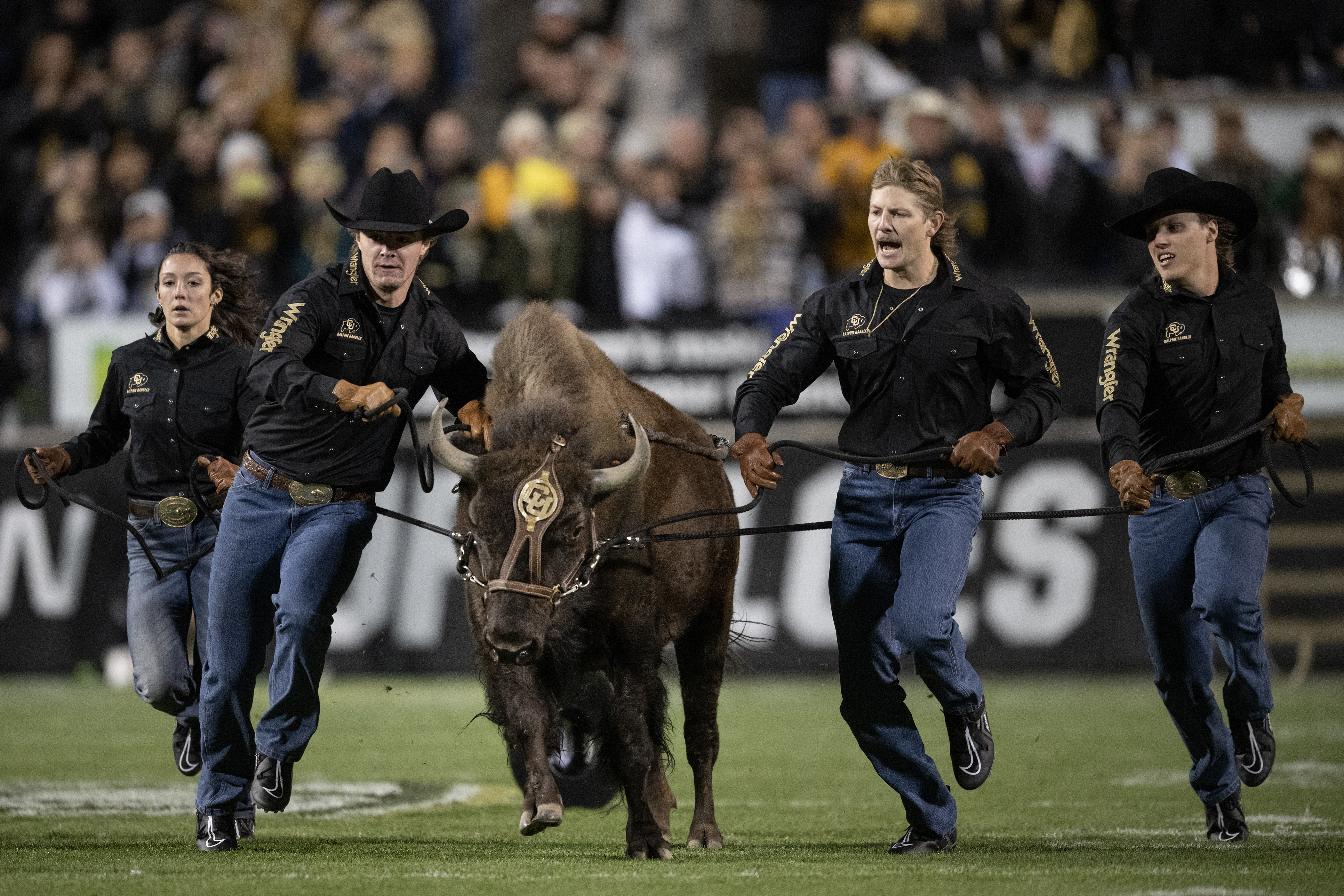
What about the “running of the buffalo” ritual before every home football game? “Well, I don’t want to step into a buffalo patty here, but I’m OK with it. This is what human beings do. We are the dominant species on the planet, and as we point out in the film, we’ve done a horrible job of it. The buffalo is only one example of that. If we’re preserving and exalting the buffalo, and the buffalo’s life is not in danger, it’s OK. But I would yield my meager opinion to those who are native to the area.”
On why the story of “The American Buffalo” is much deeper than you might think: “This is a parable of de-extinction. But at its heart, it is a terrible tragedy that requires us to delve deeply into the darkest aspects of our past. Listen, this is a three-act story. We give you the first two acts. The third act will be written by us. Do we merely wish to save the buffalo, or do we wish them to be wild and free? If so, then every effort must be made to create the ecosystems in which they can thrive. That’s millions of acres, and that will help restore the prairie, which is a kind of monoculture now silent, and permit what we say in one of our favorite songs – for the buffalo to roam and for the deer and the antelope to play.”