







Aurora releases snow, ice removal plan with a few changes for looming winter
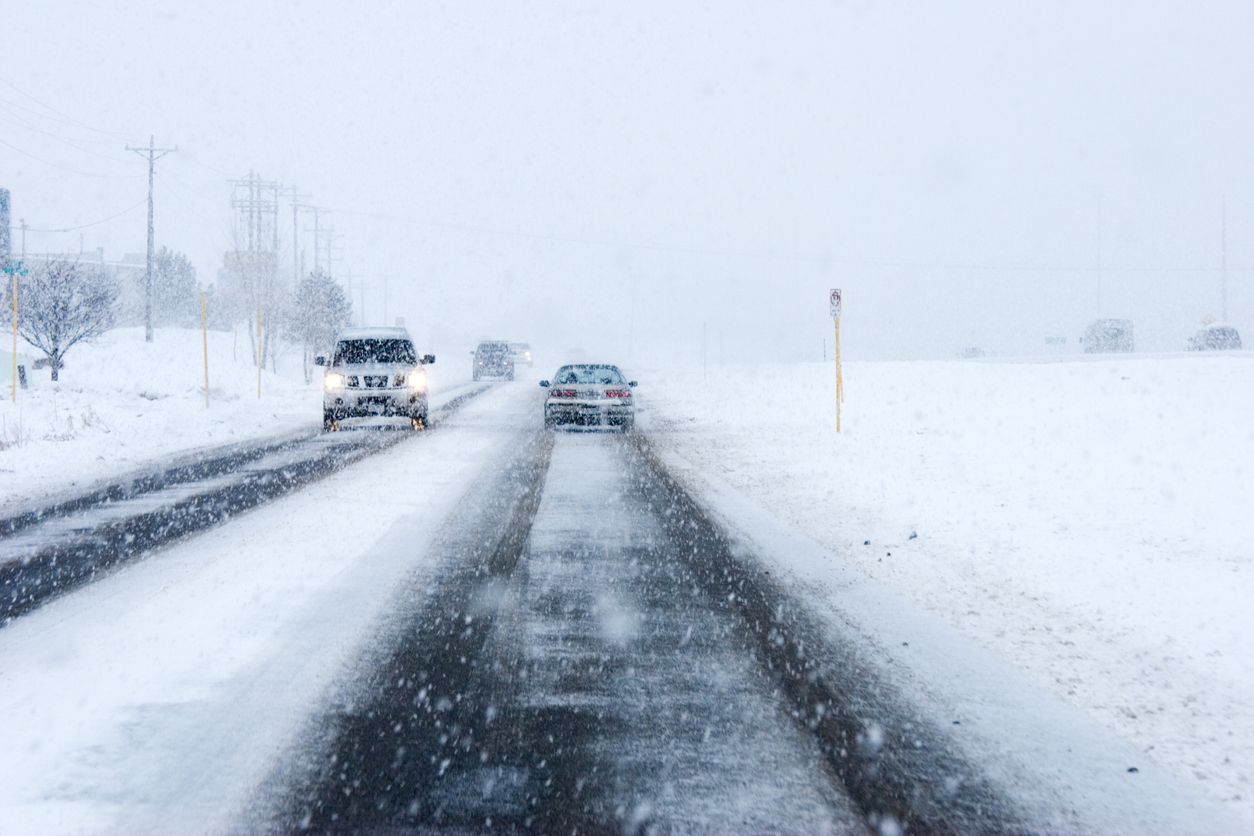
Aurora staffers briefed councilmembers about the snow and ice control plan for the upcoming winter during a study session on Monday, telling the policymakers the city is making few changes to the previous year’s strategy.
The few changes made to this year’s plan included some priority routes, language clarifying non-prioritized residential streets and a section on extreme conditions.
For extreme conditions, the council decided during a meeting in September that the city will now allow special districts and HOAs to plow residential streets within their jurisdiction under certain regulations.
In total, the city has more than 1,500 lane miles of roadway prioritized for snow removal. This is the equivalent distance of a two-lane road from the Aurora Municipal Center to Columbia, Missouri, according to Lynne Center, deputy director of the city’s public works department.
These roadways are split into levels of priority during a snow event.
Priority 1 refers to major arterial streets, Priority 2 means minor arterial and collector streets, and Priority 3 includes secondary and residential through streets. Priority 4 is for rural and outlying streets. Residential streets are considered non-priority.
Staffing is one of Aurora’s main challenges — the city has 28 vacant driver positions for its snow and ice removal operations.
In response, the city is increasing its seasonal workers, adding two for the winter season this year.
“We were able to add two seasonal workers, which doesn’t sound like a lot, but that is at least one route for each shift, so that really helps us out a lot,” Center said.
The city will also ask partners earlier this season than they normally do, calling on them to help in the 2-to-3 inch snowstorm range, rather than the previous 6-inch range.
Aurora uses several sources for forecasting snowstorm intensity so it can predict how many resources it will need to get through snowstorms, Center said.
This upcoming winter, the Farmer’s Almanac is predicting a cold winter with average snowfall, while the National Oceanographic and Atmospheric Association is predicting an El Niño, meaning Colorado will sit right in between a warmer, drier north and wetter south, Center said.
“For this season from November to January, they’re predicting slightly higher temperatures but probably around our historical average for snowfall,” Center said.
Councilmember Juan Marcano mentioned a route at Cimarron Street and Harvard Avenue that is still identified as a Priority 3, despite its importance connecting roads to higher priority routes.
“I had asked why is it that that’s a Priority 3 route, as opposed to a Priority 2 route, given its high use and fairly close proximity to educational facilities, and, of course, to a retirement community,” Marcano said.
In response, Center said the city looked at the route and is “preparing a memo” on it, but, for this season, it will keep it as a lower priority route.
Councilmember Francoise Bergan asked Center about the change in elevation between certain parts of the city, with southeast Aurora at 6,100 feet, meaning it generally might get more snow.
Center confirmed that certain parts of town, such as Bergan’s, tend to start icing up earlier than others, and that is factored into the snow and ice strategy when the city looks at forecasts and decides where and when to send resources.

