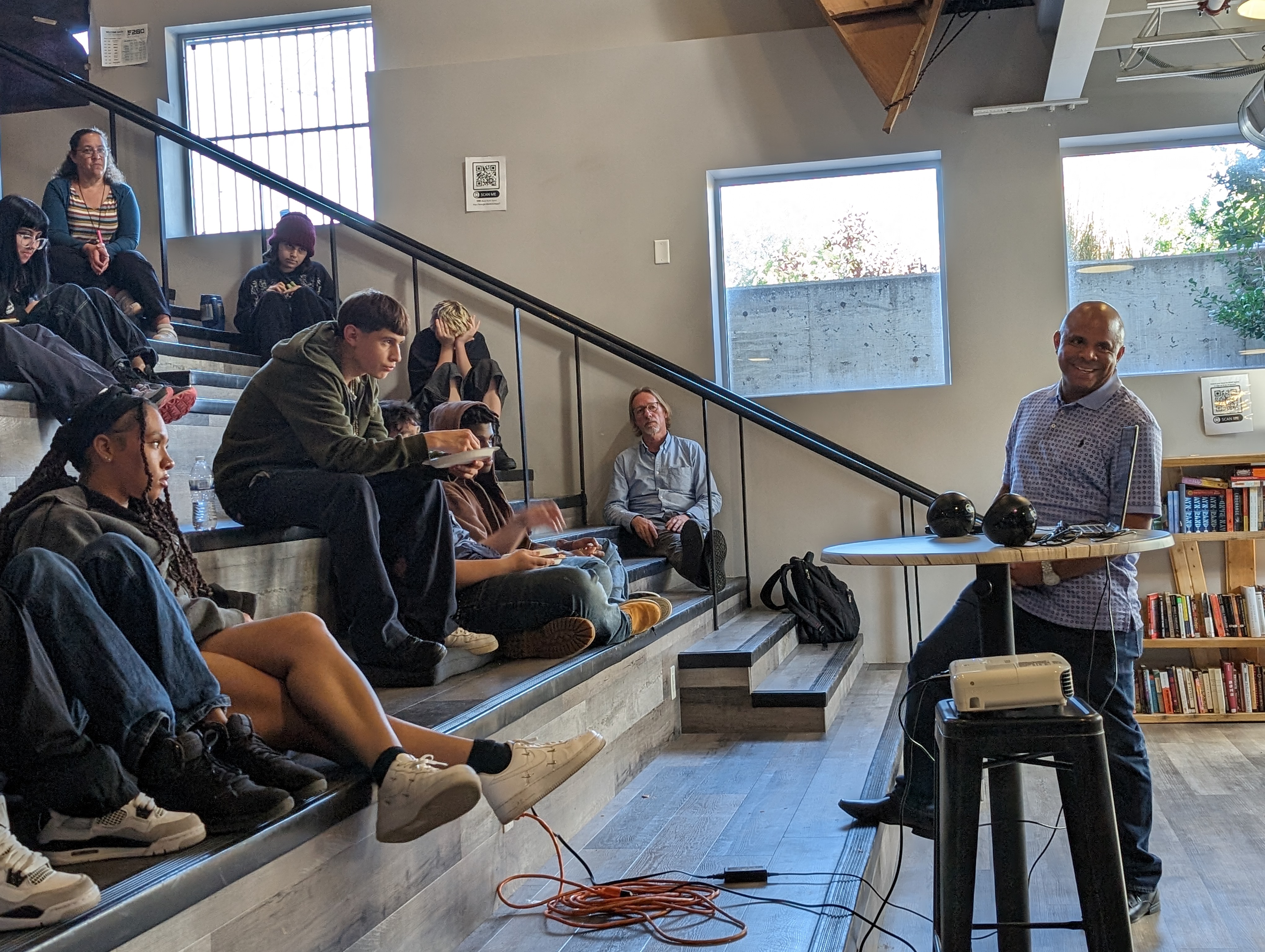
Denver community leaders, teens discuss gun violence prevention
Silva Family Foundation meets with other organizations and 5280 High School students
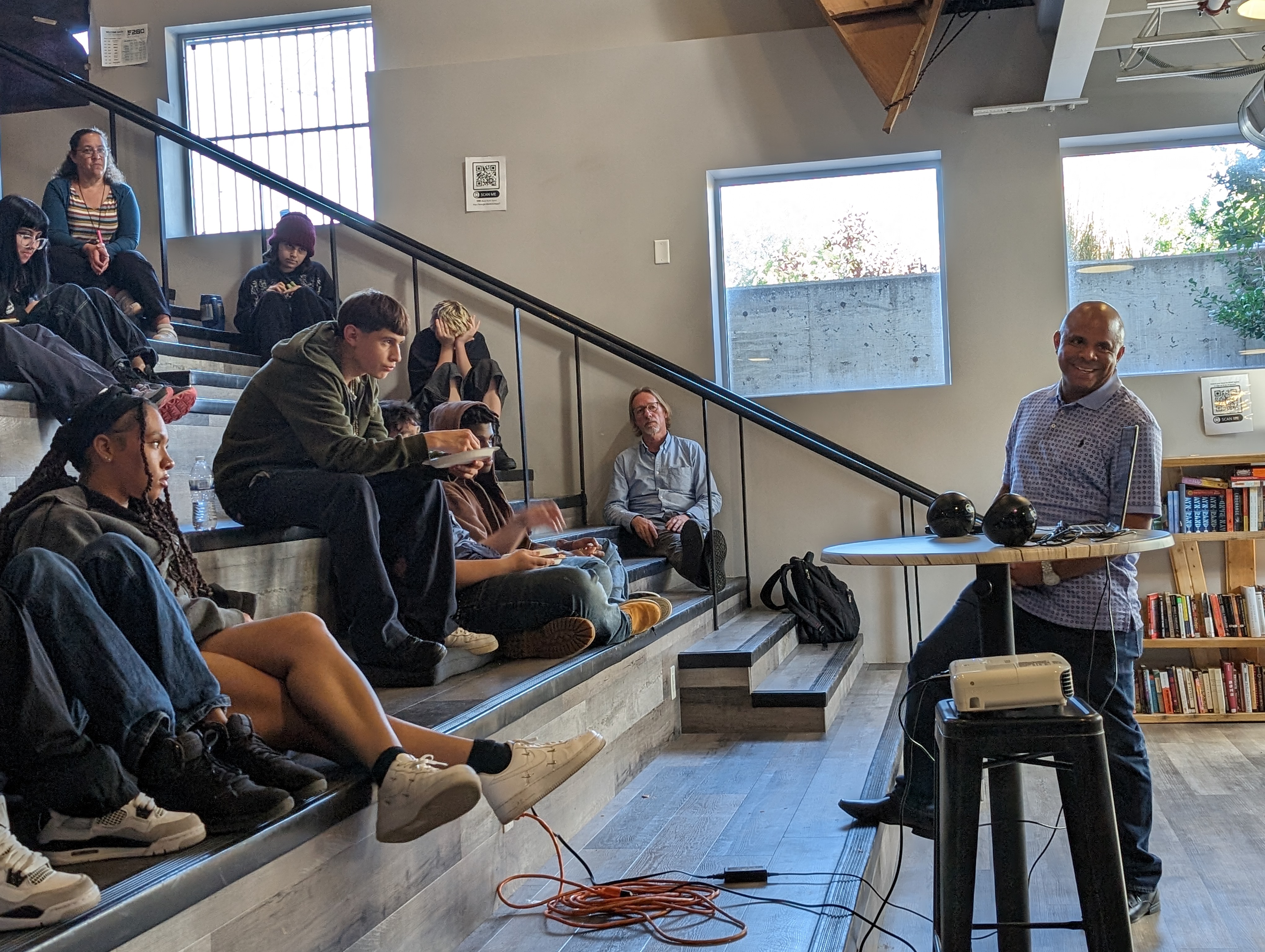
Several youth services and advocacy organizations presented Denver teenagers with strategies to deal with the “public health crisis” of gun violence this week.
“You all are the experts. Your voices matter,” José Silva, founder of the Silva Family Foundation, said to a crowd of Denver high school students. “You are the ones living through what our young people face today.”
The Silva Family Foundation — a Denver-based nonprofit that works for youth and education advocacy — and several other Colorado organizations met at 5280 High School on Wednesday for the fifth community meeting to address gun violence.
The meeting was called to bring in youth voices from the high school, allowing those teenagers who said they feel like they’re in the line of fire to provide ideas for solutions and help that the community needs.
Multiple teens spoke out about the amount of gun violence in Denver, a situation Silva calls a “public health crisis.”
Violent crime arrests of juveniles in the state rose to a 14-year high in the end of 2021, according to the Colorado Bureau of Investigation. Roughly 15 juveniles in 100,000 Coloradans were arrested for crimes of violence at the time.
Of the 246 juvenile aggravated assault arrests logged in 2021, 74% involved the use of a firearm.
“We know all the barriers. We know all the issues. But, if you were to go to the mayor and get $5 million to support young people and what is happening in their communities, what would you do?” Silva asked the crowd.
Students at 5280 High School, a substance abuse recovery school in Denver, weighed in with multiple ideas and solutions. All of them circled one major topic — mental health.
“I want it to be normalized for people our age to get into recovery, to get help. It shouldn’t be something that’s looked down on,” one student said.
Another student noted that when she drank alcohol excessively, she was violent. If she had a gun and never received help, she would have “no clue” what she would have done.
Chandler Hoffhines-Tidwell, a recovery coach at the school, said the lack of “solid PTSD services for young people in particular” is problematic.
“The link between untreated PTSD and continued violence is indelible. It’s a perfect link, almost,” they said.
Discussions and support surrounding the violence children see is crucial, Silva agreed.
“Friends are getting shot on the weekend and then kids are asked to go back to school on Monday,” he said.
One student said she believes lowering drug usage will help lower overall violence. She witnessed a man on the train who was asked to stop smoking Fentanyl because children were around, He showed his gun and threatened to shoot the person, she said.
“How are we supposed to deal with that?” she asked. “It would be better if society was equal, and we didn’t need drugs to make us happy.”
When asked who in attendance could get a gun, almost all of the students raised their hands.
“It’s not hard to get a gun. Anyone can get one,” a student named Chris said. “It’s hard to stop it because there’s a lot of different things that go into gun violence and mental health. Everyone needs something different. … I think we should focus on one thing at a time. The first should be mental health.”
Chris said that mental health issues, like depression, can lead to substance abuse and, later, violence.
“Love. That’s what our community needs,” said Joel Hodge, founder of the Struggle of Love Foundation — a nonprofit that provides services to underprivileged youth. “That’s what we don’t get enough of at home. That’s what we don’t get enough of in our schools.”