




How a Colorado Springs woman dispelled her arachnophobia, fell in love with tarantulas
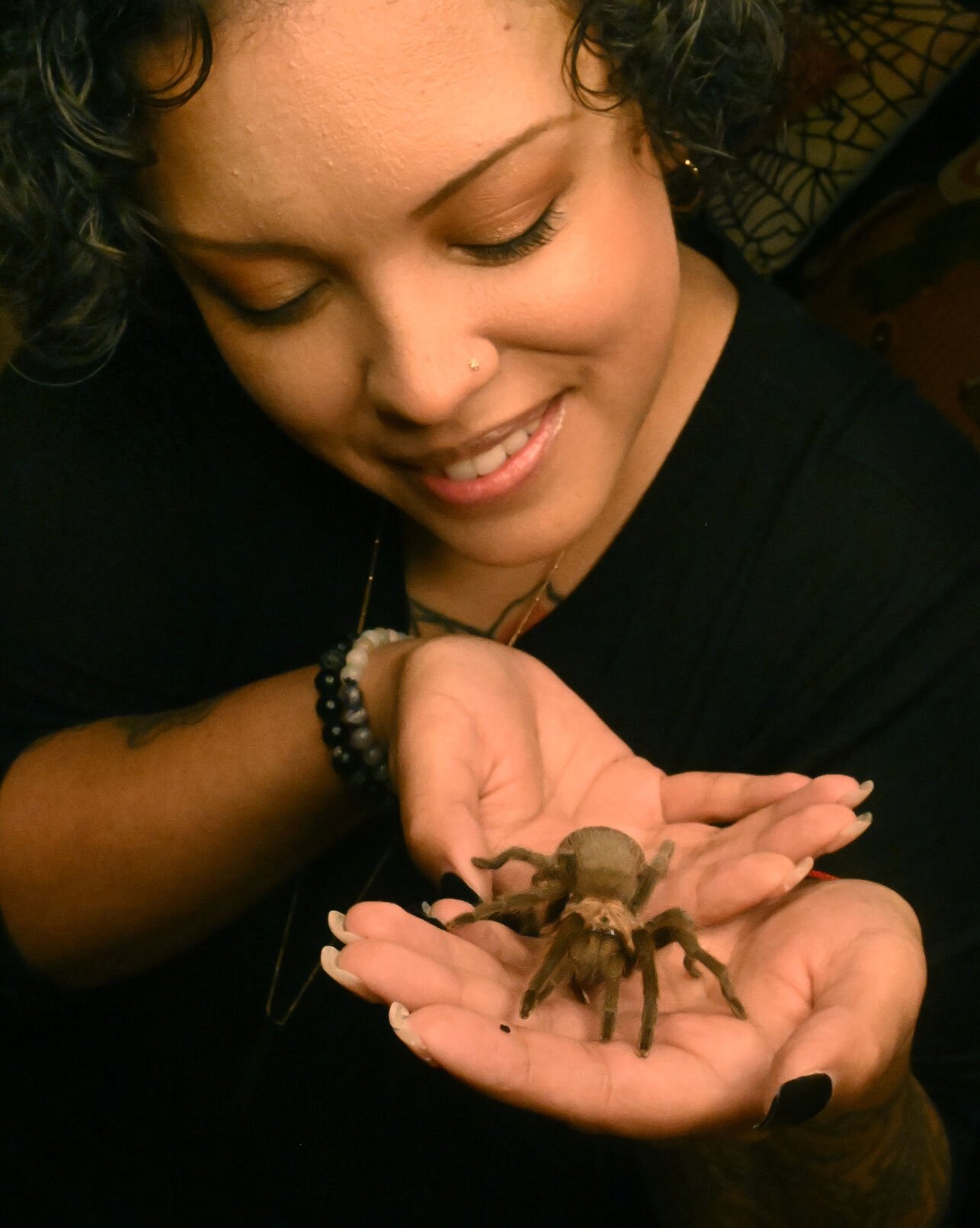
Tarantulas are good for Liz Lopez’s mental health.
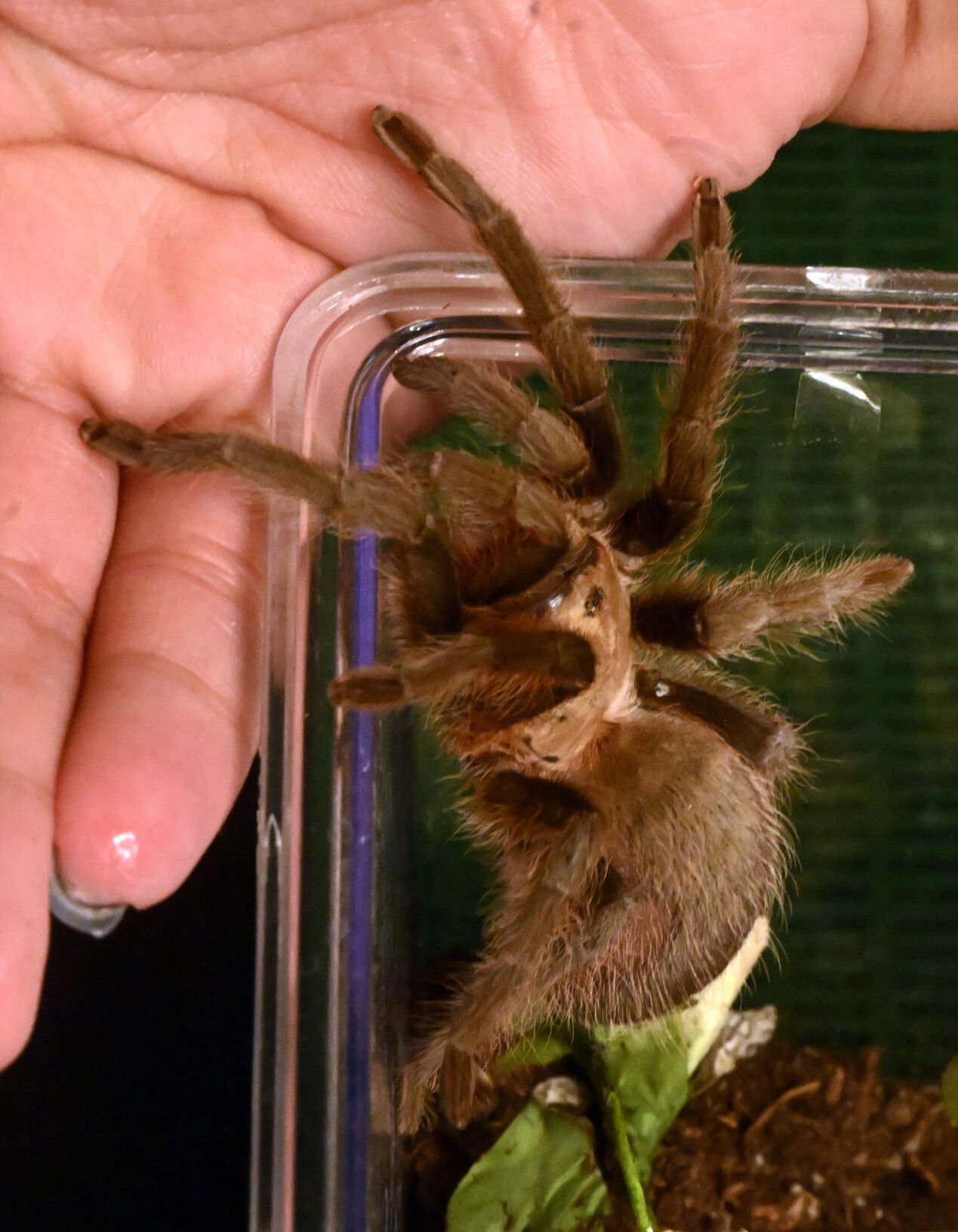
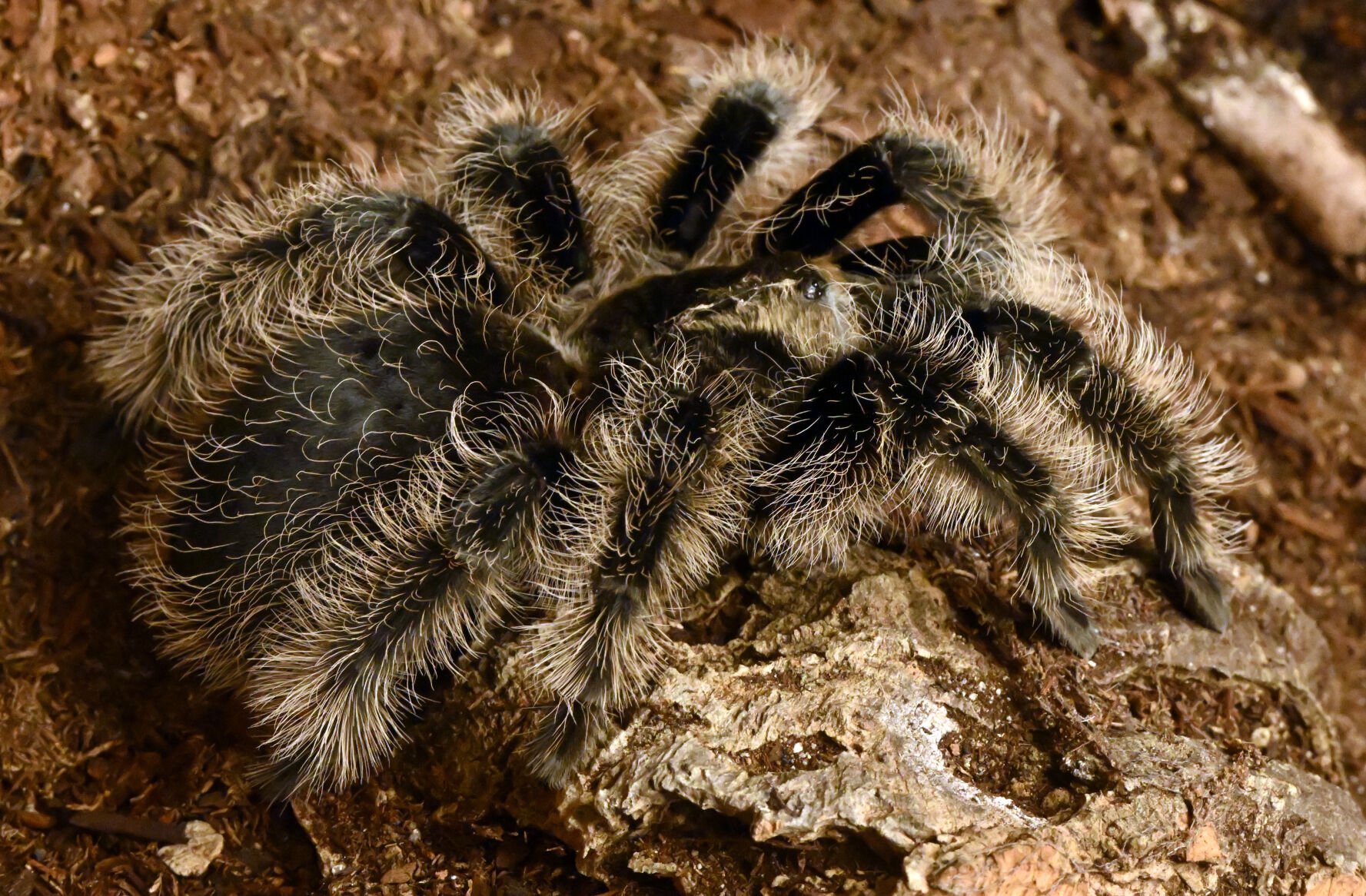
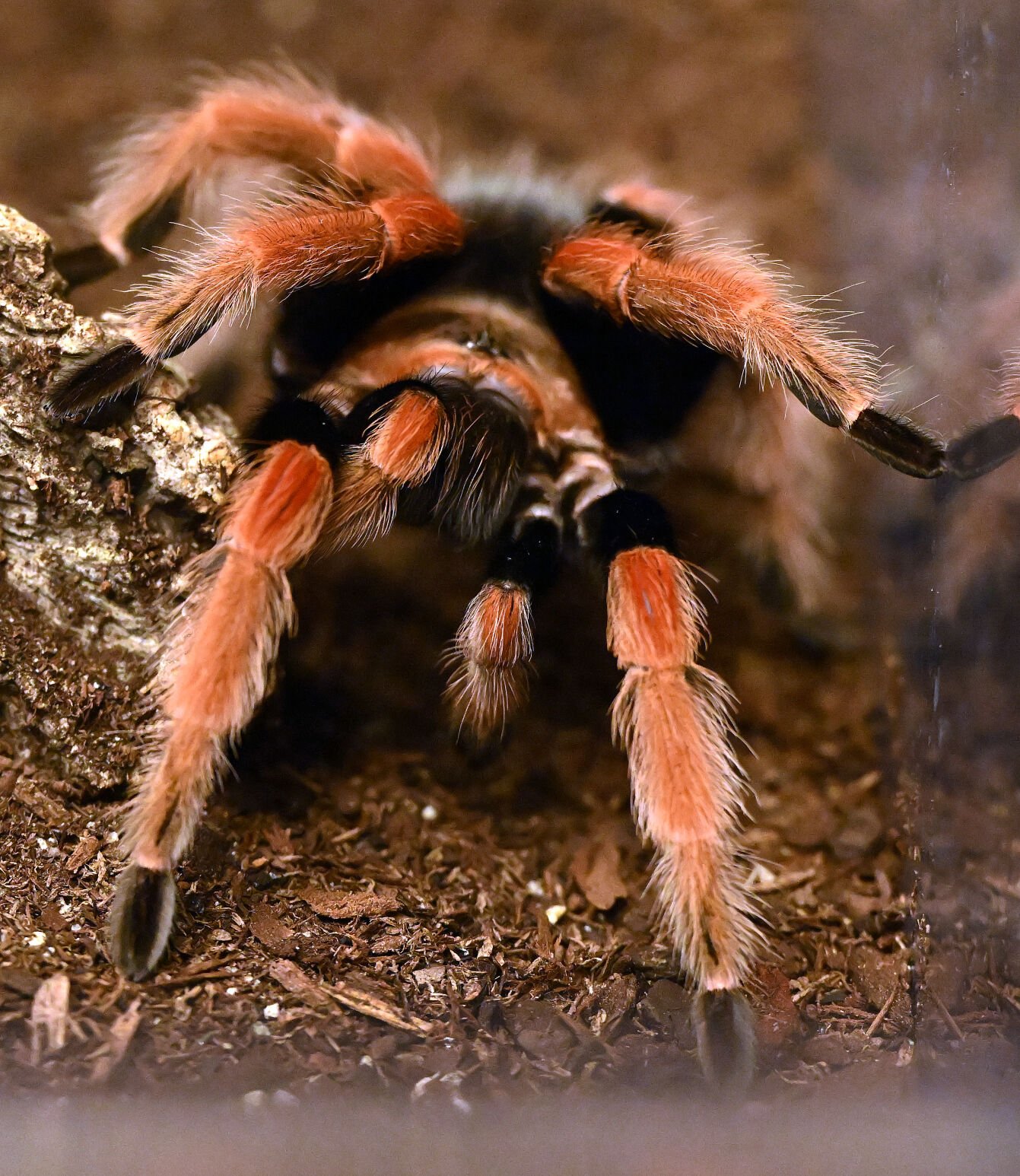
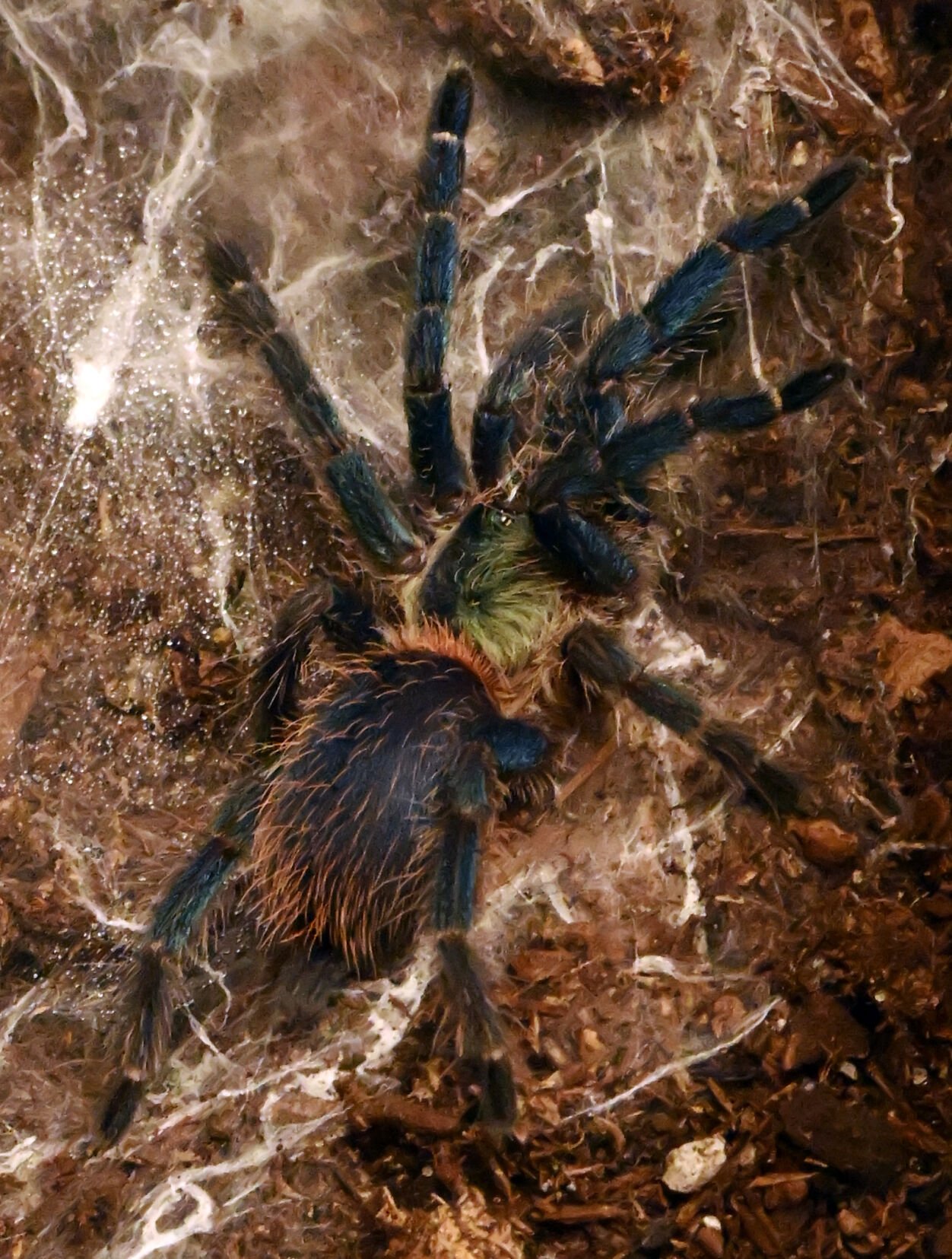
After working a high-stress shift as a team leader at Philips, a medical manufacturing company in Colorado Springs, Lopez arrives home to a house packed with creatures, but mostly tarantulas.
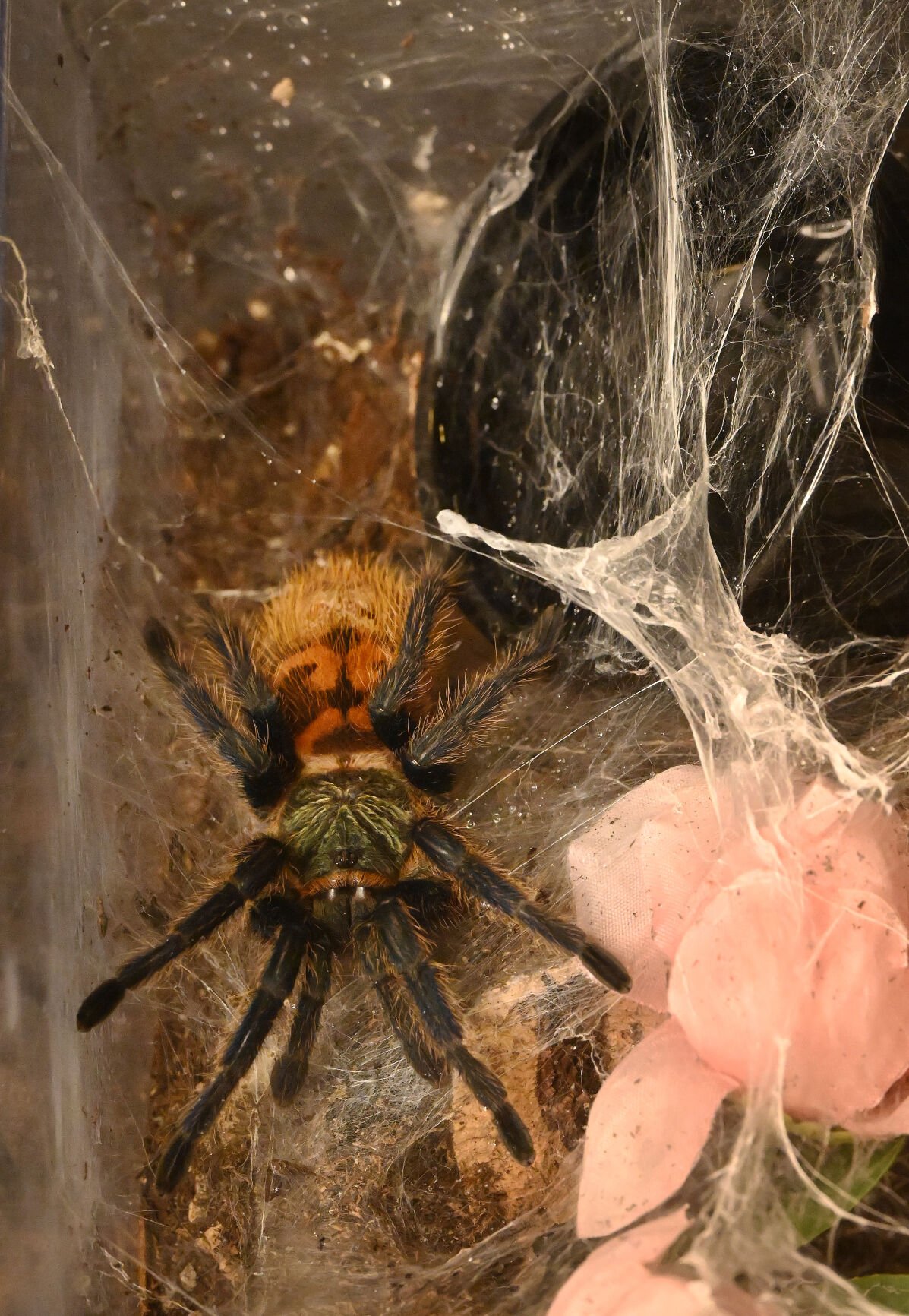
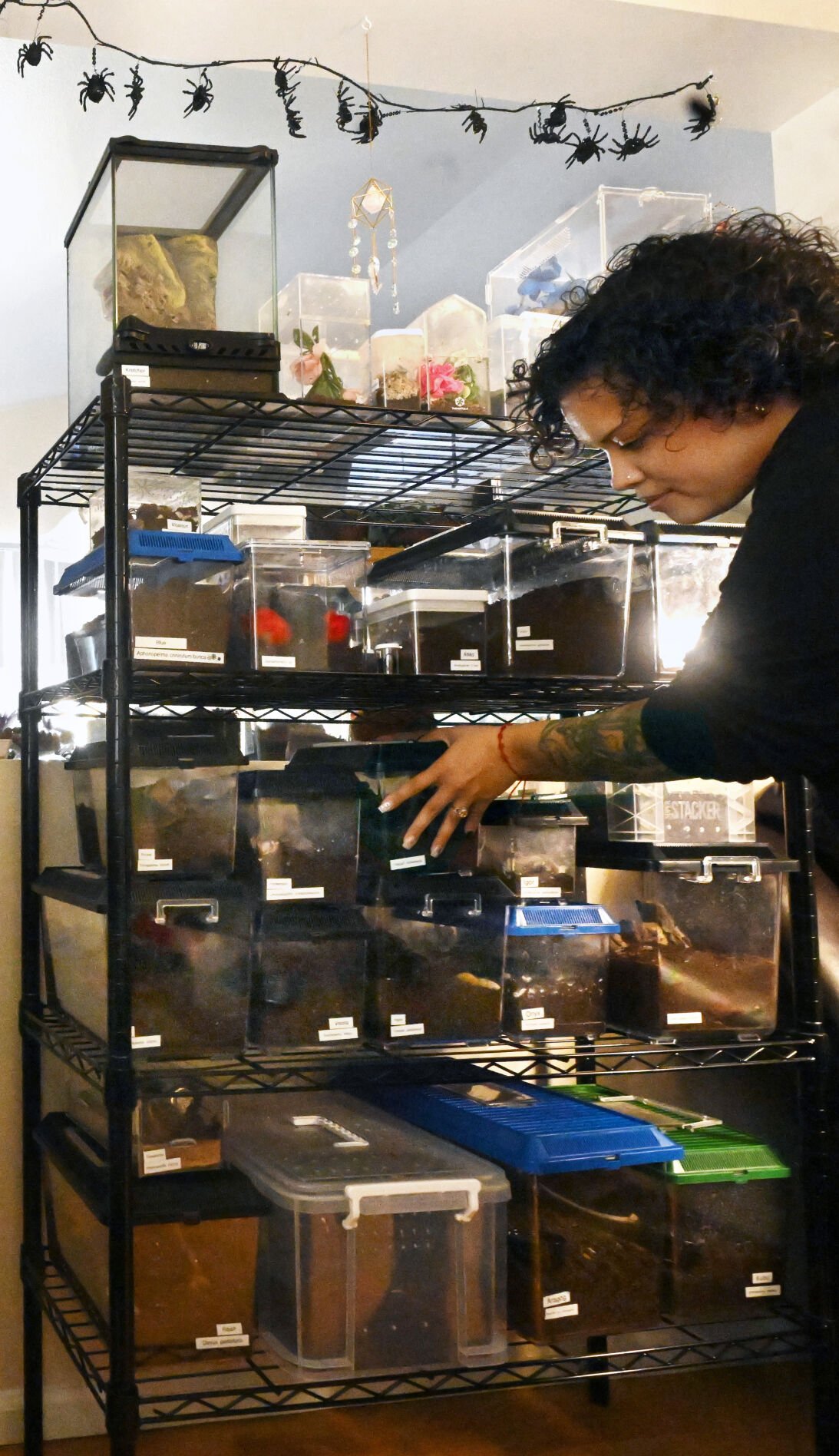
Her living room would look like any other living room if it weren’t for the stacks of cages containing 70 tarantulas of all sizes. Some are so teeny and so buried in their self-made tunnels you can barely see them. Others, such as the goliath birdeaters, are the stuff of Halloween creature features.
Now is the time to go see busy tarantulas of southeast Colorado
And then there are the Madagascan hissing beetles on a ledge over the TV. Only one has a name — Chan. He’s the big daddy of the bunch, responsible for propagating all the babies, which are then fed to the tarantulas, which might remind a visitor of the old nursery school rhyme about the lady who swallowed a bird to catch a spider to catch a fly.
Don’t worry, Lopez knows what you’re thinking. Spiders, and particularly tarantulas, win medals for their creep factor. Eight eyes, eight legs. And oh how our culture loves to villainize them, profiling them as ruthless killers who stalk our every move, ready to pounce, bite and poison us until death finally releases us from our agony.
This couldn’t be further from the truth.
“They’re misunderstood,” Lopez said. “I do find beauty in them. There are so many different kinds and they’re not there to hurt us. They’re shy. It’s nice to know something that looks so mean or creepy is not.”
Nowadays, Lopez could hang a shingle as a tarantula ambassador, adept as she is at bringing humanity to the hairy arachnids, but that wasn’t always the case.
Tarantu-love: Saving Colorado’s ‘charismatic’ spider
It was mid-2020 and the world was cloaked in a pandemic, stuck inside with nowhere to go and nothing to do. Lopez decided to finally face her one nemesis in the animal kingdom: spiders.
“They were the only animals I was afraid of,” she said. “I’ve always found interest in how they live their lives and always wanted to get over that fear.”
And why tarantulas in particular? Because they’re so large.
So she embarked on a journey to dispel her arachnophobia, using a technique many of us would shy away from when it comes to our fears — exposure therapy. First step: education. She watched videos and did research on how to properly love and care for a tarantula. And there’s much to consider: feedings, rehousings, basic biology.
“When I did go in and buy my first, it was very exciting,” Lopez said. “I didn’t feel as nervous knowing they’re not after you. They’re not aggressive. They’re more defensive. If they feel like they’re in danger, that’s when you’ll get a reaction from a tarantula.”
Walk among hundreds of spiders at upcoming exhibit near Denver
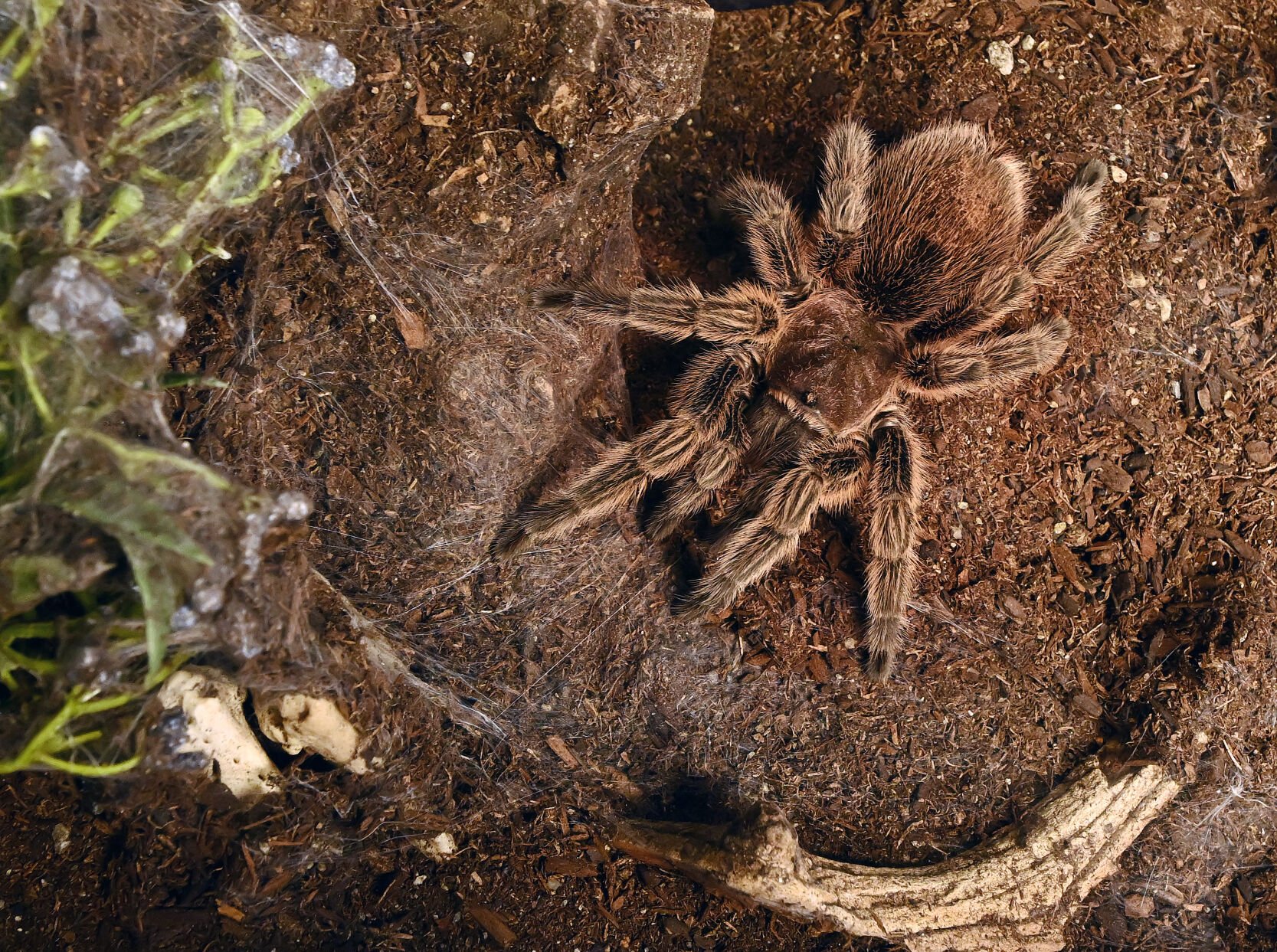
Her first baby, Webster, an Arizona blonde tarantula, came from Scales ‘N Tails.
Lopez pulls down Webster’s container home, filled with dirt, bitsy succulents and a small skull decorative feature. Webster’s not doing too much, just going for a very slow stroll. Maybe spinning a bit of web here and there. Patiently waiting for a live cricket.
“Tarantulas live very simple lives,” Lopez said. “They’re the type of pet you observe, like fish. And you just observe their little lives, watch them rearrange their house, make their burrows. The most interaction you’ll have with your tarantula is feeding it.”
Lopez doesn’t take her tarantulas out for quality time. There’s no cuddling or taking one for a walk or playing with it. The only time she might come in contact with a spider is if she accidentally startles one when she drops in a wriggly meal or they get spooked during a rehousing. Then she’ll put a hand out to catch the spider before it falls on the ground or disappears under a couch.
And she’ll always be wearing gloves due to the urticating hairs on her New World tarantulas. Oh, you didn’t know there were Old World and New World tarantulas? Turns out tarantulas are categorized by where they live in the world. The New World species lives in North, South and Central America. Old World types live in places like India, China and Australia.
Seeing more black widows in Denver this spring? Here’s why you shouldn’t panic
While tarantulas are considered venomous, which means something that’s injected into you, versus poisonous, which is something you ingest, their venom will not kill you unless you have some serious health issues. The potency of New World tarantulas is no greater than a bee sting. Instead, they use urticating hairs, typically on their abdomen, to defend themselves. They’ll kick up their back legs and kick the hairs up and out at you.
“You don’t want them on you,” said Lopez, who has experienced those hairs. “They act like fiberglass, so you’ll feel itchy and prickly.”
Old World tarantulas don’t have urticating hairs, so they must rely on their speed and higher potency of venom to defend themselves. “It (the venom) still wouldn’t kill you, but it would have effects that last quite a few months, like body aches or sweats,” Lopez said. She’s never been bitten, for the record.
This is not to say we should be more wary of tarantulas in certain parts of the world.
A butterfly oasis in Colorado is filled with ‘wonderment’ (copy)
“You may come across a tarantula, but they will not come after you,” she said. “We are not their prey. If they feel threatened they’d rather get away from you than to try and attack you. The only way a tarantula would harm you is if you’re cornering it and trying to harm it. Their last resort is to come and bite.”
Three years post-Webster, Lopez is smitten.
“I love them so much,” she said. “I am super passionate about them. They’re not what people envision.”
So she’s at peace with the entire animal kingdom now?
“Yes,” she said.
It’s not an exaggeration. In addition to the tarantulas, Lopez has Milo, a corgi Pomeranian mix who’s totally oblivious to his spider housemates, two parakeets, four crested geckos, two gargoyle geckos, five colonies of isopods and blue death-feigning beetles that roll over on their backs and play dead when they feel threatened.
Her love for critters is contagious.
‘Herkimer the World’s Largest Beetle’ voted the favorite 2022 Quintessential Colorado photo (copy)
“She taught me they’re not harmful,” said her friend Jackie Valle about the tarantulas. “It’s amazing what she’s done with her hobby. I’m more of a fish person. One animal she did convince me to get is a crested gecko.”
Caring for her personal zoo takes up a big chunk of time, but it’s a welcome distraction from the stresses of life. She spends hours making sure the invertebrates and vertebrates are healthy.
“My hobby gives me not only peace and joy, but a sense of accomplishment when I see them grow and thrive,” Lopez said. “It makes me feel good.”
Contact the writer: 636-0270

Get OutThere
Signup today for free and be the first to get notified on new updates.
PREV
PREVIOUS

PHOTOS: CubingUSA Rocky Mountain Championship
Cubers took part in the CubingUSA ‘Rubik’s Cube’ Rocky Mountain Championship Saturday and Sunday at the Colorado Convention Center in Denver, Colorado. The competition was organized and supported financially through Colorado Cubers, a non-profit organization that manages cubing competitions in Colorado.

Maria de Cambra to become next head of Colorado's Local Affairs department
De Cambra succeeds Rick Garcia, who had been at the helm since 2019