A year after Club Q: Grief, healing, and lives forever changed
Almost one year after a deadly attack at Club Q in Colorado Springs, healing looks different for each of the more than 40 patrons, performers and employees who survived the mass shooting that killed Raymond Green Vance, Kelly Loving, Ashley Paugh, Daniel Aston and Derrick Rump.
Some have found new purpose and a path forward, as heroes, advocates and leaders in the LGBTQ+ community — speaking out on the national stage alongside dignitaries and stars, and testifying at town halls and before Congress.
Others are still struggling to figure out who they are and where they belong after a hate-filled act of violence shattered their chosen family and the safe space they’d shared, for a time, in a city with an infamous legacy of bias.
‘Everything … went wrong’
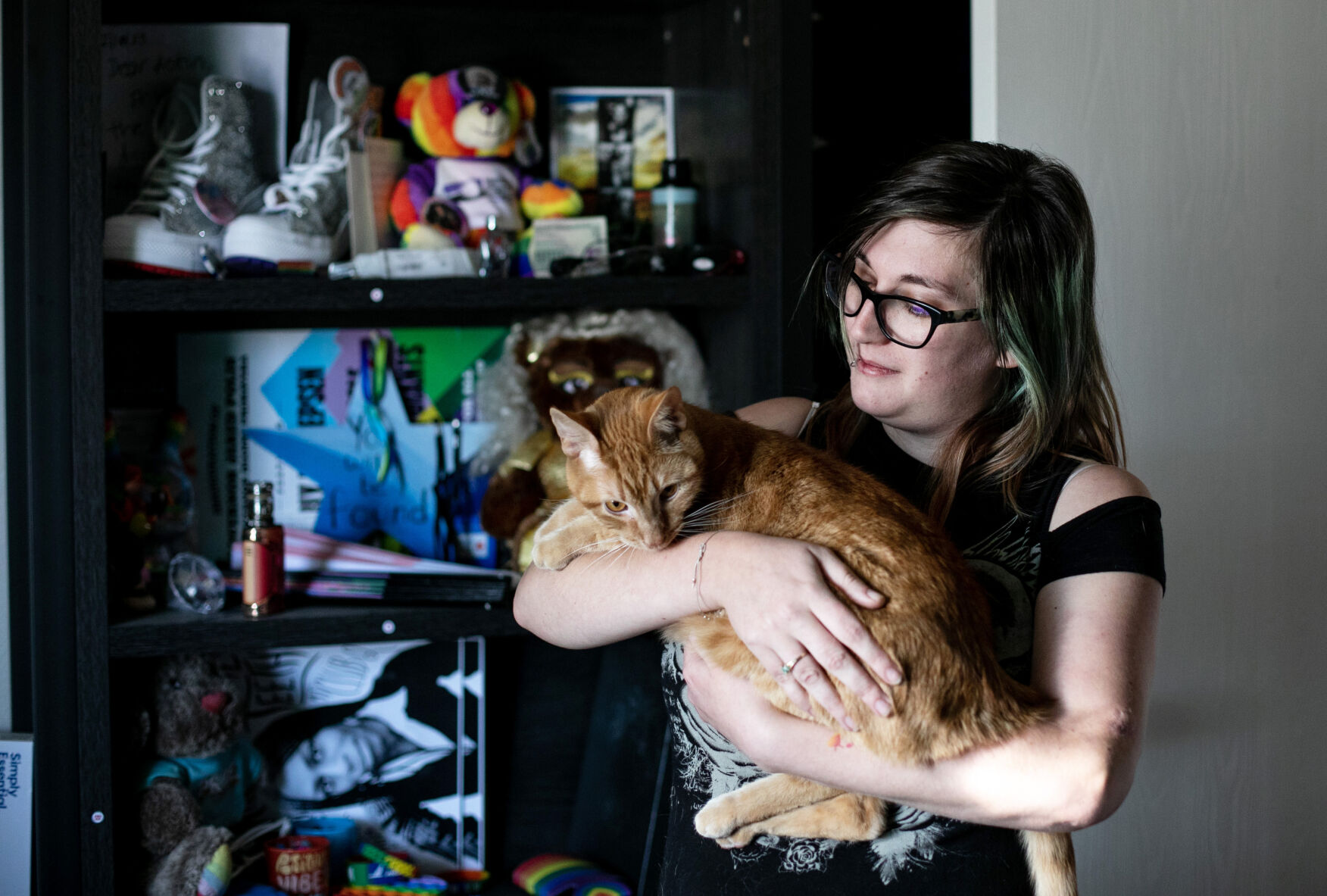
A bookcase in Ashtin Gamblin’s home office serves as a makeshift shrine to the place she loved, and the loved ones she lost.
The mementos on her “rainbow shelf” tell a bittersweet story of a chronologically brief time that nonetheless affected her in a “more powerful way than you could imagine,” even before it turned tragic.
There’s the neon green scrap of wristband from her original visit to Club Q in early 2022, the first time the Illinois transplant had ever been to a place that openly billed itself as a gay bar.
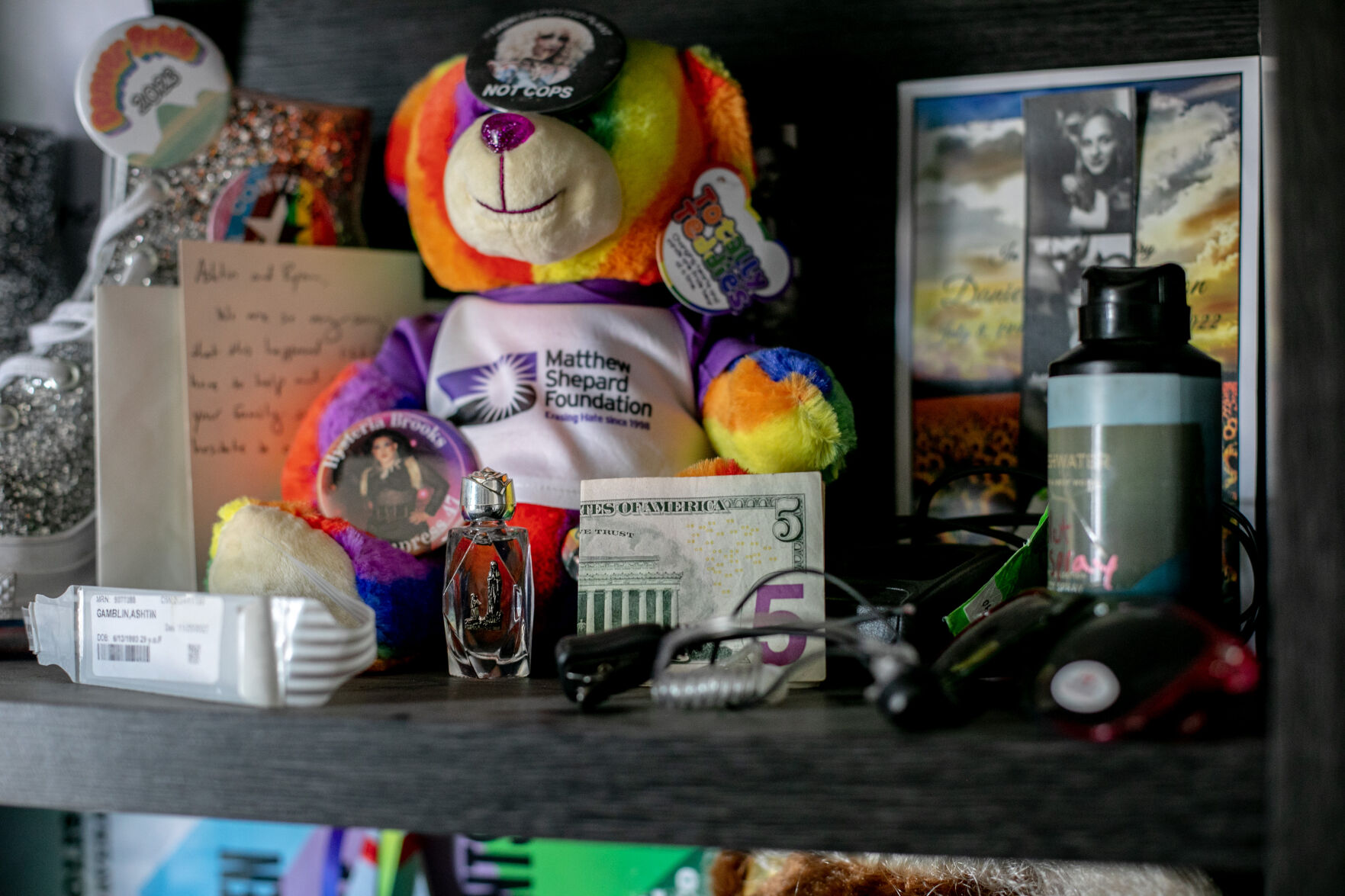
Near it is the white plastic ID bracelet from the hospital, cut from Gamblin’s wrist after six days undergoing surgeries to repair damage and broken bones she sustained when nine bullets ripped through her arms as she worked the club’s front door on Nov. 19, 2022.
Her good friend and Club Q bartender Daniel Aston was standing between her and the door when now-convicted shooter Anderson Lee Aldrich entered the club shortly before midnight and opened fire — killing Aston, who took the bullets Gamblin said she believes otherwise would have struck her in the torso.
Club Q remembrance: More public events announced to mark 1 year since Colorado Springs mass shooting
“He saved my life,” she said.
Gamblin had been new-ish to town when she first visited the club. It became her go-to hangout, its regular crowd, her favorite people, before it became a part-time job that didn’t feel like a job at all.
“They say do something you love and it’s not work. I got paid to go hang out with my friends,” said Gamblin, 30, who also had a day job, working from home for Bright Horizons, while pursuing a bachelor’s degree in criminal justice with a specialty in forensics.
After the shooting, it would take several months of healing and physical therapy before she had the hand strength and dexterity to open a can of soda. Eight months before she could make a fist with her right hand.
Typing is still a struggle, but she works for an “amazing” boss, at a company that supported her throughout her recovery and transitioned her to a different position she can manage as she continues to heal.
Club Q changes plan, looks to reopen in a new location
Gamblin said she’d initially chosen to pursue forensics because she wanted to remain behind the scenes, in a job with as little human interaction as possible.
That’s no longer the case.
She remembers a conversation she’d had with Derrick Rump, a “star bartender” at Club Q who, like Aston, was the glitter glue that kept everyone connected and coming back to the dance club and drag performance venue off North Academy Boulevard.
“Derrick said he never wanted the community to stop fighting. Daniel, himself, was a very large advocate for trans rights,” Gamblin said. “With the boys gone, they still need their voices and somebody needs to be as vocal as humanly possible.”
Her late friends’ words, and a worry that forensics might not be the best pursuit for someone who’d experienced the trauma she had, led to a shift in career goals. Gamblin said she quit school after the shooting, but plans to finish her degree and pivot to a focus on homeland security and crisis management.
“Hopefully get my master’s, do social work, try to find specialties within LGBTQ and human rights,” she said.
Diversus Health to offer additional resources to victims of Club Q
She said she’s already connected with an organization that’s helping set up speaking engagements at law enforcement trainings, where she’s sharing her experience in hopes that, if such tragedies can’t be averted through policy, police and emergency responders can avoid making a devastating situation even worse.
“Everything about that night for a lot of us went wrong. It wasn’t just the shooting. There were a lot of issues after the fact,” Gamblin said.
She’s spoken up about 911 holds, and how a reported first-response time of under three minutes likely didn’t take into account the number of emergency calls that languished on hold and never made it through to a dispatcher.
“And, you know, don’t put a perpetrator and a victim in the same ambulance,” said Gamblin, who was taken to the hospital that night in the same bus as the shooter who’d wounded her and killed her friends. “You’d think that’s common sense, but I guess not.”
Aldrich — who was tackled and disarmed by club patrons, including Richard Fierro and Thomas James — pleaded guilty and is serving life in prison.
For some survivors, it was a blessing not to have to take the stand and recount the scenes that will play in their minds for the rest of their lives.
Gamblin was among those who chose to speak at a June sentencing hearing for Aldrich. For her, sharing her story has helped her make sense of a new reality.
“I never thought about what people go through in the aftermath of a shooting, because who does until they’re forced to? You don’t have time to heal, you don’t have time to grieve, you just get up, and go to the next battle,” she said.
And when the quiet finally comes, you realize you’re a different person than you were.
Before the shooting, Gamblin said she and her husband, Ryan, who is in the military, had talked about starting a family.
Those discussions are now on pause.
“We’re still trying to figure out life, and I’m still trying to figure out if I want to actually bring kids into this world,” Gamblin said. “I’m too traumatized. I don’t want to bring them into that.”
‘The person I was … did die’
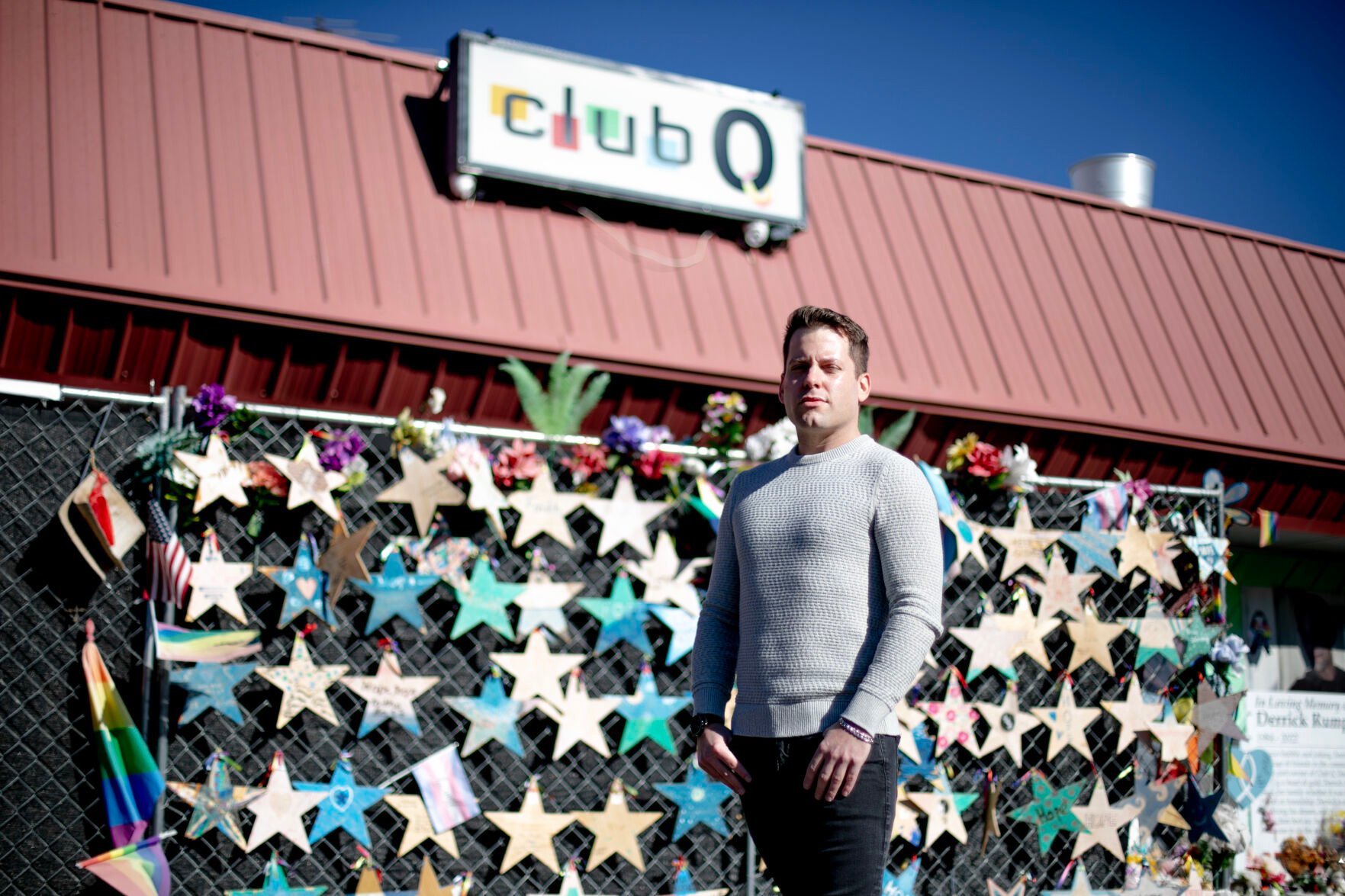
John Arcediano was in tears as he drove to Club Q in early October, the first time he’d returned since that horrific night.
“I had no want or desire to return, ever” said Arcediano, 36.
But he’d agreed to meet a reporter and have his photo taken outside the building, which has been closed since the shooting. With the one year mark approaching — and a public clean up event planned at the site — he might as well get it over with.
It certainly wasn’t the roughest hurdle of the past 11 months.
“I have really bad days, but there are really good days too,” said Arcediano, whose physical injuries from shrapnel were not severe. The trauma of watching friends die, and thinking he might, too, is a wound that’s still unhealed, and may never be.
“The biggest thing I’m beginning to realize, as the survivor of a mass trauma event like this, is that the person I was did, in fact, die that day. And now we’re trying to discover the new person that I am, and who that person is.”
That person is, in many ways, a stranger to the one that came before.
“For me, this year is all about transformation,” said Arcediano, who left his job of 15 years as an operating professional with The Melting Pot, changed addresses, and “shed every piece of my past life, to embrace this new person moving forward.”
That new person is the new program and outreach director for Community Health Partnership’s Prism Community Collective, a hub of resources and services for the LGBTQ+ community set to open soon in the Springs.
“After this event happened, I did a lot of soul searching and realized that I wanted to do something to help this community, because it really is lacking in the resources of lot of other larger cities this size have,” Arcediano said.
Like Gamblin, he credits his career shift to the friends he made, and lost.
He first found his way to the club on Thanksgiving the year he moved to Colorado Springs, because he was lonely and the club threw an annual feast for those orphaned at the holidays. He was hooked.
“That’s really where I learned what it means to be queer,” said Arcediano. “It was really Derrick (Rump) who emphasized the importance of this community and really made me understand and appreciate the value of the queer community on another level.”
Arcediano said his mission now is to do everything in his power to make the community, at large, a “more safe, accepting and comfortable space for everyone.”
And to keep seeing it, and the world, with the affection and hope his friends did.
“Derrick always said, just give the community a chance,” Arcediano said. “I did. I am. Colorado Springs is my forever home.”
‘I want to move on’
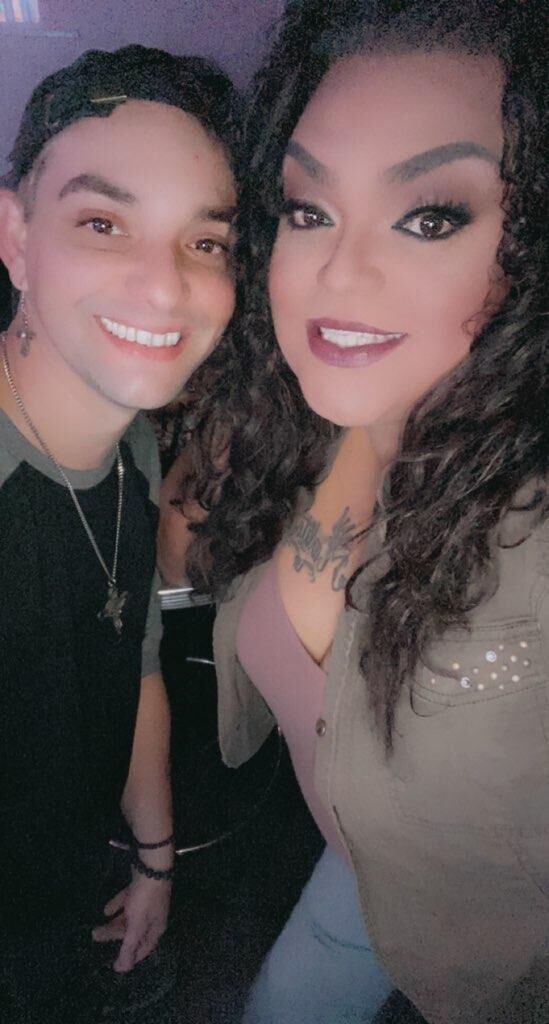
Beyonca Perez picked at the edges of her manicure as she spoke, her gaze flitting up occasionally from her hands — to the door of the downtown coffee shop, to the windows, and, briefly, to the person seated across from her at the cafe, in early November.
These days, when she does go out, she said she takes a seat with a clear view of the entrance. And she has to remind herself to make, and hold, eye contact. Such an easy thing, that little gift of connection that says I’m here, I see you, can leave her feeling uncomfortable, and vulnerable.
“One of the comments that was made to me recently, that broke my heart … here I am, supposed to be this mother figure for these kids, and one of them said to me, ‘I really, I just can’t wait for the day that you can look us in the eye again,’” said Perez.
The general manager of Club Q, Perez was at the club, but not on the clock, the night of the shooting. She was on the club’s heated smoking porch, with a view of the front door, when she hear the pops and saw the muzzle flashes of gunfire. Perez hauled up a garage door to the open air porch, where she helped people escape over a 6-foot fence then punched through the boards to create an emergency exit directly into the parking lot. She still bears the faint scar where a massive splinter impaled her wrist.
Her heroic actions couldn’t save two of her dearest friends, though. Derrick Rump was like a brother. Daniel Aston, like one of her “kids.”
“All I know is that a piece of me died that night, and I’ll never get it back,” said Perez, 36. “I think I’m at the point now where I’m mourning who Beyonca used to be. I don’t know who she is anymore, but I’m really looking forward to figuring that out.”
Perez had envisioned her move to Colorado Springs two years ago as a chance to discover who she was without all the “armor” she felt necessary living as a trans woman in the Lone Star State, where she had to “play a character all the time.”
“I always had to be on, with the glitz and the glamour, the makeup, everything — and just being the fun, outgoing, bubbly, life-of-the-party person. That’s what everybody wanted to see, so that’s what I was.”
In Colorado Springs, she resolved to live a quieter life caring for her mother — whose cancer has since gone into remission — and working and saving up money for the eventual move back to Texas.
But then she went to bingo at Club Q and met Hysteria Brooks, who talked her into performing in one of her shows at the club. Beyonca Deleon, Perez’ drag persona — in all her glory — was back.
After the shooting, it would be months before she could bring herself to try on that armor and perform again, which she finally did for Hysteria Brooks’ birthday party in August. The regalia no longer feels like the protection it once did.
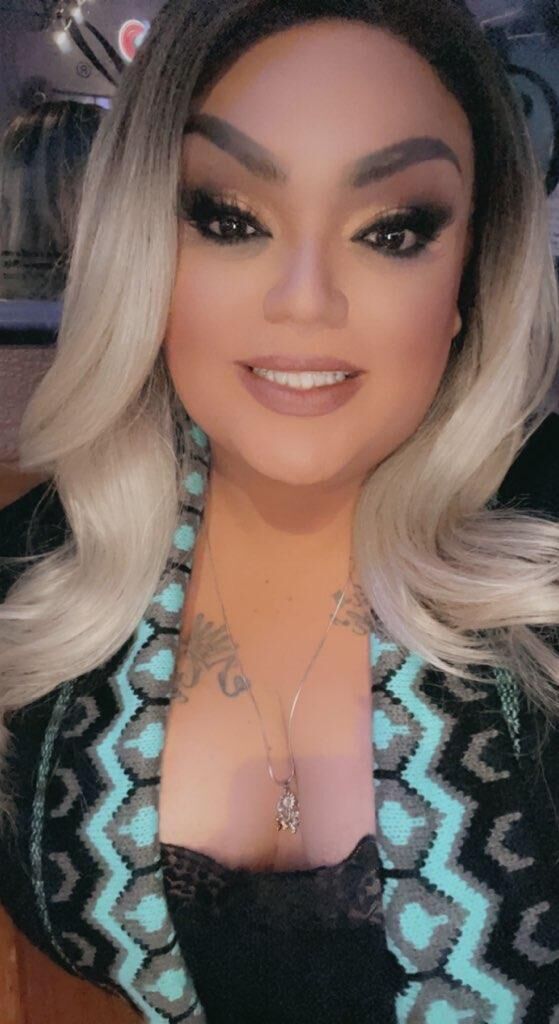
Perez said she still struggles with social anxiety and the inertia of depression, but has taken a part time job at a florist shop that gets her out of the house, and brings the opportunity for beauty.
A bad reaction to an antidepressant she started taking after the tragedy led to memory loss and other side effects that have complicated her recovery. Perez said she’s worried she’ll lose the memories that comfort, and not the ones that haunt.
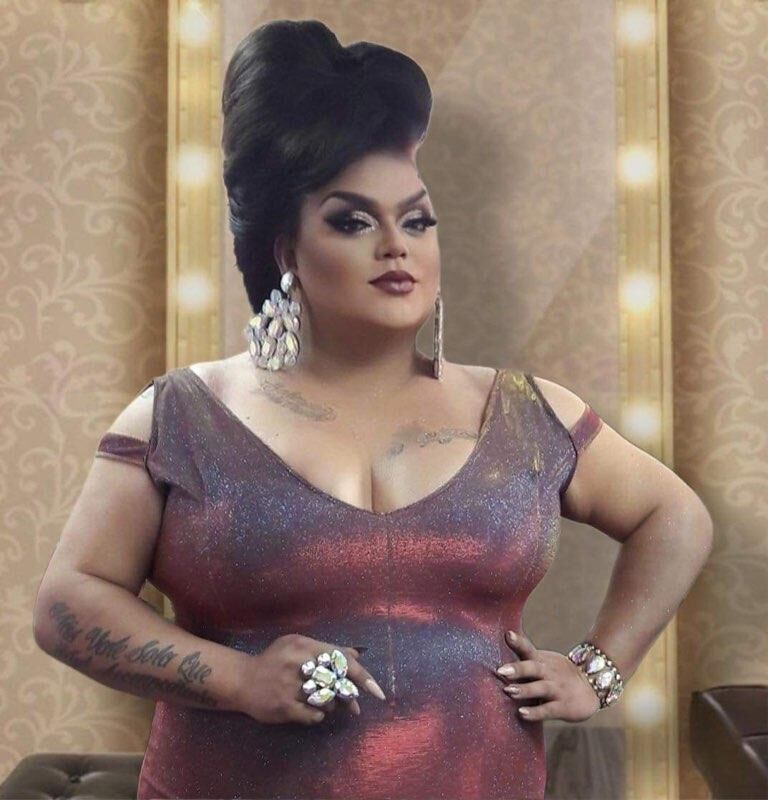
She’s worried she’ll never again find a place that feels like home.
“I can sit here and I can be scrolling through socials and I’m starting to find myself angry at other people for being able to move on so easily … but I know that’s not fair,” said Perez. “I want to move on. I want to be able to do those things, go to those events, but I can’t. This incident, this whole event, just broke me as a person.”