Denver area struggles to attract police recruits despite high salaries
Departments still having issues filling vacant roles
Despite paying some of the highest salaries for police officers in the country, metro Denver’s public safety agencies have seen a decline in applications and some argue a lack of support for law enforcement in Colorado is a culprit.
The median salary for police officers in the metropolitan area this year stands at $93,160, putting the region at No. 20 on the list of highest-paying cities for law enforcement in the country, according to a November report by USAFacts.
“Some human beings believe the most important thing in their work life is pay. Others want job security or clarity of position,” said Paul Pazen, a former Denver police chief. “In Colorado, we’ve made it exceptionally difficult for law enforcement officers to do their job.”
Pazen said he believes a lack of support from state policymakers may be turning people away from the job and staffing shortages will continue, even if the pay is high.
The Arapahoe County Sheriff’s Office, for example, used to receive around 800 applicants for every deputy opening before 2020, according to Sheriff Tyler Brown.
Now, the county gets around half the amount.
A June audit report from the City and County of Denver said its police department only had 1,364 active officers in 2022 — 7 percent short of its approved budget.
The department also lost more officers than usual. The agency typically loses about 70 to 80 officers a year. In 2021, it was 145.
The numbers have improved, though.
As of Sept. 29, there are 1,517 officers in the department, which currently has an authorized strength of 1,596, putting the staffing level at around 95 percent.
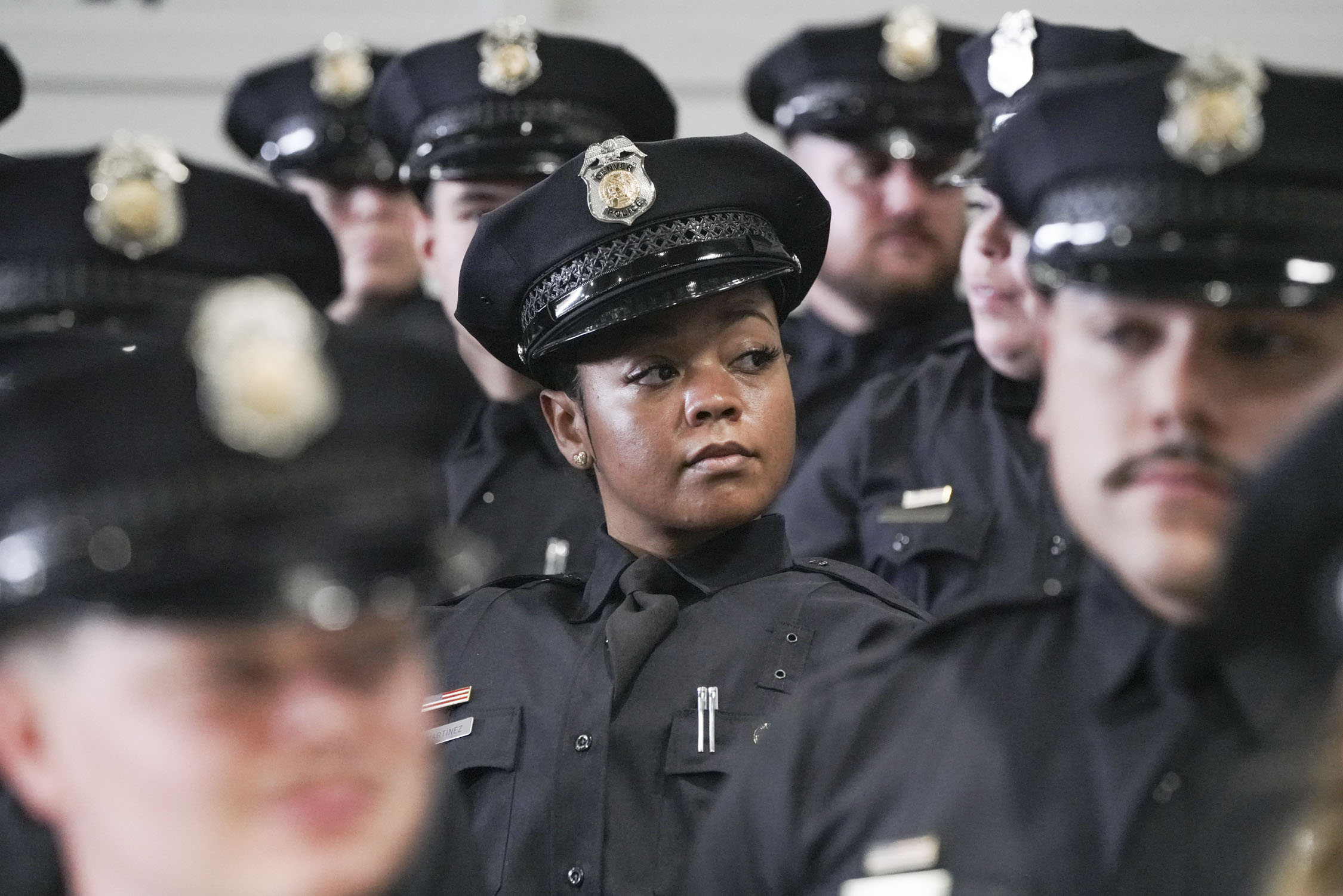
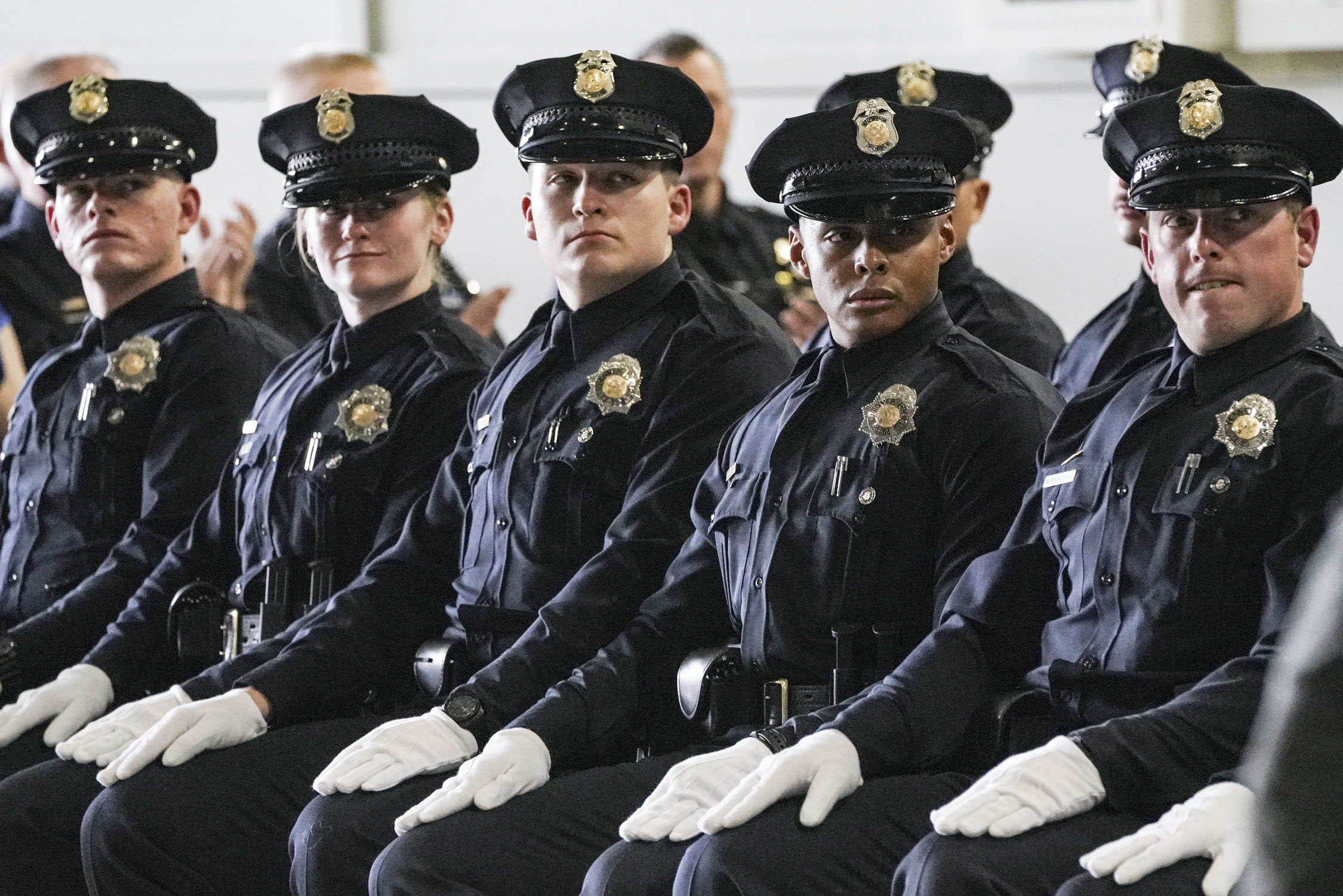
Of those, 78 were currently going through the agency’s training academy, with 47 officially graduating on Dec. 1.
Other police departments in the region also struggle to recruit and retain staff.
The Aurora Police Department has 748 authorized police positions but currently employs only 672 sworn officers, putting the agency’s staffing level at about 90 percent.
“It’s no secret there is a national workforce shortage. The profession has changed over the years, and, with it, the way people view the work. But the work is just as important as ever,” a spokesperson for the Aurora Police Department told The Denver Gazette.
That said, higher wages certainly help in a competitive market, a Denver police spokesperson said, adding, “Competitive wages and benefits make huge impacts in recruitment and retention of our officers, allowing us to be more attractive than other agencies also vying for the same qualified applicants.”

Brown, the Arapahoe sheriff, pointed to higher liability for peace officers as another reason driving down the interest in joining law enforcement. In particular, he noted the passage of legislation in 2020 that made sweeping changes to policing.
That law’s requirements included the expanded use of body-worn cameras for officers, as well as new reporting mandates for “use of force” incidents, officer resignations because of policy violations, contacts with citizens and unannounced entries.
The law also prohibited chokeholds by officers, limited the use of chemical agents and less-than-lethal projectiles during public demonstrations, and allowed civil lawsuits against officers for violating a person’s state constitutional rights.
The passage of the law has long been a sore point for the enforcement community. In 2021, sheriffs and police chiefs pointed to negative public perception of law enforcement and increased concerns about exposure to litigation or discipline as common reasons for officers leaving their departments.
A survey commissioned by the Colorado Association of Chiefs of Police and County Sheriffs of Colorado said 65 percent of respondents cited worries about the new law as reasons for officer departures.
Notably, under the law, officers can be sued individually for misconduct for up to $25,000, or for 5 percent of the judgment.
Brown said the high liability may be scaring some applicants off.
“We already have very robust internal policies that officers have to go by every day,” he said. “If they step outside of those, they can be held liable for that anyways. We go through multiple levels of investigation and there’s litigation on top of that that holds deputies accountable.”
And though salaries are high in the metro area compared to other places, Brown said it may not be high enough to attract the attention of applicants.
“I will always side as an advocate for our peace officers,” Brown said. “Pay should be a little higher. We want to attract those high-quality individuals that have put in a bit of extra work. The way to attract them is through monetary means.”
Brown said police departments may be struggling to match both the wages and comfort of other jobs, particularly those with remote options.
“People may be taking remote jobs and making the same exact amount you’d be making as a law enforcement officer, where you’re outside at 2 in the morning and it’s 15 degrees,” he said.
So, if salaries are already high and liability won’t go away, departments have to look at other methods of getting the attention of potential officers.
In the Arapahoe County Sheriff’s Office, recruiters seek to show applicants there’s opportunity for growth and community help on the team.
“It’s just getting back to the true spirit of who we are as peace officers. Being community involved members,” he said. “If you talk to 95 percent of police officers, they say they do the job because they want to help people.”
Brown cited his office’s therapy dog program, for example, saying that new officers can potentially start working in schools with dogs and children after a few years on the force.
“We have to show people we have these options at the sheriff’s office,” he said. “That’s not just chasing bad guys down, but really being involved in their community and making sure that they’re giving back.”
The Aurora police share that sentiment.
“We are a vibrant, rapidly growing city and the most diverse city in Colorado,” the department said. “The work is interesting. We have more than 40 specialty assignments that interest candidates.”