GPS turns 30: A look at the revolutionary system operated by a Space Force unit in Colorado
When Russia shot down a Korean Airlines flight in 1983 with air-to-air missiles, the crew and everyone on board paid the ultimate price for straying into restricted airspace.
The Russian military mistook the commercial flight with 269 people on board for a spy plane because it was 200 miles off course.
The deaths prompted the Reagan administration to open up the Global Positioning System for civilian use, and it’s revolutionized life since, allowing everyone to have precise mapping on their phones, giving financial institutions the power to prevent fraud through GPS timing and providing farmers better tools for irrigation and harvesting.
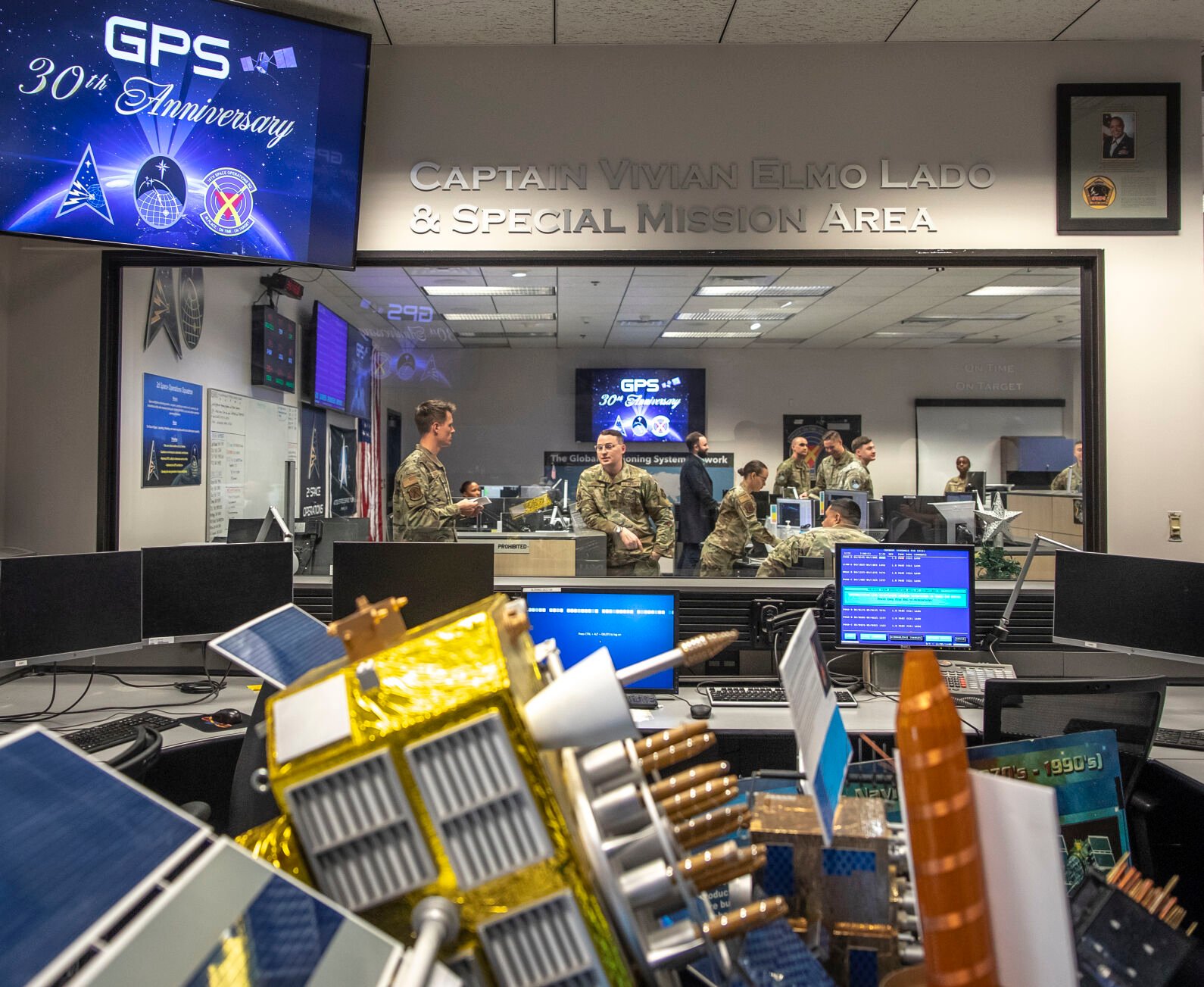
Lt. Col. Robert Wray, 2nd Space Operations Squadron commander, and others described the 31 active GPS satellites, global ground stations and people that make the complex system possible at Schriever Space Force Base on Saturday. Wray and his colleagues invited the public in to see their operations, as part of marking the 30th anniversary of GPS becoming fully operational.
Colorado Springs-controlled GPS satellites vital to U.S. economy, daily life
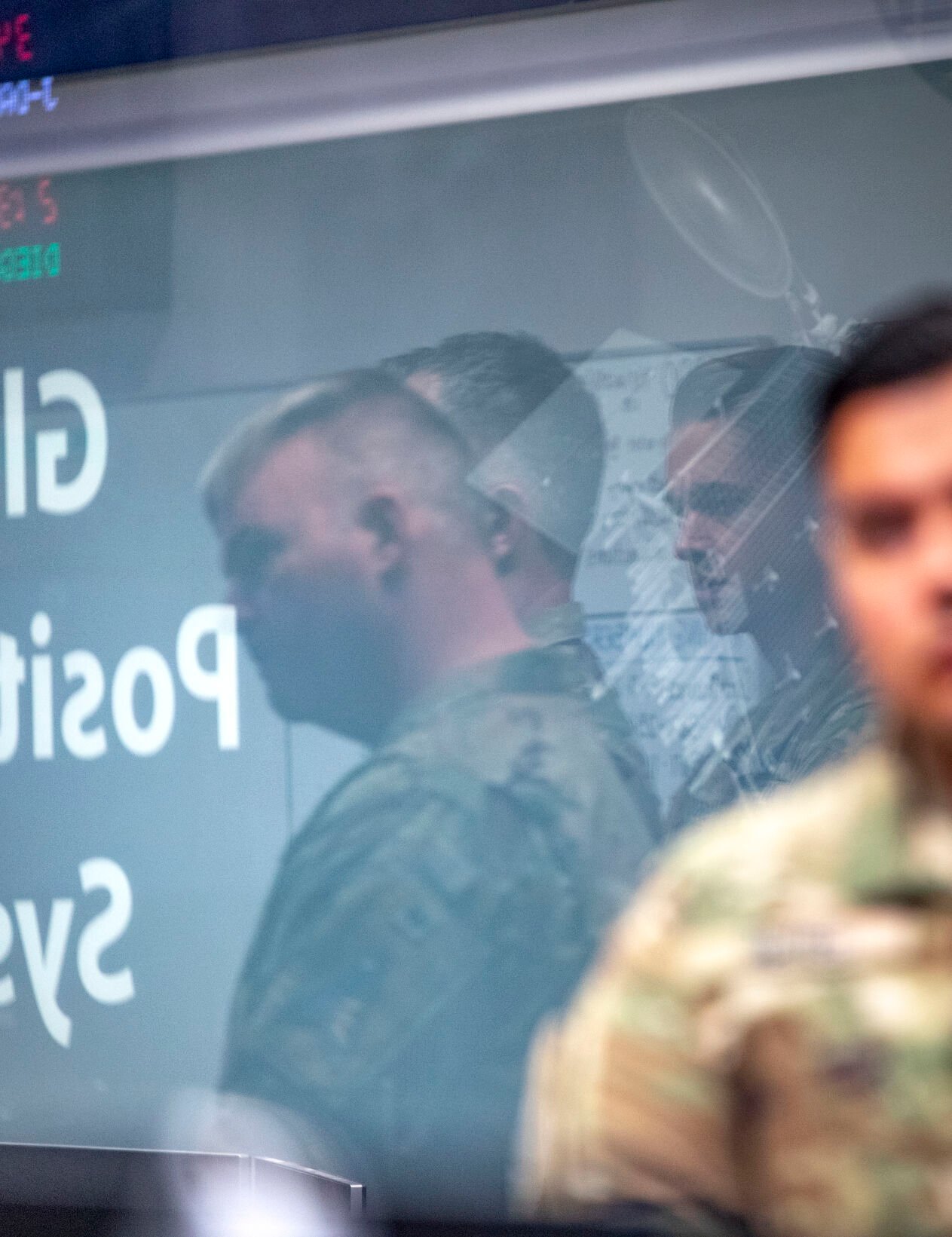
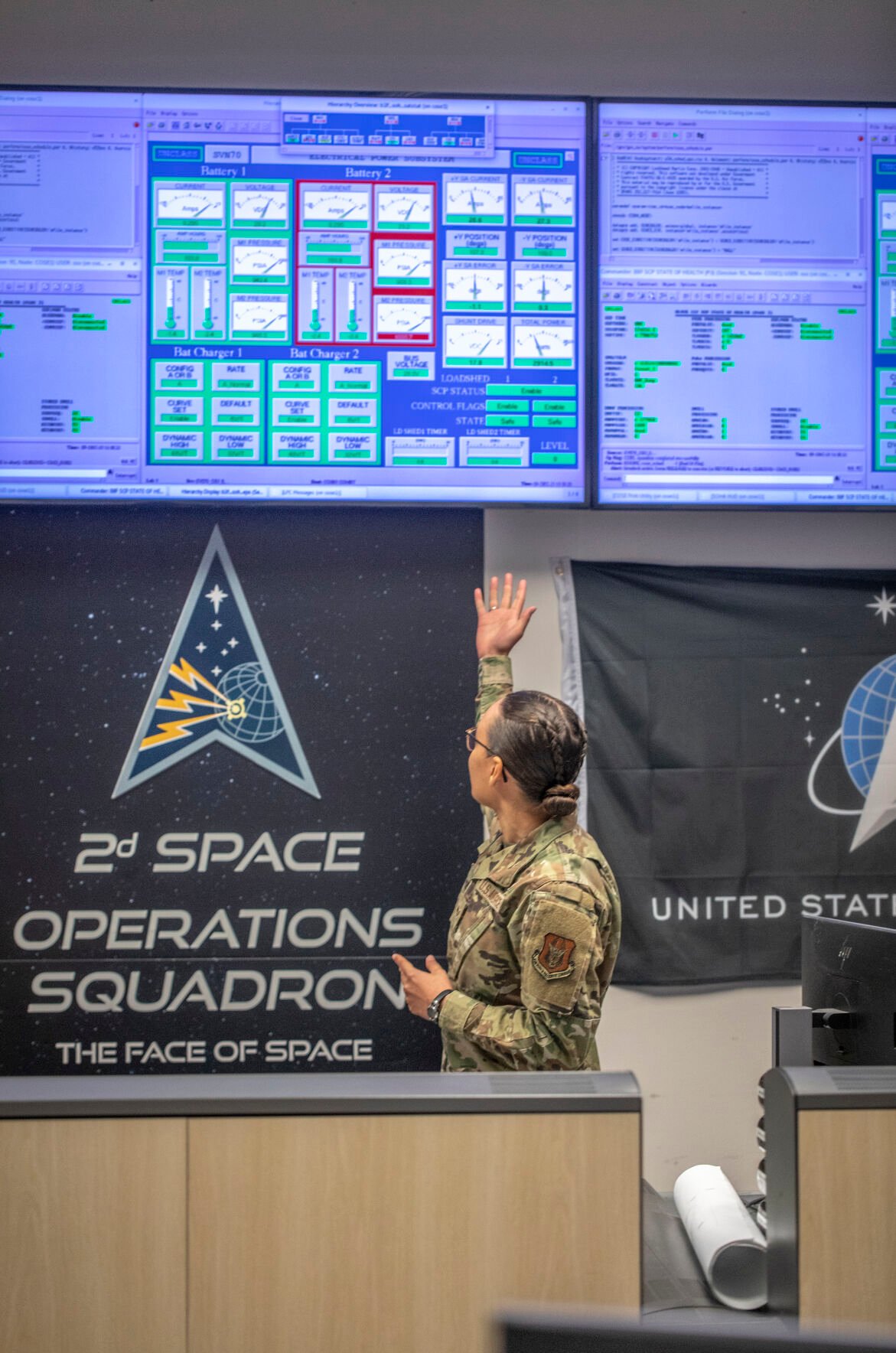
Surrounded by large monitors, a group of 10 people, eight military members and two contractors work 24/7 at Schriever, east of Colorado Springs, to operate and monitor the GPS satellites. No one operates a satellite alone, to prevent mistakes, Wray explained. The crew also takes calls from users experiencing anomalies.
The windowless office space is the front-facing portion of a large global system, said Col. Andy Menschner, who oversees the new Positioning, Navigation, and Timing Delta, within Space Force.
“The operators here on the floor are able to control ground antennas all over the world, speak and communicate with 37 satellites on orbit, and provide assurance that the signal from space is accurate and reliable,” he said.
The satellites carry atomic clocks that provide the precise timing across the world, necessary for critical infrastructure, such as the electrical grid, Wray said. Its role in infrastructure means likely 6 billion people rely on GPS.
Russia’s ongoing war against Ukraine has underscored the importance of GPS. As Ukraine relies heavily on drones in the conflict, Russia counters by jamming local GPS receivers.
The U.S. constellation of GPS satellites traveling 12,550 miles above the Earth are untouched by this localized jamming, Wray said.
As the Space Force marks a major birthday for the GPS constellation, it is also working on updates for the system that has used 79 satellites since the first one went into orbit in 1978. As the atomic clocks on the satellites age, satellites are retired and moved out farther away from the Earth, Wray said. The oldest satellite in orbit is 26, a few years older than most of the operators.
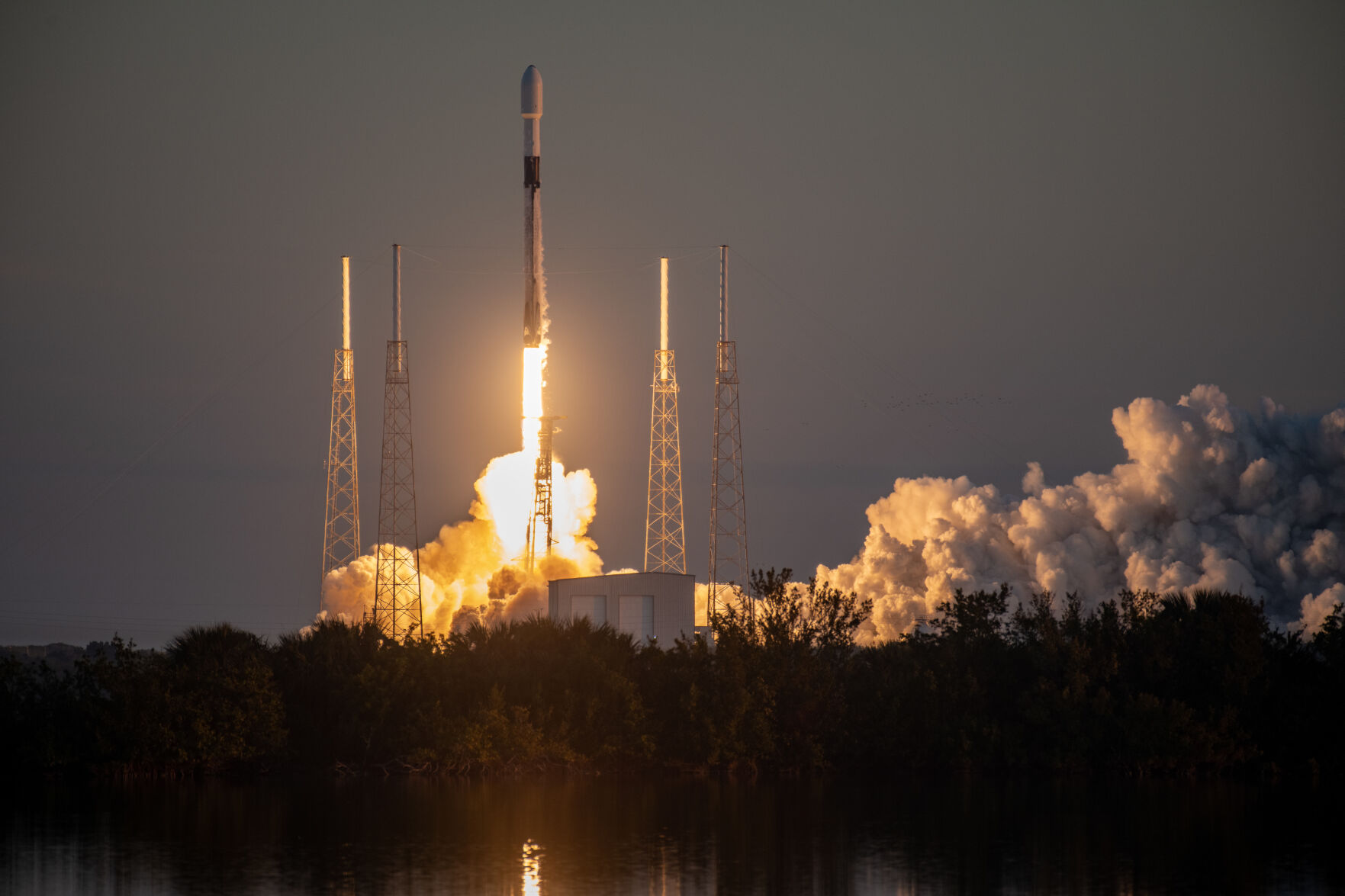
The most recent six satellites sent into orbit were built by Lockheed Martin in Littleton and provide three times greater accuracy compared to older satellites, according to a Lockheed news release.
Upgrades for the whole ground system are also in development and will be deployed at Schriever in 2025, Menschner said.
“That’ll be the largest transition for GPS in decades,” he said.