Forensic pathologist testifies Aurora paramedics caused Elijah McClain’s death
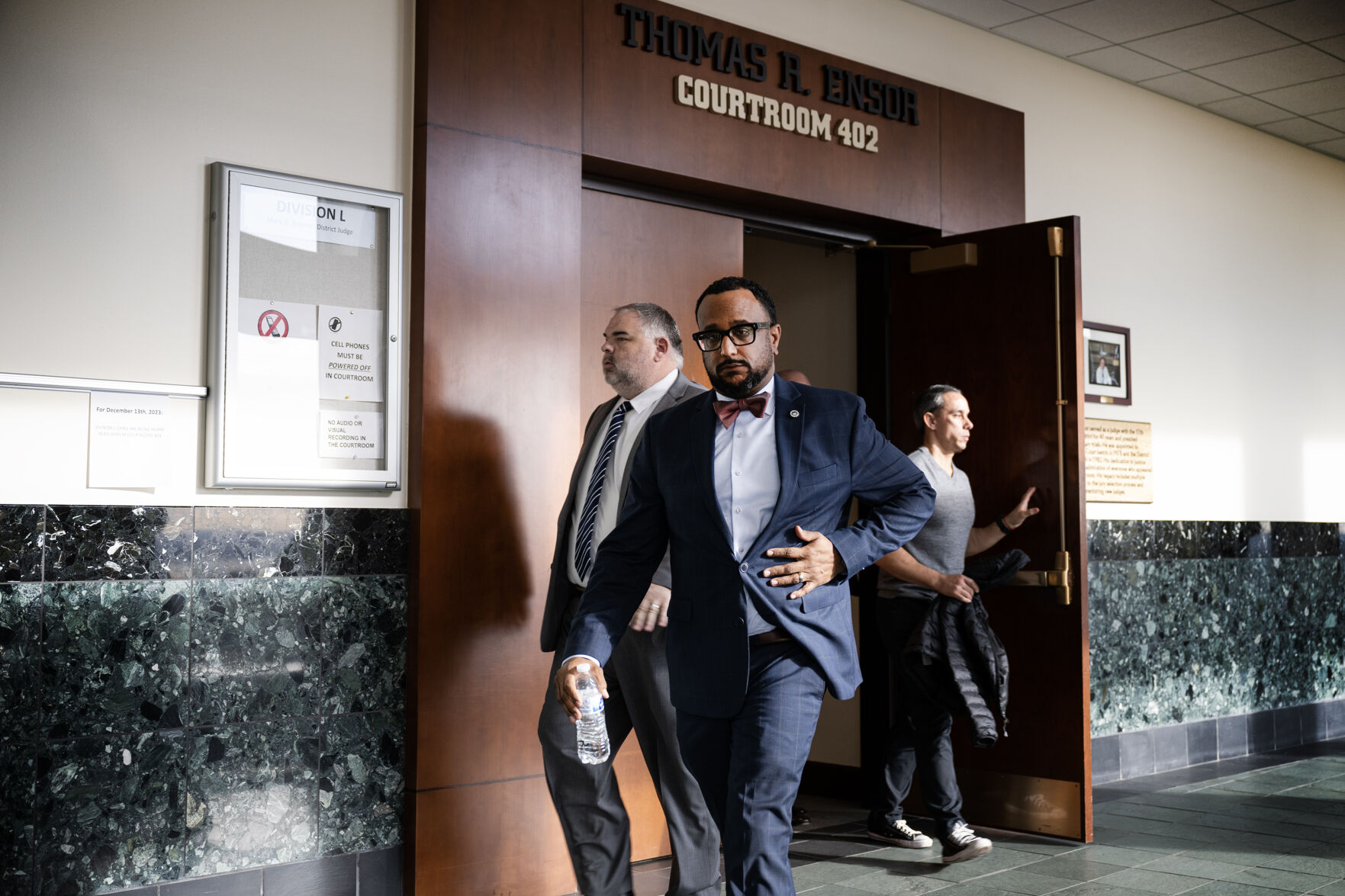
A key witness in all three criminal trials in connection with Elijah McClain’s death testified this week he believes the Aurora paramedics who chose to inject him with a powerful sedative bear responsibility for McClain’s death.
Roger Mitchell, a forensic pathologist and chief medical officer for Howard University’s Adult Ambulatory Care Center, testified Wednesday he would rule McClain’s death a homicide. Mitchell, hired by the Colorado attorney general’s office, previously testified in the trials of three Aurora police officers that McClain’s struggle with police officers set off a cycle of health complications that made him more vulnerable to the ketamine injection.
As McClain’s condition deteriorated from the time police officers first stopped him to when he was loaded into an ambulance on a gurney less than 20 minutes later, he needed oxygen and fluids because of acid buildup in his body while he struggled to breathe and inhaled his own vomit, Mitchell said several times on the witness stand. He testified saw several opportunities for the paramedics to intervene.
“In your medical opinion, did the paramedics in this case cause Elijah McClain’s death?” asked Solicitor General Shannon Stevenson.
“Yes,” Mitchell said.
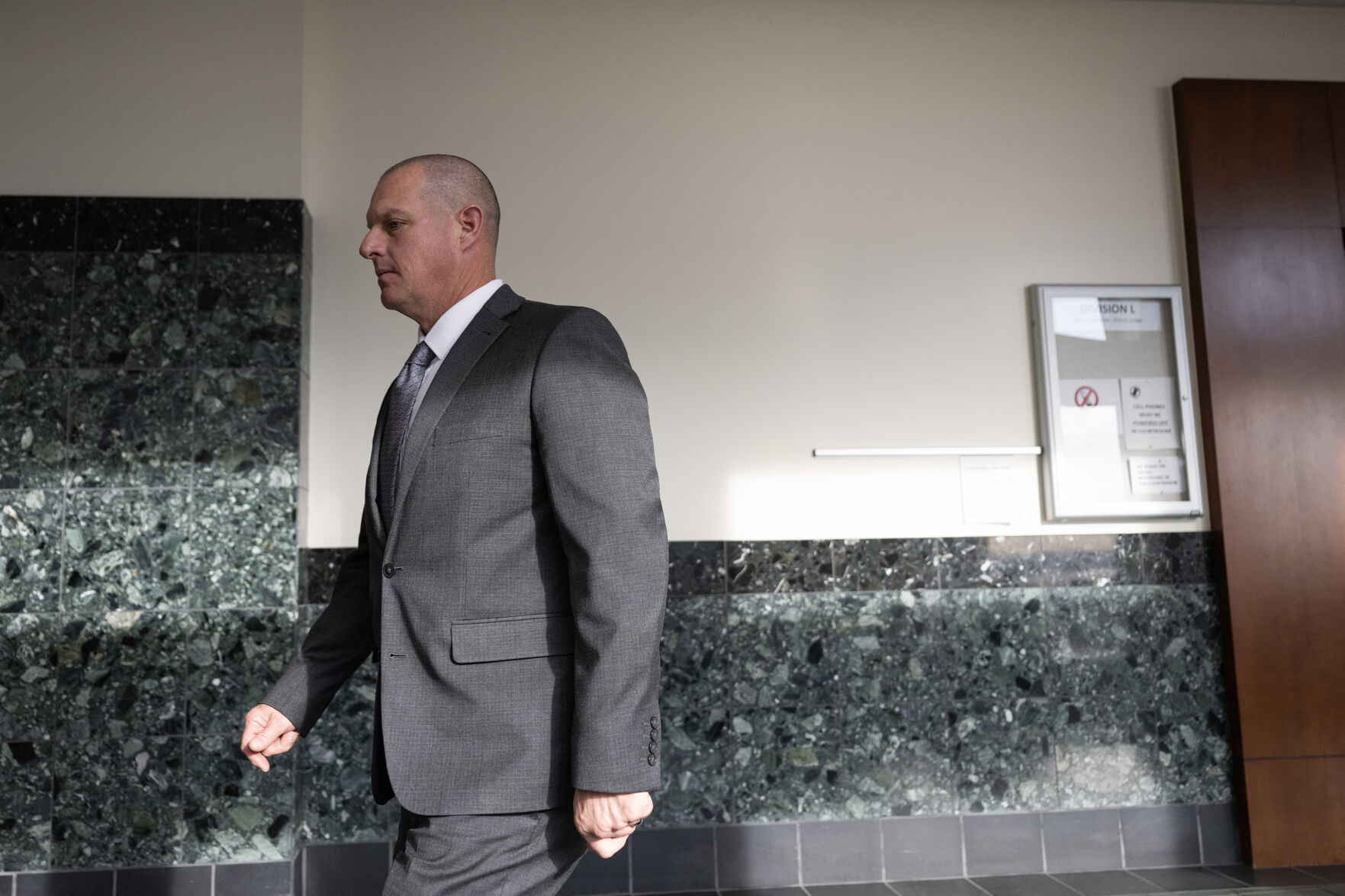
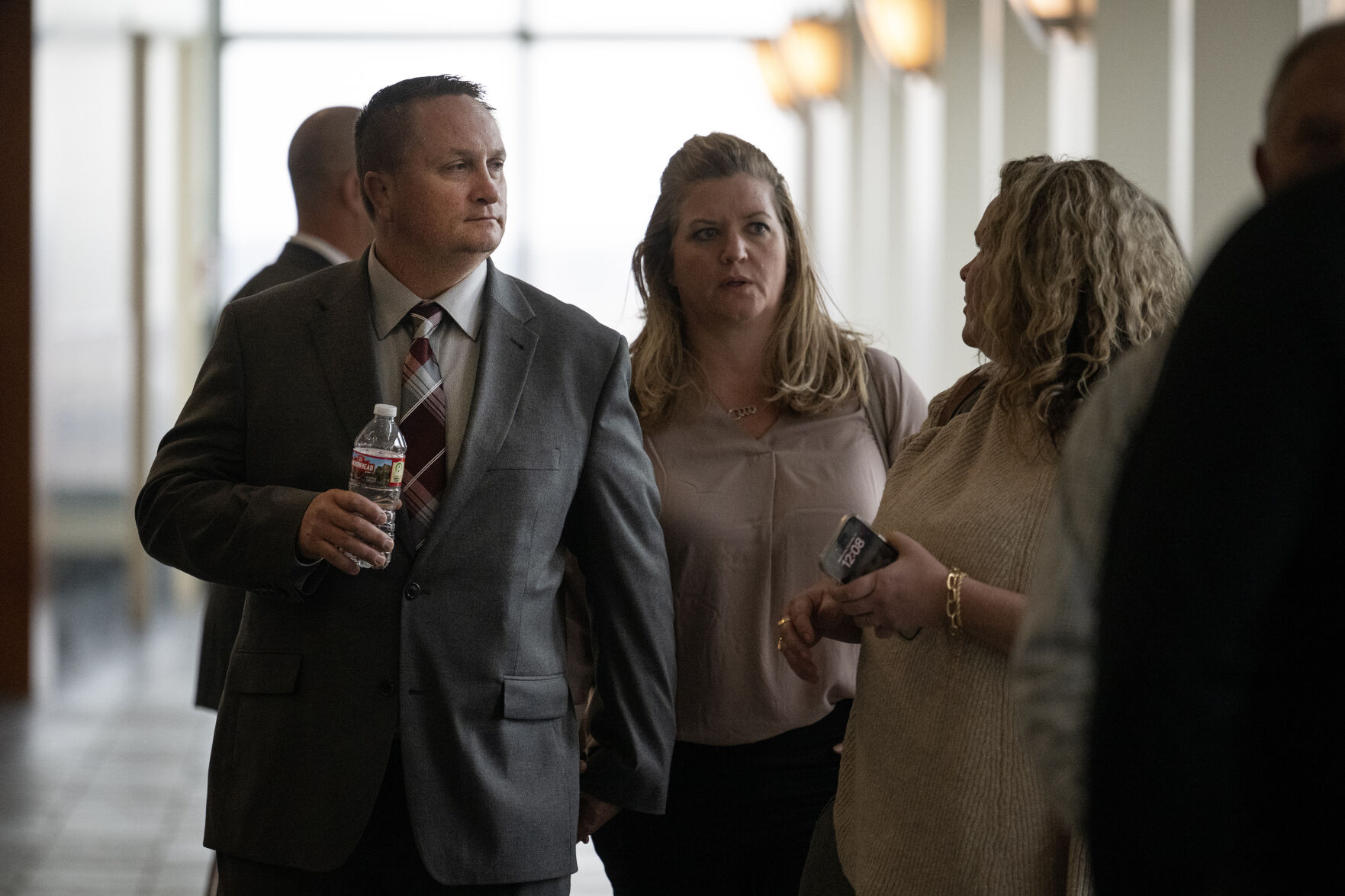
Aurora Fire Rescue medics Jeremy Cooper and Lt. Peter Cichuniec each face charges of reckless manslaughter, criminally negligent homicide and three counts each of second-degree assault. The assault charges include assault causing serious bodily injury, assault with a deadly weapon (ketamine) and illegally administering the sedative without consent.
The fire medics have pleaded not guilty.
McClain died a few days after three Aurora police officers stopped him as he walked home from a convenience store the night of Aug. 24, 2019, after buying iced tea. During a struggle they took McClain to the ground, handcuffed him and one used a neck hold that restricts oxygen flow to the brain. The paramedics now facing trial decided to give McClain a 500-milligram dose of ketamine, a sedative used in medical care as an anesthetic and for pain management.
He went into cardiac arrest and stopped breathing within a few minutes of receiving the injection, and a doctor declared him brain dead three days later. Prosecutors say Cooper and Cichuniec made the decision to administer ketamine without speaking to McClain or examining him themselves, only asking an officer if he spoke English.
Mitchell walked the jury through several clips of body-worn camera footage from the night of the encounter, explaining how he saw McClain’s condition worsen. He believes McClain’s struggle to breathe while pinned on the ground by police led to a dangerous cycle of low oxygen in his body, increased acid buildup and vomiting as a result, which he inhaled into his lungs.
By the time McClain received the ketamine dose, he had already gone largely unresponsive, camera footage shows, while the fire medics and EMTs who came to the scene stood around him. Mitchell said he couldn’t see a medical need for paramedics to administer the sedative.
Mitchell believes the effects of “acute ketamine administration” following “violent subdual and restraint” caused McClain’s death.
The forensic pathologist who performed McClain’s autopsy, Stephen Cina, originally found his cause of death “undetermined” but later changed his opinion to the consequences of the sedative injection.
“The ketamine was listed as a cause, so those who administer the ketamine are responsible for that cause,” Mitchell said.
Cooper and Cichuniec’s defense attorneys directed attention to the police officers at the scene when their turn came to question Mitchell. David Goddard, one of Cichuniec’s attorneys, pointed out that it doesn’t appear the officers told the medics information about McClain’s condition before they got to the scene, such as him communicating normally at the beginning of the encounter but deteriorating and saying several times he couldn’t breathe.
“No, I don’t remember that being said from law enforcement to EMS,” Mitchell said.
Instead, camera footage captures police saying McClain was “acting crazy,” “on something” and had tried to grab one officer’s gun. At the time, Aurora paramedics were trained to administer ketamine to patients believed to be suffering from “excited delirium” — typically described as an onset of symptoms such as extreme strength, aggression and paranoia.
One of Cooper’s lawyers, Mike Pellow, pressed Mitchell to explain how he knew whether McClain inhaled vomit into his lungs, also called aspiration, after the ketamine injection. Mitchell said a combination of video footage and evidence of aspiration from McClain’s autopsy informed his opinion.
“Could you tell the difference between aspiration caused by a previous altercation and aspiration as a result of ketamine?” Pellow asked.
“We know that there’s aspiration. It’s the circumstances in which we observe where I can establish an opinion that he has the aspiration before and after,” Mitchell replied.
“But you don’t hear it after like you’ve heard it before,” Pellow said, referring to “gurgling” noises audible on the camera footage while McClain was pinned on the ground.
“That is correct,” Mitchell said.
Mitchell was prosecutors’ final witness in the trial. The case continues Thursday morning.
The paramedics are the last two of the five men indicted in McClain’s death to go to trial. In the first trial, a jury returned a split verdict for Aurora officers Randy Roedema and Jason Rosenblatt. Roedema was found guilty of criminally negligent homicide and third-degree assault and will be sentenced in January. That same jury acquitted Rosenblatt of all charges.
A separate jury acquitted Aurora officer Nathan Woodyard.