







Bureau of Land Management releases crowdsourcing and citizen science plan

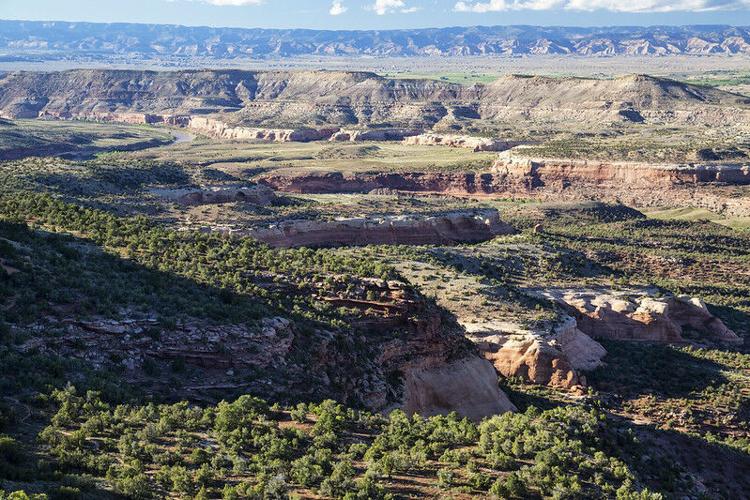
FILE PHOTO: Colorado's Browns Canyon was the subject of a Bureau of Land Management crowdsourcing and citizen science project in 2021 to measure public sentiment regarding the Browns Canyon National Monument.
Courtesy photo, Bob Wick, courtesy of the U.S. Bureau of Land Management

Looking to get deep into Colorado’s nature, including counting bugs, birds and animals? The Bureau of Land Management has the opportunity for you.
The U.S. Department of the Interior is leveraging volunteerism to help document and manage public lands through a program run by the BLM.
Dubbed the “Crowdsourcing and Citizen Science Action Plan,” officials hope it helps the agency fill “critical gaps in knowledge of the ecosystems, landscapes, and native wildlife and plants found across the 245 million acres managed by the agency.”
The program was enacted by President Barack Obama in 2017 as part of the American Innovation and Competitiveness Act.
“The Bureau of Land Management’s mission and authorities require us to use the latest scientific research and findings to ensure that the lands and resources in our care are managed sustainably for generations to come,” said BLM Director Tracy Stone-Manning in a news release. “The public is uniquely positioned to help us better understand the incredible diversity of these lands and make better management decisions affecting them.”
Projects can include things like identifying as many species as possible in a designated area in a short amount of time. This is called a “BioBlitz” and takes advantage of volunteers willing to spend a day or two cataloguing species.
A BioBlitz in the 704,000-acre Basin and Range National Monument in eastern Nevada used more than 100 BLM staff, volunteers and families to catalog 406 species by making 1,728 observations over a single day and night in 2021.
Another project closer to home was a Human Ecology Mapping project in the Browns Canyon National Monument in Colorado, along the Arkansas River north of Salida. The project used a Geographic Information System “to gain public perspective about the social, economic, environmental, and resource conditions” of the monument.”
The project is intended to improve understanding of “existing ties between people and the Monument landscape. In this way, people were able to share their experiences with these lands, what those experiences meant to them, and how they wanted to see them reflected in BLM’s planning process.
“The Action Plan — part of a larger bureau-wide effort to expand BLM’s science capacity and knowledge base — contains resources, guidance, and examples of crowdsourcing and citizen science that can help spur new initiatives and projects,” according to to the release.
“The vital information citizen science provides has already helped us make better decisions about the lands in our care, improve sustainability, and reduce impacts to sensitive landscapes, ecosystems, and wildlife.,” said Thomas Heinlein, BLM assistant director for National Conservation Lands and Community Partnerships, in the release.
The agency manages 221 wilderness areas, 23 national monuments and some 636 other protected areas totaling about 30 million acres. There are more than 63,000 oil and gas wells on BLM public lands.
Energy production generated $18.24 billion in revenues in fiscal year 2023 on federal and Tribal lands and federal offshore areas, an amount divided among the Treasury, the states, and Native American groups, according to a November report from the Department of the Interior.
Ranchers hold nearly 18,000 permits and leases for livestock grazing on 155 million acres of BLM public lands, according to the bureau.
More information is available at blm.gov or by reaching out to your local BLM office.