




East Wall season at Arapahoe Basin has arrived | Whiteout
The Legendary zone has great history, fun facts and...opening soon
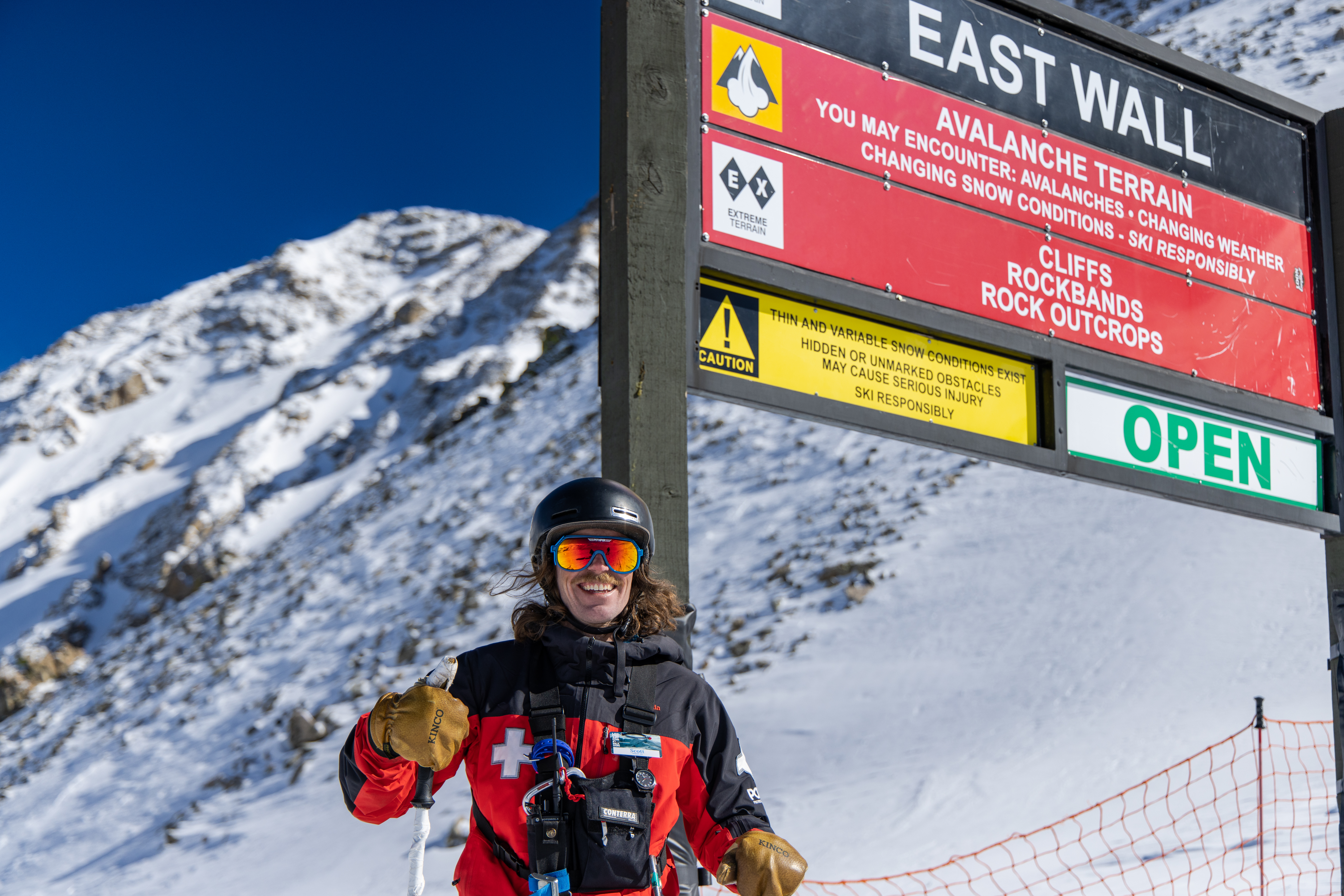
The East Wall at Arapahoe Basin has gnarly terrain, a deep history and an awe about it all expert skiers and riders need to experience.
From the Tree Chutes to the Humbugs to the 1984 Camel International Speed Skiing competition to the upcoming IFSA 3-star Big Mountain competition, the East Wall is exactly as A-Basin is — legendary.
But what goes into opening the East Wall?
For one, a lot of bombs, but also a lot of planning, hard work, and proper snow conditions.
“The more we can disrupt the snow and step on every snowflake, the better off the skiing is going to get,” three-year veteran Arapahoe Basin Ski Area Patrol Director and 25-year ski patrol veteran Ryan Evanczyk said of prepping the famous terrain.

“We don’t really boot pack a lot. A lot of our work on the East Wall is really done through a lot of heavy explosives work, a lot of heavy ski cutting work and a lot of continuing to disrupt the snow with just some skiing.”
Yet even with terrain expansions like Montezuma Bowl, The Beavers and Steep Gullies, Evanczyk still believes the East Wall is truly “something special” and that’s why he and his ski patrol team go through the effort each season to ensure the zone’s terrain is good to go for guests.
One hurdle the East Wall needs to overcome initially is a base. Without enough snow, especially working with Colorado’s dry, cold and shallow-accumulation-levels snow, the zone cannot open safely.
The lower section in the zone, known as Land of Giants, is a large boulder field. Evanczyk said this zone, along with the steeper terrain above on the East Wall, needs between 40-50 inches base before ski patrol teams will start working in earnest to get the terrain rideable.
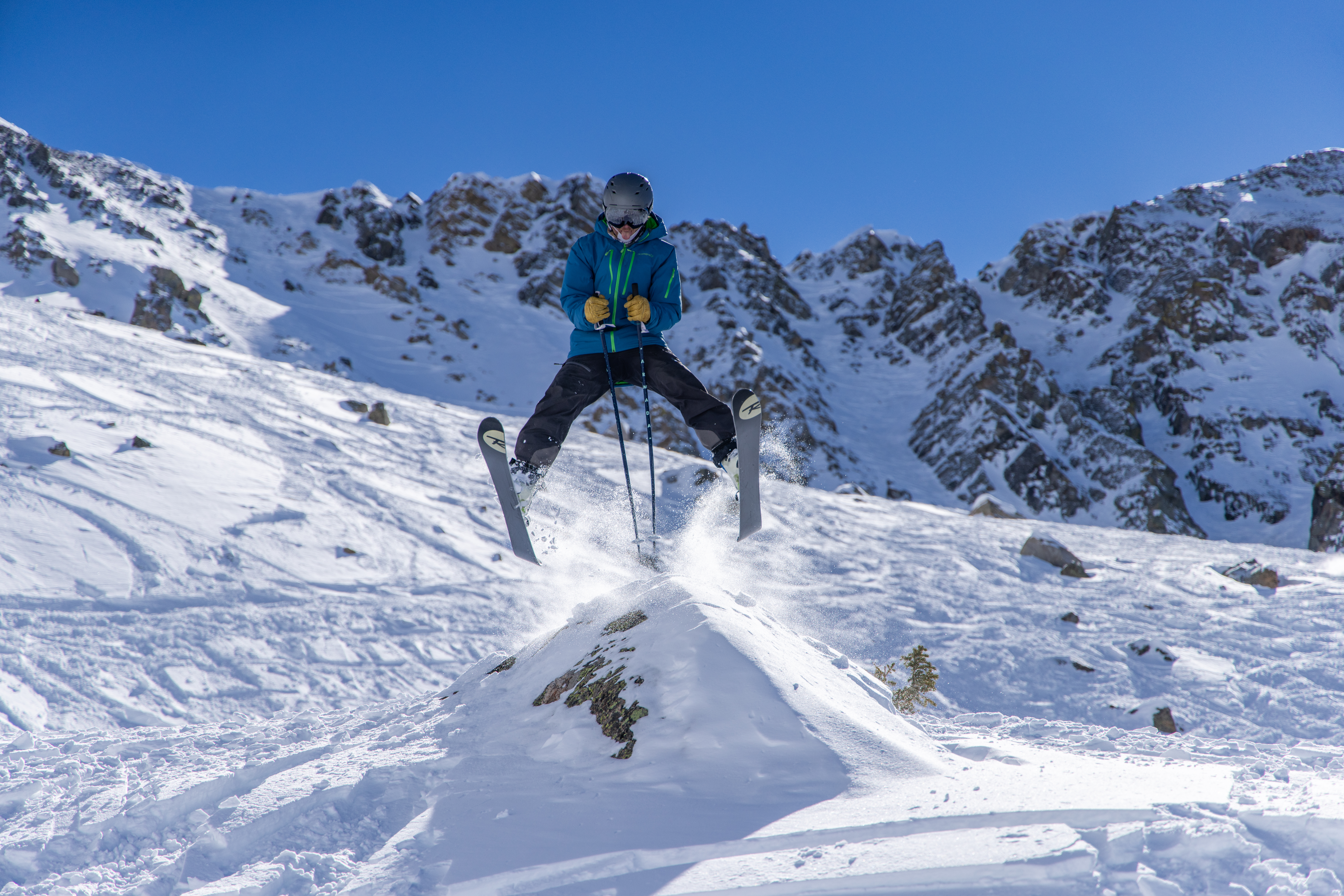
“Its either scree fields or giant boulder fields (in the Land of Giants) or just gnarly rock,” Evanczyk said. “If anybody’s seen it in the summer time, you’d really understand how much snow it takes to even travel it.”
Bombs away and slicing the slope
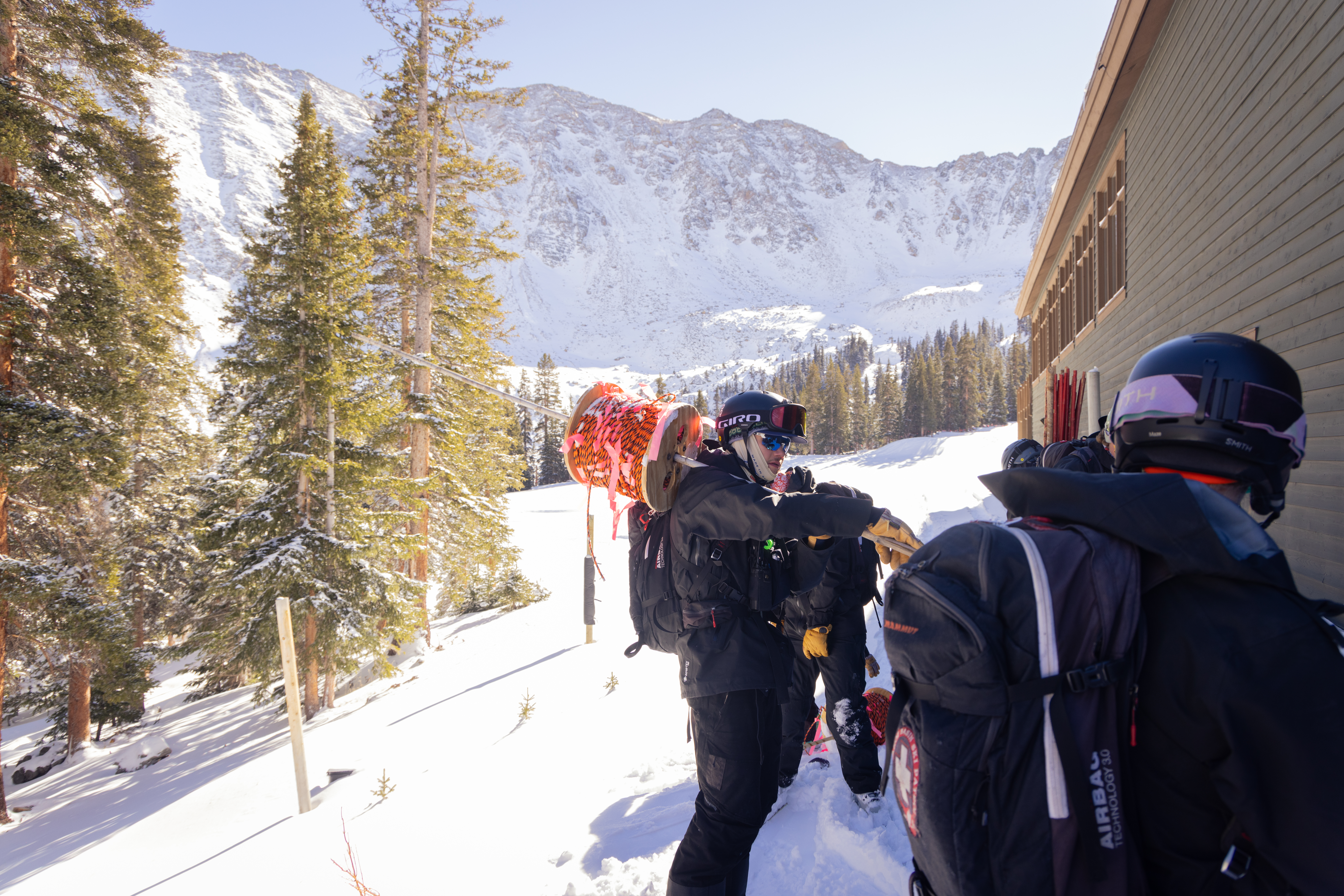
Once the snow starts filling in, however, ski patrol starts shooting the zone with one of the ski area’s avalaunchers from an area Evanczyk calls “the shooting gallery” before ever stepping into the terrain.
Next up is work called “hand routes” where patrollers work from the top of the terrain down on trails mostly facing north. Patrollers will carry out small hand charges in order to mitigate avalanches the best they can. They will also ski cut the slopes in order to disrupt the natural snowpack, disrupting the natural avalanche cycles by “churning up and mucking up the snow and different layers” which minimizes slab size.
“We actually try and get avalanches by ski cutting because some times the force required to create an avalanche is more easily triggered by ski patrollers ski cutting than shots or explosives,” Evanczyk said.
To put into perspective the difference an explosive’s effect on a slope is versus a ski cut, a 2-pound hand charge will explode an area of snow approximately 300 square-feet (30×30 feet) disrupting the snow in a small area, where as a ski cut can cut hundreds of square feet across a slope, having a greater affect in mitigating the slope for avalanches.
Evanczyk has witnessed a ton over his years working on Colorado’s slopes.
From the ski area adding new terrain to managing Montezuma Bowl for winter 2007-08 to losing his mentor and good friend Leif Eric Borgeson in February 2011 to becoming patrol director in 2020, Evanczyk laughed when I asked him about some stories he’d be willing to share of oddities and challenges.

“One of the things I’ve learned throughout my entire career is you learn to expect the unexpected, and complacency will put you in a bad spot,” he said. Evanczyk has spent his entire patrol career at Arapahoe Basin.
“My biggest focus throughout my entire career as far as dealing with avalanches on the East Wall goes is Mother Nature always wins and we do the absolute best we can to keep our patrollers and employees safe, and in turn if we do that the right way, we will keep our guests and public safe.”
Evanczyk spoke about about avalanches going larger than he ever anticipated or starting in areas he never anticipated, but one pivotal moment in his career was in March 2019 when a bomb-cyclone storm cycle dropped between 12-36 inches of snow in the mountains and the ski area had to be shut down because of avalanche threats from terrain across U.S. Highway 6 on The Little Professor and Windowmaker backcountry runs.
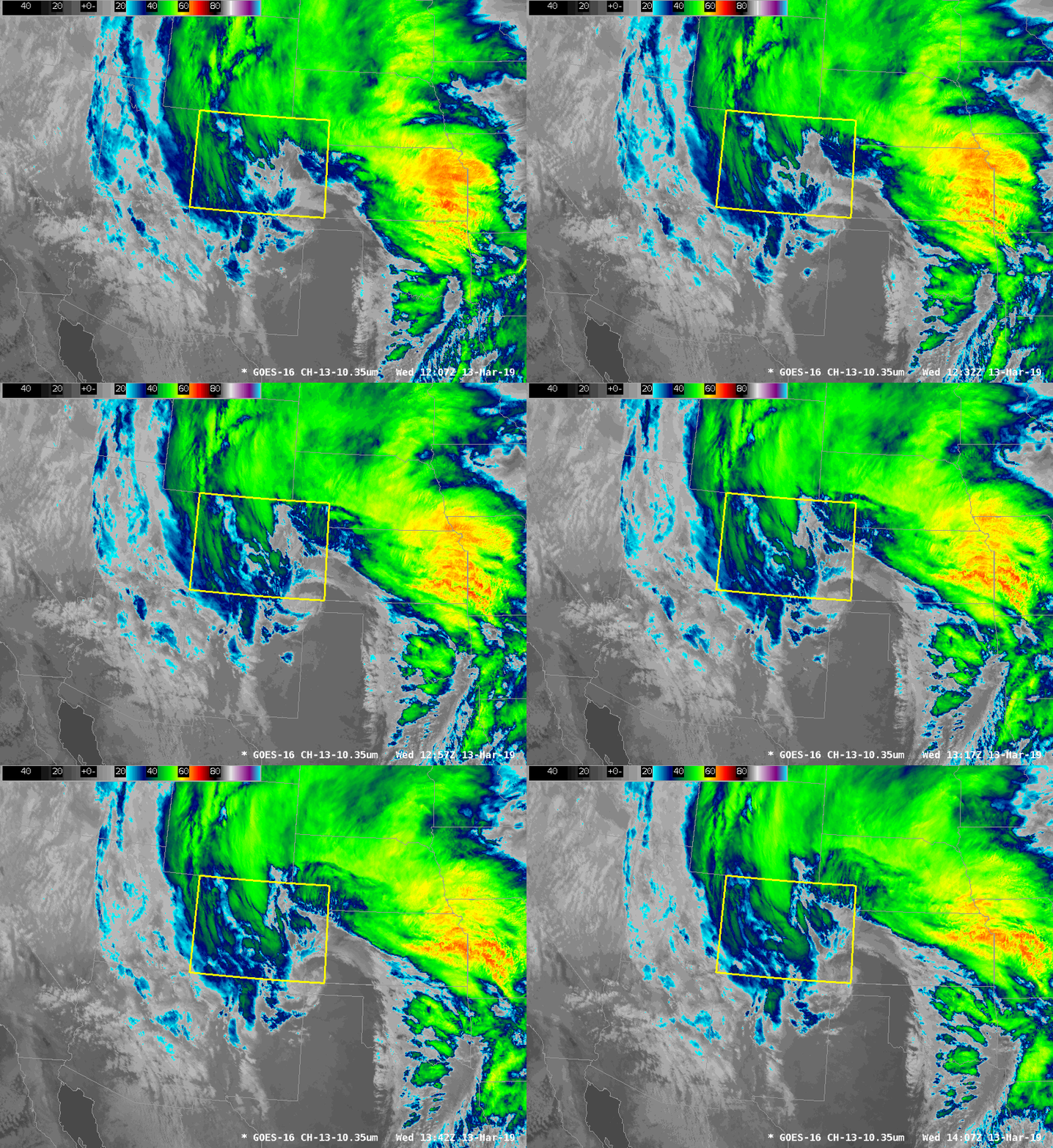
“Through the help of CDOT and the CAIC, myself and eight or nine other people had CDOT drive us to the top of Loveland Pass, and hiked out there and deployed over 200 pounds of explosives, a little over 100 pounds on each (slide) path” Evanczyk said. “Nothing happened on the Little Professor, but over on the Widowmaker, we completely buried U.S. Highway 6.”
Evanczyk’s other pivotal moment was when his mentor passed away in 2011.
“That was at a point where I was looking at a snow safety program that even though I did not become the snow safety director at the time, I knew that our program had a big hill to climb,” he said.
“Eventually we got there, but it took a lot of hard work to maintain what he had created and to make sure we didn’t miss anything moving forward,” he added, saying that moment was pivotal because he felt he had a lot of pressure on himself to make sure things carried on well.
Evanczyk still has an urn of Borgeson’s ashes in his office and speaks to him every day.
Currently the upper, middle and lower gates into the East Wall below the traverse are open (but limited depending on conditions), but Evanczyk was hopeful that if the most recent snow storm from early in the week panned out, hiking through part of the North Pole may be possible by the weekend (March 2-3), however it might take another “snow storm shot in the arm” to open.
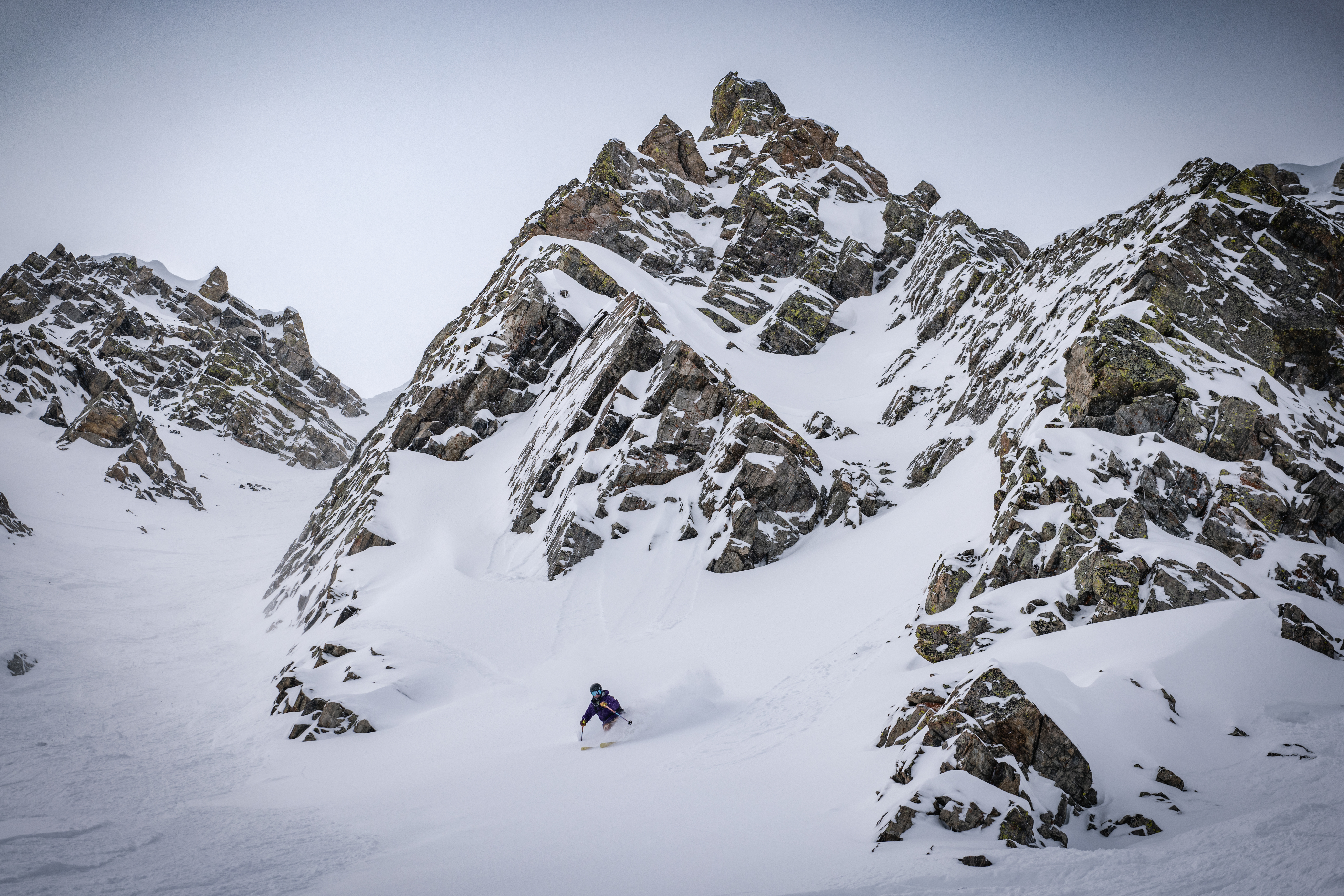
Fun facts about the East Wall:
- Nearly 90% of terrain is above the treeline
- Lowest point in the zone is just under 12,000 feet and top point is just over 13,000 feet
- Six officially named trails, but potentially 24 trails with offshoots from the main six
- Speed skiing competition in 1984 had racers reach speeds of over 125 mph
- Trails range from pointing southwest to east-northeast, giving the snow different conditions depending on where it is skied or ridden
- Two staircases (Willy’s Wide and 7th Tree Chute) offer hike-to terrain and one hiking trail up to the North Pole zone; no lift-access terrain offered
History about to repeat itself
Speed skiing on the East Wall in 1984, when R.J. Reynolds Tobacco Company’s Camel cigarettes brand was attached to the event, saw men and women skiing down the East Wall at speeds over 120 mph.

The return to Big Mountain riding is coming in April. The International Free Skiers Association (IFSA) 3-star Big Mountain event is being held April 17-19 with registration opening March 4 at 7 p.m.
Get OutThere
Signup today for free and be the first to get notified on new updates.
PREV
PREVIOUS
5 places to spot moose in Colorado + tips for tracking them down
There are nearly 3,000 moose in Colorado – undoubtedly one of the state’s truly magnificent creatures to spot in the wild. Tracking down moose can be a fun warm weather activity, however, it’s important to keep some things in mind for safety’s sake and in order to protect the animal. Here are some tips on […]

Denver weather: Leap Day sun and warm temps into the 60s
Plus: On this date in Denver weather history