




The soul behind Colorado’s Dead Mexican Gulch
A state board is considering renaming Garfield County's remote valley
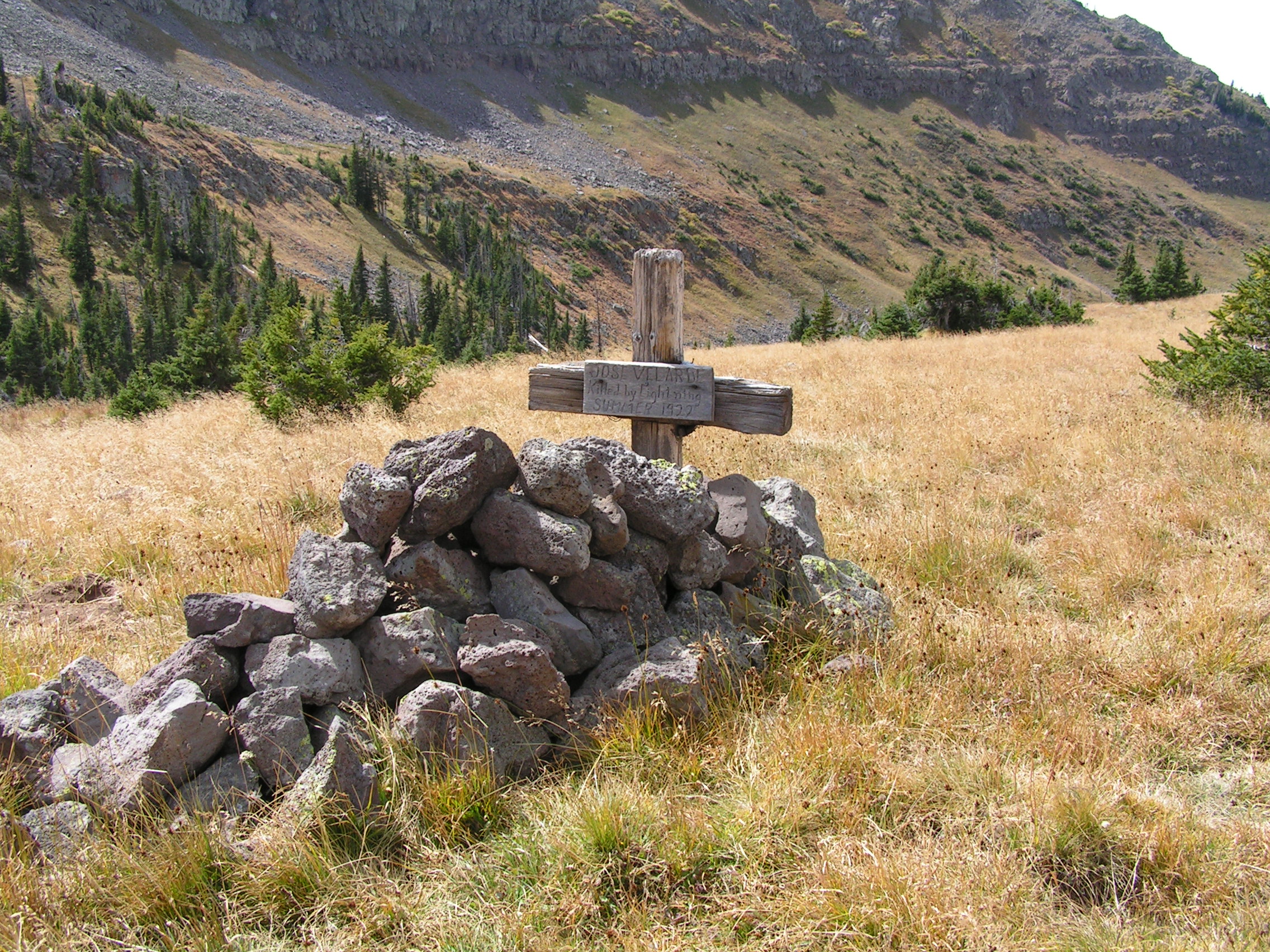
The soul behind the name Dead Mexican Gulch was a solitary sheepherder with murder in his past, struck by lightning and buried where he fell.
A century after the unlucky man’s bizarre death, his gravesite in northeast Garfield County north of Glenwood Springs still stands — a pile of jagged rocks topped by a weathered cross held together with rusty nails and wire.
On the marker is a wooden plaque carved with a simple description: “JOSE’ VELARDI Killed by Lightning SUMMER 1922.”
The spot where the man fell, over time, came to be known as Dead Mexican Gulch — a name that persists, appearing on official maps and in popular usage. It is also deemed highly offensive by some — a problem that will soon reside with the United States Geographic Board of Names.
There are contradictory stories about the dead man’s life, but after digging through letters, newspaper accounts and prison records, it’s likely that the body that is buried in the grave a mile-and-a-half northeast of Devil’s Causeway and 4 miles east of Lost Lakes in Garfield County is not Jose Velarde.
Whomever erected the handmade memorial got the name wrong.
The grave is instead that of ex-convict Joe Belarde, struck by lightning just six months after serving six years for murder in the Colorado State Penitentiary in Cañon City. The judge gave him 12 to 16 years, but the abbreviated sentence he served is a question all of these years later.
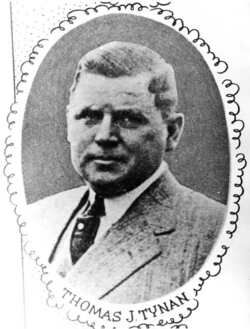
Colorado Prison Museum Director Stacey Cline said that Belarde may have participated in a pilot highway work program started by the warden, Thomas J. Tynan.
“They earned double good time for working on the road crew. For every one day you worked, you got two days off of your sentence,” Cline said. “The inmates did a lot of it by hand. They had dynamite. They were blowing holes through mountains.”
A century gone by, even the surname Belarde is suspect. There’s no birth certificate, so there was confusion between the agencies who dealt with him.
Prison records identify the sheepherder as Berlardi, but in court records and news articles he’s either Belarde, Balarde or Belardi. In a letter home, a Routt County forest ranger called him Balaria.
The only reference to the name “Jose Velardi” is his tombstone.
Regis Professor Emerita of Modern and Classical Languages Obdulia Casto said that the name “Belarde” is Basque for “sheep meadow.”
There’s no “V” in the Basque language, she said.
The name “Velardi” was likely conjured up by the gravediggers.
Racism in the old Southwest
Perhaps the greatest twist is that the man who inspired the name Dead Mexican Gulch was definitely dead, but he was not necessarily Mexican.
Prison records show that Belarde, 43, was born in New Mexico, which makes his birth year around 1878, 34 years before New Mexico became a state. Since New Mexico was considered a territory in 1878, Belarde would have been considered a U.S. citizen and not a Mexican under the 14th Amendment.
Nicki Gonzales, a former state historian, said the phrase “Dead Mexican” is a violent insult to anyone of Latino heritage, but she’s not surprised that the phrase was thrown around during the turn of the century when Belarde was alive.
“At that time, there was a shift in economic and political power from Hispano to Anglo which was happening throughout the Southwest. Part of that shift and encounter resulted in the dehumanizing of one group against the other,” she said.
Belarde’s death was confirmed by Warden Tynan and by Garfield County Deputy Coroner George Giboney, who led a team of law enforcement and pack horses to the site to bring the body down to Yampa.
Though some accounts say Belarde suffered an epileptic seizure before he fell, Giboney concluded at the scene that a lighting bolt entered Belarde’s left shoulder and squealed diagonally down to his right leg.
According to an Aug. 12, 1921 Routt County Sentinel article: “Several silver coined (sic) which had been in his right trousers pocket had been turned black while a knife in his other pocket had not been discolored.”
Belarde had been dead for days when they found him, his body singed by lightning and burned by the campfire he’d made to cook his dinner.
Wild West drama
The outlaw sheepherder’s life had the twists and turns of an episode of the old TV show “Gunsmoke.”
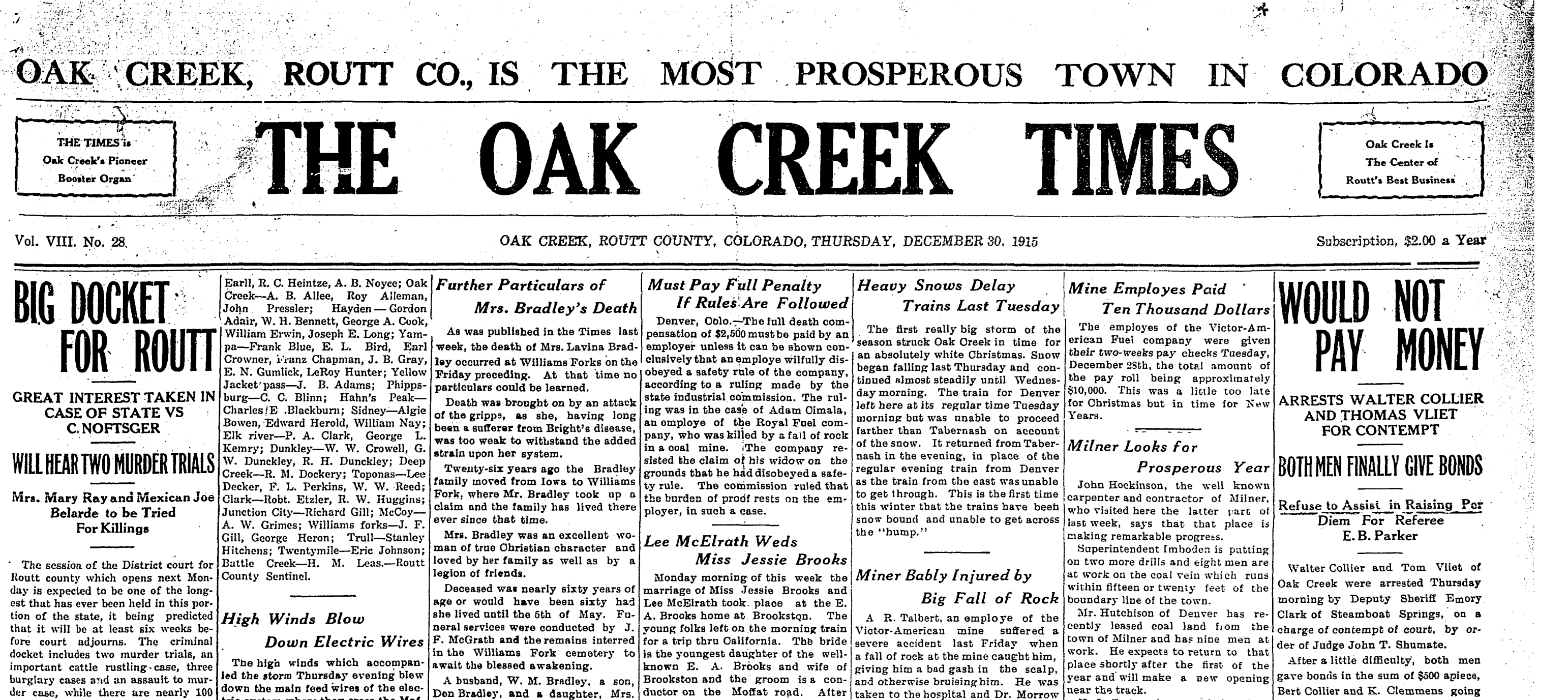
According to articles in the Steamboat Pilot and the Craig Empire, after committing “the most cold-blooded murder that has ever taken place in Routt County,” Belarde had plans to kill two more people, including the boss of the Carbon County Sheep Co.
After an extensive two-day manhunt, Belarde was caught off guard, his Winchester rifle “leaning against a tree” at a camp 10 miles north of the scene of the crime.
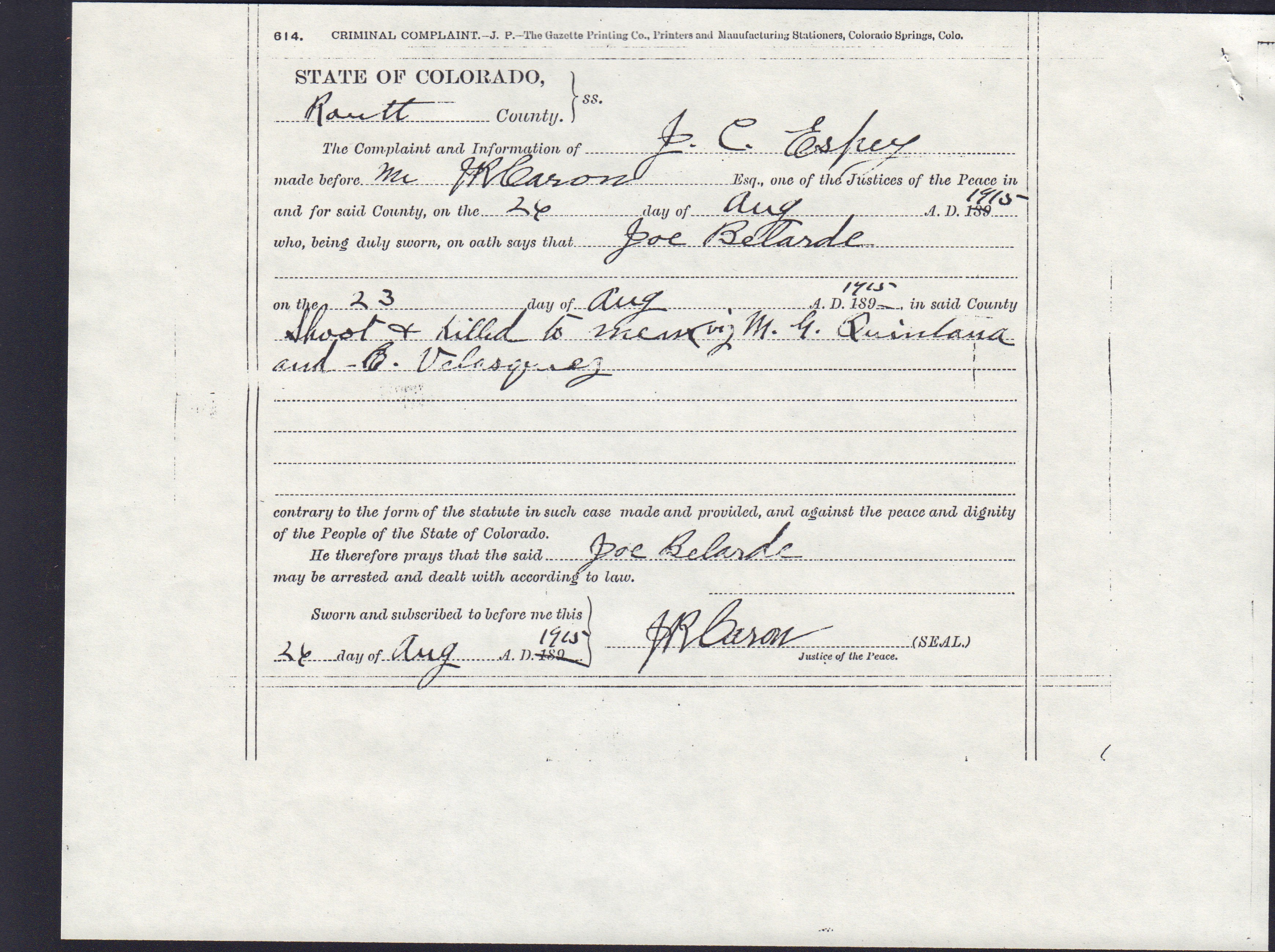
He was arrested Aug. 23, 1915, for killing two fellow sheepherders who were angry that he stole their paychecks and gambled the money away.
A Steamboat Springs jury determined that Belarde shot the men and cremated one of their bodies “from the trunk down, the feet being entirely burned and the legs roasted above the knees,” according to a Sept. 1, 1915, Craig Pilot article.
Disowned but not forgotten
Upon entering prison, Belarde told intake that he had a sister and brother in New Mexico and a brother in Denver but it appears they disowned him.
It would be 100 years before someone finally spoke up for the namesake of Dead Mexican Gulch.
“I was just out there on a backpacking trip. I thought it was strange to call the gulch “dead Mexican gulch” when there’s a headstone saying who’s buried there,” wrote Logan McDaneld, a Grand Junction doctor, in an email. He documented the site with photos and wrote a letter to the Geographic Board of Names requesting to change the name to Jose Velardi Gulch.
Though Jose Velardi was actually Joe Belardi/Belarde/Berlardi, McDaneld’s request got the wheels turning and the renaming process is currently going through a thorough but lengthy renaming process.
By this summer, the name Dead Mexican Gulch will soon go the way of Mt. Evans, now Mt. Blue Sky, Negro Draw and anything called “squaw” as the United States Board of Geographic Names grapples with how to reckon with the complex history of the American West.
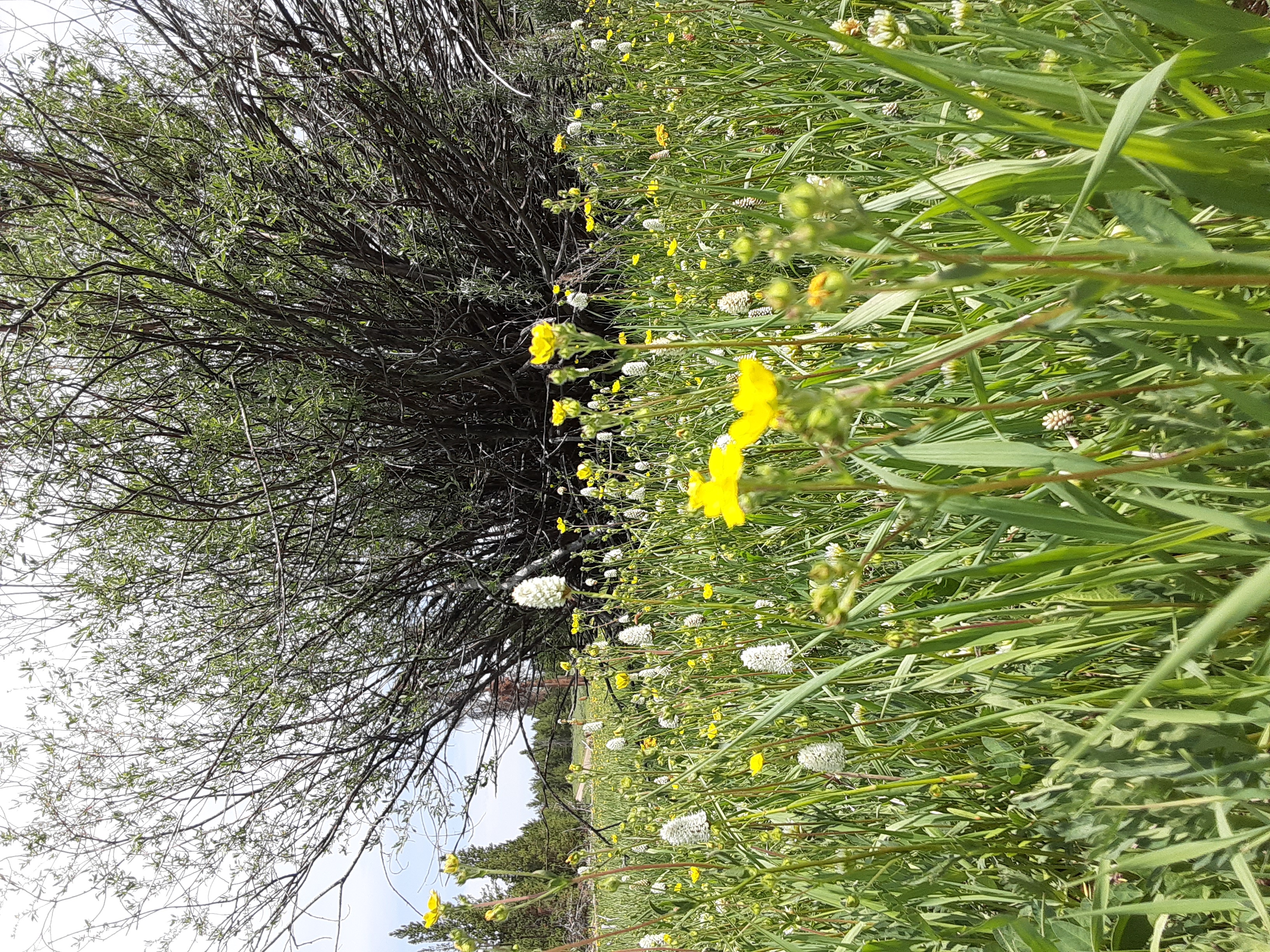
A long renaming process
The quandary has been thrown into the lap of the 15-person state board appointed to compile information and then send a recommendation to the USBGN. The Colorado arm of the process is months away from an official decision, according to Stacey Coleman, tribal liaison for the Colorado Department of Natural Resources.
This is because the proposal must still be approved by the U.S. Forest Service and by Colorado’s Southern Ute and Ute Mountain Ute tribes.
“All of Colorado is ancestral Ute lands. For any of the geographic proposals we always make sure to reach out because of that ancestral connection and the fact that any name proposal involves potential sacred sites,” Coleman said.
The federal U.S. Board on Geographic Names was created in 1890 by an executive order from President Benjamin Harrison. The board was established in its present form by public law in 1947 to maintain uniform geographic name usage throughout the federal government.
The Colorado Board of Geographic Names was created by Gov. Jared Polis in 2020 when it was discovered that there was a backlog of geographic sites with recommendations for renaming with no one to do it.
The name Dead Mexican Gulch is not only considered offensive, it’s also not cool to name a geographic spot after a convicted killer.
Garfield County Commissioner Tom Jankovsky made that point during meetings in August when he said: “We don’t need to name that gulch after somebody I would consider a scoundrel. More than a scoundrel, a murderer.”
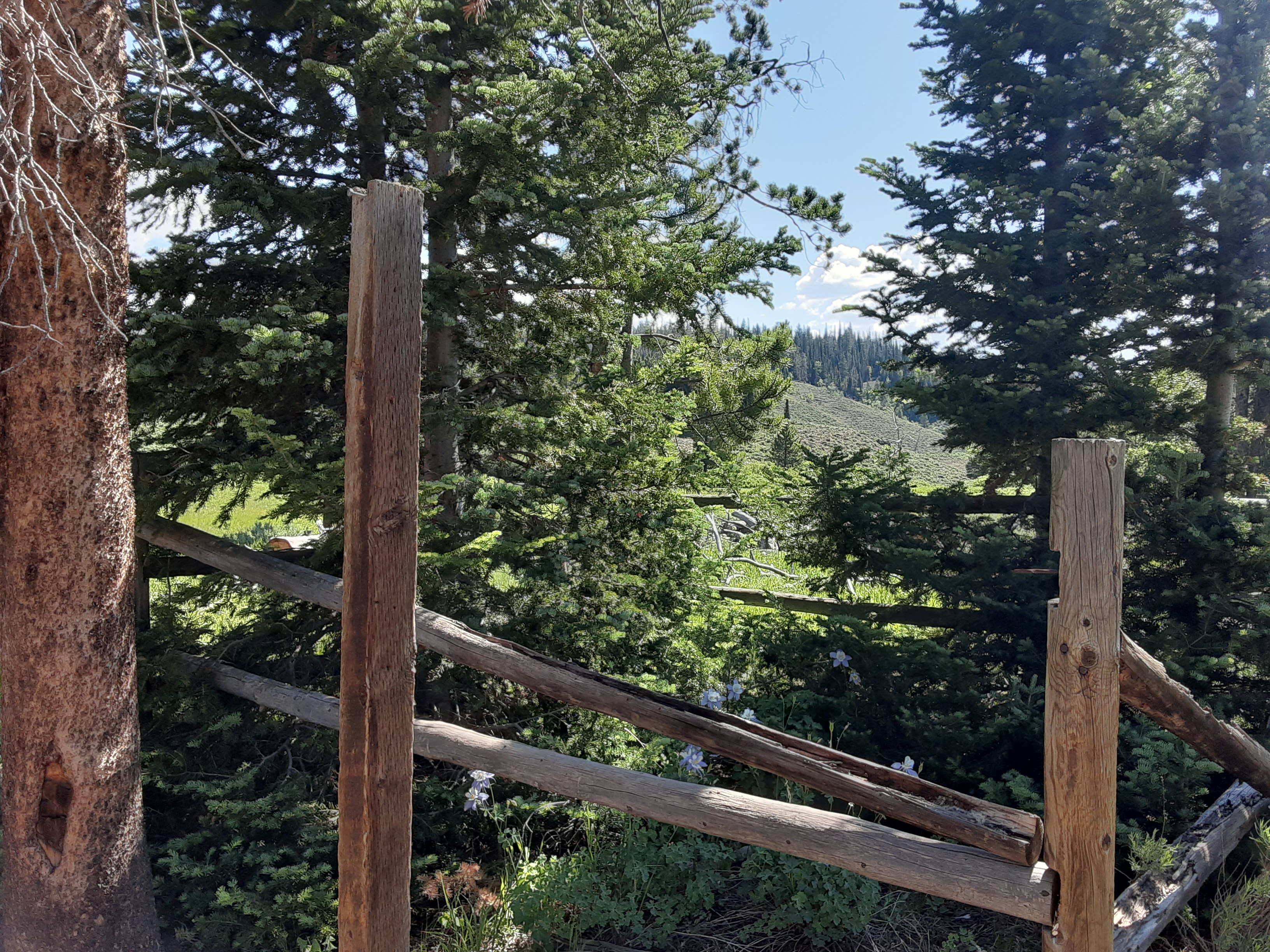
With that, the Garfield County Board of County Commissioners, in a 3-0 vote, wrote a letter of recommendation to the USBGN to change the name of the 1.6 mile valley to Lost Sheepherder Gulch.
At least one Garfield County outfitter wrote the commissioners in protest, as for more than a century, hikers and backpacking guides have called that portion of the Flat Tops Wilderness in the Routt National Forest “Dead Mexican Gulch.”
It’s officially listed that way on the United States Geological Survey maps. It even has a specific latitude and longitude (coordinates: 40.0627606°N, -107.1653307°W).
Dear Mama
Tucked in the peaceful meadows of Routt County, 17 miles north of Steamboat Springs, is a sacred 10-by-10 foot square of field grass that people would hike right on by if they didn’t know its history. A study done by the Natural Association for Cemetery Preservation confirmed that underneath a grove of fir trees and an aspen are the graves of Joe Belarde’s victims, also buried where they fell.
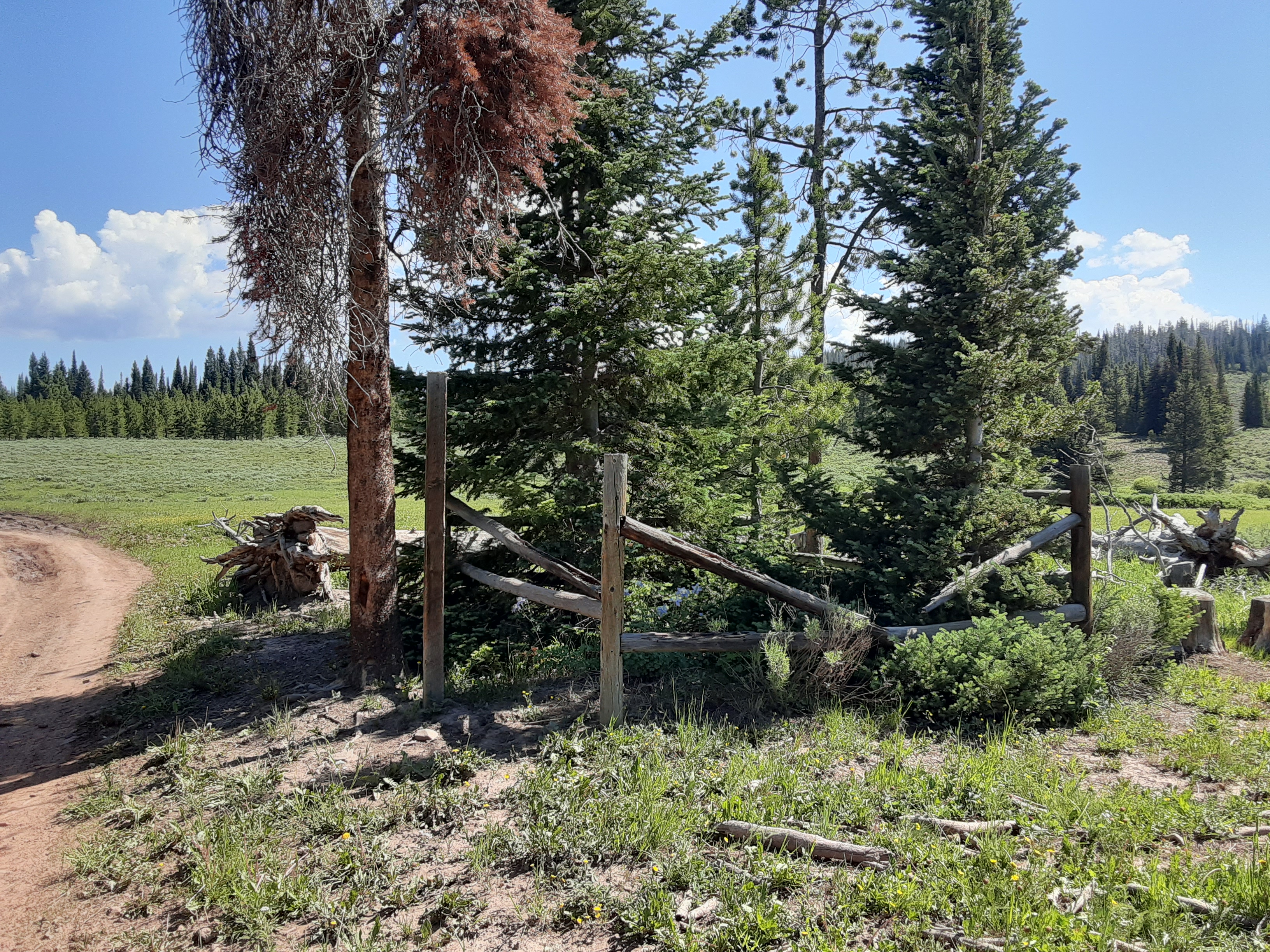
Marquez Quintana and Cerilo Velasquez are the names behind Dead Mexican Park and Cemetery, but the USBGN hasn’t taken up renaming the area because no one has officially requested it — a prerequisite for the bureau.
There are five other such sites officially recognized by the USBGN, including Dead Mexican Tank, a reservoir in Lincoln County, and New Mexico and Dead Mexican Creek in Yavapai, Arizona. None of the names is on the chopping block. Yet.
A Routt Forest ranger named Frank H. Rose who knew all three of the men sent a three-page letter dated Aug. 16, 1915. The letter was typed and sent on United States Department of Agriculture stationery from Hahns Peak, Colorado. It included a map of the area.
Rose’s “Dear Mama” letter is the best historical evidence of how the murders occurred.
At the end of Rose’s letter, he added a footnote telling her that “night before last, two J O sheepherders were shot over north of Little Red Park.” He went on to write that when he went to put out a fire at the sheepherders’ campsite, their campfire was “burning the bed and body of one of the J.O. herders. The other herder lay some fourty feet away (sic). Both had been shot with a high powered rifle.”
And then the kicker. “Joe Balaria (sic) that has rode around with me more or less this summer and who has been quite friendly did the shooting.”
In a possibly telling note to the story, Rose told his mother that “Joe has been drunk all summer.”
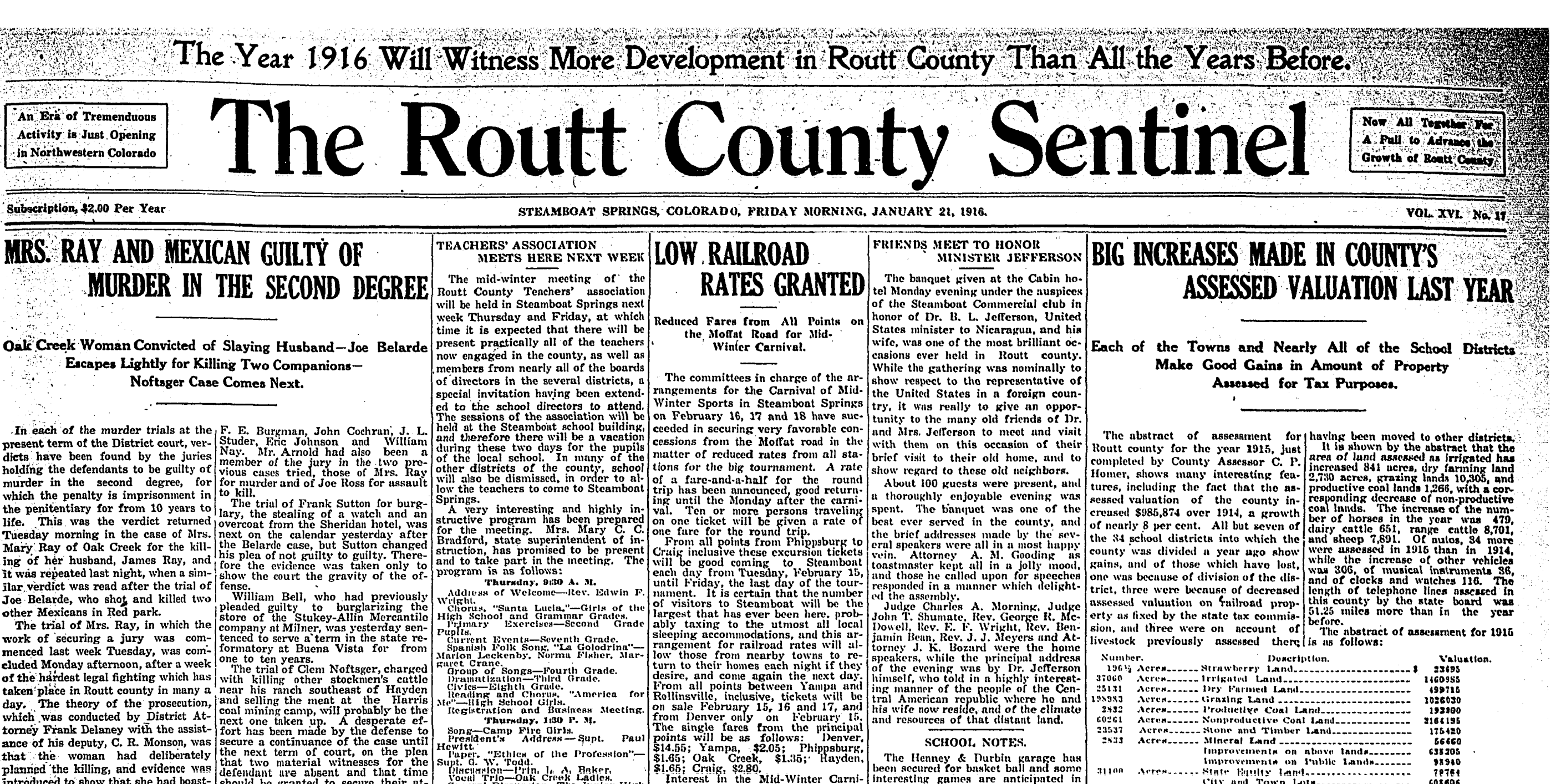
In a Jan. 21, 1916, article about Belarde’s trial, the Routt County Sentinel reported that he took the stand with “a very plausible story of how he had come late at night to camp, where he made his home with the other tow (sic) Mexicans, and on arriving had been attacked, canned goods and other missiles having been hurled at his head.”
In a 2024 translation, Belarde told the jury that he shot his fellow sheepherders in self-defense because they threw a can of lard at his head.
On Jan. 20, 1916, a seven-man jury found Belarde guilty of second-degree murder in their deaths.
On Feb. 4, 1916, Belarde was escorted by the Routt County sheriff to the Colorado State Penitentiary in Cañon City along with a burglar and a teenaged chicken thief.
Six years and five days later, Inmate #9887 walked out of prison.
Joe Belarde enjoyed freedom for just half a year before that karmic bolt struck him dead, ending his troubled life.

Soon the name that followed him will be erased from topographical maps, allowing the misremembered shepherd to rest in peace.

Get OutThere
Signup today for free and be the first to get notified on new updates.
PREV
PREVIOUS
Colorado ski resort set to host 'Slush Cup' pond-skimming event to close out season
Keystone Ski Resort is closing out the ski season with its annual Springtastic Closing Weekend Celebration, including the Slush Cup. The Slush Cup is the only kid-sized pond skim in the country. The event will be held on April 7. Participants of all ages are welcome to “sink or swim in style,” and have the […]
$3 million purchase set to bring new public park to Durango
The City of Durango will purchase Buckley Park for $3 million, making it a permanent public park. According to a news release from the Durango, the city reached an agreement with Durango School District 9-R to purchase the park. Durango currently leases the park from the school district. The city council and school district board […]